Quality control is not only testing blocks after production. A strong concrete block plant records the conditions that created the product: raw materials, moisture, mixer operation, mold, pallet, vibration setting, curing condition, inspection result, and delivery batch. Without records, every problem becomes a debate. With records, the factory can find patterns and solve problems faster.
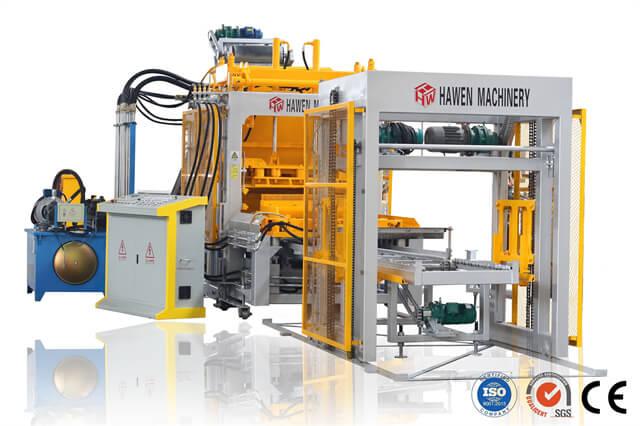
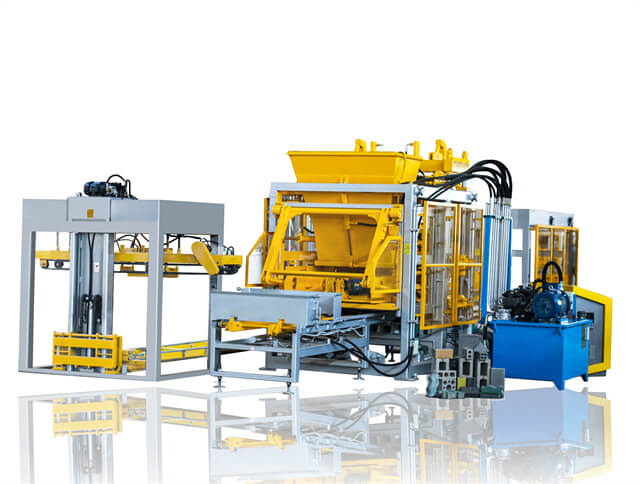
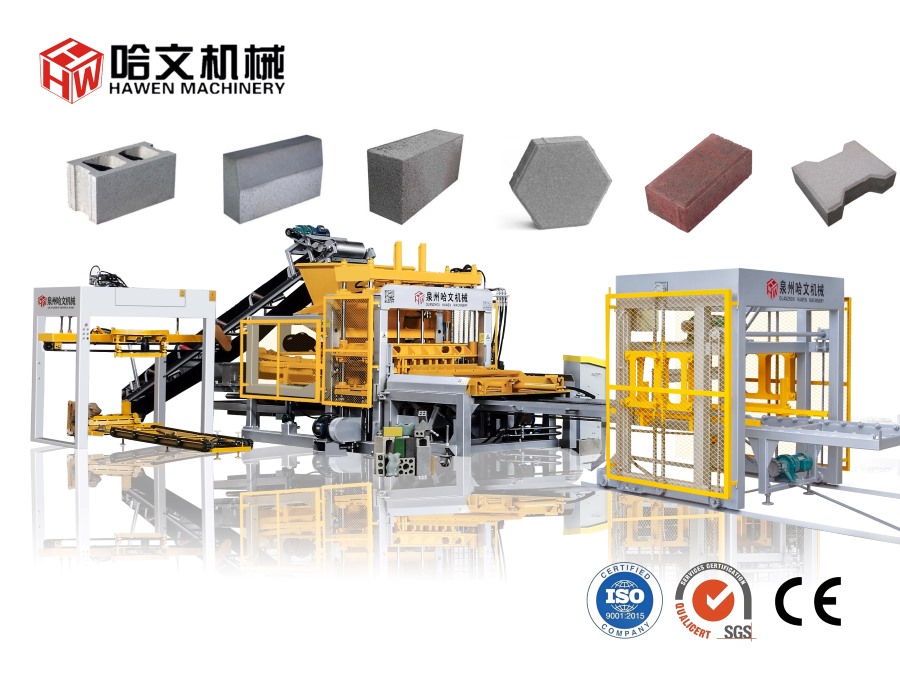
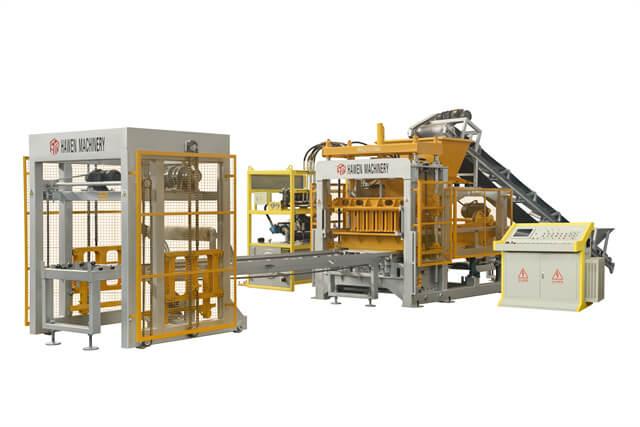
This guide explains how to organize practical QC records for a block machine plant producing hollow blocks, pavers, solid blocks, and kerbstones. The same logic also helps a factory compare performance across a brick machine, a block making machine, and a modern brick making machine line.
Why quality records matter
Concrete products can fail for many reasons. A paver may show color variation. A hollow block may have weak corners. A kerbstone may show height variation. If the factory has no records, the team can only guess. Was the aggregate wet? Did the concrete mixer run longer than usual? Was a new mold installed? Did curing change because of weather?
Good records do not need to be complicated. They need to be consistent. A simple daily sheet can show material batch, formula, water correction, machine setting, product size, mold number, pallet condition, inspection result, and operator notes. The goal is not paperwork. The goal is faster correction.
Raw material records
Raw material records should include cement source, aggregate size, aggregate moisture observation, pigment or additive use, and any unusual condition. If the plant uses a cement silo, record delivery date and silo number where relevant. If aggregate changes, note the source and size.
The batching machine should be checked for dosing consistency. Record obvious gate problems, material bridging, or manual correction. When product quality changes, raw material records often reveal the first clue.
Production parameter records
Production records should include product name, mold number, pallet size, cycle time, water adjustment, vibration setting, press setting, demoulding behavior, and machine alarms. If the factory changes from hollow blocks to pavers, record the changeover time and first inspection result.
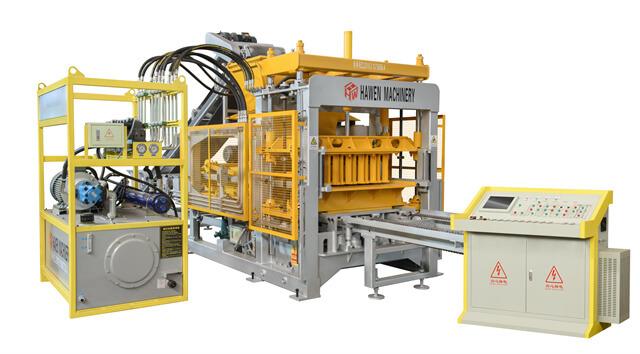
Hawen Machinery integrates a SIEMENS S7-200 PLC with a touch panel and remote monitoring capability. Through this system, machine status can be observed in real time and key parameters can be reviewed when needed. Digital status does not replace operator notes, but it makes the notes more useful.
Product inspection records
Inspection should be connected to the production batch. Record dimensions, weight trend, edge quality, surface appearance, color consistency, demoulding condition, and breakage after handling. Do not record only passed or failed. Record what changed and where the defect appeared.
For pavers, inspect surface tightness, color layer consistency, corner definition, and bottom marks. For hollow blocks, inspect web thickness, corner strength, height, and cracking. For kerbstones, inspect straightness, edge quality, and handling resistance. A brick making machine plant becomes easier to manage when each product has its own inspection focus.
Mold, pallet, and maintenance records
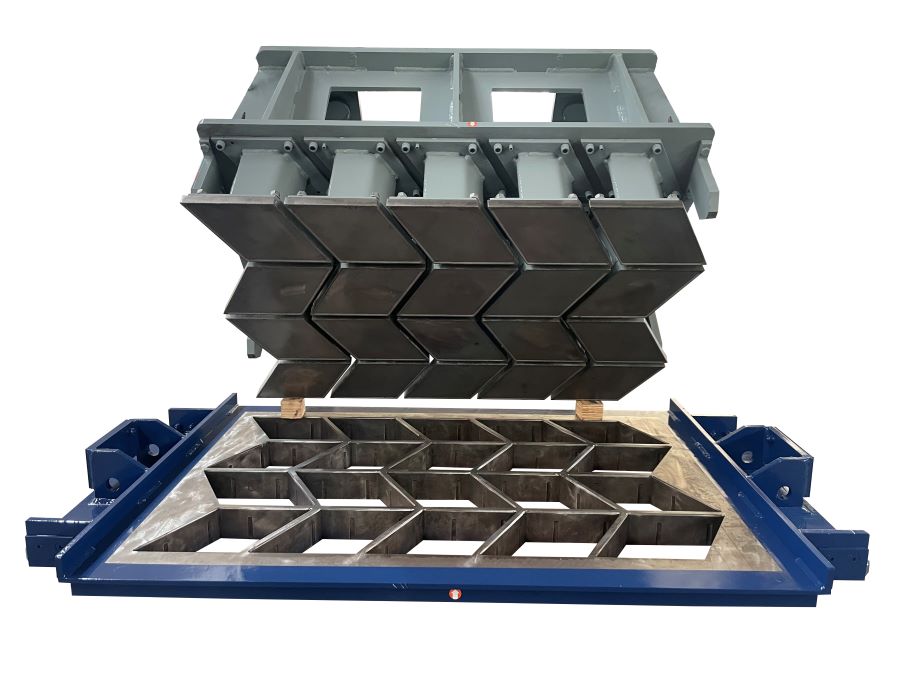
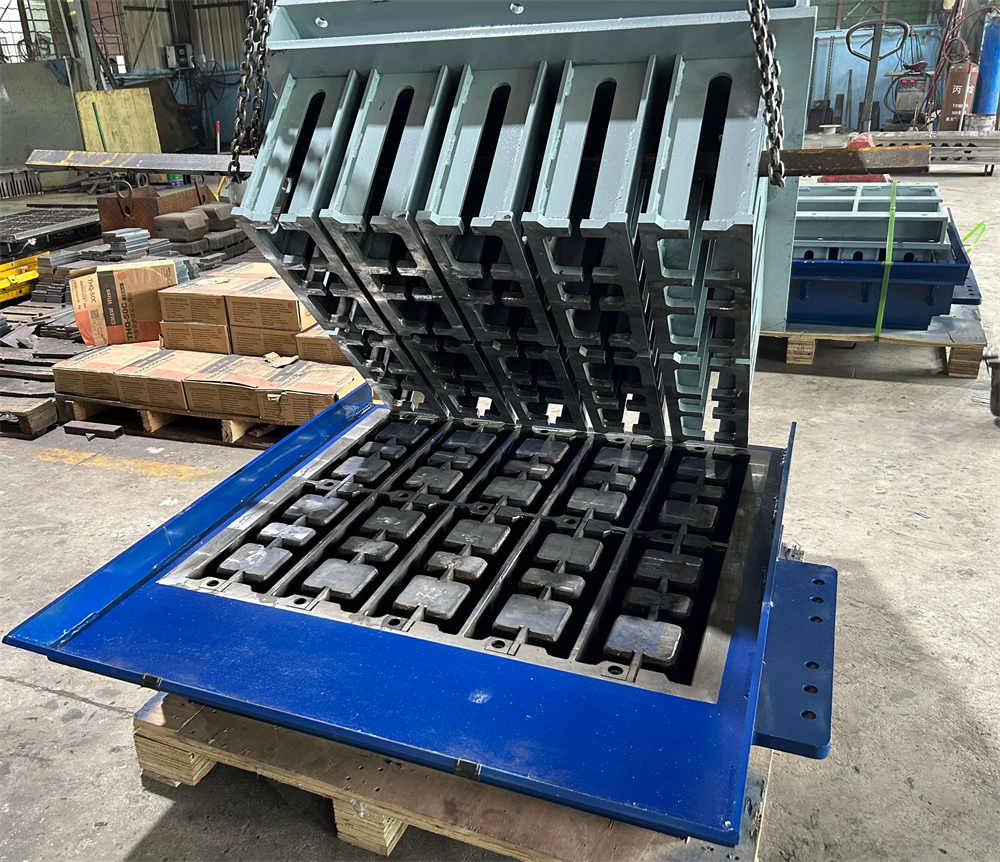
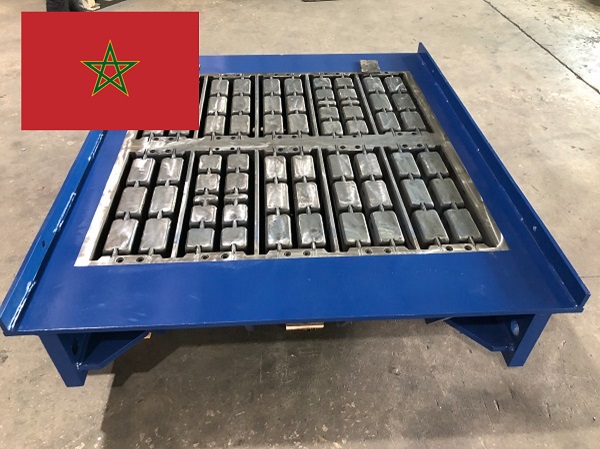
Mold and pallet records are often missing, but they are highly useful. Record mold installation date, product type, cavity layout, repairs, cleaning, and wear observations. Hawen Machinery designs molds compatible with Masa, Hess, Zenith, Poyatos, Besser, Tiger, Columbia, Quadra, Omag, and other platforms. The molds are heat-treated for wear resistance and checked at HRC59-61 hardness, supporting stable dimensions through repeated production.
Pallet records should include damaged pallets removed from service, surface cleaning, bending, and replacement. A GMT pallet supports fresh products, but it should still be inspected. Poor pallets can create bottom marks, cracks, and handling damage.
Delivery and customer feedback
Delivery records should connect finished products to production batches. Record product type, quantity, curing age, packaging condition, truck or container details, and customer destination. If a complaint appears later, the factory can trace the product back to production conditions.
Customer feedback should not sit separately from production records. If a customer reports chipped edges, color differences, or low strength, connect that report to the batch sheet, mold, curing area, and handling method. This turns complaints into improvement data.
For higher automation, the QC sheet should also mention pallet supply and later handling. An automatic pallet provider can help stabilize production rhythm, while a concrete paver brick machine needs inspection records that reflect both machine settings and product appearance.
Hawen Machinery traceability
Hawen Machinery encourages customers to build a simple but disciplined record system from the first day of production. The block making machine, molds, pallets, batching, mixing, curing, and palletizing should all leave useful information for quality review.
Quality records do not make a factory slower. They make the factory remember. When a plant can remember what happened, it can improve with precision. That is how daily production becomes a long-term reputation, and how every block carries not only concrete, but the discipline behind it.
FAQ
What is the minimum QC record a small block plant should keep?
Record product type, formula, water adjustment, mold number, pallet condition, machine setting, inspection result, and operator notes.
Do I need laboratory testing for every batch?
Follow local requirements and customer contracts. Daily visual and dimensional records are still valuable even when laboratory testing is periodic.
Why should mold number be recorded?
It helps trace defects related to wear, cavity damage, product dimensions, or changeover adjustment.
Can operator notes really help quality control?
Yes. Notes about rain, material changes, sticking, alarms, or unusual sound often explain defects that appear later.
How long should records be kept?
Keep them according to local rules, project requirements, and warranty practice. Longer records help identify trends.
Can Hawen Machinery support parameter review?
Yes. Hawen can review machine status, production parameters, and process notes to help customers locate repeated quality issues.




 Tel: +86-13905968794
 Email: export@hwmachines.com
 MP/WhatsApp: +86-13905968794
 Manufacturer Address:Nanan,Quanzhou City,Fujian Province,China