Compressed air is easy to underestimate in a concrete block plant. It may not look as important as the block machine, mixer, or mold, but it controls many small actions that keep the line moving: gates, cylinders, cleaning points, pneumatic valves, and auxiliary devices. If air pressure drops or water enters the system, the automatic brick machine may stop for reasons that are difficult to diagnose.
This guide explains how to plan compressed air for a concrete block machine plant, especially when the factory wants stable automatic production instead of frequent manual correction.
本指南解释了如何为混凝土砌块机厂规划压缩空气,特别是当工厂希望实现稳定的自动化生产而不是频繁的人工校正时。
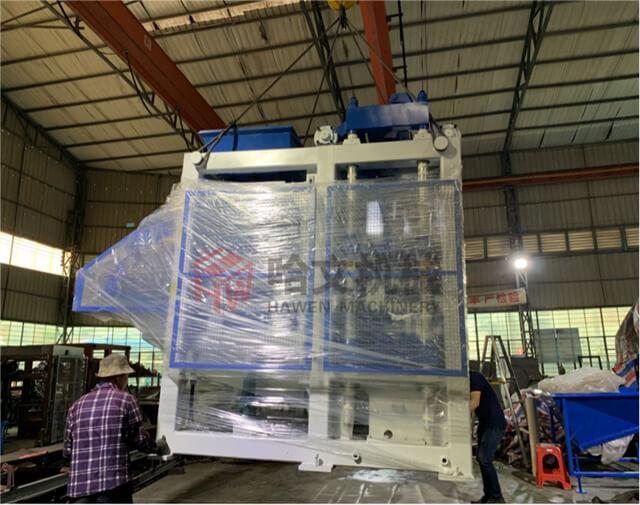
Why compressed air matters
Compressed air supports fast and repeatable movement. In a block making machine line, pneumatic devices may open aggregate gates, operate small cylinders, support cleaning, control auxiliary mechanisms, or help with packaging and handling. When the air supply is unstable, the plant may show random symptoms: slow gate movement, incomplete action, delayed feeding, alarm stops, or inconsistent batching.
Because air faults often appear as machine faults, buyers should plan the air system before installation. A reliable batching machine, concrete mixer, and forming machine need not only electrical power, but also clean and stable air where pneumatic actions are used.
Where the plant uses air
List every air-use point before choosing the compressor. Check aggregate bin gates, cement weighing devices, valves, cleaning ports, pallet handling devices, cubing or packaging equipment, and service tools. A small plant may need air only at a few points. A larger automatic block machine line may need a more organized air network with reserve capacity.
Do not calculate by guessing. Ask the supplier which devices use air, what pressure range is required, and whether air consumption is continuous or intermittent. A gate cylinder that opens briefly does not have the same demand as repeated cleaning or packaging use. The compressor should support peak use without constant pressure collapse.
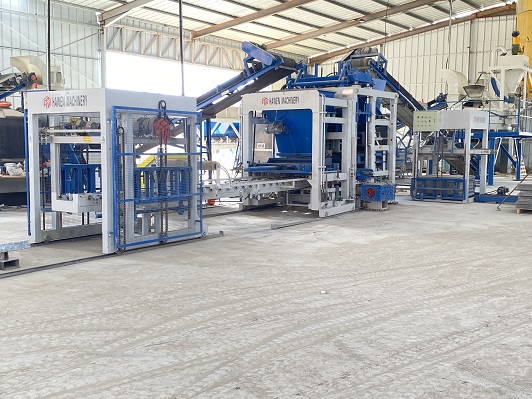
Pressure, flow, and air quality
Air pressure must be stable at the device, not only at the compressor. Long pipes, small pipe diameter, water accumulation, and leaks can reduce the pressure that reaches the machine. The plant should use suitable pipe sizing, drain points, filters, and pressure regulation. If local conditions are humid, air drying becomes more important.
Water in compressed air can damage valves and cylinders. Dust can block small passages. Oil carryover can affect seals and sensors. For a brick making machine plant, clean air helps reduce unpredictable stops. Install filters where needed, drain water regularly, and keep the compressor room clean.
Compressed air should not be used as a careless cleaning tool around dust without proper safety practice. Follow local requirements for safe air use, personal protection, and machine lockout during maintenance.
Layout and leak control
The air network should be short, protected, and easy to inspect. Avoid running hoses across forklift routes. Use fixed piping where possible, with flexible connections only where movement is needed. Place shutoff valves where sections can be isolated for maintenance without stopping the whole plant.
Leaks waste energy and reduce pressure. Listen for air leaks during quiet periods. Use soapy water or proper leak detection methods for fittings, hoses, cylinders, and valves. A leak that seems small can become expensive when the compressor runs all day to compensate.
Air system planning should be coordinated with the cement silo, batching area, machine platform, pallet route, and maintenance walkway. Good layout makes inspection normal rather than inconvenient.
Pallet movement and product handling should also be considered. If an automatic pallet provider or a GMT pallet system is part of the plant, the utility layout should leave enough space for hoses, cables, operator access, and later maintenance.
Maintenance and safety
Set a routine for compressor oil, filters, belts, drains, receiver tank, safety valve, and pressure gauge inspection according to equipment instructions. Drain water before it reaches valves. Replace cracked hoses and protect fittings from cement dust. Keep a simple record of pressure drops, leak repairs, and compressor running behavior.
Air quality affects product quality indirectly. If pneumatic gates respond slowly, batching accuracy may suffer. If auxiliary devices stop, the block machine may wait. If operators bypass pneumatic faults manually, line rhythm becomes unstable. A stable air system helps the plant keep its automatic character.
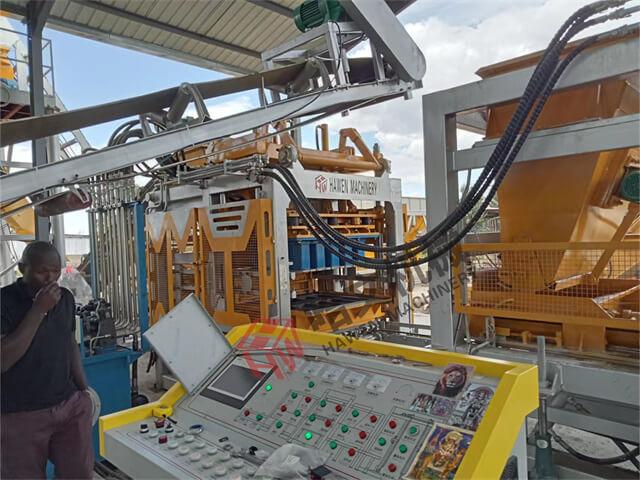
Hawen Machinery integration
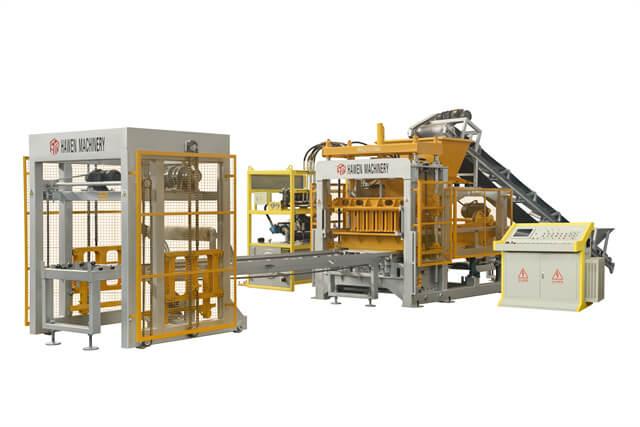
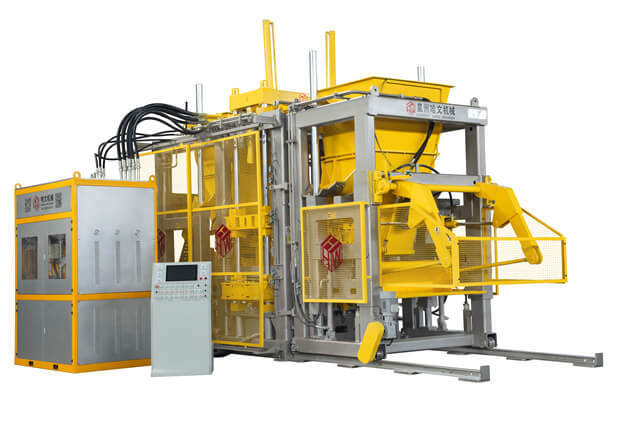
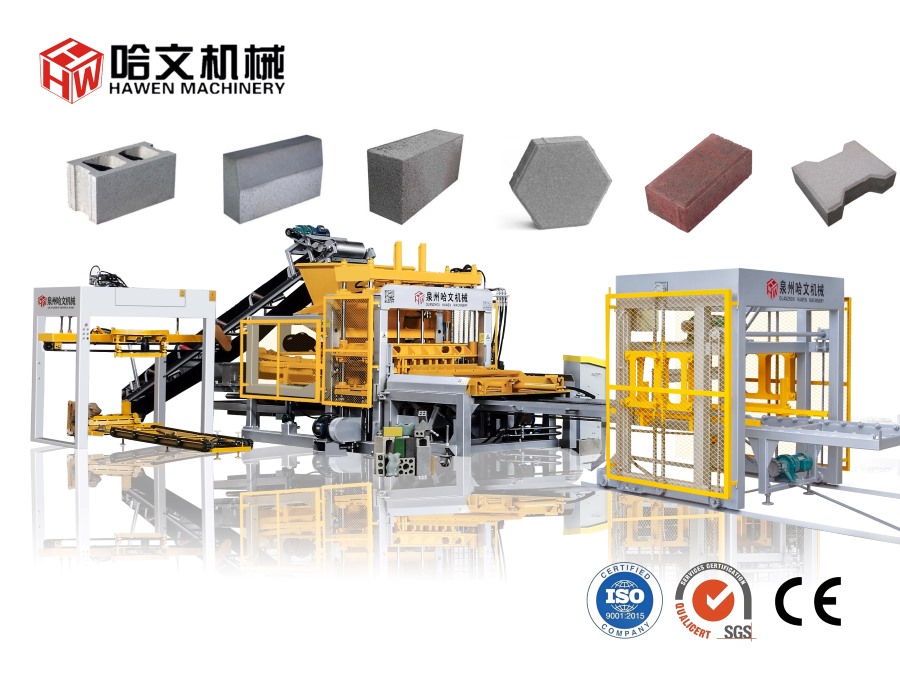
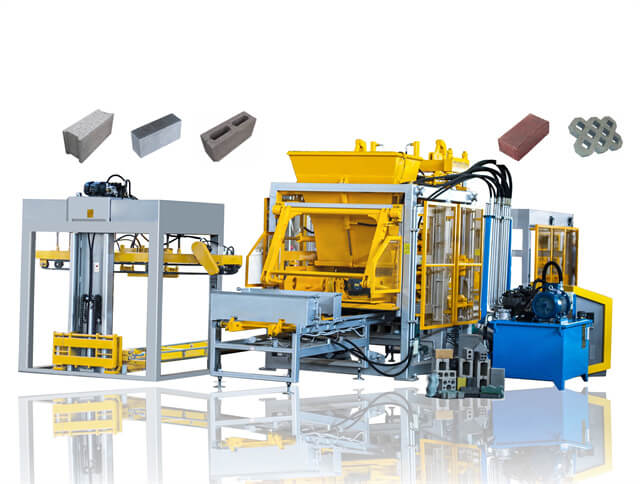
Hawen Machinery reviews air, power, material flow, and layout during block plant configuration. The selected block making machine, mixer, batching system, pallet provider, and palletizing equipment should receive the utilities they need without improvised piping after installation.
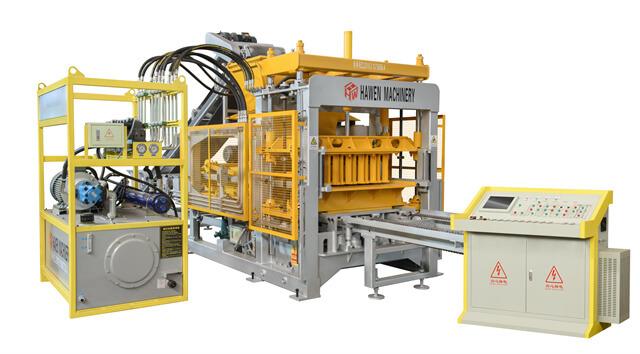
The SIEMENS S7-200 PLC and touch panel help operators monitor equipment status, while remote monitoring allows production parameters and alarms to be reviewed. Hawen also uses Japanese YUKEN proportional and directional valves and an American ALBERT hydraulic pump in the hydraulic station, supporting precise movement on the main machine while the auxiliary air system supports smaller repeated actions.
Compressed air is not glamorous, but it is one of the quiet systems that decides whether automation feels smooth or fragile. When air is clean, stable, and easy to maintain, the brick making machine line works with fewer surprises and more confidence.
FAQ
Does every concrete block machine plant need compressed air?
Not every function uses air, but many automatic lines include pneumatic gates, valves, or auxiliary actions. The supplier should list the exact air-use points.
Why does my machine alarm when compressor pressure looks normal?
The pressure may be normal at the compressor but low at the device because of pipe loss, leaks, water, or undersized lines.
How do I reduce water in compressed air?
Use proper draining, filters, and drying equipment where needed. Keep the compressor room clean and maintain the receiver tank.
Can air leaks affect production cost?
Yes. Leaks make the compressor run more often and can reduce pressure at important devices.
Should air pipes be installed before machine arrival?
The main route can be prepared after confirming the final layout and air-use points. Leave safe access for maintenance.
Can Hawen help check air requirements?
Yes. Hawen can provide utility requirements for the block machine line and help customers plan air, power, and layout before installation.




 Tel: +86-13905968794
 Email: export@hwmachines.com
 MP/WhatsApp: +86-13905968794
 Manufacturer Address:Nanan,Quanzhou City,Fujian Province,China