Conveyor belt tracking problems can quietly reduce the output of a concrete block plant. A belt that moves to one side may spill aggregate, delay mixing, damage belt edges, overload rollers, and force operators to stop the block machine for cleaning. In a complete brick machine line, stable belt movement is not a small maintenance detail. It is part of the production rhythm.
This article explains why belts drift, how to correct the problem, and how to prevent repeated misalignment in a block making machine plant for hollow blocks, pavers, solid blocks, and kerbstones.
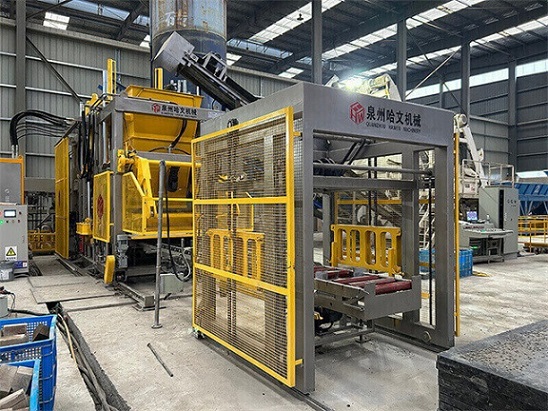
Why belt tracking matters
The conveyor connects raw material storage, batching machine, mixer, hopper, and forming machine. If the belt runs off center, the plant may still operate, but the process becomes unstable. Aggregate may spill before reaching the concrete mixer. Wet material may accumulate under rollers. The machine may receive uneven material, and the operator may slow production to avoid overflow.
Misalignment also increases wear. Belt edges can rub against the frame, rollers can carry side load, and bearings may fail earlier. In severe cases, the belt tears or jumps, creating a full production stop. For factories that run an automatic brick machine, belt tracking should be checked before it becomes a breakdown.
Main causes of conveyor belt misalignment
The most common cause is uneven loading. If aggregate falls onto one side of the belt, the belt naturally moves toward the heavy side. This may come from a crooked chute, poor gate opening, material buildup, or loader feeding that changes the pile shape inside the bin.
Another cause is dirty rollers. Cement dust, wet sand, and hardened concrete can build up on return rollers. The roller diameter becomes uneven, and the belt starts to wander. A third cause is poor frame alignment. If the conveyor frame is twisted, the belt cannot track correctly even after repeated roller adjustment.
Incorrect tension also matters. A belt that is too loose may slip and drift. A belt that is too tight may damage bearings and splice points. The correct solution is not to tighten the belt blindly, but to inspect loading, cleaning, roller alignment, and tension together.
Step-by-step fixes
Start with cleaning. Remove material from rollers, pulleys, chute edges, and belt return areas. Then run the belt empty and observe whether it still moves to one side. If it tracks well when empty but drifts under load, the loading point is the first suspect.
Next, center the material flow. Adjust the chute so material lands near the middle of the belt. Check whether the aggregate bin gate opens evenly. In a block making machine plant, fine aggregate often creates more tracking trouble because it sticks to wet surfaces and builds up faster than coarse stone.
After the loading point is corrected, adjust rollers slowly. Small changes are safer than large changes. Mark the original position before adjustment so the team can return if the change makes tracking worse. Finally, check belt tension and pulley alignment. If the belt is damaged or stretched unevenly, replacement may be more effective than repeated adjustment.
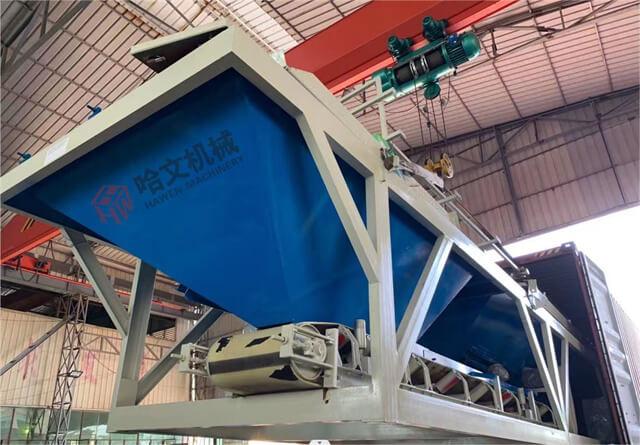
Material flow and machine rhythm
Conveyor tracking is connected to the whole plant rhythm. If the cement silo, screw conveyor, aggregate bins, mixer, and machine hopper are not matched, operators may overfeed one section and starve another. This creates repeated starts, stops, and material surges. A steady feed is easier on the belt and better for product quality.
For plants using a planetary concrete mixer or twin-shaft concrete mixer, the discharge route should be short, clean, and easy to inspect. Material should not fall from an excessive height or hit one side of a transfer belt. Every transfer point should guide material cleanly into the center.
Pallet movement also affects the line rhythm. An automatic pallet provider helps keep the forming section ready, while an offline palletizing system helps reduce downstream interruption after curing. When upstream and downstream timing is stable, belts do not face sudden feeding surges as often.

Maintenance checklist
Use a simple weekly checklist. Inspect belt edge wear, roller buildup, pulley lagging, splice condition, frame bolts, chute liners, scraper condition, and material leakage. Remove hardened concrete immediately. Check whether return rollers spin freely. Listen for bearing noise and inspect belts after any overload event.
Operators should also record the side where the belt drifts. If the same side repeats, the cause is usually structural, loading-related, or caused by a fixed buildup point. If the side changes randomly, the cause may be variable material moisture, inconsistent loading, or loose components.
Hawen Machinery approach
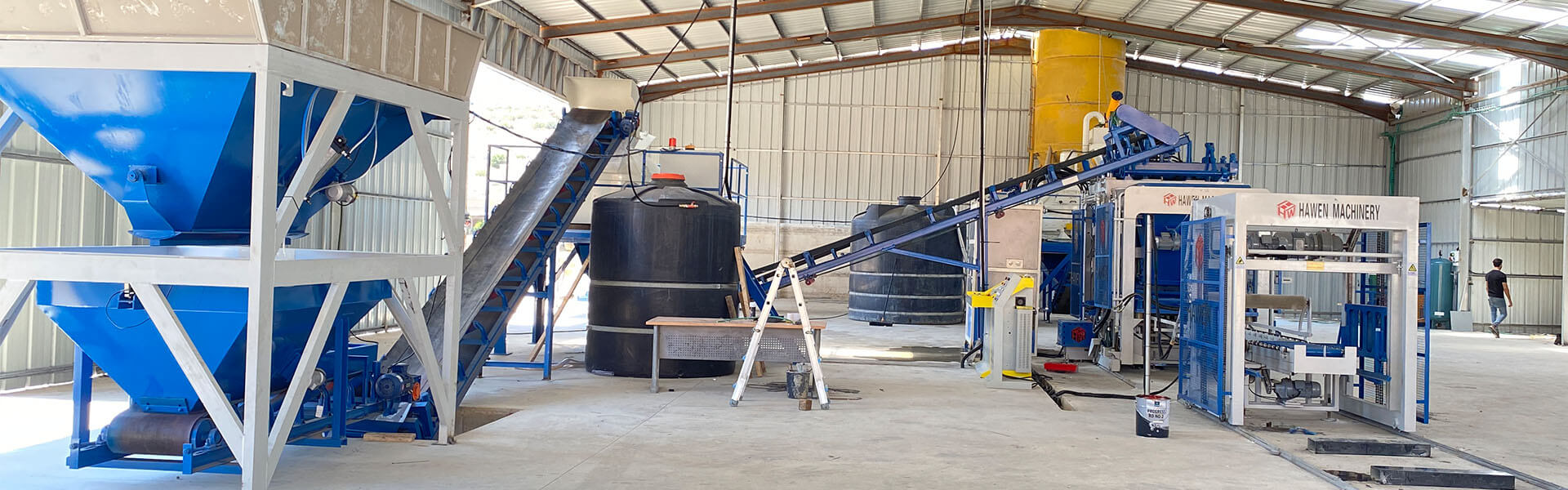
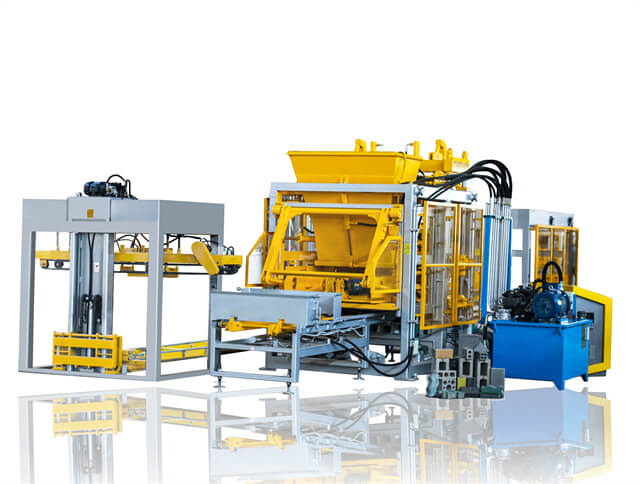
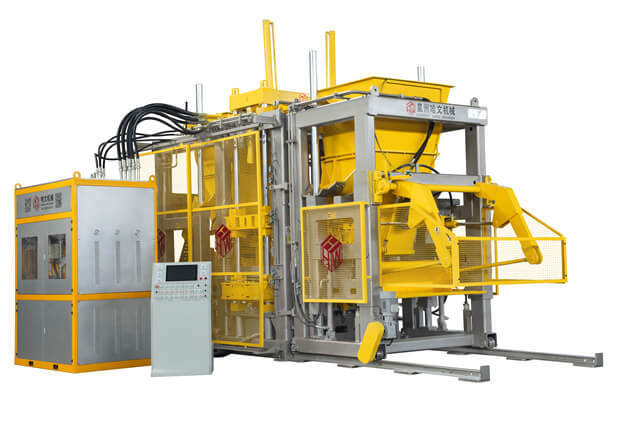
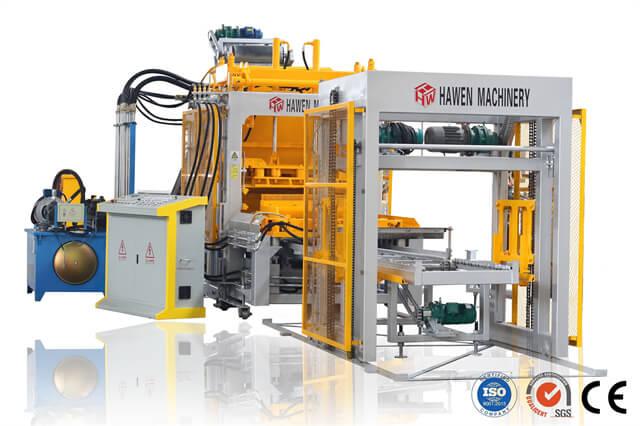
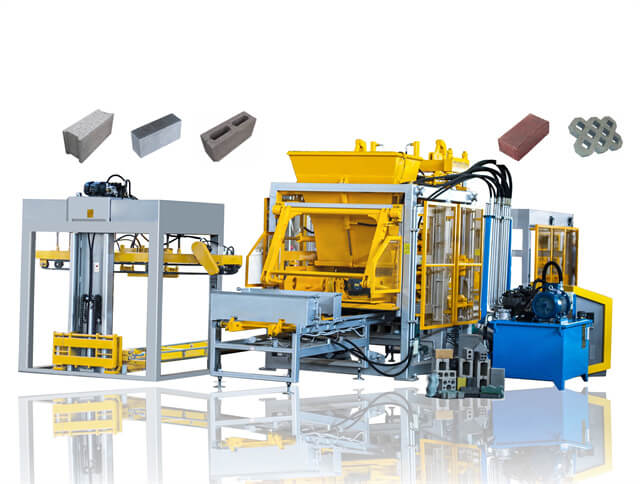
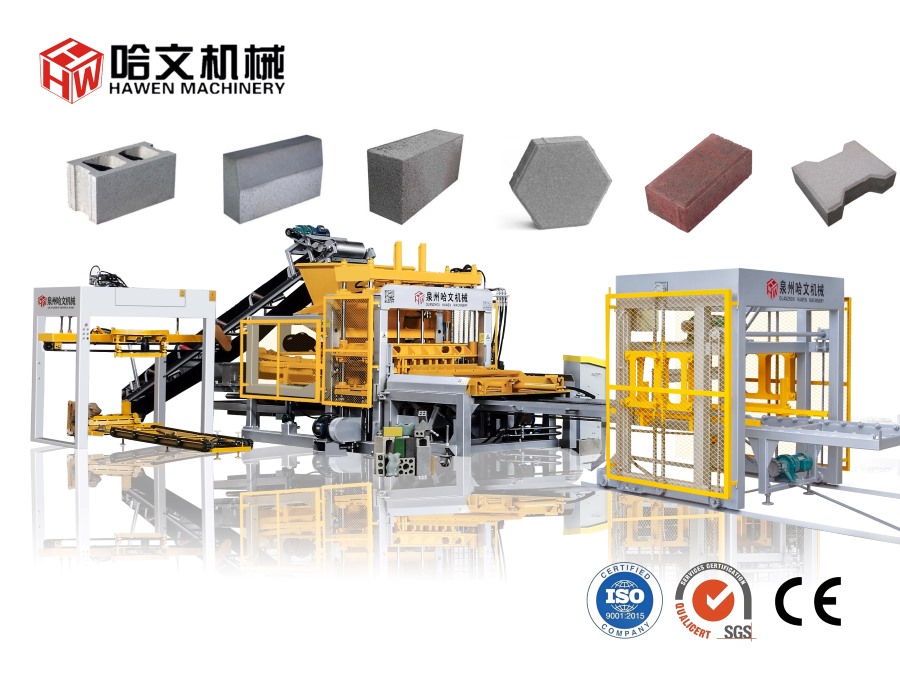
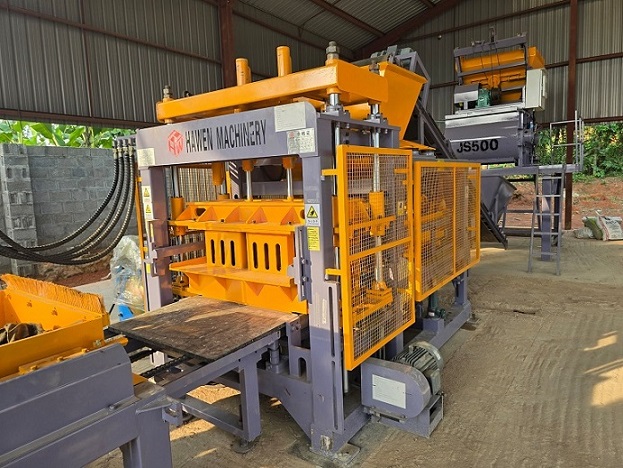
Hawen Machinery designs block machine plants as complete systems. Material transfer, batching, mixing, forming, pallet feeding, curing, and palletizing are reviewed together. The goal is to help the conveyor deliver material consistently, so the brick making machine can run without unnecessary waiting or cleaning stops.
The SIEMENS S7-200 PLC with touch panel and remote monitoring capability helps track machine status and review operating parameters. In the forming section, Hawen adopts a four-shaft vibration box with eccentric blocks outside the housing, supporting uniform compaction after the material reaches the mold. Conveyor reliability is therefore not isolated; it is the first steady step toward stable block quality.
When belt tracking is controlled, the factory becomes cleaner, safer, and more predictable. Material moves where it should, operators spend less time correcting avoidable faults, and the block machine can focus on the work that creates value: forming consistent products board after board.
FAQ
Why does my conveyor belt run to one side only when loaded?
The loading point is likely off center, or material buildup is changing the belt contact surface. Check the chute and aggregate gate first.
Should I tighten the belt to fix tracking?
Only after checking loading, rollers, pulleys, and frame alignment. Over-tightening can damage bearings and belt splices.
How often should conveyor rollers be cleaned?
Cleaning frequency depends on material moisture and dust. In block plants, rollers should be inspected daily and cleaned before buildup hardens.
Can belt tracking affect block quality?
Yes. Poor tracking can interrupt material flow, create inconsistent feeding, and make the block machine run below its stable rhythm.
What should be checked after replacing a belt?
Check pulley alignment, roller position, tension, splice direction, chute centering, and empty running before full production.
Can Hawen Machinery help design the transfer route?
Yes. Hawen can review the batching, mixing, conveyor, hopper, and machine layout to reduce material spillage and tracking problems.




 Tel: +86-13905968794
 Email: export@hwmachines.com
 MP/WhatsApp: +86-13905968794
 Manufacturer Address:Nanan,Quanzhou City,Fujian Province,China