Why Is Proper Curing So Important for Concrete Blocks and Pavers?Why Is Proper Curing So Important for Concrete Blocks and Pavers?
Many block manufacturers focus heavily on machine quality, raw materials and mould design, but often underestimate one critical factor: curing.
Even perfectly produced concrete blocks and pavers can suffer from low strength, surface cracks, color inconsistency and poor durability if curing is not properly controlled.
In fact, curing is one of the most important processes in concrete product manufacturing because it directly affects the hydration reaction of cement and determines the final quality of the products.
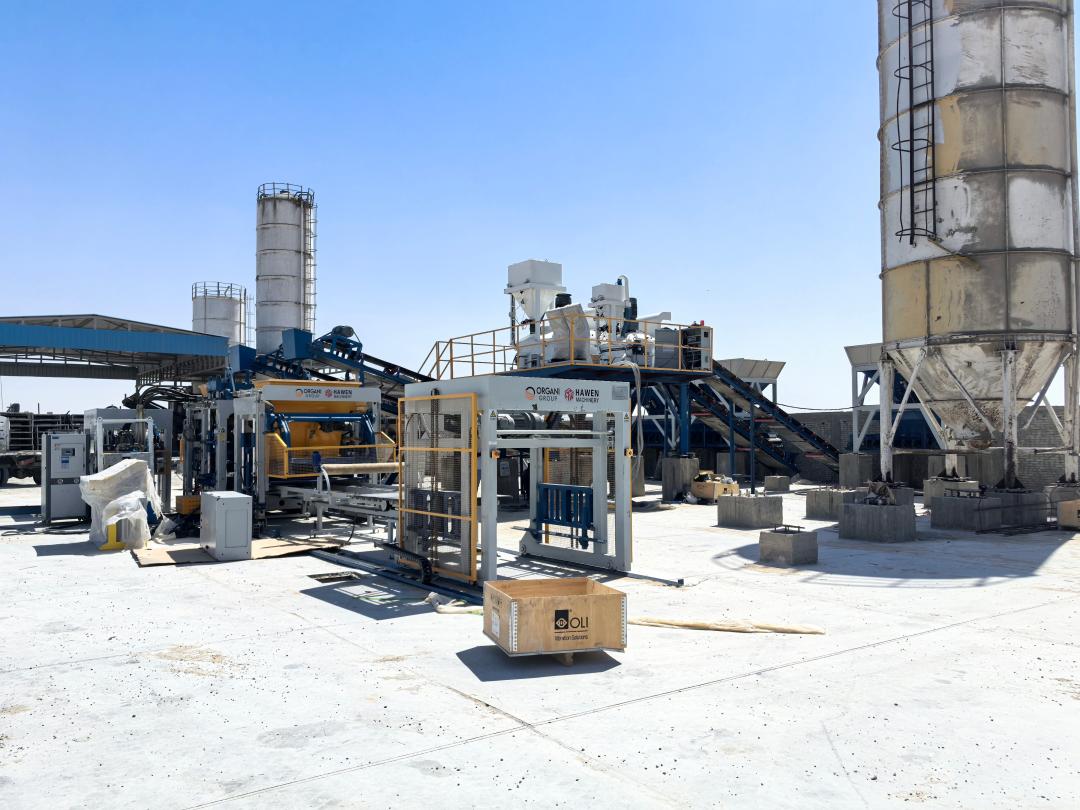
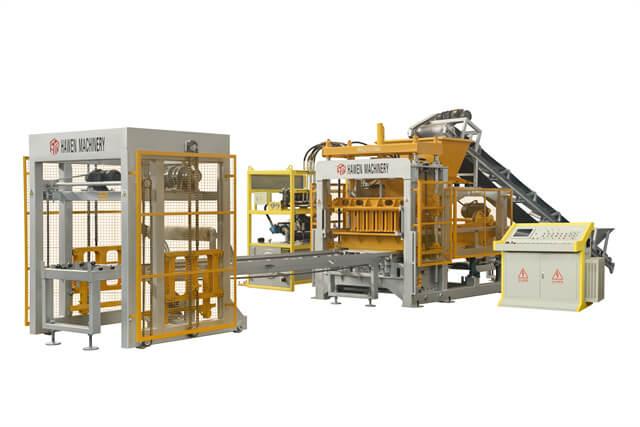
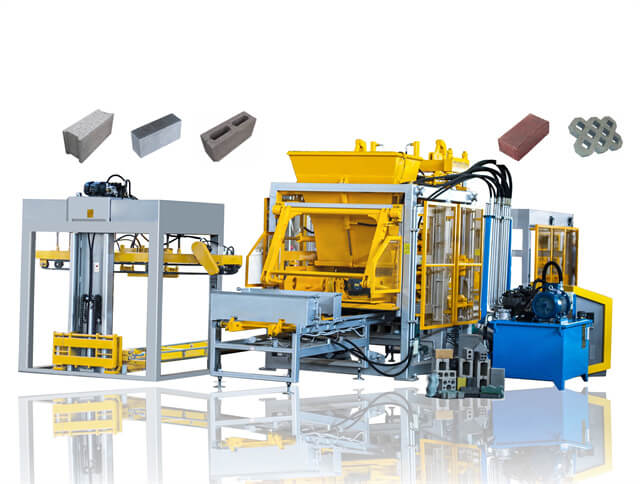
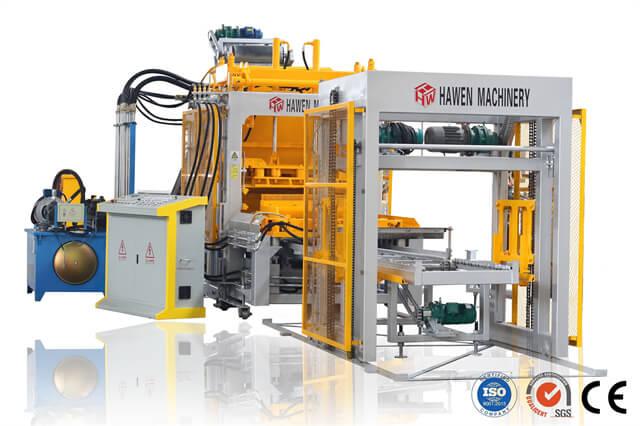
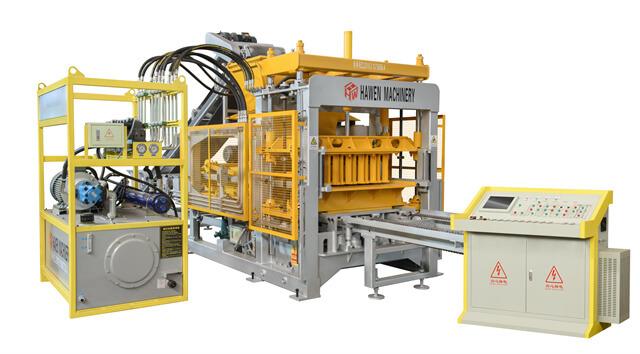
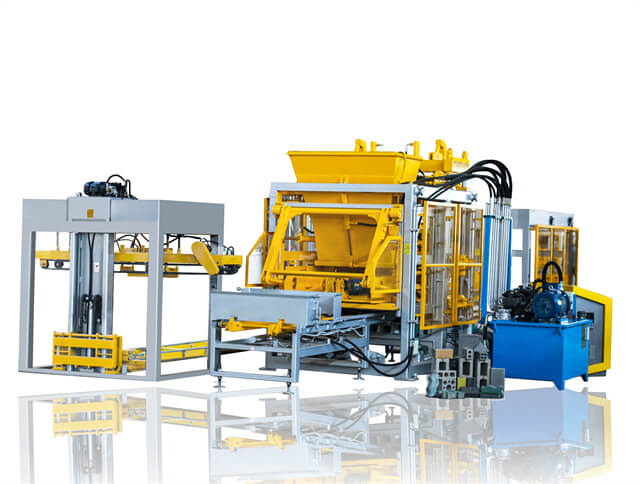
HAWEN QT12 automatic concrete block production line for manufacturing hollow blocks and paving stones.
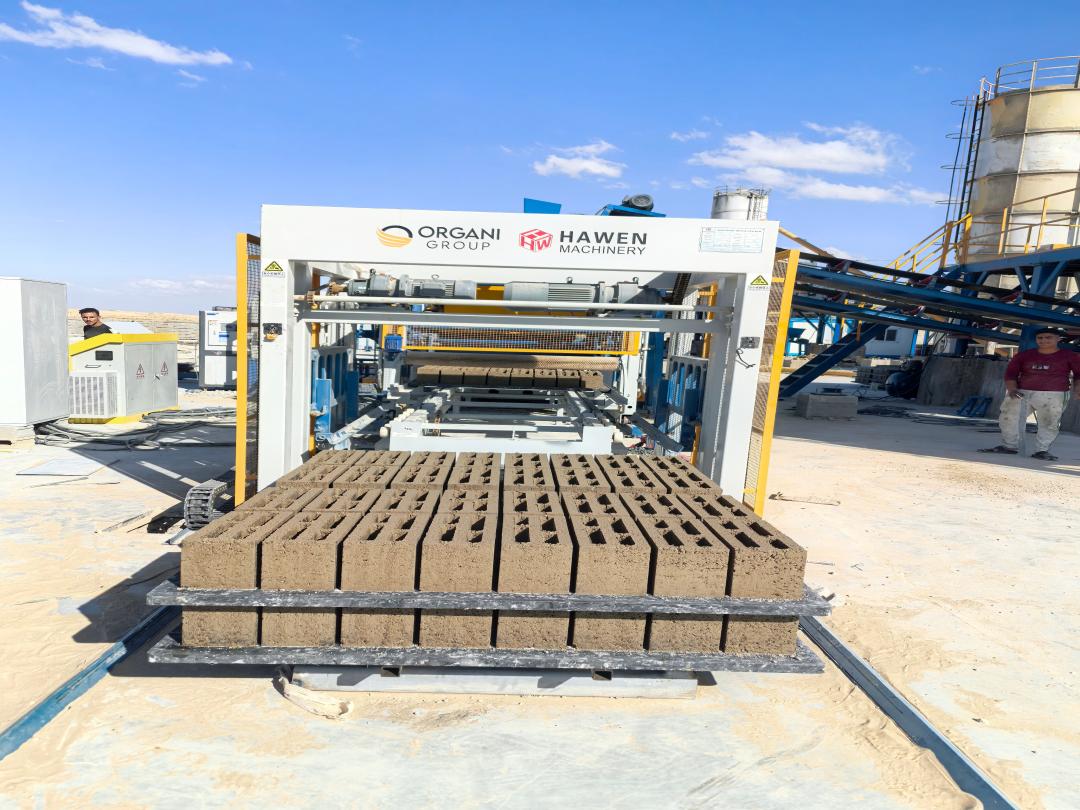
What Is Concrete Curing?
Concrete curing is the process of maintaining suitable moisture and temperature conditions after demoulding so that cement hydration can continue properly.
During hydration, cement reacts with water and gradually develops strength. If water evaporates too quickly, hydration stops prematurely and the concrete products cannot achieve their designed performance.
Therefore, curing is not simply "waiting for blocks to dry." It is actually a critical chemical process that determines the final quality of concrete products.
Why Is Proper Curing So Important?
1. Increases Compressive Strength
Proper curing significantly improves compressive strength.
Well-cured concrete blocks can achieve much higher strength than products exposed to premature drying.
2. Reduces Surface Cracking
Rapid moisture loss often causes shrinkage cracks.
Maintaining adequate moisture helps reduce internal stresses and prevents cracking.
3. Improves Durability
Proper curing reduces permeability and improves resistance to freeze-thaw cycles, abrasion and chemical attack.
4. Produces Better Appearance
Good curing conditions help maintain uniform color and smoother surfaces.
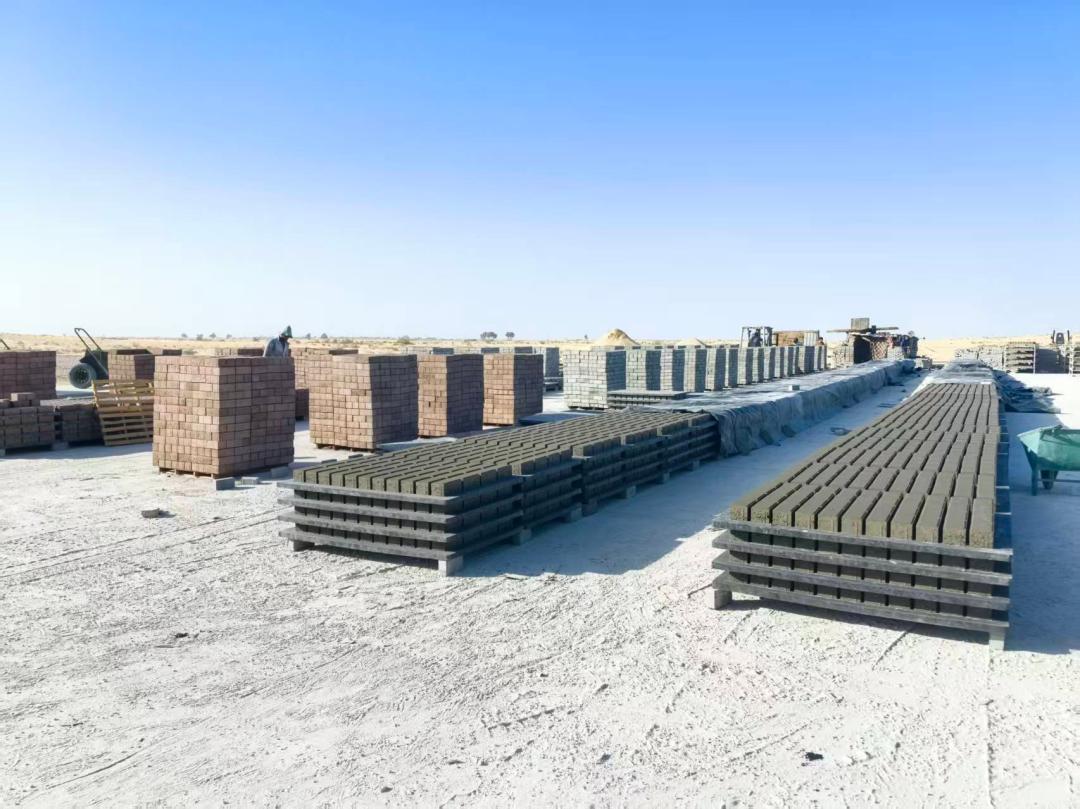
Proper curing helps concrete hollow blocks achieve higher strength and better appearance.
Problems Caused by Insufficient Curing
Poor curing may result in several quality defects:
- Low compressive strength
- Surface cracking
- Corner damage and chipping
- Color inconsistency
- Poor abrasion resistance
- Higher water absorption
- Reduced service life
Many quality complaints from customers are actually related to improper curing rather than machine problems.
| Insufficient Curing Problem | Possible Result |
|---|
| Rapid drying | Surface cracking |
| Short curing time | Low strength |
| Uneven curing | Color differences |
| Premature loading | Broken blocks |
Common Curing Methods
Natural Curing
Blocks are stored under shaded conditions and periodically sprayed with water.
This method is economical but requires more curing time.
Steam Curing
Steam curing accelerates cement hydration and shortens production cycles.
Many large automatic block plants use steam curing systems to increase productivity.
Water Spraying Curing
Maintaining moisture through water spraying is one of the most common methods for concrete products.
How Long Should Concrete Blocks Be Cured?
Although blocks can usually be handled after one or two days, full strength development requires much longer.
| Curing Time | Strength Development |
|---|
| 1 Day | Initial strength |
| 3 Days | Approximately 40-50% |
| 7 Days | Approximately 70% |
| 28 Days | Design strength achieved |
Best Curing Practices for Block Factories
Modern block factories should establish standardized curing procedures.
- Maintain suitable humidity levels
- Avoid direct sunlight during early curing
- Prevent rapid moisture evaporation
- Control curing temperature
- Allow sufficient curing time before shipment
- Use automatic curing chambers when production capacity is high
Proper curing management can significantly reduce rejection rates and improve customer satisfaction.
Conclusion
Curing is one of the most important stages in concrete block and paver manufacturing.
Even the best automatic concrete block machine cannot produce high-quality products if curing conditions are poor.
By maintaining proper moisture, temperature and curing time, manufacturers can significantly improve product strength, appearance and durability.
FAQ
Why do concrete blocks crack after production?
One of the main reasons is rapid moisture loss caused by insufficient curing.
How long should hollow blocks be cured?
Although blocks can be handled earlier, full strength usually develops after approximately 28 days.
Is steam curing better than natural curing?
Steam curing can accelerate production but requires proper temperature control.
Does curing affect paver color?
Yes. Uneven curing conditions can cause color inconsistency on paving stones.
Can poor curing reduce block strength?
Absolutely. Improper curing may significantly reduce compressive strength and service life.





 Tel: +86-13905968794
 Email: export@hwmachines.com
 MP/WhatsApp: +86-13905968794
 Manufacturer Address:Nanan,Quanzhou City,Fujian Province,China