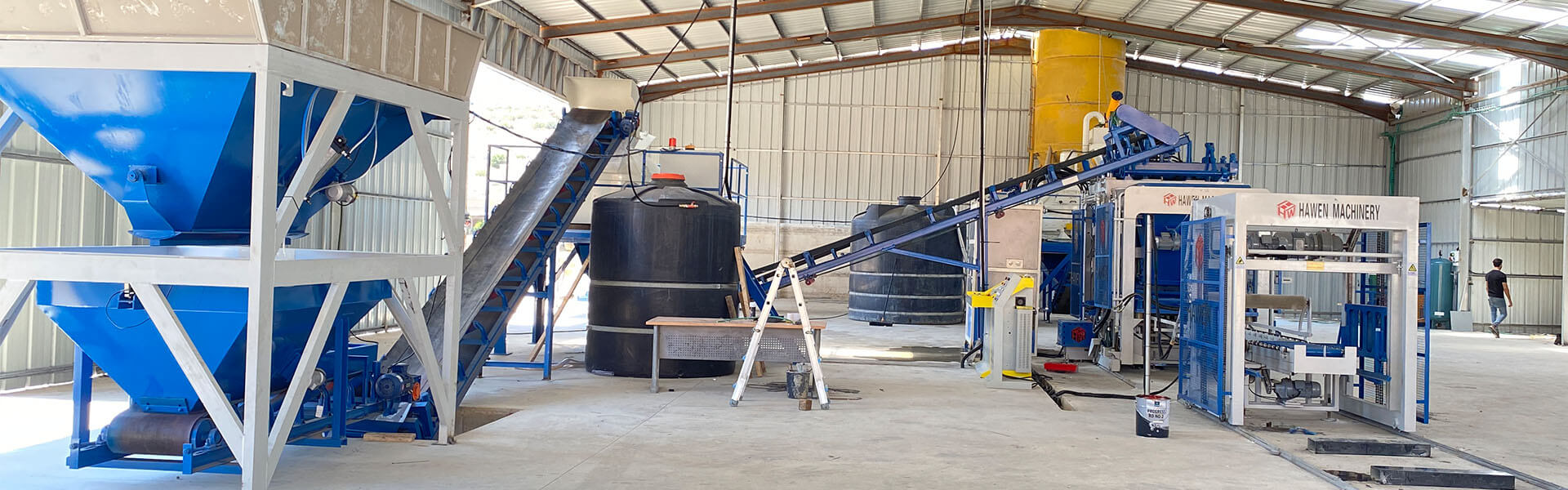
In concrete block production, cement is usually a small percentage of the total material weight compared with aggregates, but it has a large influence on strength, corol chain that connects the cement silo, screw conveyor, weighing system, mixer, forming machine, vibration, pressing, and curing process.
Many factories focus first on the mould, hydraulic system, or vibration system when blocks show weak corners, inconsistent color, or low compressive strength. Those areas are important, but the powder feeding section should also be checked. If cement enters the weighing hopper irregularly, if the screw conveyor feeds too fast near the final weight, or if moisture inside the silo causes bridging, the mixer may receive a different cement quantity from batch to batch. Even a good block making machine cannot fully correct unstable raw material proportion.
The practical angle of this article is simple: the cement silo and screw conveyor must provide continuous, controllable, and measurable powder flow. The system should store cement safely, discharge it without bridging, deliver it at a suitable rate, stop accurately near the target weight, and protect the powder from moisture contamination. When this section is stable, the mixer can produce more uniform concrete, and the forming machine has a better chance of making blocks with consistent density and strength.
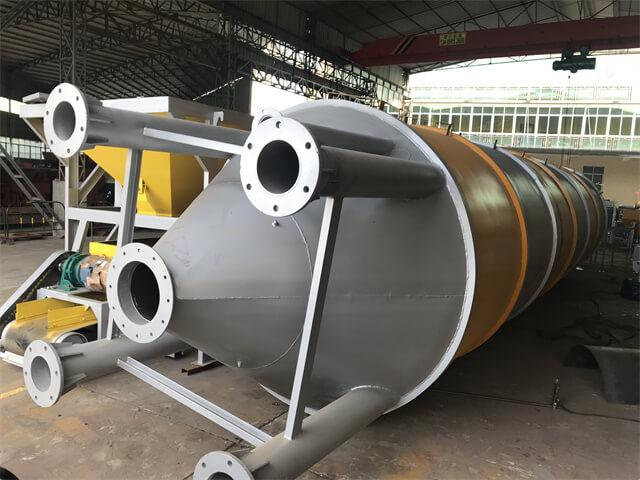
Cement feeding stability in block production
Cement feeding stability means that the same target cement weight can be delivered repeatedly, with limited overshoot, limited delay, and minimal interruption. In a block plant, cement is usually stored in a silo and discharged through a screw conveyor into a weighing hopper or mixer-related dosing system. The weighing control then determines when enough powder has been delivered.
The challenge is that cement is not a liquid. It is a fine powder that can compact, bridge, absorb moisture, cling to surfaces, and flow differently depending on storage time and aeration condition. If the flow becomes irregular, the weighing system may wait too long, receive a sudden surge, or stop after the target has already been exceeded. The visible machine may still cycle normally, but the actual mix proportion may drift.
For dry-cast concrete blocks, this matters because the mix has low moisture and limited self-leveling ability. Cement paste must coat aggregates evenly during mixing. If one batch has slightly less cement, green blocks may appear loose or weak at the corners. If another batch has excessive cement, the surface may become sticky, color may shift, cost increases, and the optimum moisture setting may change.
How the cement silo and screw conveyor work together
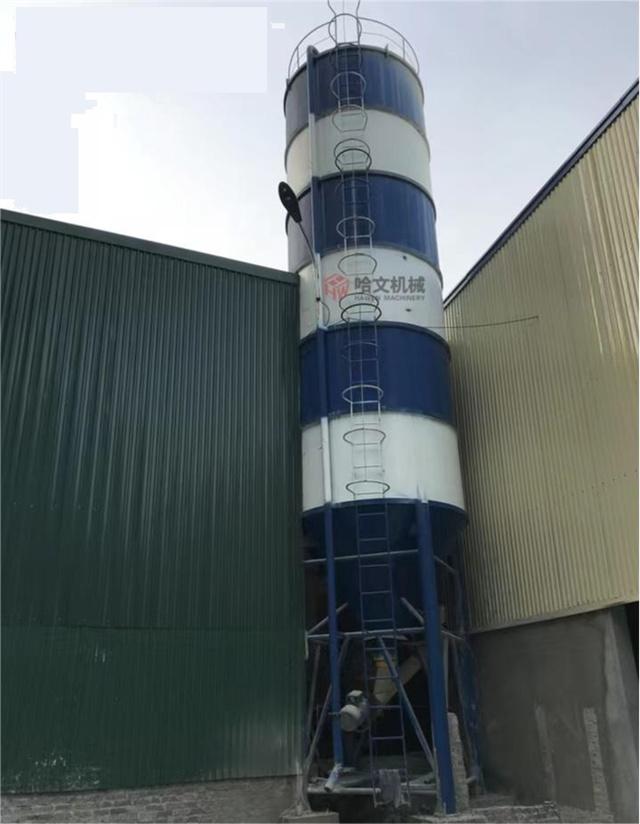
The cement silo stores bulk cement, fly ash, lime, or similar powder materials. Its basic parts may include the silo body, support legs, filling pipe, pressure safety device, dust collector, level indicator, discharge cone, butterfly valve, and aeration or vibration assistance depending on configuration. The silo must keep powder dry while allowing controlled discharge.
The screw conveyor is the transfer device between the silo and the weighing or mixing section. Inside the tube, a rotating helical blade pushes cement forward. The feed rate depends on screw diameter, pitch, rotation speed, incline angle, powder condition, inlet opening, and motor power. In many plants, the screw conveyor is started and stopped by the batching control system. Some systems also use variable speed control to improve dosing accuracy.
The silo and screw conveyor should be treated as one system. A good screw conveyor cannot perform well if the silo outlet is blocked. A good silo cannot guarantee accuracy if the screw conveyor is too large, too steep, poorly sealed, or slow to stop. The best result comes from matching silo discharge behavior, screw conveyor capacity, weighing response, and mixer batch size.
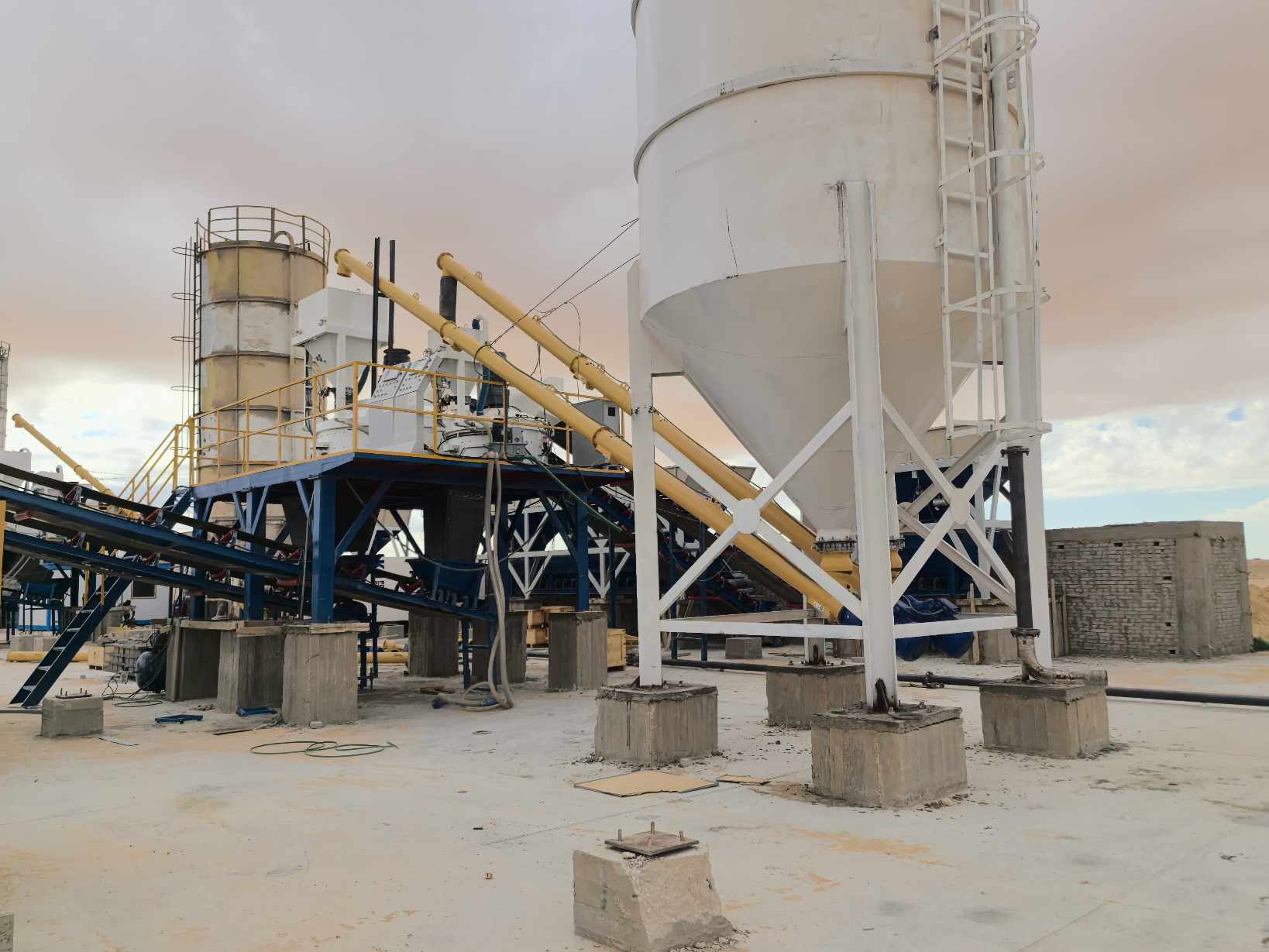
Why unstable cement flow changes block quality
Unstable cement flow changes the cement-to-aggregate ratio. This ratio is one of the core variables behind block strength. If cement is under-dosed, the mix may not develop enough paste to bind aggregates. The blocks may show low early strength, edge breakage, higher absorption, or poor resistance after curing. Operators may increase vibration or pressure, but compaction cannot replace missing binder.
If cement is over-dosed, quality does not automatically improve. Too much cement can make the mix sticky, increase cost, change color, increase shrinkage tendency, and require different water adjustment. In paver production, excessive powder can affect surface finish and make color differences more visible between batches. For plants using pigments, cement variation can make the same pigment dose appear lighter or darker.
Flow instability also affects mixing uniformity. A planetary concrete mixer can blend materials thoroughly when the ingredients arrive in a controlled way. If cement arrives in clumps or sudden surges, the mixer may need more time to distribute powder evenly. If the line keeps the same mixing time while feed behavior changes, some batches may leave the mixer less uniform than others.
Screw conveyor speed and dosing accuracy
Screw conveyor speed has a direct effect on dosing accuracy. A conveyor that feeds too slowly reduces production efficiency. A conveyor that feeds too quickly may overshoot the target weight because powder continues moving even after the stop command. The controller may stop the motor at the correct time, but material already inside the screw tube can still discharge briefly. This tailing effect becomes more serious when the screw is long, steep, or oversized.
Many batching systems use a two-stage feeding logic: fast feed first, then slow feed near the target weight. The fast stage saves time, while the slow stage improves final accuracy. This is where inverter control can be useful. A variable speed screw conveyor allows the system to reduce speed near the final set point instead of using only full-speed start and full stop. The result is smoother dosing and less weight overshoot.
Accuracy also depends on weighing response. If the weighing hopper signal is delayed, unstable, or affected by vibration, even a good screw conveyor may not stop accurately. A complete batching machine should therefore be evaluated by actual repeated weighing results, not only by motor power or silo size. Buyers should ask for batching accuracy under real powder feeding, not only aggregate weighing.
Moisture, bridging, and blockage risks
Moisture is one of the main enemies of cement storage. If humid air enters the silo, cement can absorb moisture, form lumps, and lose flowability. Small lumps may pass into the screw conveyor and create uneven feeding. Larger lumps may block the silo outlet, damage the screw, or enter the mixer as hard particles. In finished blocks, these particles can appear as weak spots, surface defects, or inconsistent color areas.
Bridging happens when powder forms an arch over the discharge outlet and stops flowing even though material remains inside the silo. The screw conveyor may run empty or receive material intermittently. Operators may hear the motor running and assume cement is feeding, while the weighing system waits or receives sudden flow after the bridge collapses. This can create long batching time and unstable dosing.
Blockage can also happen inside the screw conveyor. Causes include wet cement, wrong incline angle, worn screw blade, damaged bearing, poor sealing, or starting the screw under a compacted full load. A blocked screw conveyor may overload the motor, trip protection, or deliver powder irregularly after partial clearing. The problem should be solved mechanically, not hidden by increasing motor power without checking the cause.
Comparison table for feed problems
| Problem | Likely cause | Effect on block production |
|---|
| Cement weight overshoot | Screw conveyor speed too high, delayed weighing signal, or long powder tailing after stop. | Higher cement cost, sticky mix, color change, and moisture adjustment difficulty. |
| Cement under-dosing | Silo bridging, screw blockage, low motor speed, or inaccurate calibration. | Low strength, loose corners, higher absorption, and unstable green block quality. |
| Intermittent powder flow | Moist cement, poor silo discharge, outlet bridging, or worn screw blade. | Batch-to-batch variation and longer mixing time needed for uniformity. |
| Cement lumps in mix | Moisture entering silo, poor storage, damaged dust collector, or long storage time. | Surface defects, weak spots, and inconsistent color or texture. |
| Screw conveyor overload | Blocked tube, wet powder, wrong incline, bearing issue, or full-load restart. | Batching stoppage, unstable supply to mixer, and possible motor or gearbox damage. |
Buyer checkpoints for silo and screw system
Buyers should first match silo capacity with daily cement consumption and delivery method. A small silo may require frequent refilling and increase production interruption. An oversized silo may store cement too long if the factory has low daily output. The suitable size depends on block type, cement ratio, production hours, truck delivery volume, and whether fly ash or other powder is also stored.
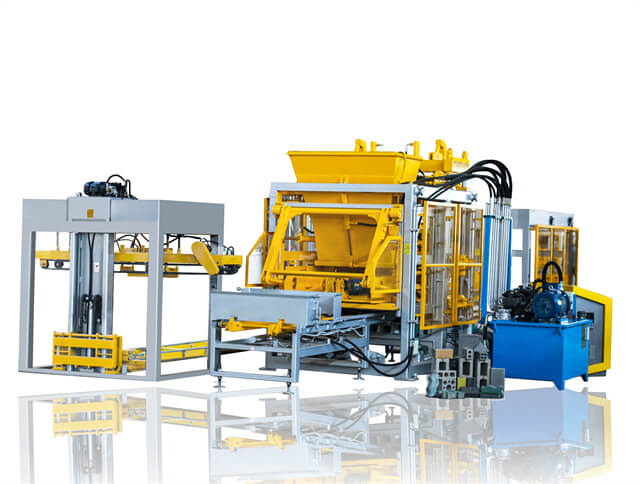
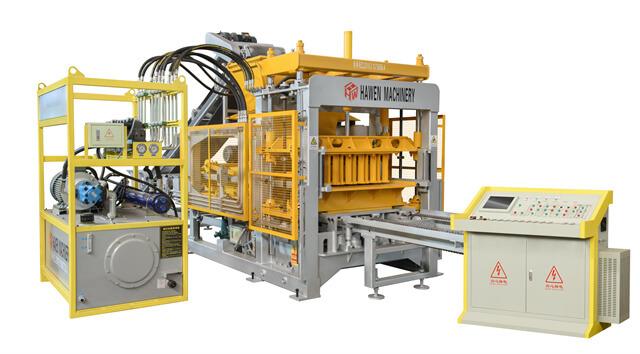
The screw conveyor should match mixer capacity and batching cycle. Ask the supplier for screw diameter, length, incline angle, motor power, gearbox type, sealing method, and expected feed rate. If the machine is a high-output line such as a QT15 automatic concrete paver block machine, the powder feeding system must keep up with the mixer and forming cycle without sacrificing accuracy.
Control logic should also be discussed. Buyers should ask whether cement feeding uses one speed or two-stage feeding, whether inverter control is available, how the weighing hopper is calibrated, and how the system handles slow feed near target weight. The supplier should be able to explain how overshoot is corrected and how operators can adjust parameters when changing cement type or batch size.
Dust collection and safety devices should not be ignored. A silo needs safe filling pressure control, dust filtering, level indication, and proper venting. A blocked dust collector may increase silo pressure during filling and allow moisture or dust problems to develop. The powder system is part of both production quality and workshop safety.
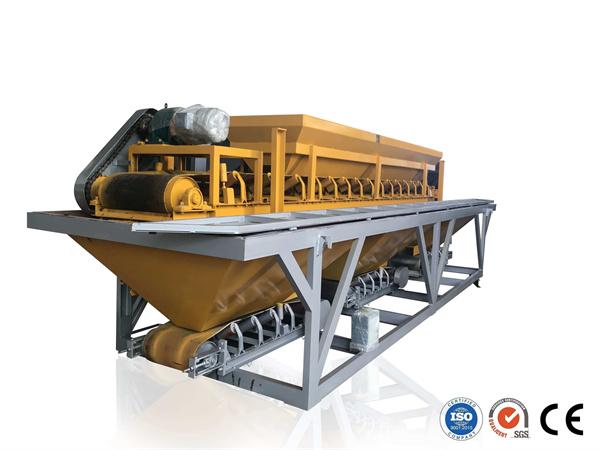
Maintenance and daily inspection
Daily inspection should begin with visible powder flow. Operators should notice whether cement feeding time is becoming longer, whether the screw conveyor sound changes, whether the weighing value rises smoothly, and whether the mixer receives powder evenly. A sudden change in feeding time is often an early sign of bridging, blockage, worn screw blades, or moisture inside the silo.
The silo top dust collector should be cleaned or maintained according to working conditions. If the filter is blocked, filling becomes difficult and pressure behavior changes. Level indicators should be checked because false high or low level signals can create unexpected production interruption. The discharge valve should open and close completely; a half-open valve can restrict flow and make the screw conveyor appear weak.
The screw conveyor needs regular checks for bearing noise, gearbox oil, seal leakage, motor current, abnormal heating, and remaining powder after shutdown. If wet cement is found inside the tube, the plant should identify the moisture source before restarting. Simply clearing the tube without solving the cause may lead to repeated blockage.
Calibration should be part of routine quality control. Weighing sensors can drift, and screw conveyor behavior can change as parts wear. Periodic calibration with known weights and repeated batch tests helps confirm whether cement dosing remains within acceptable tolerance. This routine should be connected with finished block tests, because compressive strength and color consistency often reveal powder feeding problems that are missed during visual machine inspection.
FAQ
Can cement feeding instability really reduce block strength?
Yes. If cement is under-dosed or mixed unevenly, the paste cannot bind aggregates properly. The result may be lower compressive strength, loose edges, higher water absorption, or unstable green block quality.
Why does the screw conveyor overshoot the target weight?
Overshoot usually happens when the screw feeds too fast near the final weight, when the weighing signal is delayed, or when powder continues discharging after the motor stop command. Two-stage feeding or inverter control can reduce this problem.
What causes cement bridging inside a silo?
Common causes include moisture, long storage time, poor aeration, compacted powder, unsuitable discharge cone design, or cement lumps. Bridging creates intermittent flow and can make the screw conveyor run without a stable powder supply.
Should the cement silo be checked if blocks have color variation?
Yes. Color variation may come from pigment, moisture, aggregates, curing, or mixing, but cement quantity and cement flow stability should also be checked. Different cement content can change the shade of pavers and face-mix products.
Conclusion
The cement silo and screw conveyor affect block quality because they control the powder supply before mixing and forming. Stable cement feeding supports accurate batching, uniform mixing, reliable strength, and consistent color. Unstable flow, moisture, bridging, blockage, or screw conveyor overshoot can create defects that may be wrongly blamed on the mould, vibration system, or curing process.
For buyers and plant managers, the next step is to evaluate the powder feeding system as carefully as the main machine. Check silo capacity, moisture protection, dust collection, screw conveyor size, feed rate, weighing accuracy, inverter or two-stage feeding control, and maintenance access. When the cement silo, screw conveyor, batching machine, mixer, and block machine are matched correctly, the production line has a stronger foundation for stable block strength and repeatable daily output.





 Tel: +86-13905968794
 Email: export@hwmachines.com
 MP/WhatsApp: +86-13905968794
 Manufacturer Address:Nanan,Quanzhou City,Fujian Province,China