Raw material storage is one of the most underestimated parts of a concrete block machine plant. Buyers often focus on the main block machine, mixer, mold, or automation level, but daily production depends heavily on how sand, aggregate, cement, fly ash, stone powder, water, admixtures, and pallets are stored and moved. A good storage plan keeps materials dry enough, clean enough, accessible enough, and consistent enough for stable batching.
This guide explains how to plan raw material storage for a block making machine plant. It covers aggregate bins, cement silos, fly ash handling, moisture control, batching routes, mixer feeding, forklift access, pallet flow, and quality checks. The goal is practical: reduce delays, protect product quality, avoid waste, and help the brick machine run at a steady rhythm.
Storage Planning Starts Before Equipment Installation
A concrete block machine can only produce consistent blocks when the material entering the mixer is consistent. If sand moisture changes every few hours, if aggregate piles mix together, if cement feeding is irregular, or if the loader route crosses finished-product traffic, the factory will lose stability before material even reaches the mold.
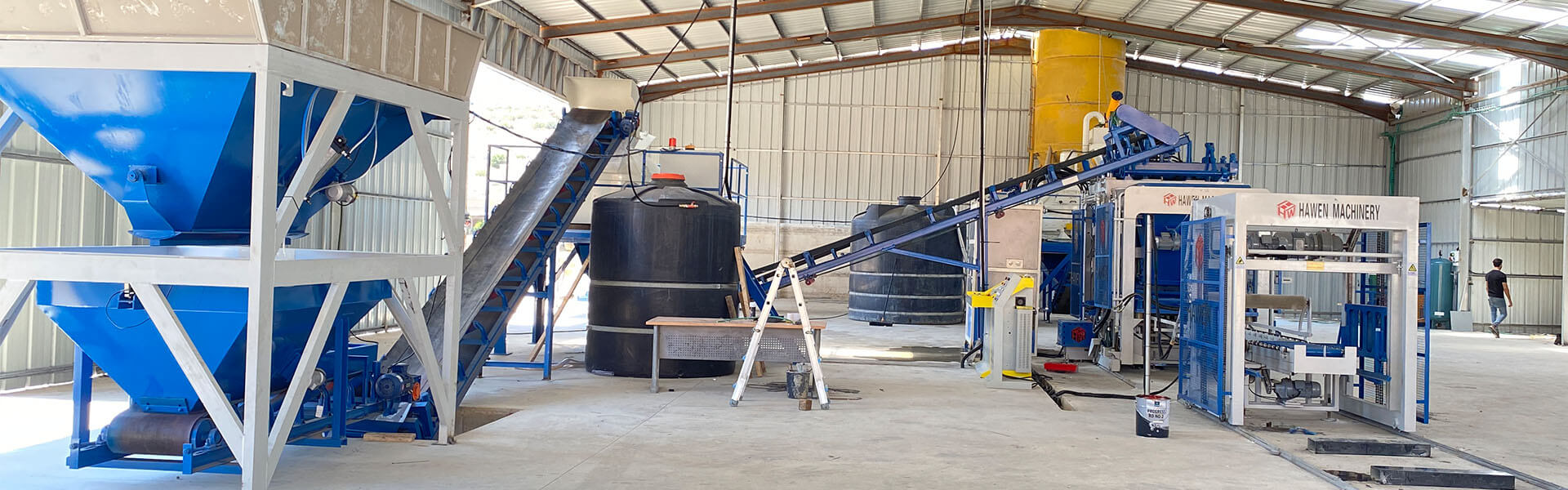
Storage planning should therefore be part of the plant design, not an afterthought. The buyer should plan where trucks unload, where each material is stored, how the loader feeds the batching section, where cement is delivered, how water is controlled, and how pallets return. A solid cement block machine or paver line may look efficient on paper, but poor material flow can reduce its real output.
Planning note: A block plant layout should separate raw-material traffic, wet-product movement, curing flow, and finished-product loading. When these routes overlap too much, production becomes slower and less predictable.
Aggregate yard layout and separation
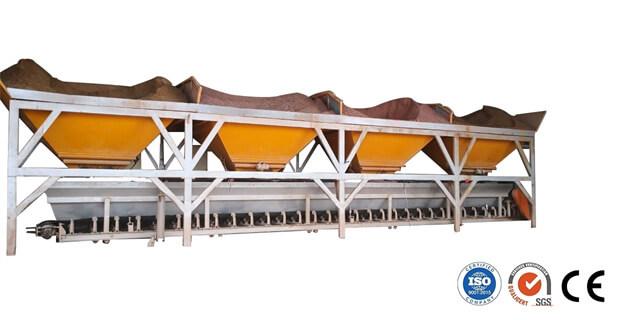
Aggregate storage should prevent contamination and accidental mixing. Sand, stone chips, crushed aggregate, stone powder, fly ash, slag, and recycled material should not be stored in one open pile. If different materials mix together, the factory may see changing block weight, rough surfaces, low green strength, color variation, or height inconsistency.
Use separated bays, clear labels, and enough turning space for loaders. The loader should feed the batching section without carrying mud, standing water, or unrelated material into the bin. If local rain is frequent, the aggregate yard should include drainage and practical cover for moisture-sensitive materials.
For factories producing pavers or kerbstones, aggregate consistency is especially important. These products are more visible than ordinary wall blocks, so surface texture and edge quality are more likely to be judged by customers. A stable material yard helps the brick making machine produce repeatable results.
Moisture control for sand and fine materials
Sand moisture can change quickly after rain, sun exposure, or truck delivery. If the plant does not monitor moisture, the operator may add the same amount of water to very different batches. One batch may become sticky and hard to demould. Another batch may be too dry and difficult to compact.
Moisture control does not always require complicated equipment at the start. The factory can begin with covered storage, drainage, consistent pile management, and routine moisture checks. The important point is discipline. The water in the sand is already part of the mix, whether the operator counts it or not.
Operator observation: If the block machine produces good blocks in the morning and weak or sticky blocks after a new sand delivery, check the raw material before adjusting hydraulic pressure or adding cement.
Powder Storage and Feeding Reliability
Cement silo and powder storage
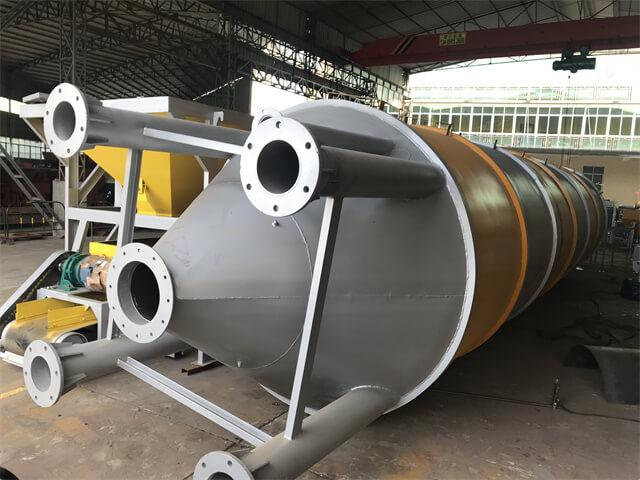
Cement and other powders must stay dry, flowable, and protected from contamination. Poor powder storage can cause blocked discharge, inconsistent batch weight, dust problems, and strength variation. A cement silo should be planned with truck access, foundation position, discharge route, filter maintenance, level checking, and screw conveyor alignment.
A reliable cement silo in block making supports stable feeding into the batching and mixing system. The silo should not be placed only where it looks convenient. It should be placed where cement trucks can unload safely and where the screw conveyor can feed the mixer or weighing system without creating unnecessary bends or difficult maintenance points.
When factories use fly ash, slag, or other fine powder materials, separate storage may be needed. Powder materials should be clearly identified so that the operator does not confuse cement with supplementary materials. Wrong material feeding can create serious product-quality problems.
Batching route and mixer feeding
The batching route connects storage with production. If the batching section is too far from the material yard, loader travel becomes slow. If the path is too narrow, trucks and loaders interrupt each other. If the bins are too small for the planned output, the operator must refill constantly and the block making machine may wait for material.
A good material route supports steady feeding into the mixer. A suitable concrete mixer should receive material at the right rhythm, not wait for unstable or delayed batches. For products with demanding surface quality, a planetary concrete mixer can support uniform mixing. For higher output, a twin-shaft concrete mixer may be selected according to the plant layout and batch demand.
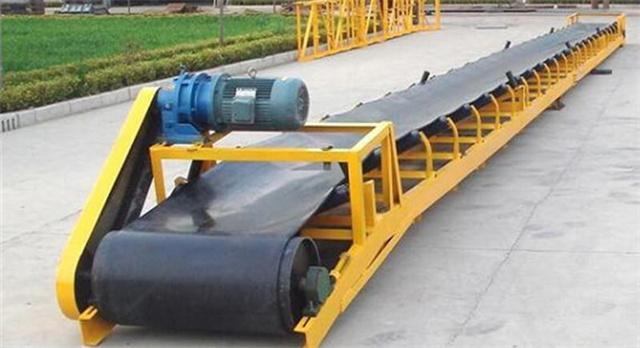
Conveyors, hoppers, and discharge gates should be easy to inspect. If a conveyor spills material or a gate does not close cleanly, the recipe may drift. In a concrete block plant, small material losses can become product variation over a full shift.
Material Choices and Product Mix
Fly ash slag and recycled materials
Fly ash, slag, stone powder, and recycled aggregate can be useful in block production when they are controlled properly. The problem is not the material name. The problem is consistency. If a recycled material changes every load, or if fly ash moisture and fineness vary greatly, the factory must adjust the recipe more carefully.
A fly ash brick paver making machine can be part of a practical production system, but the storage plan must protect the material from contamination and uncontrolled moisture. Buyers should ask how the material will be delivered, stored, weighed, mixed, and tested before assuming it can replace part of the standard recipe.
For recycled materials, keep separate piles by source and size. Do not mix new aggregate and recycled aggregate casually. If the material has dust, clay, old mortar, or inconsistent particles, it may increase water demand and reduce product repeatability.
Storage planning for different products
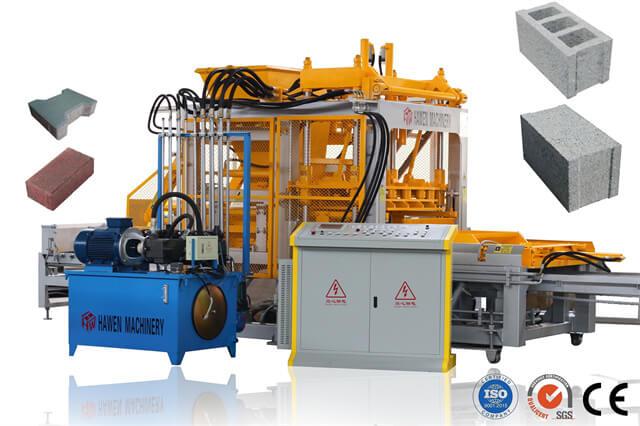
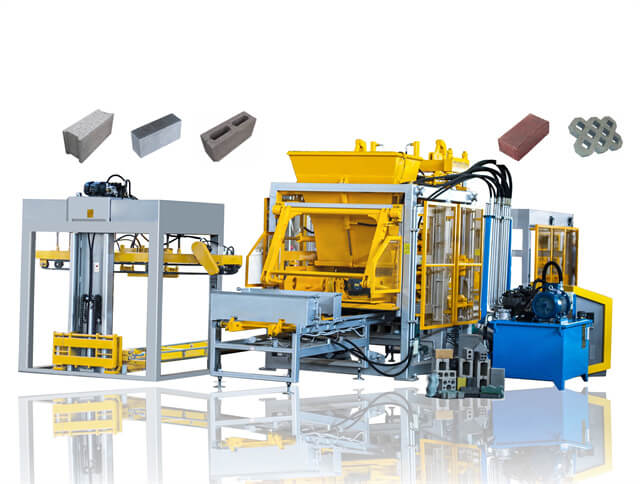
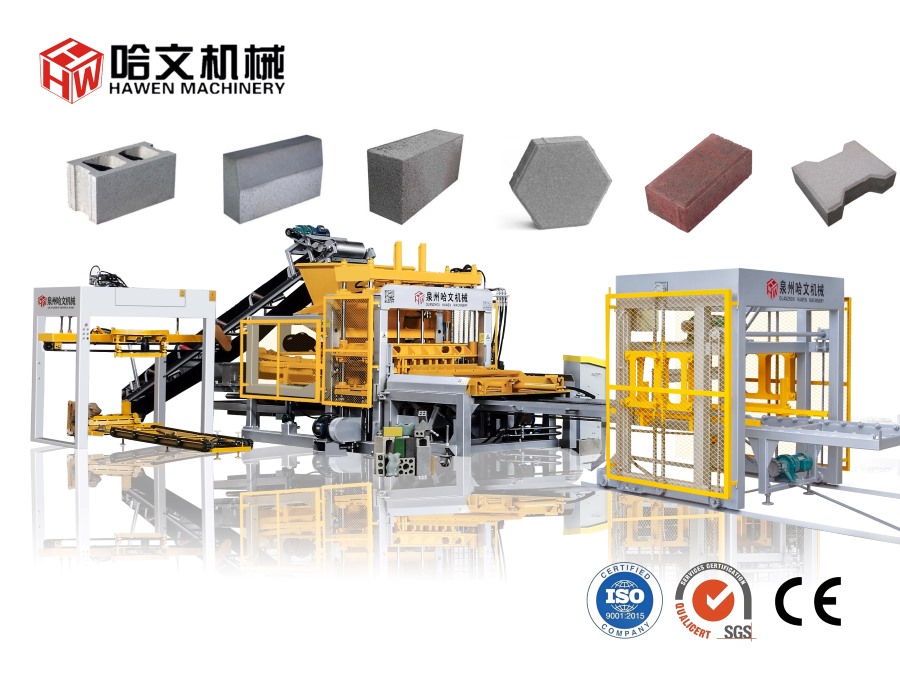
Different products place different demands on raw materials. Hollow blocks may tolerate a different surface requirement from decorative pavers. Kerbstones need stable compaction and edge strength. Solid bricks may need consistent density and demoulding behavior. The storage system should support the product mix, not only the lowest-cost material supply.
If the factory produces pavers, color consistency and surface texture become more important. If it produces kerbstones, aggregate grading and pallet support matter because the units are heavier. If it produces hollow blocks, stable moisture and cavity filling help maintain web thickness and height.
Mold selection also connects to material planning. A hollow block mould, concrete block mould, or interlocking paver mould should be matched with the material recipe and product drawing. HAWEN Machinery designs molds compatible with major brands including Masa, Hess, Zenith, Poyatos, Besser, Tiger, Columbia, Quadra, and Omag. These molds follow original specifications for fit and smooth operation, and heat-treated wear parts are checked at HRC 59-61.
Equipment Matching and Factory Flow
Equipment matching and automation
Storage planning should match the automation level. A small plant can work with simple storage bays and loader feeding if the routes are clear and the batch rhythm is realistic. A larger automatic line needs stronger coordination among aggregate storage, cement silo, batching, mixing, forming, pallet supply, curing, and downstream handling.
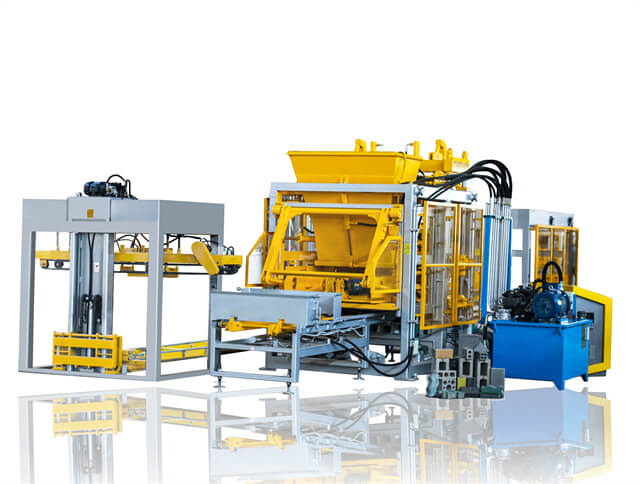
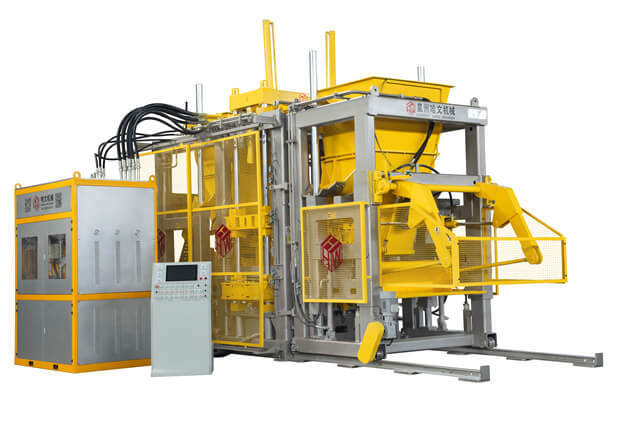
HAWEN Machinery uses a four-shaft vibration box design with eccentric blocks positioned outside the housing. This reduces resistance during vibration, supports uniform compaction, and helps lower cement consumption while improving efficiency. But even a strong vibration system needs stable material. Inconsistent feeding can make the vibration system work harder without producing consistent blocks.
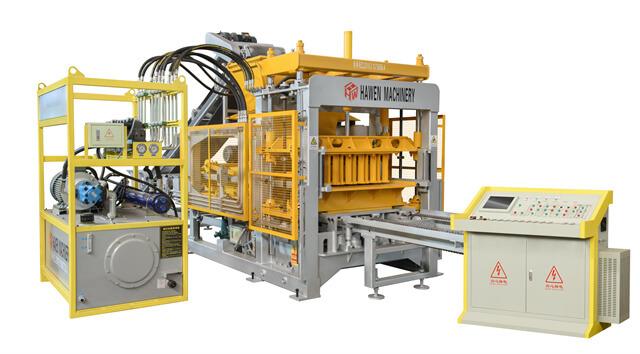
The hydraulic station of HAWEN block machines uses Japanese YUKEN proportional and directional valves together with an American ALBERT hydraulic pump. This supports precise movement and stable load response during pressing and demoulding. A well-planned material system helps the hydraulic and vibration systems operate within a stable production rhythm.
HAWEN also integrates a Siemens S7-200 PLC with a touch panel and remote monitoring capability. The operating status of the brick machine can be reviewed in real time, and parameters can be optimized remotely when needed. For raw material control, this makes it easier to connect recipe behavior with production results.
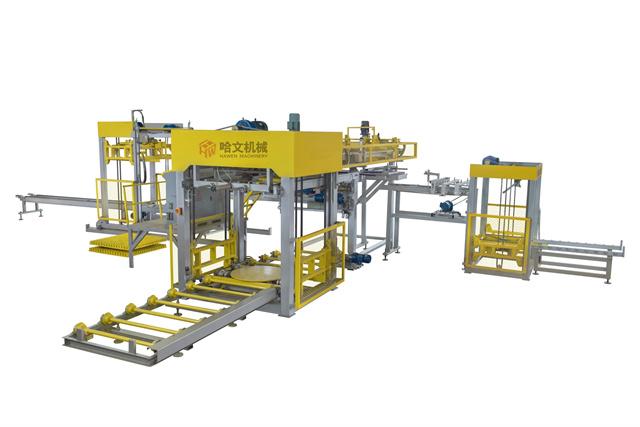
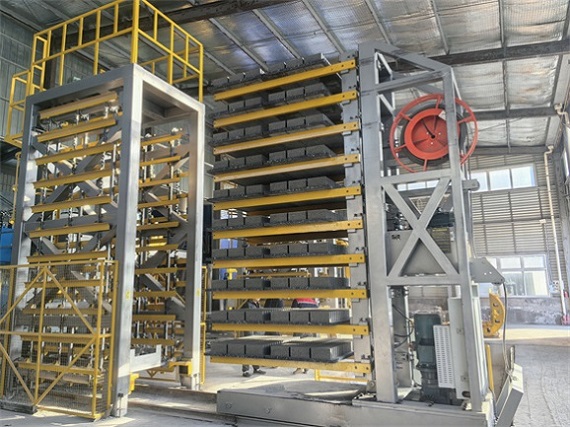
A stable GMT pallet and an automatic pallet provider support the downstream side of the production rhythm. If material arrives on time but empty pallets do not return, the machine still stops. Plant flow is a chain, not a group of separate machines.
Factory checklist before installation
Before equipment installation, review the raw material plan with the same seriousness as the machine order. Confirm truck unloading positions, aggregate bay sizes, cement silo foundation, loader route, batching machine location, mixer feeding route, water supply, drainage, pallet circulation, and finished-product loading path.
Do not design the yard only for the first production day. Design it for rainy weather, busy truck delivery, material shortage, shift change, maintenance access, and future product expansion. A good layout gives the factory room to solve problems without stopping the whole line.
| Planning item | Question to answer | Risk if ignored |
|---|
| Aggregate bays | Are materials separated and protected from contamination? | Recipe drift, rough surface, strength variation |
| Moisture control | Can wet sand and dry sand be identified and managed? | Sticky mix, low compaction, inconsistent block height |
| Cement silo | Can trucks unload safely and can filters be maintained? | Powder blockage, dust problems, unstable cement feeding |
| Batching route | Can the loader feed bins without crossing wet-product flow? | Traffic conflict, waiting time, safety risk |
| Expansion space | Can the plant add products, bins, or automation later? | Costly layout changes after production starts |
For a higher-output plant, a concrete paver block machine or a hydraulic hollow block production line should be supported by a material system that can keep up with the machine. For a compact local factory, a small automatic interlocking paver brick machine may be easier to match with simple storage and handling.
Conclusion
Raw material storage is not just a yard-management detail. It is part of block quality, machine efficiency, cement use, demoulding stability, surface finish, and daily output. A factory should plan aggregate separation, moisture control, cement silo access, batching routes, mixer feeding, pallet circulation, and finished-product traffic before the block machine arrives.
HAWEN Machinery looks at a block production plant as a complete working system. The brick machine, batching machine, mixer, cement silo, mold, vibration system, hydraulic station, control system, pallets, and downstream automation must support one another. When raw materials are stored and moved with discipline, production becomes less reactive and more predictable. The factory no longer fights every batch. It turns sand, cement, aggregate, water, and engineering order into reliable concrete products that shape roads, walls, yards, industrial spaces, and the practical infrastructure of daily life.
FAQ
Why is raw material storage important for a concrete block machine plant?
Storage affects moisture, cleanliness, batching accuracy, mixing behavior, compaction, and product quality. Poor storage can create defects even when the machine itself is working correctly.
Should sand and aggregate be stored separately?
Yes. Separate storage helps prevent contamination and uncontrolled grading changes. This supports stable block weight, height, strength, and surface quality.
How does sand moisture affect block production?
Moisture changes the effective water in the mix. Wet sand can make the mix sticky, while dry sand can make compaction difficult. Both conditions can affect demoulding and product strength.
Where should the cement silo be placed?
It should allow safe truck unloading, stable foundation support, practical screw conveyor routing, and easy maintenance for filters, valves, and level devices.
Can recycled aggregate be used in block making?
It can be considered when the material is clean, consistent, properly graded, and tested with the product recipe. Uncontrolled recycled material can increase variation.
How much storage space does a block plant need?
It depends on daily output, delivery frequency, material variety, local weather, loader route, and expansion plan. The layout should be based on real production flow, not only equipment footprint.
What information should I send HAWEN for plant layout advice?
Send site dimensions, product list, target output, local raw materials, truck access, loader plan, curing method, pallet flow, and future expansion expectations.





 Tel: +86-13905968794
 Email: export@hwmachines.com
 MP/WhatsApp: +86-13905968794
 Manufacturer Address:Nanan,Quanzhou City,Fujian Province,China