Selecting a generator for a concrete block machine plant is not the same as adding up the nameplate power of one forming machine. A block production line includes batching, mixing, cement feeding, conveyors, hydraulic pumps, vibration motors, pallet handling, control cabinets, air compressors, lighting, and sometimes cubing or offline palletizing. Each load behaves differently when it starts, stops, or runs under wet concrete production conditions.
A practical generator estimate should begin with the complete electrical load list, then separate continuous running load from starting demand and reserve capacity. The purpose is not to buy the largest generator possible. It is to size a power system that starts the equipment reliably, protects the control system, keeps production stable, and avoids unnecessary fuel cost. This article explains the evaluation method for buyers planning a concrete block plant, brick machine line, or upgraded block making machine project.
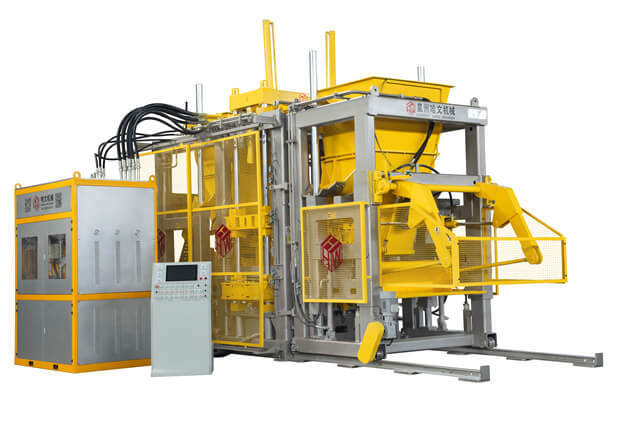
Generator Sizing Logic
Load boundary for generator sizing
The first task is to define the load boundary. Some buyers size a generator only for the main forming machine, then discover that the mixer, batching system, cement screw conveyor, hydraulic station, and pallet handling equipment also need stable power. A generator should be calculated for the actual production mode, not for a single motor in isolation.
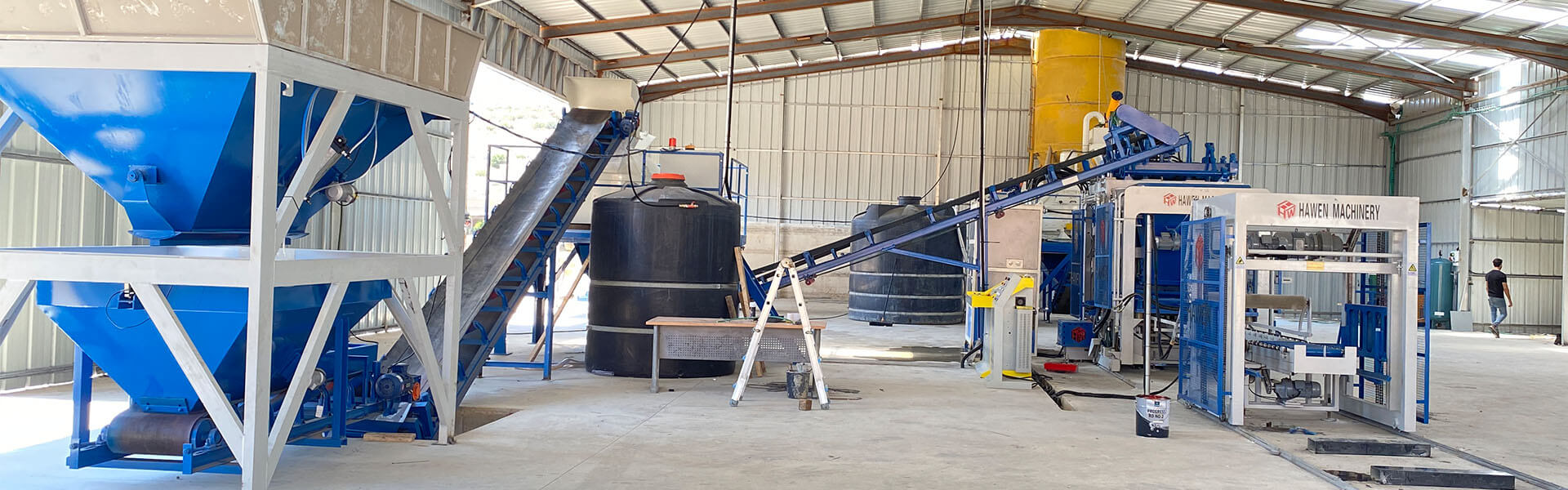
For a full plant, the load list should include the batching machine in block making, cement feeding equipment, mixer, belt conveyors, material car, vibration system, hydraulic pump group, PLC control cabinet, air compressor, cooling fans, pallet feeder, stacker, lighting, and optional cubing equipment. If the plant uses a cement silo in block making, the screw conveyor and silo accessories also belong in the power review.
Method note: Generator sizing should be based on the highest realistic simultaneous load, plus starting behavior and reserve margin. It should not be based on a single brochure line without checking the whole plant configuration.
| Load group | Typical equipment included | Generator sizing concern |
|---|
| Material preparation | Batcher, cement screw, water pump, mixer | Frequent starts and high mixing torque during loaded operation |
| Forming section | Hydraulic station, vibration motors, feeder, mould movement | Peak demand during vibration and pressing sequences |
| Handling section | Pallet feeder, conveyor, stacker, cuber, compressor | Intermittent motors and compressed-air cycling |
| Control and auxiliary loads | PLC, touch panel, sensors, cabinet fans, site lighting | Voltage stability and clean control power |
Running load versus starting load
Running load is the power required after motors reach normal operation. Starting load is the temporary demand when motors accelerate from rest. This difference matters because a generator that can carry the running load may still fail to start a loaded mixer, compressor, or hydraulic pump smoothly.
Motor starting method changes the result. Direct-on-line starting creates a larger temporary demand. Soft starters, variable frequency drives, servo systems, or staged start sequences may reduce the impact. Buyers should ask whether motors start together or in sequence. A good brick making machine line is normally programmed so major loads do not all start at the same moment.
A practical worksheet should list motor rating, start method, likely simultaneous operation, and whether the motor starts under load. The mixer deserves special attention because wet material creates resistance. The vibration system deserves attention because it can create rapid changes in demand during the forming cycle.
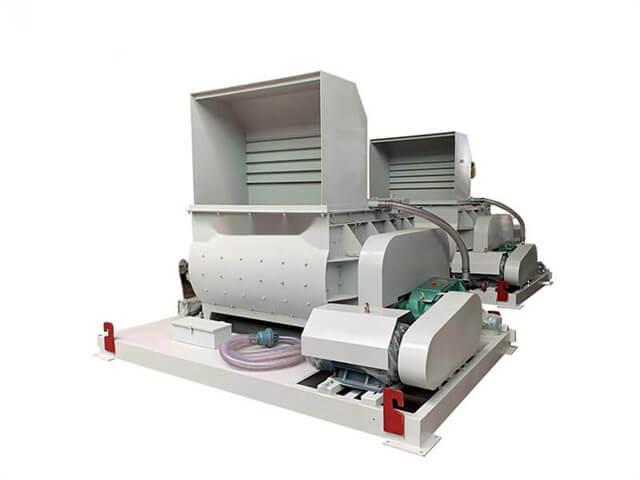
Line equipment that changes generator demand
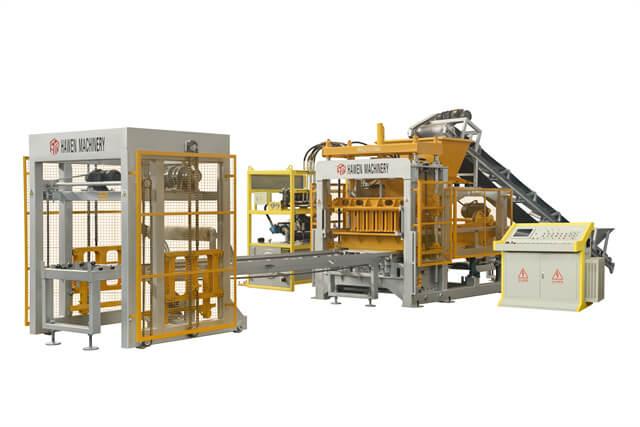
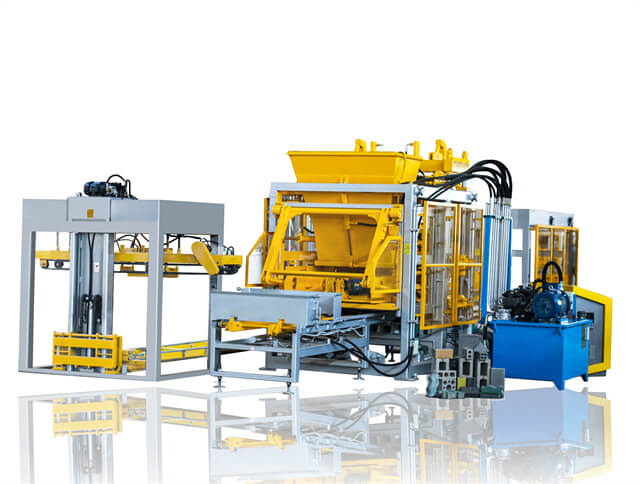
Two plants with the same main block machine model can require different generator planning. A simple semi-automatic layout may use fewer conveyors and handling devices. A fully automatic line may include automatic pallet supply, cubing, batching automation, cement silo accessories, and control interfaces.
A QT4 interlocking paver brick machine plant will not have the same load profile as a larger QT12 hydraulic hollow block production line. A QT8 fly ash brick paver making machine may also differ from a QT10 automatic solid cement block machine when the auxiliary system, mixer, and product mix change.
Optional handling equipment is another variable. An automatic pallet provider adds controlled movement to the line. An automatic offline palletizing system adds downstream motors and control signals. These systems may improve labor efficiency, but they should be included in the power schedule before the generator is ordered.
Calculation and Site Evaluation
Generator sizing worksheet for a block plant
The safest approach is to request a load schedule from the supplier and confirm it with the generator provider. The schedule should include installed power, normal running load, starting method, simultaneous operation, and auxiliary site loads. Installed power alone is not enough because not every motor runs at full load at the same time.
| Worksheet item | What to record | Why it matters |
|---|
| Equipment list | Every motor, cabinet, pump, compressor, conveyor, and auxiliary load | Prevents under-sizing by omission |
| Rated motor power | Nameplate power from each equipment item | Creates the base electrical inventory |
| Start method | Direct start, soft start, VFD, servo, or staged sequence | Affects temporary generator demand |
| Simultaneous load | Which equipment runs during batching, mixing, forming, and stacking | Defines the realistic peak production load |
| Reserve allowance | Future auxiliaries, site lighting, compressor cycling, and aging margin | Reduces overload risk without excessive oversizing |
Supplier quotation review observation: In many power discussions, the buyer receives a machine price and a generator recommendation separately. The recommendation becomes more reliable when the block machine supplier, electrical engineer, and generator vendor review the same equipment list instead of working from different assumptions.
A planetary concrete mixer may be selected for one material system, while a twin-shaft concrete mixer may be selected for another. Both choices affect starting torque, batch timing, and power planning.
Voltage frequency and site conditions
Generator sizing is not only about power capacity. Voltage, frequency, phase, grounding method, local electrical code, altitude, ambient temperature, fuel quality, and cable distance can affect performance. A generator that works well in one region may need derating or configuration changes in another.
Voltage drop should be considered when the generator is far from the production line. Control cabinets and sensors need stable supply. Poor grounding or unstable frequency can create intermittent faults that look like PLC or sensor problems but are actually power-quality problems.
Buyers should also decide whether the generator is the primary power source or only a backup. A backup generator may need an automatic transfer arrangement. A primary generator needs fuel logistics, maintenance planning, ventilation, noise control, exhaust routing, and spare filters. These site issues do not appear in the block making machine brochure, but they affect uptime.
HAWEN Machinery power control points
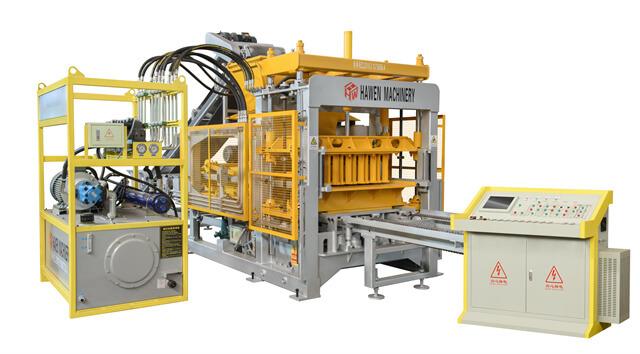
HAWEN Machinery designs block and brick production systems around coordinated movement, controlled vibration, and stable electrical sequences. The forming section is not a passive load. Its hydraulic, vibration, and control systems all influence how the generator experiences the plant.
For vibration, HAWEN applies a four-shaft vibration box structure with eccentric blocks positioned outside the housing. This design reduces internal resistance during vibration and supports uniform compaction across the mould area. Better compaction consistency can reduce unnecessary cement adjustment and improve forming efficiency, but the vibration load still belongs in the generator calculation.
The hydraulic station uses Japanese YUKEN proportional and directional valves together with an American ALBERT hydraulic pump. This arrangement supports controlled pressure delivery and reliable movement under repetitive forming conditions. When reviewing generator demand, buyers should consider hydraulic pump starting and the timing of hydraulic movement during the cycle.
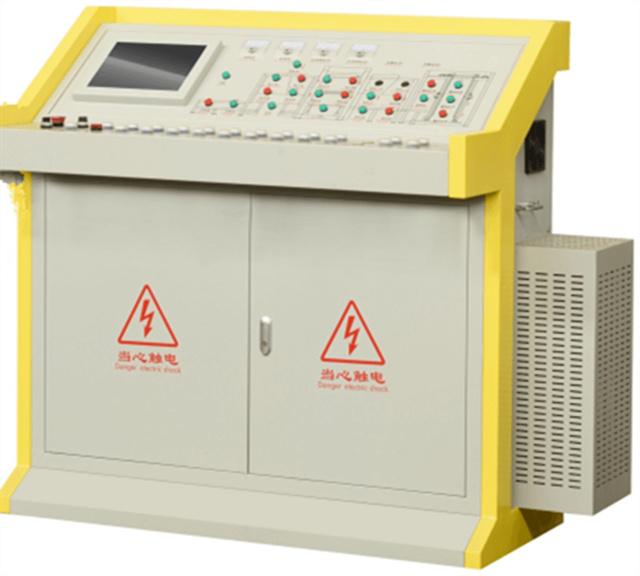
HAWEN integrates a Siemens S7-200 PLC with a touch panel and remote monitoring functions. The system allows operating status to be reviewed and parameters to be optimized remotely when needed. Stable power is important for this control platform because voltage fluctuation can interrupt sensors, alarms, and sequence logic.
If moulds are included, HAWEN designs compatible mould solutions for major platforms such as Masa, Hess, Zenith, Poyatos, Besser, Tiger, Columbia, Quadra, and Omag. Mould components are heat-treated to improve wear resistance, and hardness is verified at HRC 59-61. Mould quality does not determine generator size directly, but it affects forming stability and the likelihood of repeated adjustments during trial production.
Buyer Risk Control
Common generator sizing mistakes
Using only main-machine power: The forming machine is important, but a complete brick making machine plant includes preparation and handling loads. Omitting the mixer or compressor can make the generator recommendation unreliable.
Ignoring starting current: A generator may run the line after all motors are moving but fail during startup. Starting sequence and start method should be part of the review.
Confusing installed power with real operating load: Installed power is a useful inventory, but simultaneous operation matters. Some devices cycle. Others run continuously. The generator should be selected from the real production sequence.
Forgetting future automation: Buyers may start with manual handling and later add pallet supply, cubing, or conveyors. A generator selected with no reserve can become a bottleneck after upgrades.
Neglecting power quality: Sensitive control circuits, PLC inputs, remote monitoring, and sensors need stable voltage and grounding. A low-quality power setup can cause production stops even when the generator capacity seems large enough.
Auxiliary product choices also matter. A stable GMT pallet helps handling consistency. A properly selected concrete block mould or interlocking paver mould supports production quality. These items do not draw much power themselves, but they influence the overall stability of the production system that the generator must support.
Buyer verification before order
Before ordering a generator, ask the block machine supplier for a complete electrical load list. Ask the generator vendor to review motor starting requirements, local voltage, frequency, phase, site temperature, altitude, cable distance, and reserve margin. If the line will operate in a region with unstable grid power, also review transfer switching and protection devices.
During a pre-shipment test or factory acceptance review, observe the sequence of batching, mixing, forming, pallet movement, and stacking. Ask which motors run together. Ask which loads start under material. Record the control-cabinet voltage during major movements if a test generator is used. This practical observation is often more useful than a broad statement that a certain generator size is “enough.”
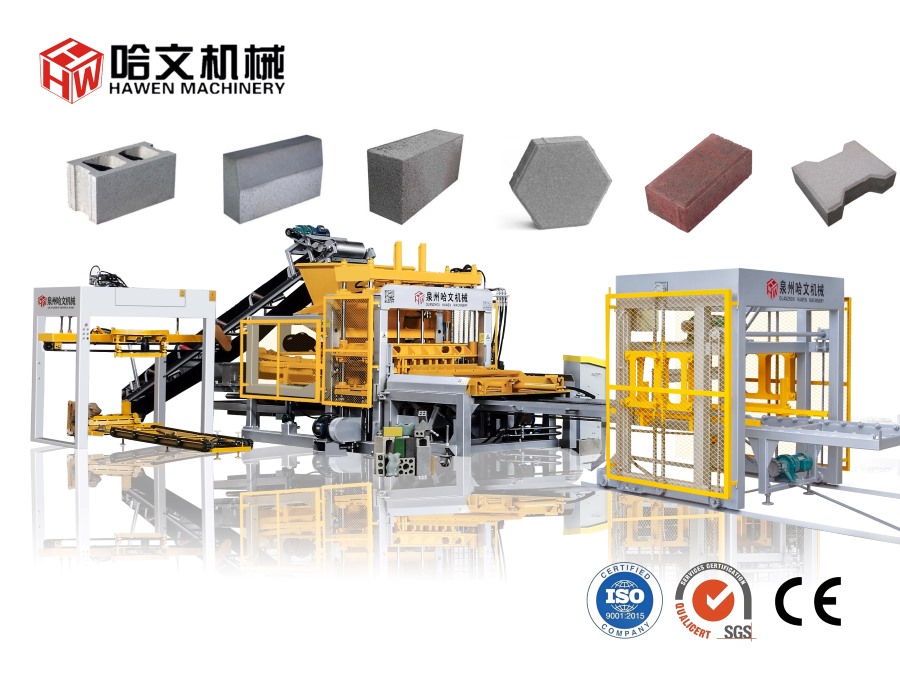
For buyers comparing models, a smaller automatic interlocking paver brick machine, a mid-range cement paver brick production machine, and a high-capacity automatic concrete paver block machine should each have a separate generator review. The product mix, automation level, and auxiliary equipment change the calculation.
Conclusion
The correct generator size for a concrete block machine plant depends on the full electrical load boundary, motor starting behavior, simultaneous production sequence, voltage and frequency conditions, site environment, and future expansion plan. A responsible estimate begins with a load schedule, not with a guess based on one machine model.
For the buyer, the next step is to request the complete electrical list from the supplier, review it with the generator provider, and verify the sequence during testing. A generator is not only a power source. It is the unseen foundation of production continuity. When power, machinery, material flow, and control logic are matched carefully, a block plant becomes more than a collection of motors. It becomes a stable manufacturing system that turns energy into durable building materials, protects the rhythm of work, and supports the construction of places where communities will live, trade, and grow.
FAQ
Can I size the generator from the main block machine power only?
No. The mixer, batcher, cement screw, conveyors, compressor, pallet handling equipment, and control system may all operate during production. The full line must be reviewed.
Why does starting load matter for a block plant generator?
Motors can demand more power while starting than while running. Mixers, compressors, pumps, and vibration motors should be reviewed by start method and sequence.
Should I buy a much larger generator to be safe?
Oversizing can increase purchase cost, fuel use, and inefficient operation. A reasonable reserve is useful, but the choice should be based on a load schedule and generator-vendor review.
Does automation increase generator demand?
It can. Automatic pallet supply, cubing, additional conveyors, and compressors add loads. Automation may improve labor efficiency, but it should be included in the electrical plan.
What information should I send to HAWEN for generator planning?
Send the selected machine model, full line configuration, local voltage and frequency, expected automation scope, mixer type, compressor use, site conditions, and whether the generator is primary or backup power.
Can unstable power damage the control system?
Poor voltage stability, grounding problems, or frequency fluctuation can cause control faults and sensor issues. Protection devices and proper electrical design are important.
Is generator sizing different for pavers and hollow blocks?
The main difference is not the product name alone. The mould, cycle sequence, mixer demand, vibration setting, handling equipment, and automation level determine the electrical behavior.





 Tel: +86-13905968794
 Email: export@hwmachines.com
 MP/WhatsApp: +86-13905968794
 Manufacturer Address:Nanan,Quanzhou City,Fujian Province,China