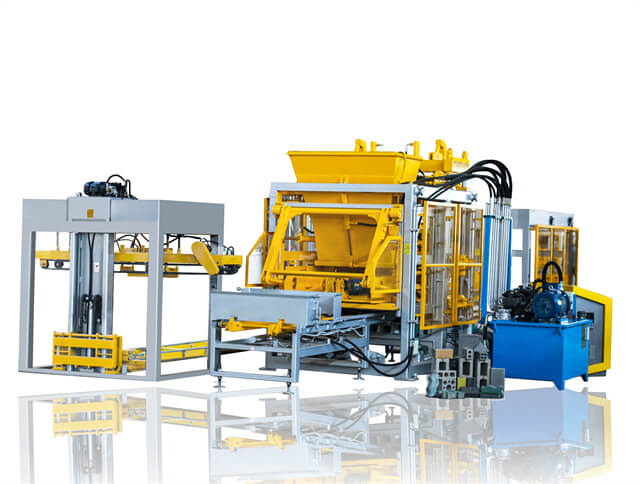
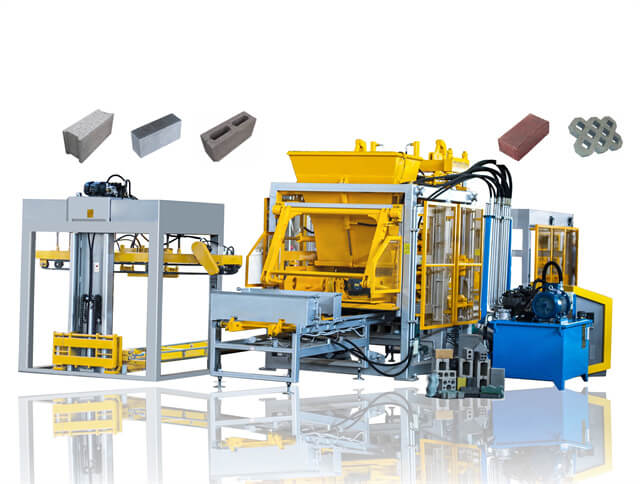
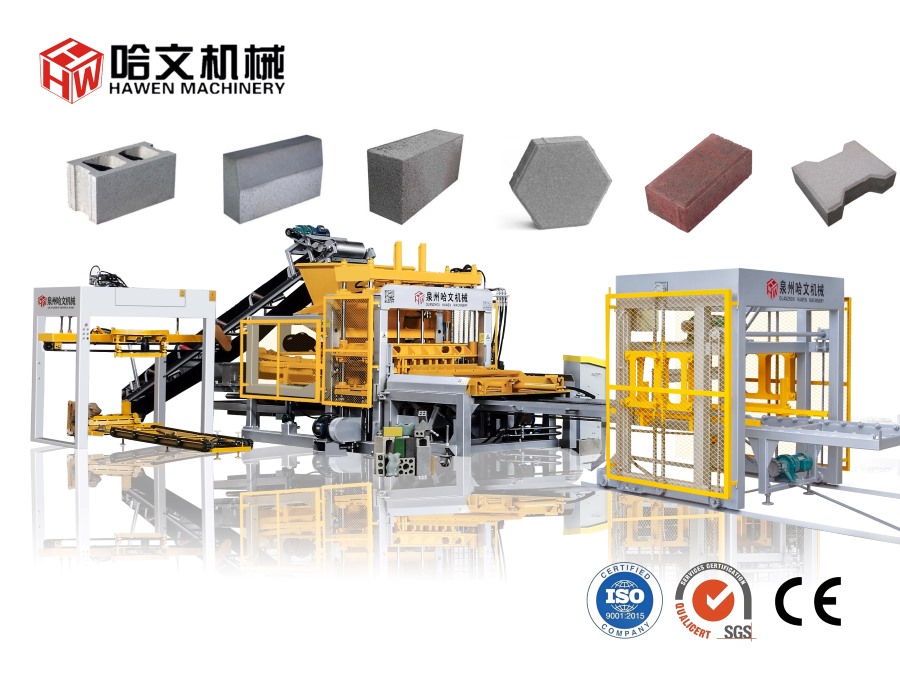
A concrete block making machine is a production system used to form concrete blocks, hollow blocks, paving blocks, kerbstones, and related precast masonry units from a controlled mixture of cement, aggregate, sand, water, and sometimes pigment or admixture. For buyers, the most practical question is often not only the rated machine speed, but how many acceptable blocks can be produced in a normal working day under real factory conditions.
Daily output estimation connects machine specification, mould design, pallet size, curing space, labor organization, batching stability, and product type. A machine that appears fast on paper may produce less than expected if raw material feeding, pallet return, curing yard capacity, or forklift handling cannot keep pace. This article explains a practical method for estimating daily output before purchasing or planning an automatic concrete block production line.
Production Output Fundamentals
Definition and Scope
Daily output refers to the number of finished or semi-finished concrete products a block making system can form during one working day. In most factory planning discussions, it means wet blocks produced and transferred to pallets or curing racks, not blocks that have already completed curing and are ready for delivery. This distinction matters because forming, curing, stacking, and shipment are different stages in the production cycle.
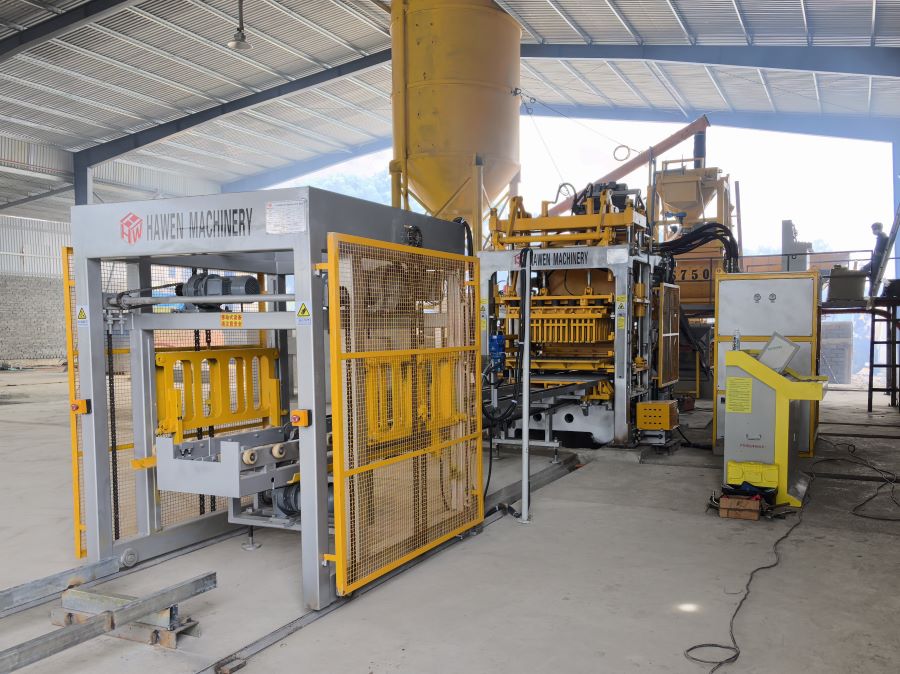
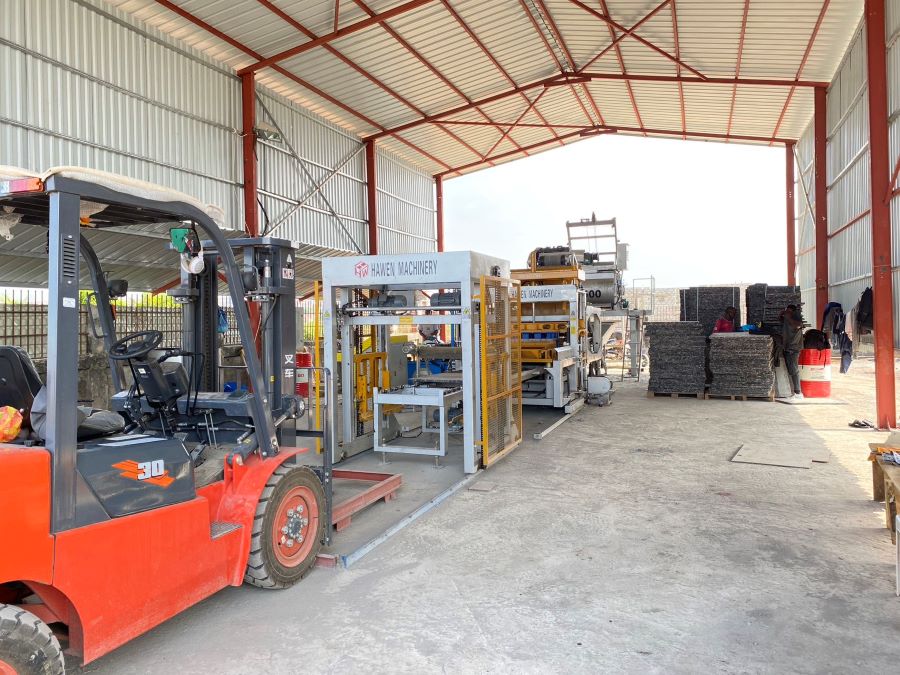
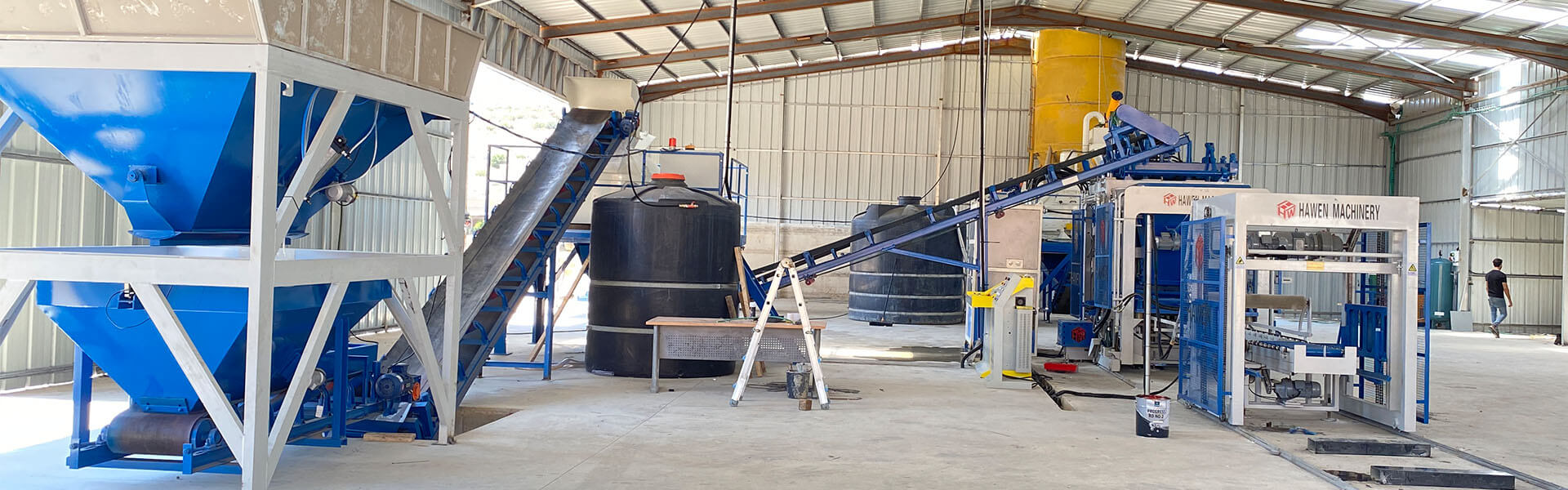
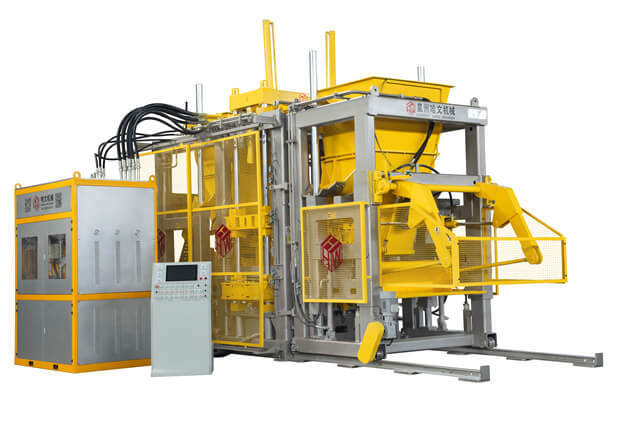
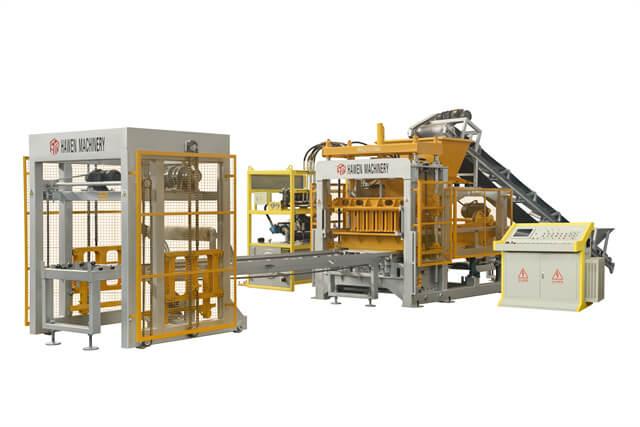
A realistic output estimate should include the complete production chain. The block machine itself is the central forming equipment, but it depends on batching, mixing, belt conveying, pallet feeding, vibration, hydraulic pressing, demoulding, product conveying, cubing, curing, and material return. If any part of the chain is undersized, the final daily output will be limited by that weakest section.
|
Item
|
Practical meaning for buyers
|
|
Rated output
|
Theoretical production calculated under stable test or catalogue conditions.
|
|
Effective output
|
Expected production after considering shift time, efficiency, product changeover, cleaning, and minor stoppages.
|
|
Acceptable output
|
Blocks that meet dimensional, surface, edge, and strength-related handling requirements after forming.
|
|
Sellable output
|
Blocks that remain acceptable after curing, stacking, local inspection, and transport preparation.
|
Definition note: A daily output figure is useful only when it states the product size, pieces per mould, cycle time, working hours, and assumed efficiency. Without these variables, two output claims may describe completely different production conditions.
Output Terms Used in Block Machine Specifications
Concrete block machine catalogues often use several output-related terms. Buyers should understand these terms before comparing models, because a small change in mould configuration can create a large difference in the number of blocks per hour.
|
Term
|
Meaning
|
Buyer attention point
|
|
Cycle time
|
Seconds required for one forming cycle, including feeding, vibration, pressing, and demoulding.
|
Short cycle time is valuable only if feeding and pallet movement remain stable.
|
|
Pieces per mould
|
Number of blocks formed in one cycle.
|
Depends on product size, mould layout, machine vibration table, and pallet area.
|
|
Pallet size
|
Board dimension supporting wet blocks after demoulding.
|
Larger pallets can support more pieces, but require matching machine frame and handling equipment.
|
|
Shift efficiency
|
Percentage of scheduled time actually used for stable forming.
|
Usually affected by raw materials, operator skill, maintenance, mould cleaning, and curing logistics.
|
For example, hollow blocks, solid bricks, interlocking pavers, and kerbstones may all run on the same base machine, but their daily output will differ. Small pavers may have more pieces per mould but may require face mix, color control, or longer handling attention. Large hollow blocks may have fewer pieces per mould but can still produce significant walling area per day.
Practical Estimation Method
Calculation Method for Daily Output
The basic estimation formula is straightforward. Daily output equals pieces per mould multiplied by cycles per hour, working hours, and a practical efficiency factor. The difficulty is selecting realistic values for each variable.
Method note: Estimated daily output = pieces per mould x 3600 / cycle time in seconds x scheduled working hours x efficiency factor.
If a mould produces 10 hollow blocks per cycle, the cycle time is 15 seconds, the factory runs 8 scheduled hours, and the practical efficiency factor is 0.80, the estimated daily output is:
10 x 3600 / 15 x 8 x 0.80 = 15,360 blocks per day.
This number should be treated as a planning estimate, not a guaranteed result. It assumes the mixer can supply enough concrete, pallets are available, curing space is ready, operators keep the line running, and the product can be removed without excessive damage.
|
Variable
|
Typical buyer question
|
Risk if ignored
|
|
Pieces per mould
|
How many pieces of my exact block size are made per cycle?
|
Catalogue output may be based on a different block size.
|
|
Cycle time
|
What cycle time is realistic for my raw material and product strength target?
|
Too aggressive a cycle may reduce compaction quality or line stability.
|
|
Working hours
|
Does the factory run one shift, two shifts, or partial production days?
|
Daily output may be overstated if breaks and cleaning are excluded.
|
|
Efficiency factor
|
What loss should be allowed for feeding, adjustment, pallet return, and small stoppages?
|
The factory plan may lack enough labour, pallets, or curing area.
|
For a new factory, a conservative efficiency factor such as 0.65 to 0.80 is often more useful than assuming continuous ideal operation. Experienced factories with stable aggregate grading, trained operators, automatic pallet handling, and preventive maintenance may plan closer to the higher end. New operators, frequent product changes, unstable materials, or limited curing yard space usually justify a lower factor.
Product Type Comparison
Product geometry strongly influences daily output. A machine model may be described as suitable for many products, but the production rate must be estimated separately for each product. Hollow block output is not the same as paver output, and paver output is not the same as kerbstone output.
|
Product type
|
Output behavior
|
Planning implication
|
|
Hollow blocks
|
Moderate pieces per mould; cycle time depends on compaction and wall thickness.
|
Useful for walling projects where dimensional consistency and curing space are important.
|
|
Solid bricks
|
Often more pieces per mould because each unit is smaller.
|
Requires careful counting by piece and by pallet handling capacity.
|
|
Concrete pavers
|
High piece count is possible, but color layer and surface quality may slow production.
|
Face mix system, pigment consistency, and curing method should be included in planning.
|
|
Kerbstones
|
Fewer pieces per mould due to larger product size and weight.
|
Output should be evaluated by linear meters or project requirement, not only by piece count.
|
When the buyer needs several product types, output planning should be based on a weekly production schedule. For example, a factory may produce hollow blocks for four days, pavers for two days, and kerbstones only when a road project order is confirmed. In this situation, the useful question is not the maximum output of one product, but whether the line can satisfy the average monthly order mix.
Buyers comparing equipment can review the machine category and application range through a natural product path such as the QT15 automatic concrete paver block machine, then request the exact mould layout and cycle estimate for their own block drawings.
Factory Conditions That Change Real Output
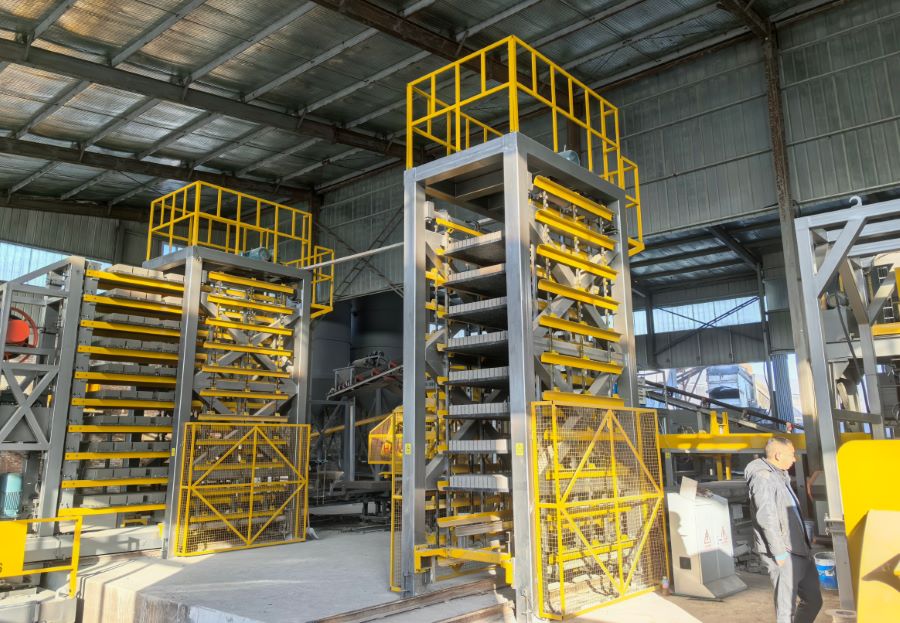
Machine output is only one part of factory output. A production line can slow down when the mixer is too small, the batching system has poor aggregate flow, the cement screw conveyor is unstable, or the pallet circulation path is poorly organized. The curing area is also critical. Wet blocks need space, level ground, protection from sudden rain or extreme drying, and enough time before stacking.
Raw material variation is another common cause of output differences. Aggregate moisture changes the water demand of the mix. Sand grading affects vibration response. Cement quality and curing temperature influence early handling strength. A line may run quickly during a short demonstration but require slower operation during daily production if the local aggregate is angular, dusty, wet, or inconsistent.
|
Condition
|
How it affects output
|
Planning response
|
|
Mixer capacity
|
Insufficient mixing volume causes the forming machine to wait for material.
|
Match mixer discharge volume with machine consumption per hour.
|
|
Pallet quantity
|
Not enough pallets forces pauses in wet product transfer.
|
Calculate pallets required for production time, curing time, and return cycle.
|
|
Curing yard
|
Limited space reduces the number of wet blocks that can be stored safely.
|
Plan area by pallet footprint, stacking method, curing duration, and forklift route.
|
|
Operator skill
|
Poor adjustment can increase rejected blocks and stoppages.
|
Include training, trial production, and standard operating settings.
|
|
Maintenance routine
|
Delayed lubrication, sensor cleaning, or mould inspection may cause unplanned downtime.
|
Use a preventive maintenance checklist rather than repairing only after failure.
|
Evidence summary: In factory planning, the most reliable output estimate is not the highest number in a catalogue. It is the result of matching product size, mould layout, cycle time, material supply, curing capacity, and daily operating discipline.
Buyer Evaluation Framework
Buyer Checklist Before Accepting an Output Claim
A buyer should ask for a calculation sheet instead of accepting a single production number. The sheet should show the block size, pieces per mould, cycle time, hours per shift, number of shifts, efficiency assumption, and whether the output refers to wet blocks, cured blocks, or sellable blocks. The supplier should also clarify whether the line includes batching machine, mixer, stacker, pallet return, cuber, and moulds.
|
Question
|
Why it matters
|
|
Which block drawing is used for the output estimate?
|
Different sizes create different pieces per mould and different cycle behavior.
|
|
Is the cycle time based on hollow block, paver, or kerbstone production?
|
Product type changes vibration, filling, pressing, and demoulding time.
|
|
How many pallets are required for one day of operation?
|
Pallet shortage can reduce output even when the machine itself is capable.
|
|
What curing area is needed for the planned output?
|
Wet products cannot be produced continuously without enough storage space.
|
|
What efficiency factor is used?
|
A realistic factor accounts for cleaning, adjustment, material refill, and normal pauses.
|
Practical limitation: No supplier can guarantee identical output for every country, raw material source, operator team, and block design. The buyer should use supplier data as a structured starting point, then adjust the estimate according to local material tests, curing practice, and site layout.
FAQ
How many blocks can a concrete block making machine produce per day?
The answer depends on the machine model, block size, mould layout, cycle time, working hours, and efficiency factor. A meaningful answer should specify the exact product and calculation basis rather than giving only one general number.
Why is rated output higher than real factory output?
Rated output usually assumes stable operating conditions. Real production includes material refilling, pallet movement, mould adjustment, cleaning, operator breaks, minor stoppages, and curing logistics. These factors reduce effective output.
Should output be compared by pieces or by square meters?
For wall blocks and bricks, piece count is common. For pavers, square meters can also be useful. For kerbstones, linear meters or project quantity may be more practical. The comparison unit should match the buyer's selling method and project requirement.
Can one machine produce different block types?
Many automatic block machines can produce different products by changing moulds and adjusting settings. However, each product type has its own output estimate, raw material requirement, curing condition, and handling method.
What information should a buyer send to the supplier for output calculation?
The buyer should send product drawings or dimensions, target daily or monthly quantity, available working hours, raw material type, curing method, land area, automation preference, and whether the factory will produce one product or several products.
Conclusion
Estimating daily output for a concrete block making machine requires more than reading the largest number in a catalogue. A reliable estimate should connect pieces per mould, cycle time, shift hours, efficiency factor, product type, material supply, pallet circulation, and curing capacity. The same machine can produce different daily quantities when the mould, block size, factory layout, or operating routine changes.
For buyers planning a new concrete block factory, the best approach is to request a transparent output calculation for the exact product they intend to manufacture. This method reduces misunderstanding, supports better investment planning, and helps match the block machine with the actual production environment.





 Tel: +86-13905968794
 Email: export@hwmachines.com
 MP/WhatsApp: +86-13905968794
 Manufacturer Address:Nanan,Quanzhou City,Fujian Province,China