Entering the concrete block manufacturing industry does not necessarily require a massive initial investment. What truly determines long-term viability is not the size of the starting capital, but the rational allocation of resources, the selection of an appropriate block machine, and the establishment of a production model capable of gradual expansion.
Many first-time investors assume that profitability depends on purchasing the largest fully automatic brick making machine available. In reality, excessive early investment often creates unnecessary financial pressure, especially in emerging markets where demand fluctuations, logistics constraints, and cash-flow cycles remain unpredictable.
A prudent entrepreneur does not begin by pursuing maximum capacity. Instead, the focus should be on operational stability, manageable production costs, and sustainable market penetration.
Start with Market Demand, Not Machine Size
Before purchasing any block making machine or brick machine, the first step is to evaluate the local construction market carefully.
Several practical questions should be clarified:
Which products are most widely used locally?
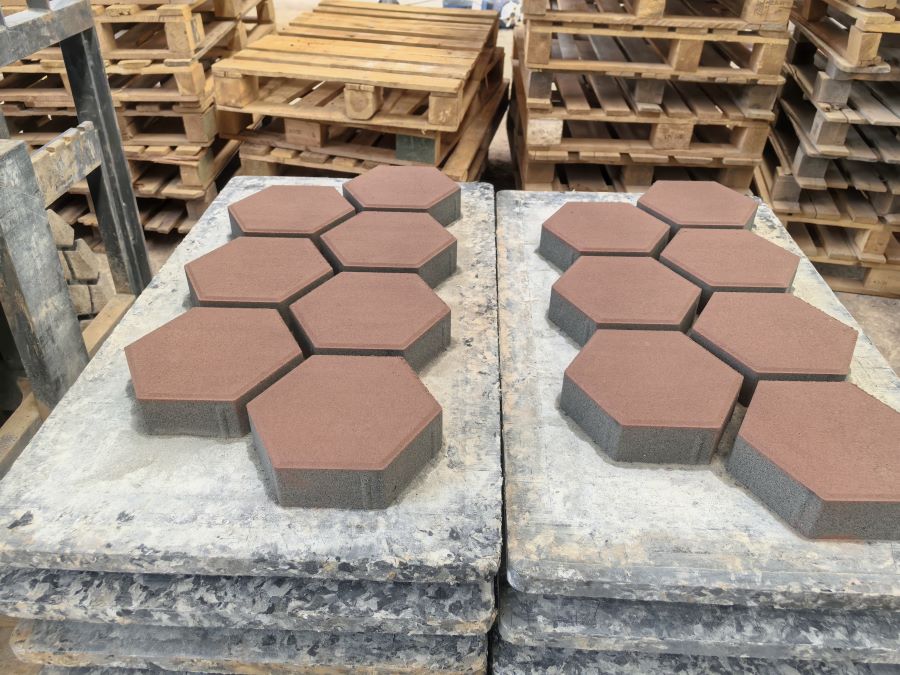
Are hollow blocks, solid bricks, paving stones, or curbstones in higher demand?
What are the prevailing dimensions and standards?
Is the market driven primarily by housing projects, municipal infrastructure, or private contractors?
A common mistake among beginners is purchasing a large automatic block machine without understanding actual market absorption capacity. As a consequence, inventory accumulates while capital turnover slows dramatically.
In many developing regions, a medium-capacity brick making machine often provides a more balanced return on investment during the initial stage.
Note: Production flexibility frequently matters more than theoretical maximum output.
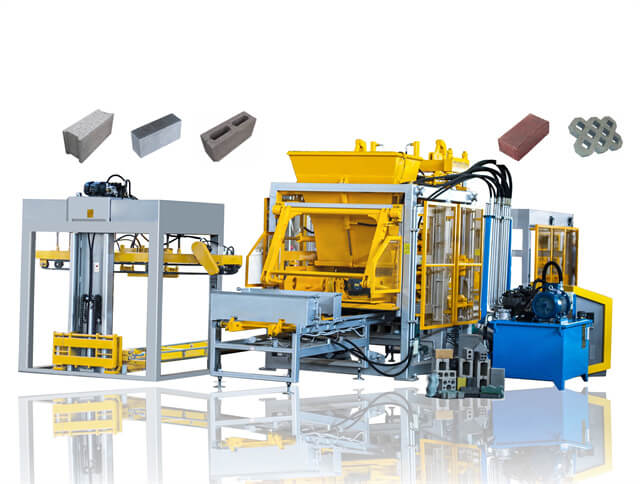
A versatile concrete block machine capable of producing multiple products through interchangeable molds can significantly reduce commercial risk.
Choose Equipment That Matches Your Current Stage
When operating under a constrained budget, equipment selection should prioritize reliability and adaptability rather than excessive automation.
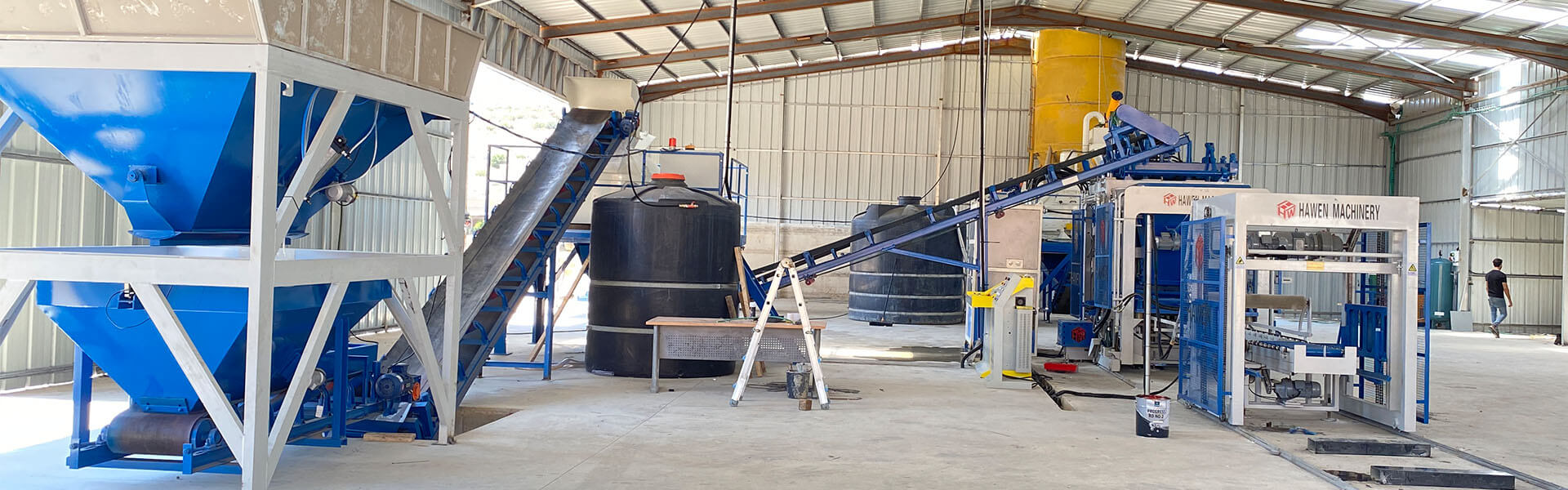
A practical small-to-medium setup generally includes:
Concrete mixer
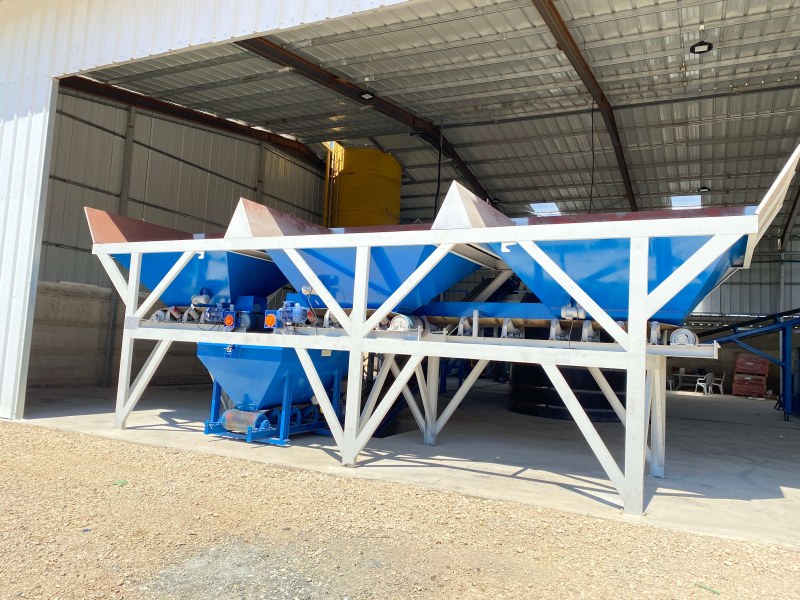
Batching system
Conveyor
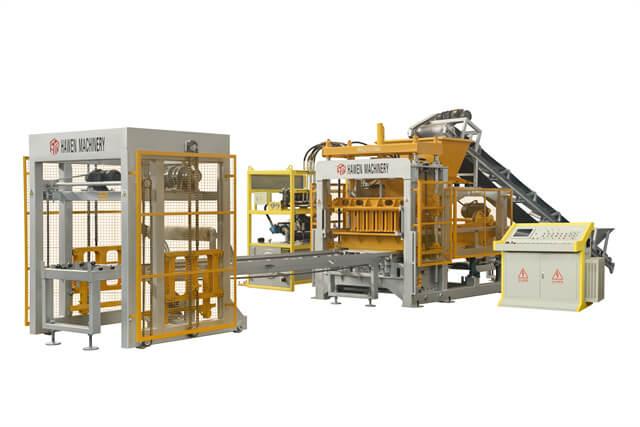
Block forming machine
Pallets
Simple curing area
Manual or semi-automatic stacking system
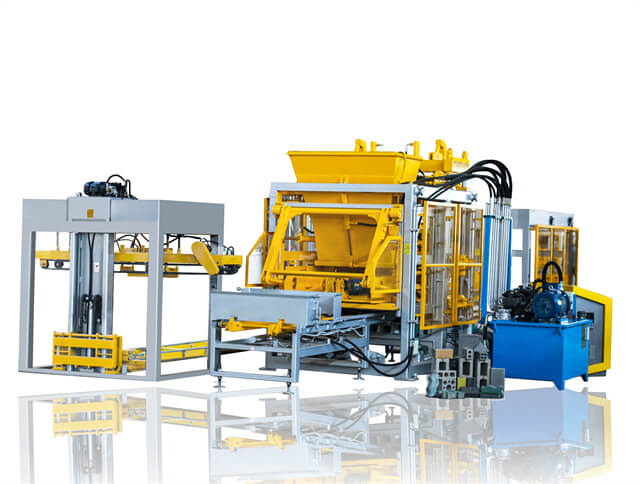
As production volume increases, automatic cubers, elevators, finger carts, and curing chambers can be integrated progressively.
This phased investment strategy reduces financial strain while allowing the business to scale organically.
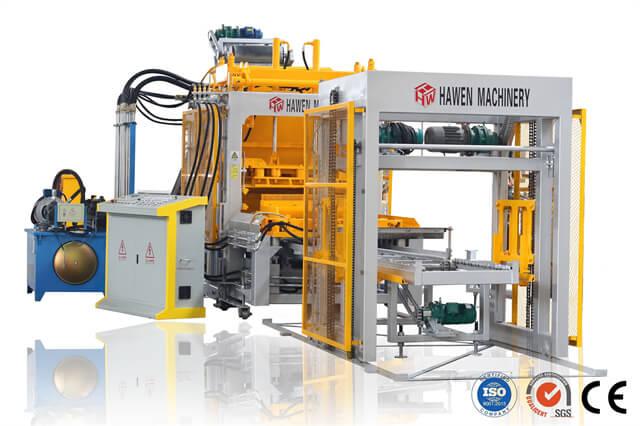
At Hawen Machinery, many clients initially start with compact or medium-sized block making machines before upgrading to larger fully automatic production lines after market stabilization. Such an incremental model often proves more sustainable than aggressive one-time investment.
Raw Material Control Is More Important Than Expensive Equipment
Even a sophisticated brick machine cannot compensate for unstable raw materials.
Inexperienced operators frequently overlook aggregate grading, moisture consistency, and cement proportioning. Yet these variables directly influence:
Compressive strength
Surface appearance
Dimensional precision
Pallet release performance
Long-term durability
Poor-quality aggregates may temporarily reduce material costs, but they often generate higher breakage rates and customer complaints later.
A financially disciplined factory minimizes waste rather than blindly minimizing material input.
For limited-budget operations, local raw material availability should heavily influence production planning. Transportation expenses can easily erode profitability if aggregates must be sourced from distant locations.
Avoid Over-Automation in the Beginning
Automation unquestionably improves efficiency. However, excessive automation during the startup phase may prolong payback periods unnecessarily.
For example:
Manual pallet feeding may initially be acceptable.
Simple curing yards can replace expensive steam curing systems.
Semi-automatic stacking can reduce initial capital expenditure.
The objective at the beginning is not perfect industrial sophistication. The objective is achieving stable production and positive cash flow.
Once order volume becomes consistent, automation upgrades become economically justifiable.
The Importance of Vibration and Structural Stability
Many low-cost block machines fail not because of insufficient output, but because of unstable vibration systems.
In concrete compaction, vibration consistency directly affects block density and structural integrity. Uneven vibration leads to cracking, edge defects, and inconsistent strength.
Hawen Machinery adopts a four-shaft vibration box configuration with eccentric blocks positioned externally. This engineering arrangement reduces vibration resistance, improves compaction uniformity, and lowers unnecessary cement consumption while maintaining production efficiency.
For startups operating under budget limitations, reducing cement waste can significantly improve profit margins over time.
Hydraulic Reliability Determines Long-Term Operating Cost
A cheap hydraulic system often becomes expensive after several months of continuous production.
Hydraulic instability may result in:
Pressure fluctuation
Mold lifting inconsistency
Increased maintenance frequency
Oil leakage
Downtime losses
To ensure operational durability, Hawen Machinery integrates Japanese YUKEN proportional and directional valves together with high-performance American ALBERT hydraulic pumps in many automatic block machine configurations. This combination provides accurate hydraulic response, stable pressure control, and long-term reliability under demanding workloads.
For small factories, minimizing downtime is often more valuable than maximizing theoretical production speed.
Mold Quality Should Never Be Ignored
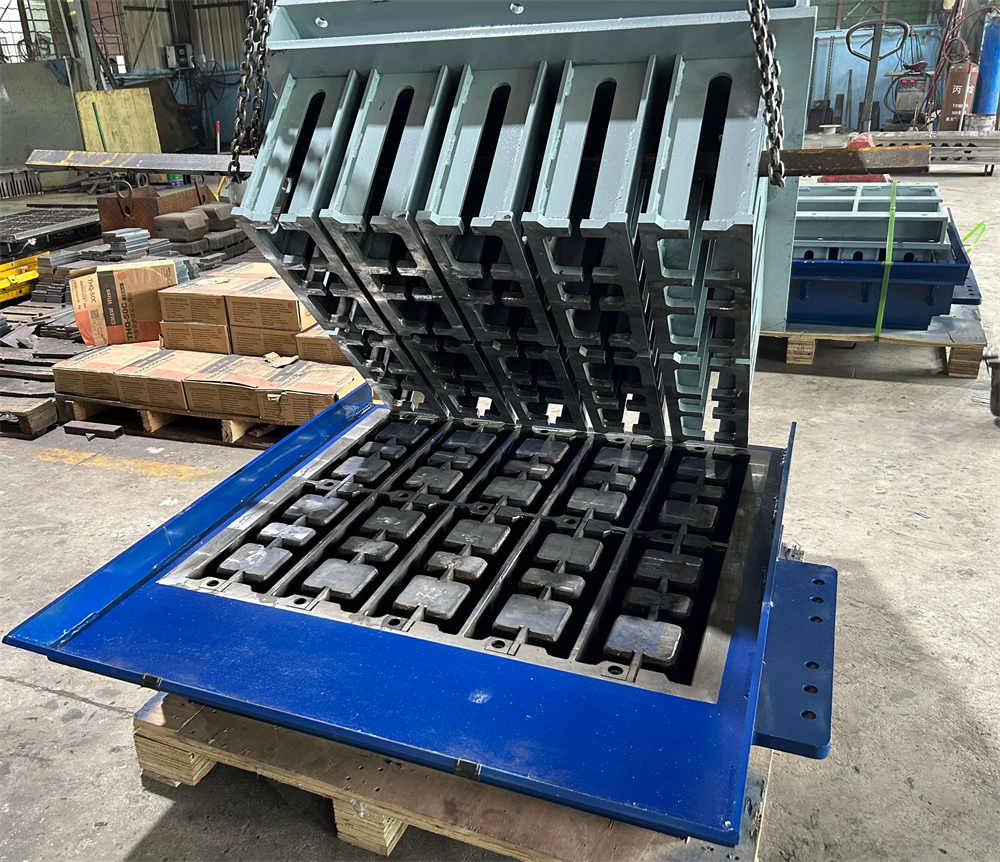
In the block production industry, molds function as productivity assets rather than simple accessories.
Low-quality molds frequently cause:
Dimensional inconsistency
Surface defects
Accelerated wear
Poor pallet release
High rejection rates
Hawen Machinery manufactures molds compatible with numerous internationally recognized block machine brands, including Masa, Hess, Zenith, Poyatos, Besser, Tiger, Columbia, Quadar, Omag, and others. By adhering closely to original specifications, these molds achieve precise installation, stable operation, and reliable block quality across different platforms.
Moreover, all molds undergo professional heat treatment to enhance abrasion resistance. Hardness testing is conducted within the HRC 60–62 range, balancing wear resistance with structural toughness.
This becomes particularly important for factories seeking long-term operational stability with limited maintenance budgets.
Intelligent Control Systems Reduce Human Error
Labor inefficiency represents another hidden cost in small factories.
Incorrect parameter settings, inconsistent vibration timing, or improper feeding cycles can significantly reduce production efficiency.
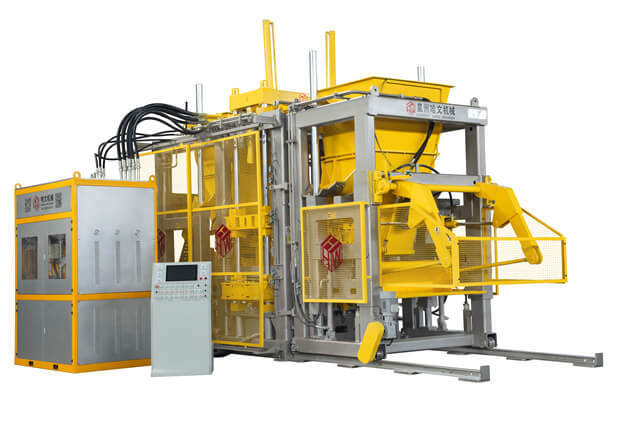
To improve operational consistency, Hawen Machinery incorporates a SIEMENS S7-200 PLC control system with an intuitive touch-screen interface and remote monitoring capability. Through this system, operating parameters can be adjusted remotely while real-time machine conditions remain continuously visible.
For inexperienced operators, intelligent control systems substantially reduce avoidable production errors.
Production Efficiency Is Built Gradually
Many successful block factories did not begin as large industrial enterprises.
They began with:
One reliable concrete block machine
Stable local customers
Disciplined cost management
Continuous product improvement
Scale is not the starting point of industrial success. Consistency is.
A factory producing reliable concrete blocks every day will ultimately outperform a larger factory plagued by breakdowns, unstable quality, and uncontrolled operating costs.
The most dangerous misconception in this industry is believing that success comes from purchasing the most expensive machine. In reality, sustainable growth emerges from understanding production fundamentals, controlling waste, and expanding only when market conditions genuinely support expansion.
Because in manufacturing, survival creates opportunity — and opportunity, when managed wisely, eventually creates scale.
FAQ
1. What is the best block machine for beginners?
For most startups, a medium-capacity block making machine with multi-product capability is usually the most practical option. It balances investment cost, production flexibility, and operational efficiency.
2. Can I start block production without a fully automatic system?
Yes. Many factories begin with semi-automatic or partially automated brick making machines and later upgrade their production lines after establishing stable market demand.
3. How important are molds in block manufacturing?
Extremely important. Mold precision directly influences block dimensions, surface quality, and production consistency. High-hardness heat-treated molds generally provide longer service life and lower maintenance cost.
4. What is the biggest mistake beginners make?
The most common mistake is over-investing in oversized equipment before understanding local market demand and operational realities.
5. How can I reduce production costs without lowering quality?
Focus on:
Stable raw materials
Proper moisture control
Efficient vibration compaction
Reduced cement waste
Preventive machine maintenance
Reliable hydraulic and mold systems
These factors usually influence profitability more than simply reducing material input.





 Tel: +86-13905968794
 Email: export@hwmachines.com
 MP/WhatsApp: +86-13905968794
 Manufacturer Address:Nanan,Quanzhou City,Fujian Province,China