Introduction
The concrete block industry appears deceptively simple from the outside. Many newcomers assume that purchasing a block machine, preparing raw materials, and pressing concrete into molds are sufficient to establish a profitable business. In reality, block manufacturing is a highly systematic industrial process that combines material science, mechanical engineering, operational management, and market strategy.
This explains why some factories expand rapidly within a few years, while others struggle with unstable quality, rising costs, and persistent downtime shortly after launching production.
For beginners entering the industry, understanding several fundamental principles before investing in a brick machine or block making machine can prevent expensive mistakes and significantly improve long-term sustainability.
This article outlines five critical aspects every beginner should understand before entering the concrete block manufacturing business.
1. A Good Block Machine Alone Cannot Guarantee Good Blocks
One of the most widespread misconceptions among beginners is the belief that high-quality equipment automatically produces high-quality concrete blocks.
In practice, even an advanced block making machine cannot compensate for:
Poor raw materials
Incorrect mix ratios
Inadequate curing
Improper vibration parameters
Weak production management
A block machine functions as part of an integrated production ecosystem. If any stage becomes unstable, the final product quality deteriorates accordingly.
For example, excessive water content may cause:
Reduced compressive strength
Surface cracks
Dimensional deformation
Similarly, inconsistent aggregate gradation often leads to:
Honeycombing
Weak internal structure
Uneven block density
In concrete manufacturing, process discipline matters as much as mechanical capability.
Experienced producers understand that stable production depends on the coordination of materials, equipment, operators, and environmental control.
2. Production Efficiency Is Determined by the Entire System — Not Just the Brick Machine
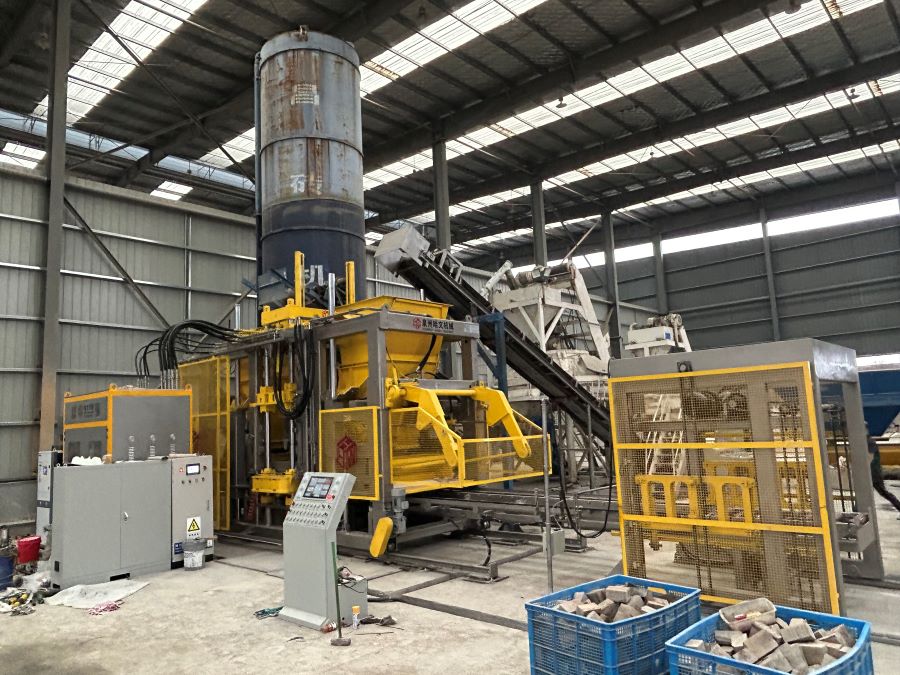
Beginners frequently compare machines solely based on theoretical output figures. However, actual factory productivity depends on the synchronization of the entire production line.
A highly efficient brick making machine may still experience production bottlenecks if:
Material feeding is unstable
Mixing cycles are inconsistent
Pallet supply is insufficient
Curing space is inadequate
Operators lack coordination
Modern concrete block production increasingly emphasizes system integration rather than isolated machine performance.
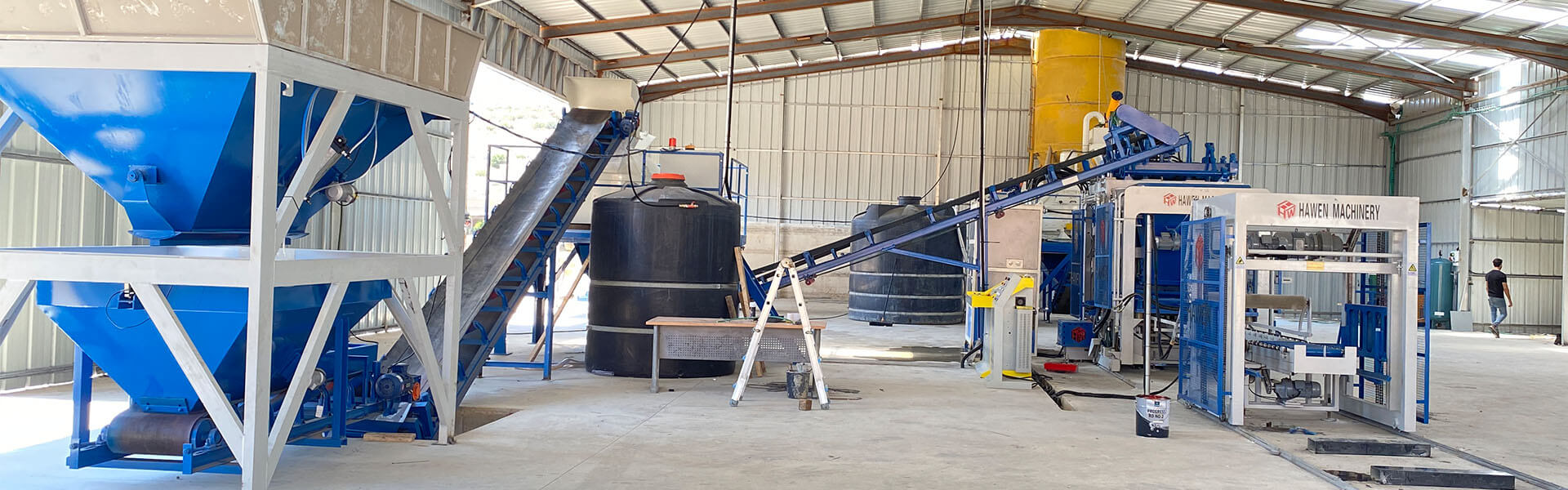
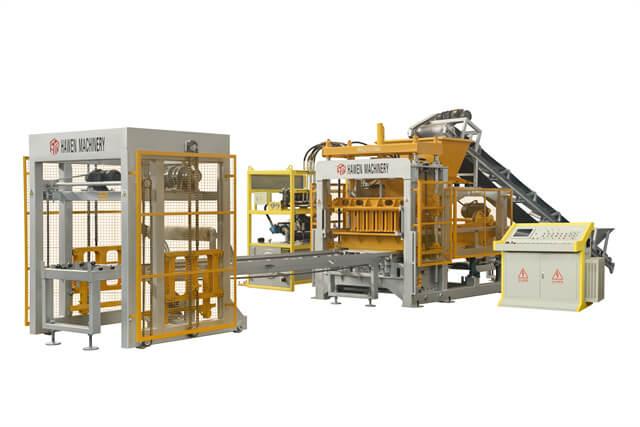
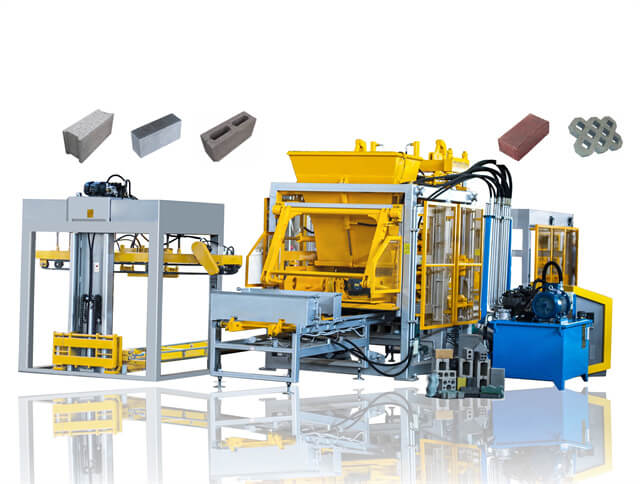
A complete production line generally includes:
Automatic batching systems
Mixing equipment
Conveyors
Forming machines
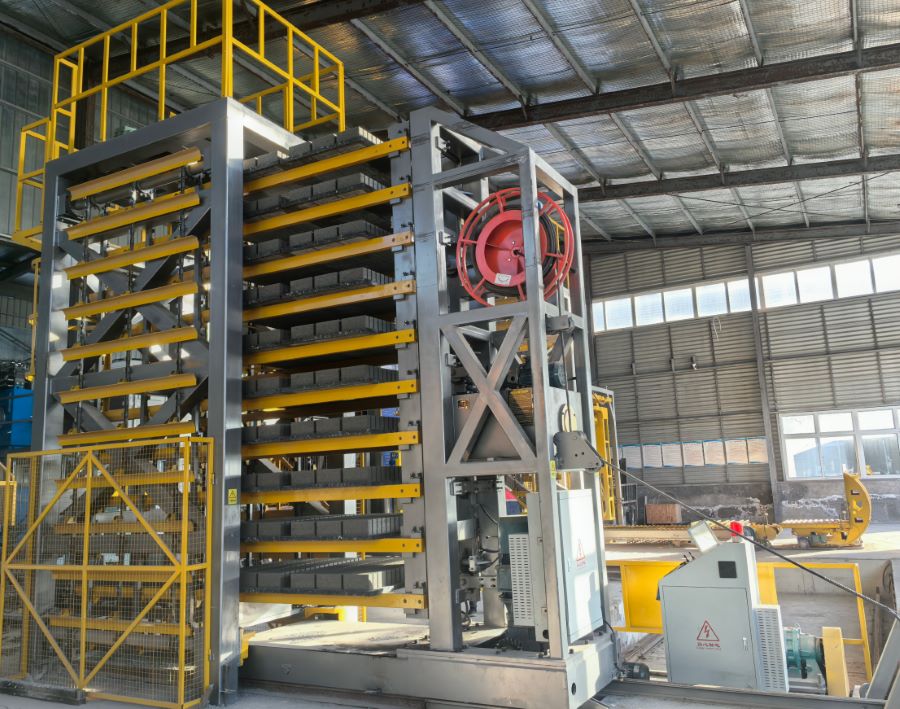
Elevators and lowerators
Curing systems
Stacking and packaging systems
If one section operates inefficiently, the entire production rhythm becomes disrupted.
This is why experienced manufacturers focus not only on machine specifications but also on workflow continuity.
3. Vibration Technology Directly Influences Product Strength and Cement Consumption
Many beginners underestimate the importance of vibration systems when purchasing a block machine.
Yet vibration is one of the most decisive factors affecting:
Block density
Surface finish
Structural strength
Raw material efficiency
Weak vibration often causes:
Fragile blocks
Surface defects
Internal voids
Higher cement consumption
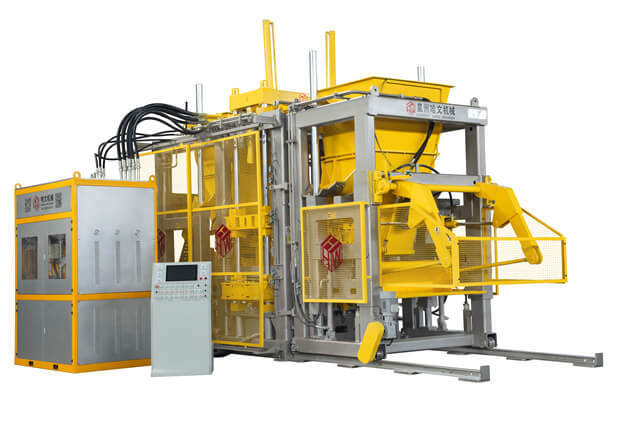
Hawen Machinery utilizes a four-shaft vibration box configuration with eccentric blocks positioned outside the housing structure. This engineering design minimizes vibration resistance while improving force transmission efficiency.
As a result:
Concrete compaction becomes more uniform
Product density improves
Cement consumption decreases
Production efficiency becomes more stable
For long-term manufacturing operations, optimized vibration technology can substantially reduce material costs while improving block consistency.
This becomes especially important in competitive markets where profit margins are increasingly sensitive to raw material expenditure.
4. Mold Quality Is a Long-Term Investment, Not a Short-Term Expense
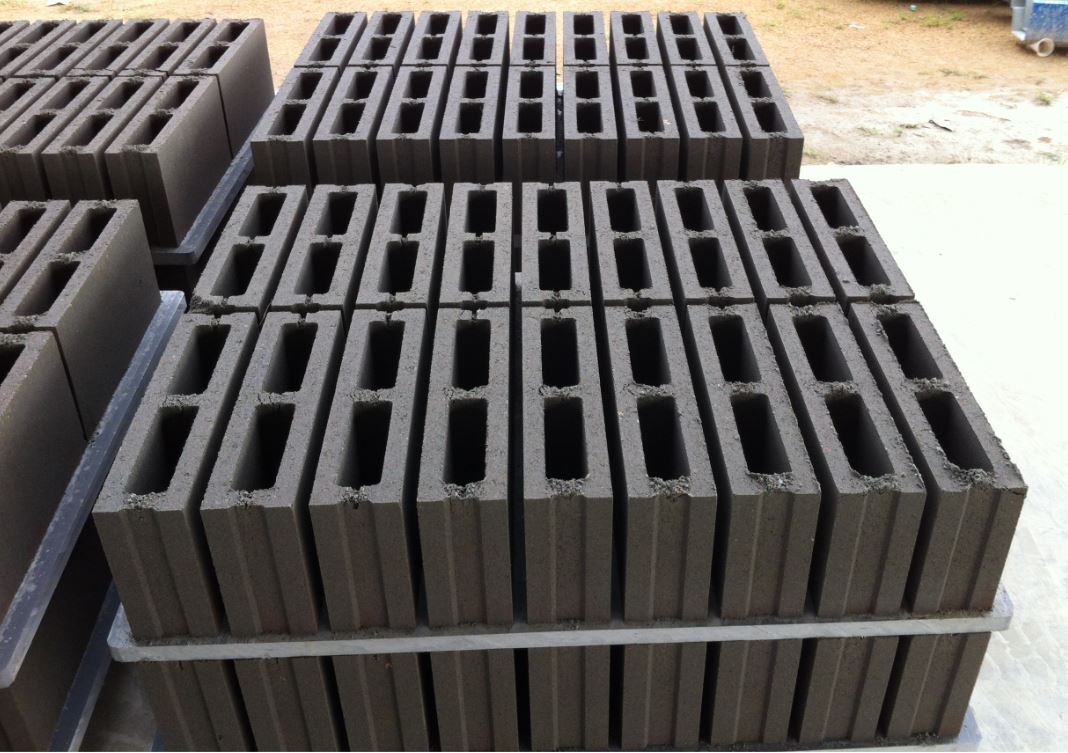
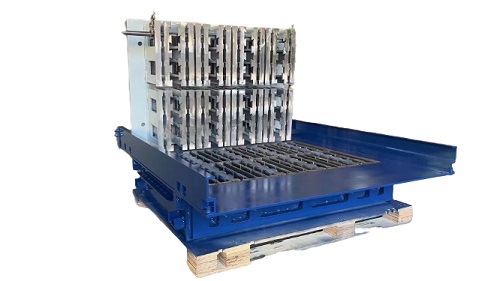
Inexperienced investors often prioritize the main machine while overlooking mold quality. In reality, molds directly determine the precision and appearance of finished products.
Poor-quality molds frequently lead to:
Edge damage
Size inconsistency
Rough surfaces
Accelerated wear
Production instability
Hawen Machinery designs molds compatible with internationally recognized block machine brands including Masa, Hess, Zenith, Poyatos, Besser, Tiger, Columbia, Quadar, Omag, and others.
By strictly following original specifications, these molds provide:
Precise installation compatibility
Stable forming performance
Reduced adjustment time
Reliable dimensional consistency
Moreover, all molds undergo professional heat treatment procedures to improve wear resistance under high-frequency production conditions.
Hardness testing is maintained within the HRC60–62 range, balancing abrasion resistance with structural toughness.
In industrial manufacturing, durable tooling is not merely an accessory. It is a productivity stabilizer.
Factories focused exclusively on minimizing initial mold costs often face significantly higher replacement and maintenance expenses later.
5. Intelligent Automation Is Becoming Increasingly Important
The era of purely manual concrete block production is gradually disappearing.
As labor costs rise and quality requirements become stricter, intelligent automation systems are becoming essential even for medium-sized factories.
Modern block making machine systems increasingly integrate:
PLC automation
Touchscreen interfaces
Remote diagnostics
Production data monitoring
Automatic fault detection
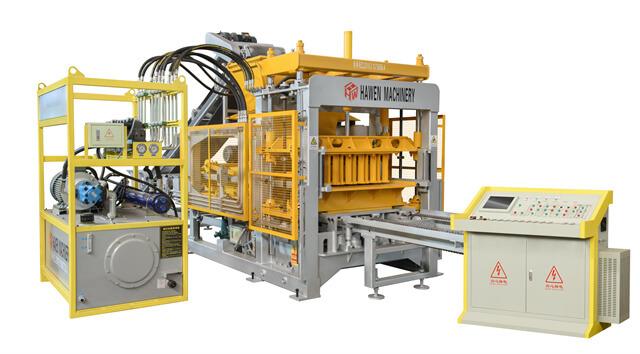
Hawen Machinery integrates SIEMENS S7-200 PLC control systems with user-friendly touch panels and remote monitoring capabilities. Through this intelligent architecture, operators can monitor real-time operating conditions, remotely optimize operational parameters, and maintain stable production quality across different shifts.
Automation improves:
Production consistency
Operational efficiency
Fault response speed
Parameter precision
Labor optimization
For beginners lacking extensive technical experience, intelligent control systems also reduce operational complexity and minimize human error.
Additional Consideration: Hydraulic Stability Matters More Than Beginners Realize
Many first-time buyers focus primarily on visible machine structure while ignoring hydraulic configuration.
However, the hydraulic station effectively governs the movement precision and operational stability of the entire brick machine.
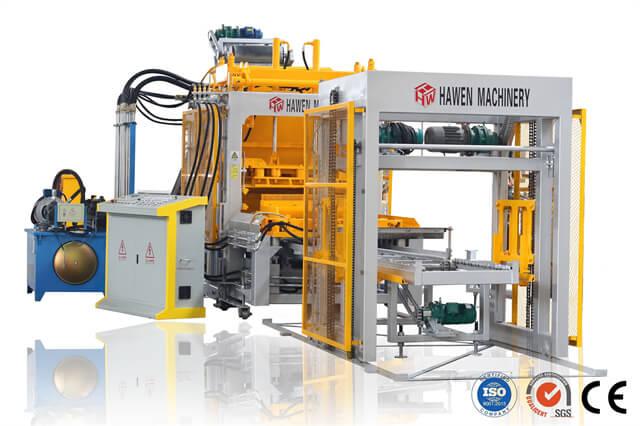
At Hawen Machinery, hydraulic systems integrate Japanese YUKEN proportional and directional valve technology together with durable American hydraulic pump components. This configuration enables highly responsive pressure control, smooth mechanical movement, and reliable long-duration operation under intensive production conditions.
A stable hydraulic system reduces:
Pressure fluctuation
Oil leakage risk
Component fatigue
Unexpected downtime
Over time, hydraulic reliability substantially affects both maintenance costs and production continuity.
Conclusion
Block manufacturing is not simply about producing concrete products. It is about building a stable industrial system capable of maintaining quality, efficiency, and operational continuity over time.
For beginners, success rarely depends on a single factor. Rather, it emerges from understanding how raw materials, molds, vibration systems, automation, hydraulic stability, and production management interact with one another.
A reliable block machine is important. A durable brick machine matters greatly. Yet sustainable success ultimately depends on something larger: disciplined manufacturing logic.
Because in modern construction industries, concrete blocks are far more than inexpensive building materials.
They become schools, roads, hospitals, factories, warehouses, residential communities, and urban infrastructure. Quietly and continuously, they shape the physical framework of economic development itself.
And behind every well-produced block stands a production system where engineering precision, industrial discipline, and long-term vision converge into something far more meaningful than machinery alone:
the ability to build the foundations of future cities, one block at a time.
FAQ
1. What is the most common mistake beginners make in block manufacturing?
Many beginners focus exclusively on machine price while ignoring raw material quality, curing conditions, and production management. This often leads to unstable block quality and rising operational costs.
2. Why is vibration quality important in a block machine?
Efficient vibration improves concrete compaction, increases compressive strength, reduces internal voids, and lowers cement consumption during production.
3. How important are molds in concrete block production?
Molds directly determine:
Product dimensions
Surface quality
Edge precision
Production consistency
High-quality heat-treated molds generally offer much longer service life and more stable production performance.
4. Should beginners choose fully automatic block making machines?
It depends on:
Budget
Labor availability
Market demand
Production scale
For long-term industrial development, fully automatic systems often provide better operational efficiency and consistency.
5. Why are intelligent PLC control systems becoming essential?
PLC systems improve:
Production stability
Operational precision
Fault diagnosis efficiency
Remote monitoring capability
Overall manufacturing consistency
They also reduce human error in large-scale block production environments.





 Tel: +86-13905968794
 Email: export@hwmachines.com
 MP/WhatsApp: +86-13905968794
 Manufacturer Address:Nanan,Quanzhou City,Fujian Province,China