In concrete block production, inconsistency is not merely an operational inconvenience—it is a structural risk. Variations in strength, density, or appearance can undermine customer confidence, increase rejection rates, and ultimately erode profitability. Whether you are operating a block machine, a brick machine, or a fully automated block making machine, inconsistency is rarely accidental. It is almost always the result of controllable variables that have not been properly managed.
This article dissects the core causes behind uneven block quality and, more importantly, outlines practical strategies to restore stability in production.
1. Unstable Raw Material Proportions
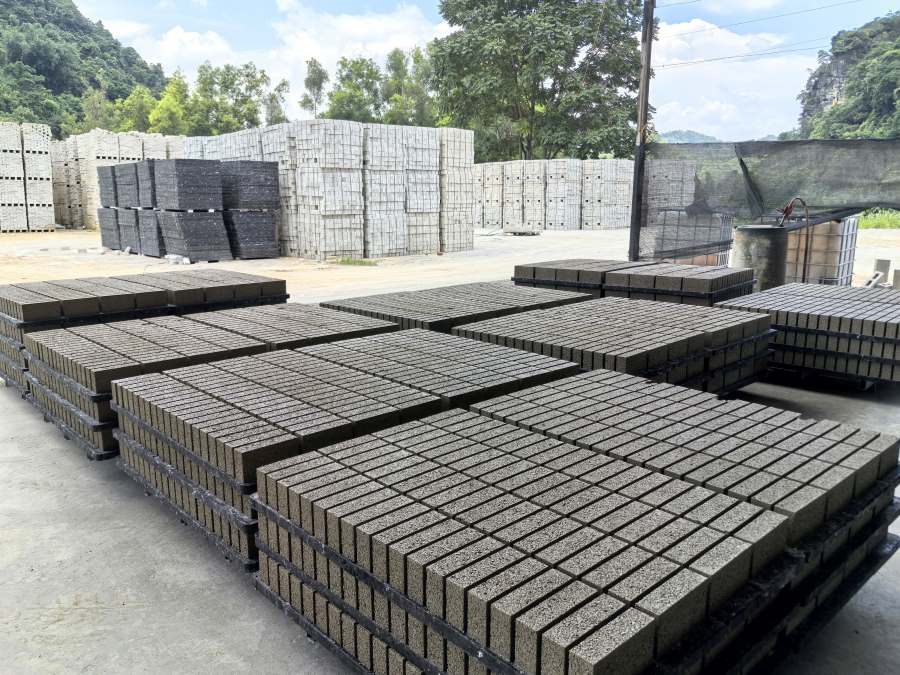
The most fundamental source of inconsistency lies in the raw material mix. Even slight deviations in cement-to-aggregate ratio can produce significant fluctuations in compressive strength and durability.
In many small-scale operations, manual batching introduces variability that accumulates over time. A batch that is marginally richer in cement may produce stronger blocks, while the next—slightly leaner—results in weaker output.
To mitigate this:
Maintain consistent material ratios across batches
Use calibrated batching systems where possible
Regularly verify moisture content of aggregates
Note: Consistency in input inevitably leads to consistency in output—this is not theory, but production reality.
2. Improper Moisture Control
Moisture content is a deceptively subtle yet critical factor. Excess water reduces block density and prolongs curing time, while insufficient moisture leads to poor compaction and surface defects.
In a brick making machine or block making machine, improper moisture levels can also disrupt the vibration-compaction cycle, leading to internal voids or uneven surfaces.
A practical approach includes:
Monitoring moisture levels before mixing
Adjusting water addition based on environmental conditions
Avoiding visual estimation—use measurable standards
3. Inconsistent Compaction and Vibration Performance
Compaction is the moment where material transforms into structure. If vibration is uneven, the resulting blocks will exhibit inconsistent density and strength.
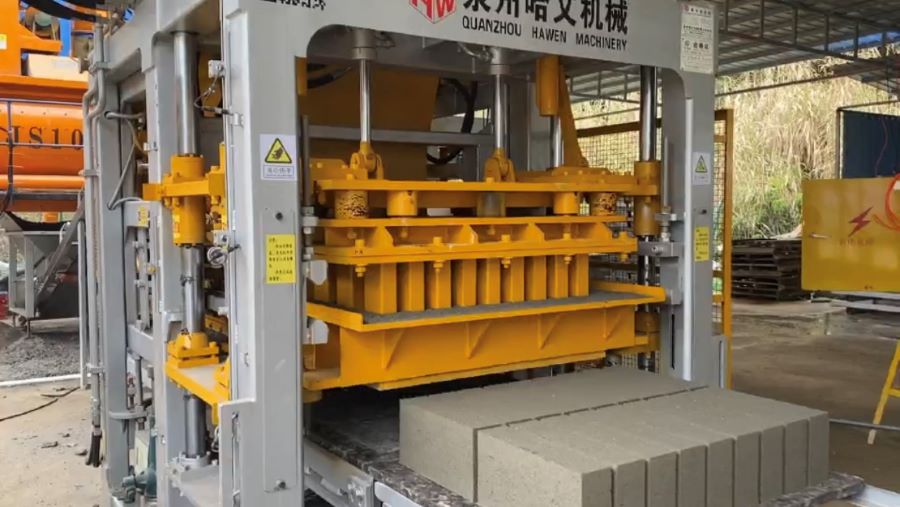
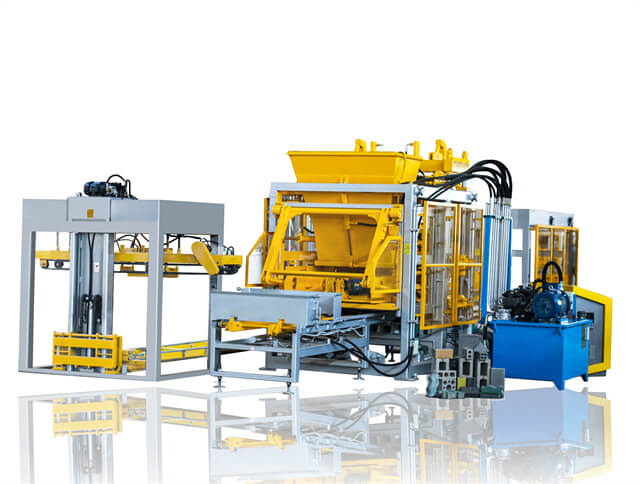
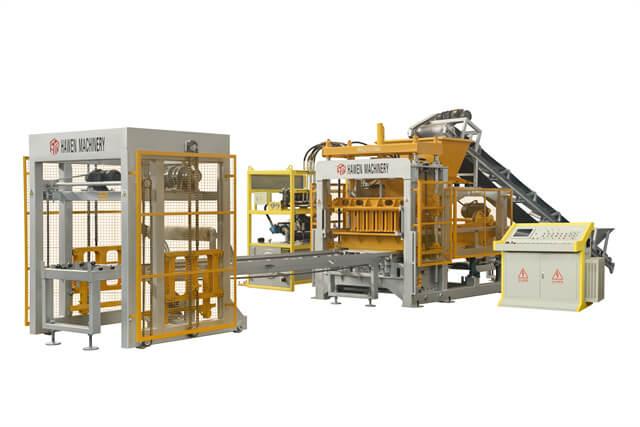
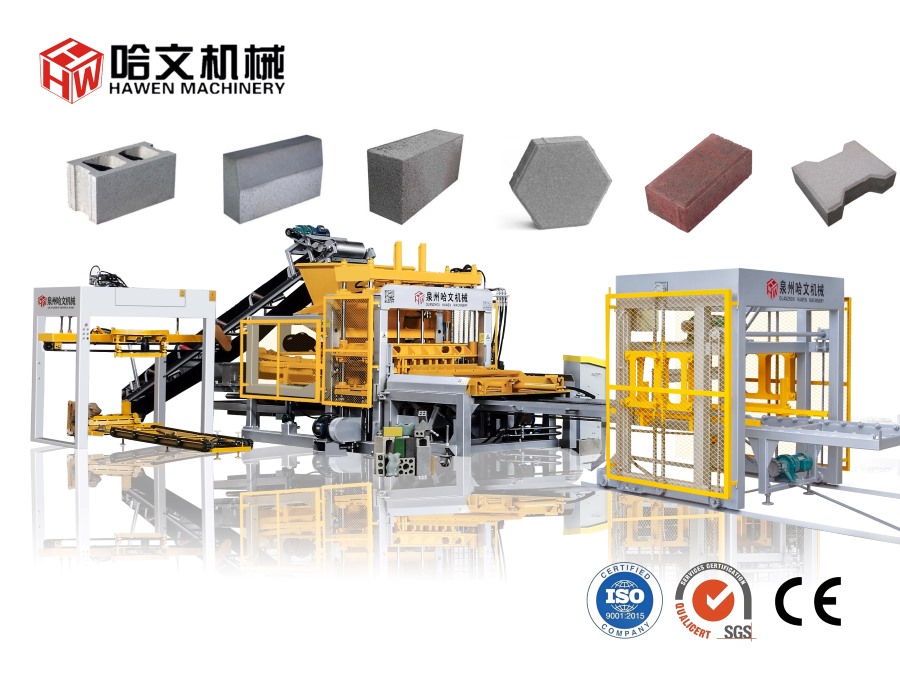
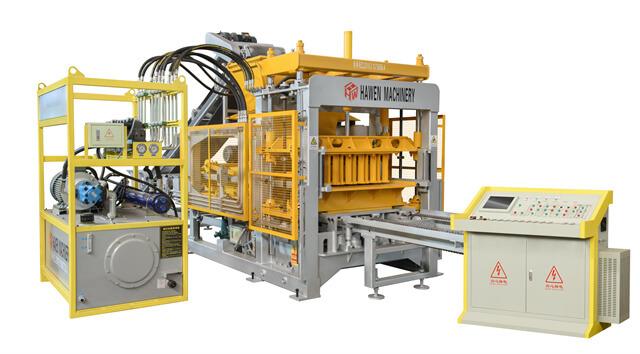
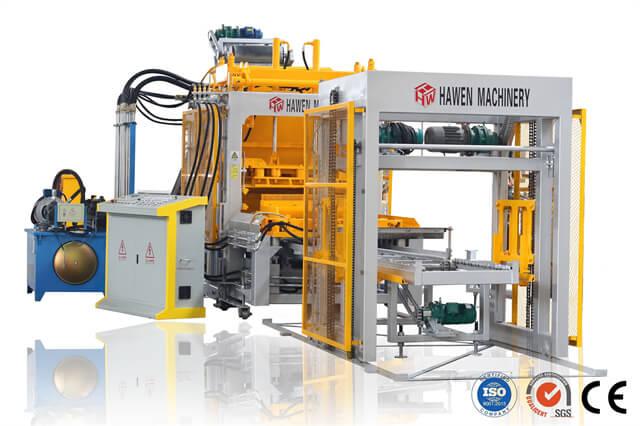
At Hawen Machinery, a four-shaft vibration box system is implemented, with eccentric blocks positioned externally. This configuration reduces internal resistance during vibration, enabling more uniform force distribution. As a result, compaction becomes more consistent, cement usage can be reduced, and overall efficiency improves.
This highlights a broader principle: mechanical design directly influences product uniformity, regardless of whether the equipment is labeled as a block machine or brick machine.
4. Worn or Low-Precision Moulds
Mould condition is often overlooked until defects become visible. However, worn moulds can cause:
Dimensional deviations
Edge damage
Uneven surface finish
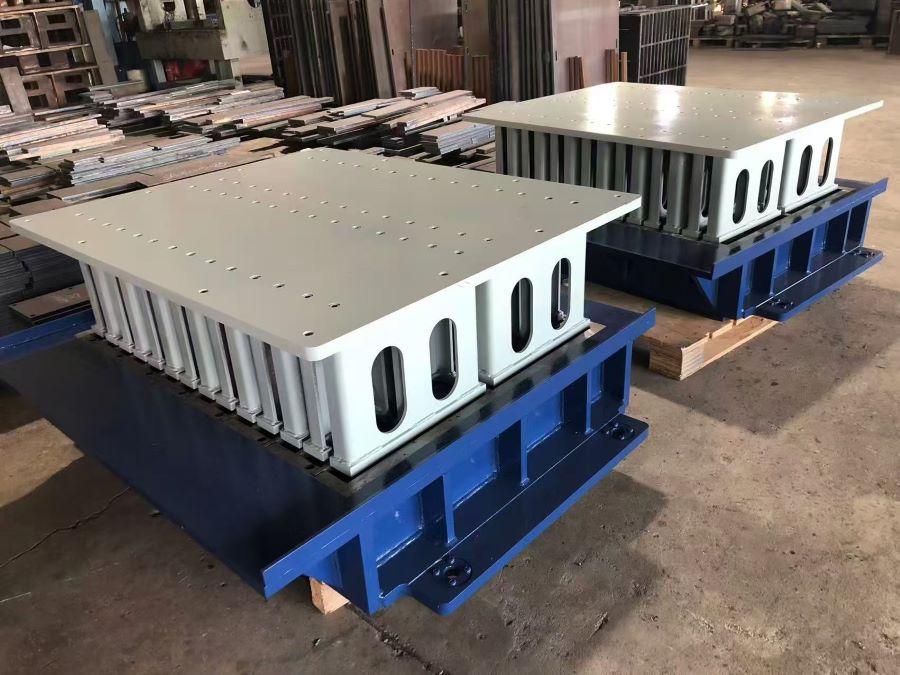
Hawen Machinery designs moulds compatible with major global brands such as MASA, HESS, ZENITH, POYATOS, BESSER, and TIGER. Manufactured according to original specifications, these moulds ensure precise alignment and smooth demoulding across different platforms.
All moulds undergo heat treatment to enhance wear resistance, with hardness controlled at HRC 60–62, ensuring durability without compromising toughness.
Note: A high-quality mould does not merely shape the block—it stabilizes the entire production process.
5. Lack of Control System Precision
Modern block making machines rely heavily on control systems to maintain consistency. Without precise control, even minor fluctuations in timing, pressure, or vibration can lead to noticeable quality differences.
Hawen Machinery integrates a SIEMENS S7-200 PLC system with an intuitive touch interface and remote monitoring capabilities. This allows operators to:
Monitor real-time machine performance
Adjust parameters with accuracy
Maintain consistent production cycles
Remote monitoring further enables timely optimization, reducing the risk of prolonged deviation.
6. Hydraulic System Instability
The hydraulic system governs critical movements such as mould lifting, pressing, and pallet handling. Any instability—pressure fluctuation, delayed response, or leakage—can directly affect block formation.
In Hawen equipment, hydraulic configurations typically incorporate precision-engineered control valves from established Japanese manufacturers, combined with durable pumps sourced from reputable American brands. This combination ensures stable pressure output, responsive control, and long-term reliability.
A stable hydraulic system is not merely supportive—it is foundational to consistent block quality.
7. Operator Skill and Process Discipline
Even with advanced equipment, human factors remain decisive. Inconsistent operation—such as irregular feeding, improper parameter adjustment, or lack of routine inspection—can quickly destabilize production.
Establishing standardized operating procedures is essential:
Fixed mixing time
Defined vibration duration
Regular equipment checks
Consistency is not achieved through machinery alone, but through disciplined execution.
Conclusion: Consistency Is a System, Not a Coincidence
Inconsistent concrete blocks are not the result of isolated errors; they are the visible outcome of systemic imbalance. From raw material control to mechanical precision, from hydraulic stability to operator discipline—each element plays a role in shaping the final product.
The most successful manufacturers understand that quality is not inspected into the product—it is engineered into the process.
And once consistency is achieved, something remarkable happens:
Production becomes predictable, costs become controllable, and trust—both internal and external—becomes sustainable.
In a market where reliability defines competitiveness, consistency is not just a technical objective. It is a strategic advantage.
FAQ
1. Why do blocks from the same machine sometimes have different strength?
This is usually due to variations in raw material ratios, moisture content, or compaction efficiency during different production cycles.
2. How often should moulds be checked or replaced?
Moulds should be inspected regularly for wear and dimensional accuracy. Replacement depends on production volume and material abrasiveness.
3. Can automation alone solve inconsistency issues?
No. While automation improves control, consistency also depends on raw materials, machine condition, and operator discipline.
4. What is the fastest way to improve block consistency?
Start by stabilizing raw material ratios and moisture content, then ensure proper vibration and mould condition. These factors yield the most immediate improvement.





 Tel: +86-13905968794
 Email: export@hwmachines.com
 MP/WhatsApp: +86-13905968794
 Manufacturer Address:Nanan,Quanzhou City,Fujian Province,China