How Data Monitoring Improves Block Production Efficiency
Author:HAWEN Block MachineFROM:Brick Production Machine Manufacturer
TIME:2026-04-24
In contemporary manufacturing, efficiency is no longer a function of output volume alone. It is increasingly defined by the capacity to observe, interpret, and optimize production processes in real time. In the context of concrete block manufacturing, data monitoring has evolved from a supplementary tool into a central operational paradigm—one that systematically reduces uncertainty, enhances consistency, and unlocks latent productivity.
1. From Reactive Operation to Proactive Control
Traditional block production often relies on operator experience and intermittent inspection. While such approaches may sustain basic output, they are inherently reactive. Problems are detected only after defects occur, leading to material waste, downtime, and fluctuating quality.
Data monitoring transforms this dynamic. By continuously collecting operational parameters—such as vibration frequency, hydraulic pressure, cycle time, and material feed rate—manufacturers can identify deviations before they escalate into systemic inefficiencies.
In essence, production shifts from “post-failure correction” to “preemptive optimization.”
2. Real-Time Visibility and Process Transparency
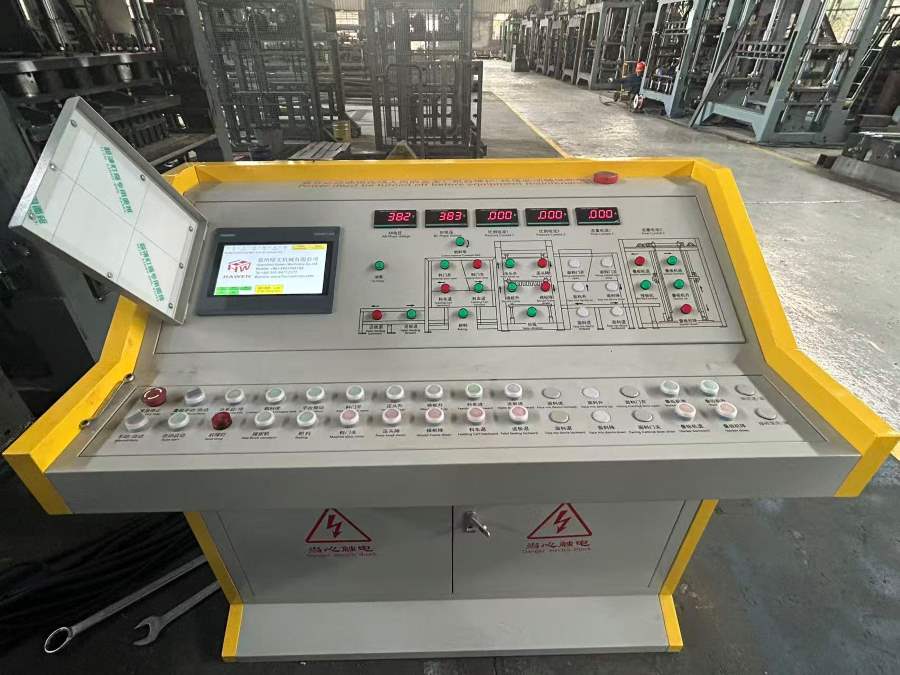
A fundamental advantage of data monitoring lies in its ability to provide real-time visibility into machine performance. Modern control architectures enable operators to track every critical variable during production, thereby eliminating informational blind spots.
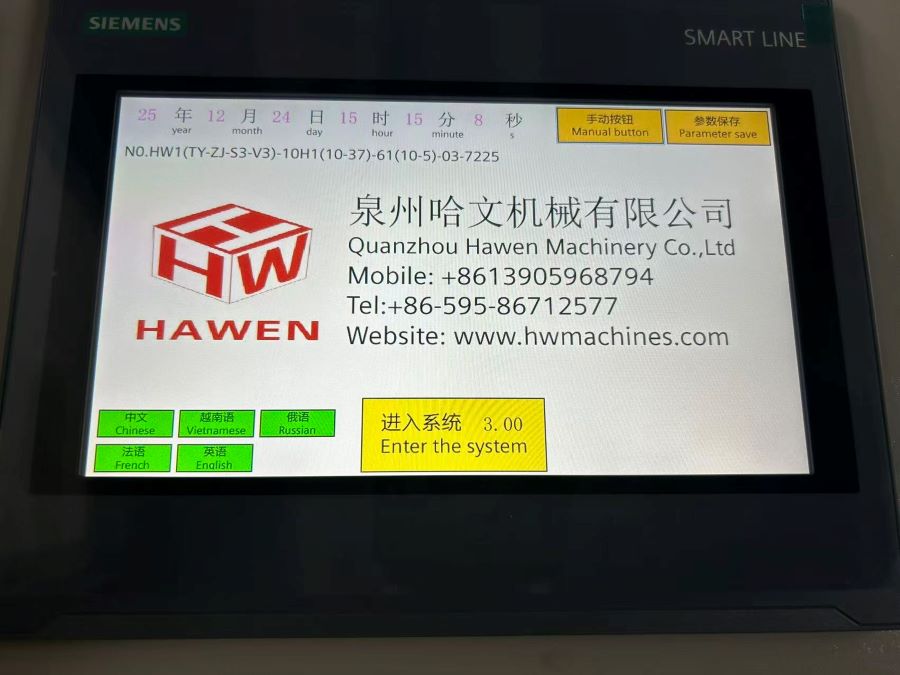
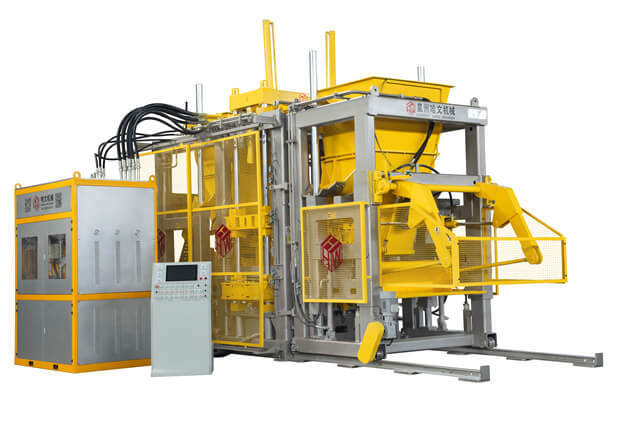
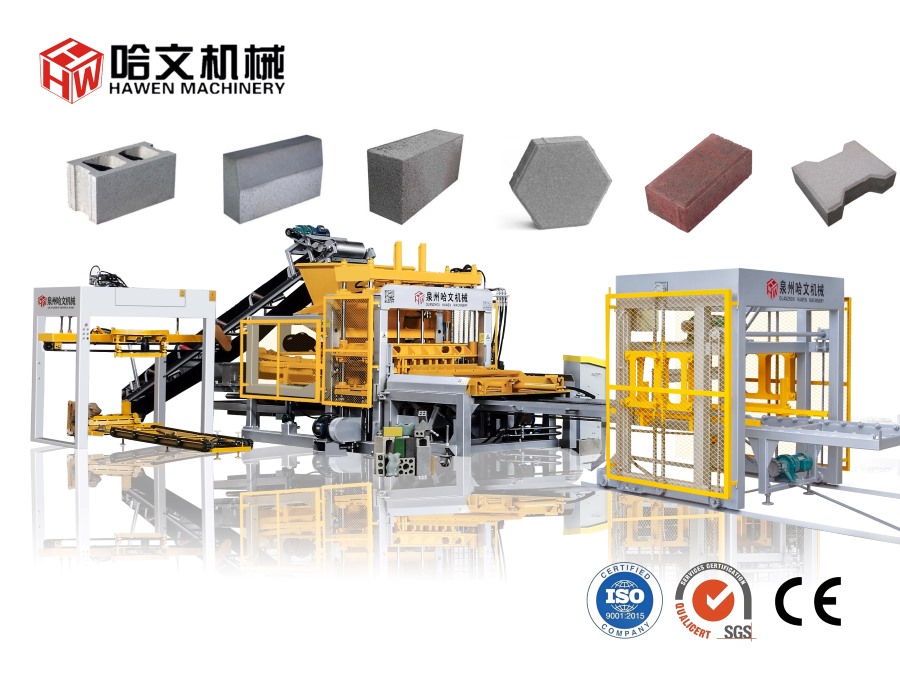
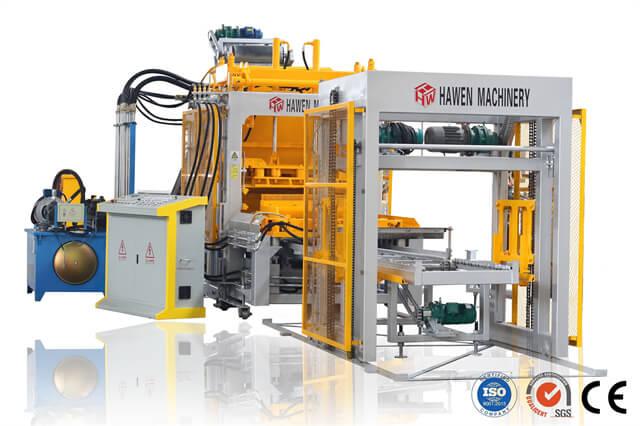
Hawen Machinery integrates a SIEMENS S7-200 PLC system with a user-friendly touch interface and remote monitoring functionality. Through this configuration, operators can access live data streams, diagnose anomalies, and adjust parameters without interrupting production.
Note: In high-frequency production environments, even marginal delays in response can compound into significant efficiency losses. Real-time monitoring mitigates this risk by shortening the decision-making cycle.
3. Optimization of Vibration and Compaction Efficiency
Efficient block formation depends heavily on vibration consistency and compaction uniformity. Data monitoring allows precise tracking of vibration amplitude, frequency stability, and cycle duration.
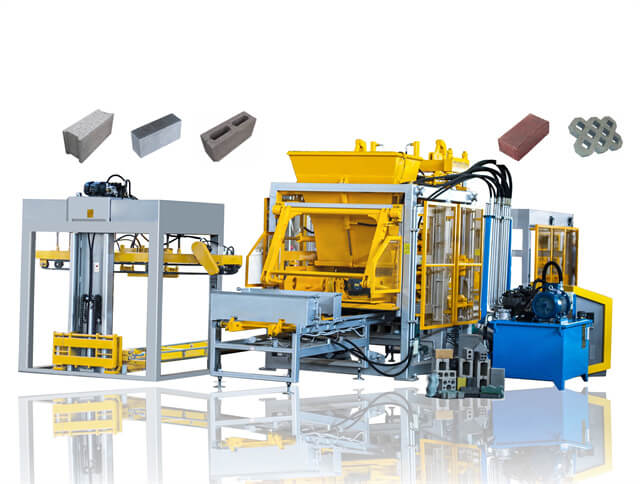
Hawen Machinery adopts a four-shaft vibration box design, positioning eccentric blocks externally to minimize resistance. This structural optimization ensures uniform compaction, reduces cement consumption, and enhances overall efficiency.
When combined with data monitoring, this system becomes even more effective. Operators can fine-tune vibration parameters based on real-time feedback, ensuring that each production cycle operates within optimal thresholds.
4. Hydraulic Performance Monitoring and Stability
Hydraulic systems are central to block machine operation, governing mold movement, pressure application, and material distribution. Any instability in hydraulic performance can directly compromise product quality and machine reliability.
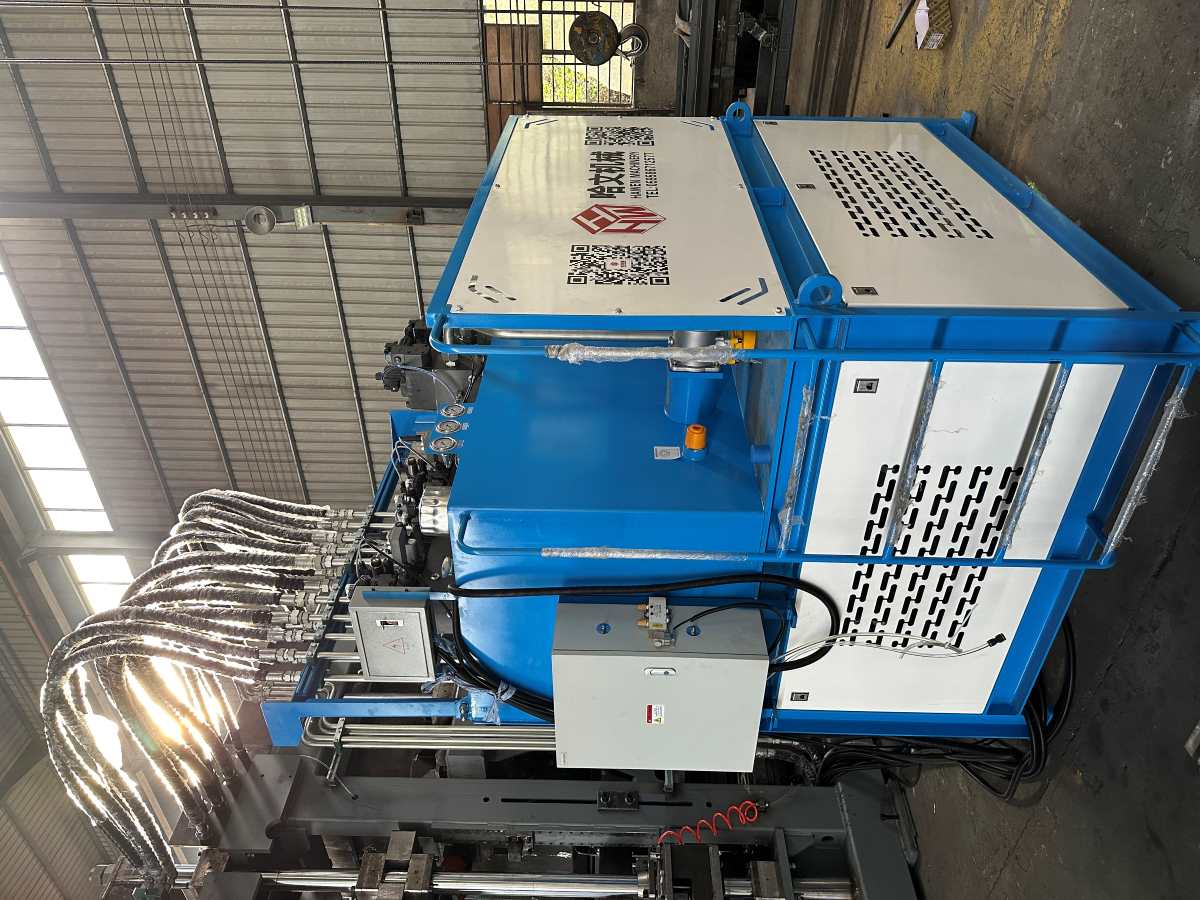
Advanced monitoring systems track pressure fluctuations, oil temperature, and flow rates continuously. In some configurations, hydraulic stations incorporate high-precision components such as Japanese YUKEN control valves and American ALBERT hydraulic pumps. These elements ensure stable flow regulation and sustained load capacity under demanding conditions.
By integrating sensor feedback with monitoring software, manufacturers can detect early signs of inefficiency—such as pressure drops or overheating—and intervene before failures occur.
5. Data-Driven Mold Management and Quality Consistency
Mold performance is another critical determinant of production efficiency. Wear, misalignment, or improper fitting can lead to dimensional inconsistencies and increased rejection rates.
Hawen Machinery designs molds compatible with leading global brands, including MASA, HESS, ZENITH, POYATOS, BESSER, TIGER, and others. These molds are produced according to original specifications and undergo heat treatment to improve wear resistance and durability.
Through data monitoring, production managers can correlate mold usage cycles with product quality metrics. This enables predictive maintenance scheduling, ensuring molds are serviced or replaced at optimal intervals rather than after defects emerge.
6. Energy Efficiency and Resource Optimization
Beyond mechanical performance, data monitoring also contributes to resource efficiency. By analyzing energy consumption patterns, manufacturers can identify inefficiencies in motor operation, vibration cycles, and hydraulic load distribution.
This analytical approach supports targeted optimization strategies, such as adjusting cycle timing or reducing unnecessary idle operation. Over time, these incremental improvements can significantly lower production costs without compromising output quality.
FAQ: Data Monitoring in Block Production
1. What types of data are most important in block production monitoring?
Key parameters include vibration frequency, hydraulic pressure, cycle time, material ratios, and temperature conditions.
2. Can data monitoring reduce production downtime?
Yes. By detecting anomalies early, it enables preventive maintenance and minimizes unexpected machine failures.
3. Is data monitoring suitable for small-scale factories?
Absolutely. Even basic monitoring systems can improve efficiency and reduce waste, making them valuable across different production scales.
4. Does data monitoring require advanced technical expertise?
Modern systems are designed with intuitive interfaces, allowing operators to interpret data and make adjustments with minimal training.
Conclusion
Data monitoring is not merely a technological enhancement; it is a strategic transformation in how block production is conceived and executed. By embedding intelligence into every stage of the manufacturing process, it enables a level of precision and responsiveness that traditional methods cannot achieve.
In an industry where margins are often defined by efficiency gains measured in seconds and millimeters, the ability to see, understand, and act upon real-time data becomes a decisive competitive advantage. Ultimately, data monitoring does more than improve production—it redefines the very logic of industrial performance, turning information into a tangible driver of value creation.






 Tel: +86-13905968794
 Email: export@hwmachines.com
 MP/WhatsApp: +86-13905968794
 Manufacturer Address:Nanan,Quanzhou City,Fujian Province,China