How Block Machines Meet Construction Industry Standards
Author:HAWEN Block MachineFROM:Brick Production Machine Manufacturer
TIME:2026-02-27
How Block Machines Meet Construction Industry Standards
In an era when the construction industry is increasingly regulated, technologically sophisticated, and quality-driven, block machines are no longer judged merely by output capacity.
They are evaluated against a comprehensive matrix of structural, environmental, and operational standards.
From compressive strength benchmarks to dimensional tolerances and sustainability requirements, modern block machines must demonstrate conformity at every stage of production.
The question, therefore, is not simply how many blocks can be produced per hour, but how consistently those blocks satisfy the codified expectations of contemporary construction practice.
I. Compliance with Structural Performance Standards
At the core of construction standards lies structural integrity.
Concrete blocks must meet stipulated compressive strength grades, density classifications, and durability indices defined by internationally recognized construction and material standards.
Whether referencing local, regional, or international frameworks, the underlying principle remains identical: load-bearing units must exhibit predictable mechanical performance under stress.
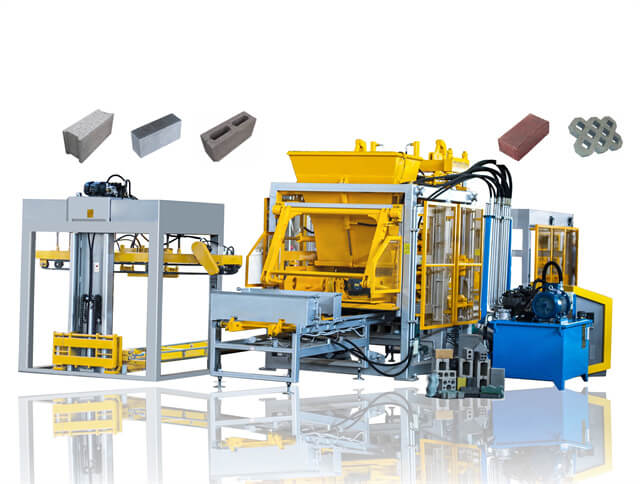
Block machines achieve this compliance through calibrated vibration and compaction mechanisms.
A high-performance vibration system ensures that aggregates are uniformly distributed and air voids are minimized.
The result is enhanced density and superior compressive strength.
When compaction is uneven, microscopic fissures emerge, compromising long-term stability.
Precision vibration technology mitigates such risks, thereby aligning finished products with structural safety standards.
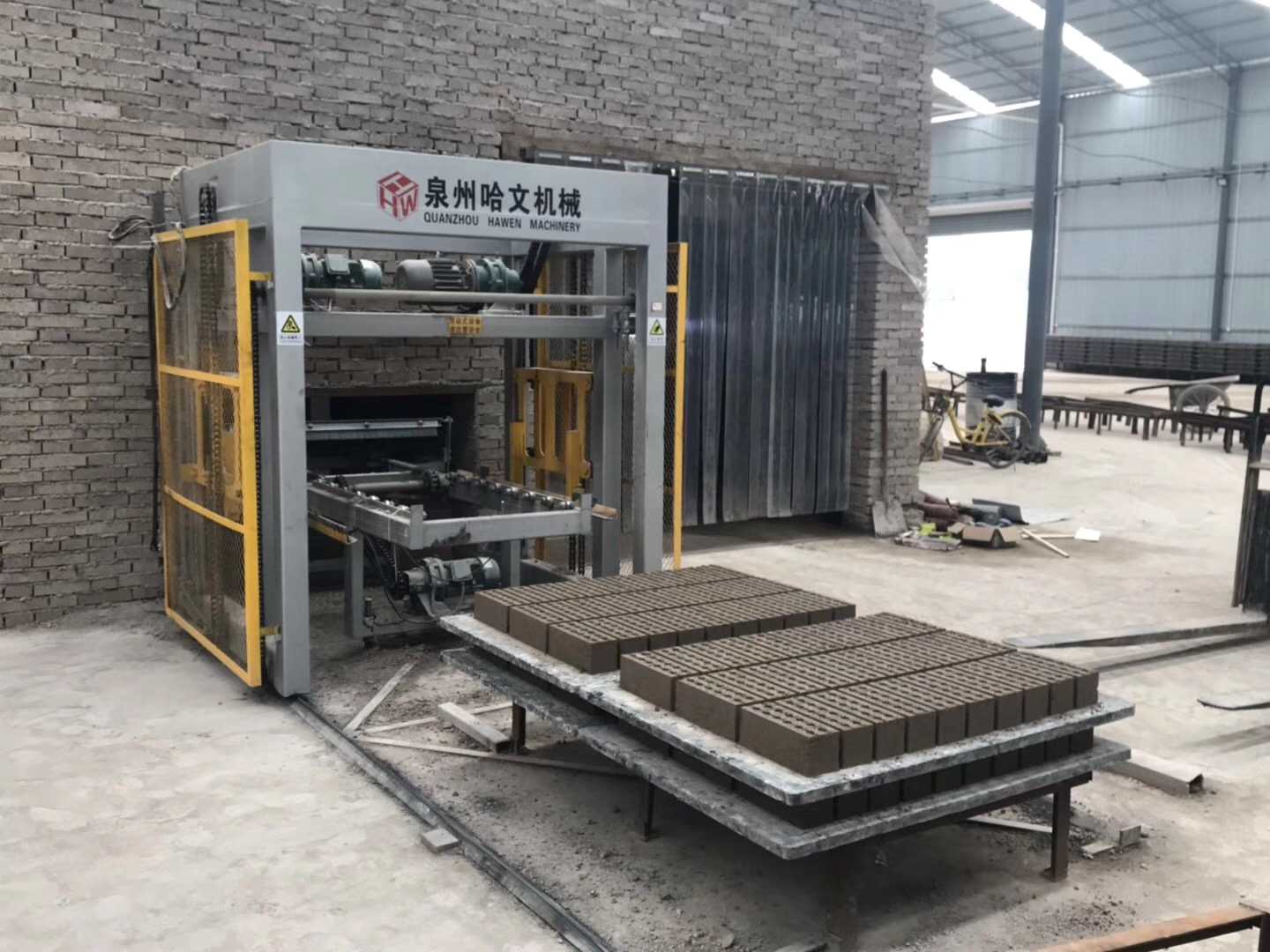
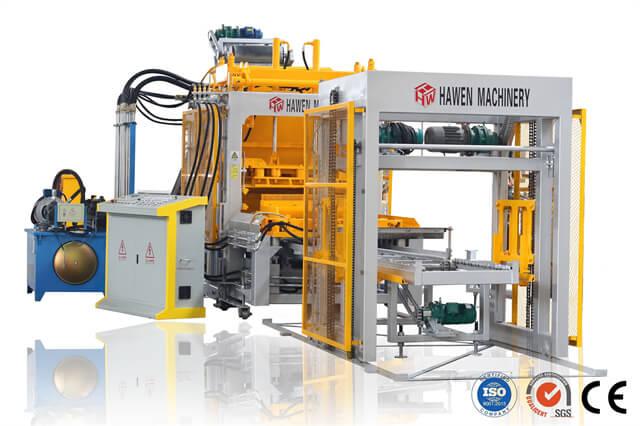
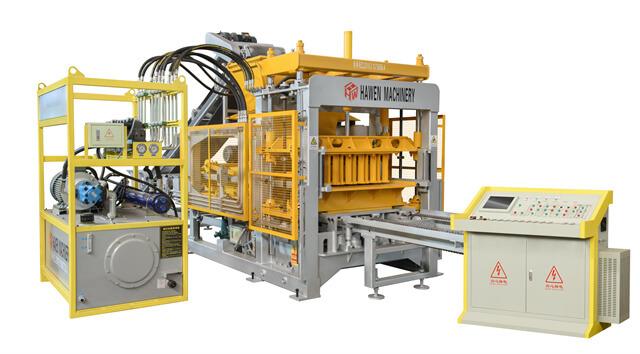
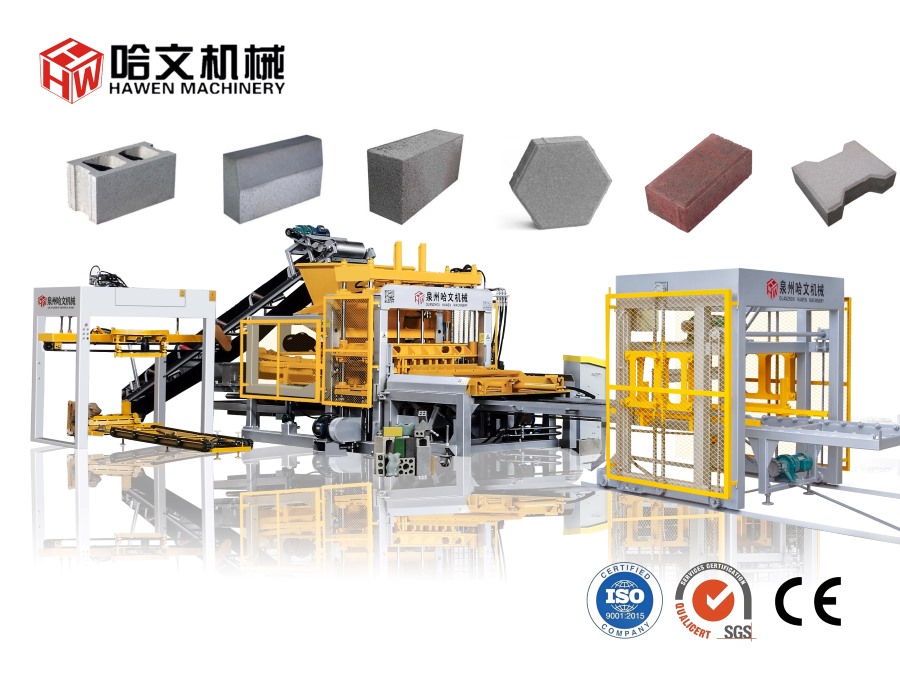
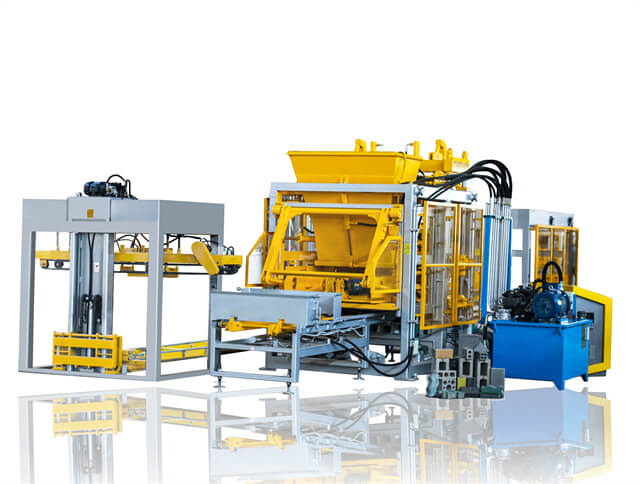
Hawen Machinery, for instance, employs a four-shaft vibration box configuration, with eccentric weights positioned externally rather than enclosed within the housing.
This engineering arrangement reduces internal resistance during oscillation, promotes homogeneous compaction, and decreases cement consumption without sacrificing strength.
In doing so, it not only enhances production efficiency but also ensures that each block conforms to stringent performance requirements.
 II. Dimensional Accuracy and Geometric Consistency
Modern construction tolerances are unforgiving.
Variations of even a few millimeters can disrupt alignment, increase mortar consumption, and diminish aesthetic uniformity.
Industry standards therefore prescribe strict dimensional deviations for length, width, and height.
Block machines address this challenge through precision mold fabrication and stable frame structures.
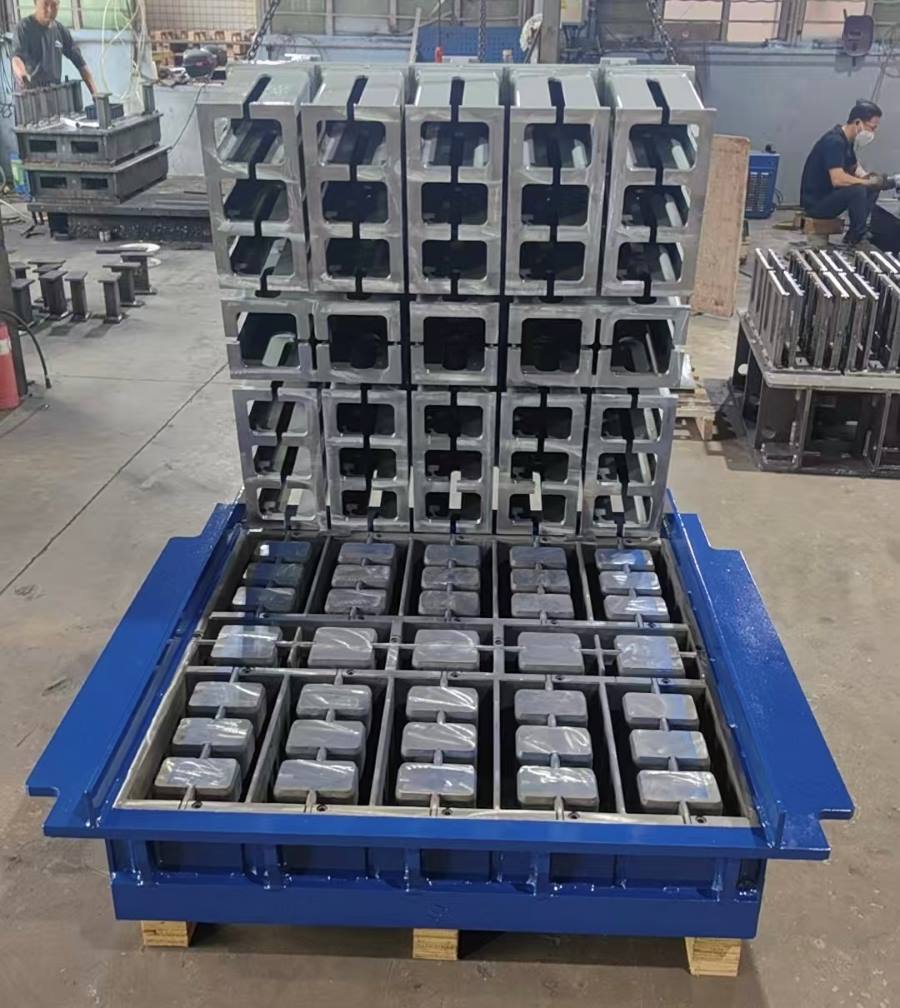
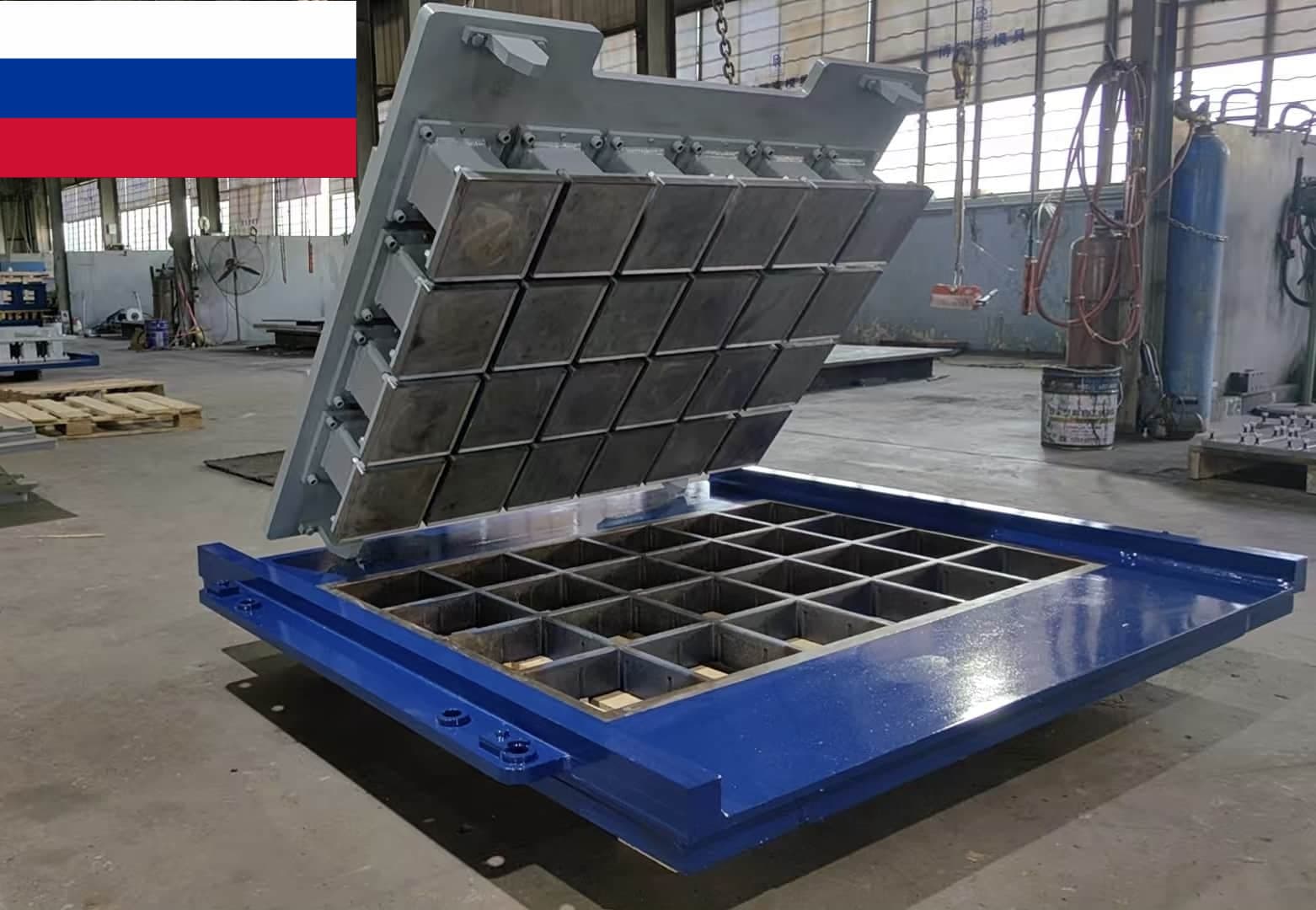
High-rigidity machine frames prevent deformation during vibration cycles, while CNC-machined molds guarantee geometric fidelity.
The synergy between mechanical stability and mold accuracy is essential for producing blocks that fit seamlessly into standardized modular systems.
Hawen Machinery develops molds compatible with globally recognized brands such as MASA, HESS, ZENITH, POYATOS, BESSER, TIGER, and others.
By adhering closely to original design specifications, these molds ensure precise alignment, smooth demolding, and cross-platform compatibility.
This interoperability is particularly valuable for multinational contractors who operate diversified equipment fleets.
II. Dimensional Accuracy and Geometric Consistency
Modern construction tolerances are unforgiving.
Variations of even a few millimeters can disrupt alignment, increase mortar consumption, and diminish aesthetic uniformity.
Industry standards therefore prescribe strict dimensional deviations for length, width, and height.
Block machines address this challenge through precision mold fabrication and stable frame structures.
High-rigidity machine frames prevent deformation during vibration cycles, while CNC-machined molds guarantee geometric fidelity.
The synergy between mechanical stability and mold accuracy is essential for producing blocks that fit seamlessly into standardized modular systems.
Hawen Machinery develops molds compatible with globally recognized brands such as MASA, HESS, ZENITH, POYATOS, BESSER, TIGER, and others.
By adhering closely to original design specifications, these molds ensure precise alignment, smooth demolding, and cross-platform compatibility.
This interoperability is particularly valuable for multinational contractors who operate diversified equipment fleets.
 III. Hydraulic Reliability and Process Stability
Construction standards extend beyond product parameters; they also concern manufacturing reliability.
Fluctuations in pressure or mechanical instability can generate inconsistent density, leading to non-compliant batches.
Consequently, the hydraulic system constitutes the operational backbone of any block machine.
Advanced systems integrate internationally reputable components to maintain stable pressure regulation and responsive directional control.
High-grade proportional valves modulate oil flow with accuracy, while robust hydraulic pumps sustain continuous heavy-duty operation.
This synergy ensures that compaction pressure remains constant throughout production cycles, minimizing variance and safeguarding compliance.
In Hawen’s configuration, the hydraulic assembly incorporates precision-engineered Japanese proportional and directional valves alongside a high-performance American hydraulic pump.
The integration of these components enhances load-bearing capacity, extends service life, and guarantees consistent pressure delivery—an indispensable prerequisite for meeting structural standards.
IV. Intelligent Control and Data Traceability
Digitalization has redefined quality assurance.
Construction standards increasingly demand traceability, process documentation, and data transparency.
Intelligent control systems therefore play a decisive role in regulatory compliance.
A programmable logic controller (PLC) governs material feeding ratios, vibration duration, hydraulic timing, and curing parameters.
Real-time monitoring ensures that deviations are detected immediately rather than after quality inspections.
By recording operational data, manufacturers can demonstrate compliance retrospectively—an asset during audits or certification procedures.
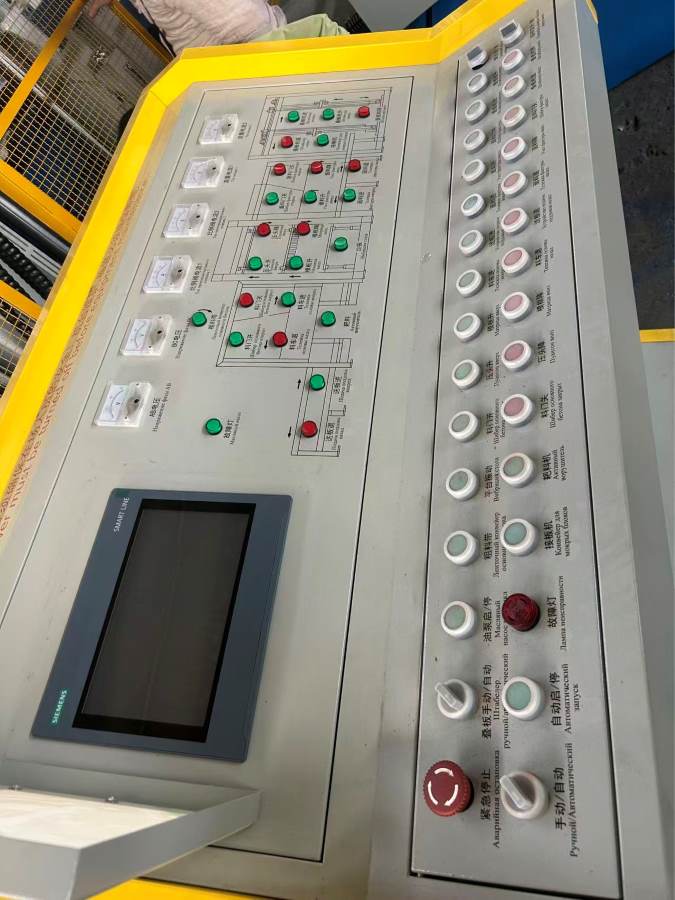
Hawen Machinery integrates a SIEMENS S7-200 PLC paired with a user-friendly touch interface and remote diagnostic capabilities.
Through this architecture, operational parameters can be optimized remotely, production data can be archived systematically, and machine performance can be supervised in real time.
Such digital oversight strengthens quality consistency while reducing downtime.
III. Hydraulic Reliability and Process Stability
Construction standards extend beyond product parameters; they also concern manufacturing reliability.
Fluctuations in pressure or mechanical instability can generate inconsistent density, leading to non-compliant batches.
Consequently, the hydraulic system constitutes the operational backbone of any block machine.
Advanced systems integrate internationally reputable components to maintain stable pressure regulation and responsive directional control.
High-grade proportional valves modulate oil flow with accuracy, while robust hydraulic pumps sustain continuous heavy-duty operation.
This synergy ensures that compaction pressure remains constant throughout production cycles, minimizing variance and safeguarding compliance.
In Hawen’s configuration, the hydraulic assembly incorporates precision-engineered Japanese proportional and directional valves alongside a high-performance American hydraulic pump.
The integration of these components enhances load-bearing capacity, extends service life, and guarantees consistent pressure delivery—an indispensable prerequisite for meeting structural standards.
IV. Intelligent Control and Data Traceability
Digitalization has redefined quality assurance.
Construction standards increasingly demand traceability, process documentation, and data transparency.
Intelligent control systems therefore play a decisive role in regulatory compliance.
A programmable logic controller (PLC) governs material feeding ratios, vibration duration, hydraulic timing, and curing parameters.
Real-time monitoring ensures that deviations are detected immediately rather than after quality inspections.
By recording operational data, manufacturers can demonstrate compliance retrospectively—an asset during audits or certification procedures.
Hawen Machinery integrates a SIEMENS S7-200 PLC paired with a user-friendly touch interface and remote diagnostic capabilities.
Through this architecture, operational parameters can be optimized remotely, production data can be archived systematically, and machine performance can be supervised in real time.
Such digital oversight strengthens quality consistency while reducing downtime.
 V. Environmental and Sustainability Standards
Beyond structural metrics, environmental sustainability has become a defining dimension of modern construction codes.
Energy efficiency, reduced carbon footprint, and optimized resource utilization are now embedded within regulatory discourse.
Block machines contribute to sustainability by enabling the use of industrial by-products such as fly ash and slag as partial cement replacements.
Efficient vibration systems lower cement demand, while automated batching improves material accuracy and reduces waste.
Moreover, energy-efficient motors and optimized hydraulic circuits curtail electricity consumption per unit output.
By combining uniform compaction with reduced cement ratios, advanced block machines help manufacturers achieve both compliance and ecological responsibility.
Sustainability is no longer an optional virtue; it is an institutional requirement.
VI. Safety Standards and Operational Protection
Industrial safety regulations mandate protective mechanisms that safeguard operators and maintenance personnel.
Emergency stop systems, protective enclosures, and fault-alarm protocols are indispensable features.
A well-designed block machine incorporates layered safety interlocks, ensuring that vibration or hydraulic cycles cannot be initiated when protective doors are open.
Clear interface displays and automated diagnostics further reduce the probability of human error.
Compliance with safety directives not only protects personnel but also fortifies a company's regulatory credibility.
VII. Conclusion: From Mechanical Equipment to Industrial Assurance
Ultimately, block machines are not mere manufacturing devices; they are instruments of industrial assurance.
They embody a convergence of mechanical precision, hydraulic stability, digital intelligence, and environmental accountability.
To meet construction industry standards is not simply to satisfy numerical thresholds.
It is to internalize a philosophy of consistency, reliability, and responsibility.
As global construction evolves toward higher benchmarks of sustainability, safety, and structural resilience, the block machine stands at the intersection of engineering rigor and regulatory discipline.
Manufacturers such as Hawen Machinery illustrate how technological refinement can transform compliance from a procedural obligation into a competitive advantage.
In this broader perspective, meeting industry standards is not the culmination of innovation—it is the foundation upon which trust is built.
And in construction, trust is the most enduring structure of all.
V. Environmental and Sustainability Standards
Beyond structural metrics, environmental sustainability has become a defining dimension of modern construction codes.
Energy efficiency, reduced carbon footprint, and optimized resource utilization are now embedded within regulatory discourse.
Block machines contribute to sustainability by enabling the use of industrial by-products such as fly ash and slag as partial cement replacements.
Efficient vibration systems lower cement demand, while automated batching improves material accuracy and reduces waste.
Moreover, energy-efficient motors and optimized hydraulic circuits curtail electricity consumption per unit output.
By combining uniform compaction with reduced cement ratios, advanced block machines help manufacturers achieve both compliance and ecological responsibility.
Sustainability is no longer an optional virtue; it is an institutional requirement.
VI. Safety Standards and Operational Protection
Industrial safety regulations mandate protective mechanisms that safeguard operators and maintenance personnel.
Emergency stop systems, protective enclosures, and fault-alarm protocols are indispensable features.
A well-designed block machine incorporates layered safety interlocks, ensuring that vibration or hydraulic cycles cannot be initiated when protective doors are open.
Clear interface displays and automated diagnostics further reduce the probability of human error.
Compliance with safety directives not only protects personnel but also fortifies a company's regulatory credibility.
VII. Conclusion: From Mechanical Equipment to Industrial Assurance
Ultimately, block machines are not mere manufacturing devices; they are instruments of industrial assurance.
They embody a convergence of mechanical precision, hydraulic stability, digital intelligence, and environmental accountability.
To meet construction industry standards is not simply to satisfy numerical thresholds.
It is to internalize a philosophy of consistency, reliability, and responsibility.
As global construction evolves toward higher benchmarks of sustainability, safety, and structural resilience, the block machine stands at the intersection of engineering rigor and regulatory discipline.
Manufacturers such as Hawen Machinery illustrate how technological refinement can transform compliance from a procedural obligation into a competitive advantage.
In this broader perspective, meeting industry standards is not the culmination of innovation—it is the foundation upon which trust is built.
And in construction, trust is the most enduring structure of all.





 Tel: +86-13905968794
 Email: export@hwmachines.com
 MP/WhatsApp: +86-13905968794
 Manufacturer Address:Nanan,Quanzhou City,Fujian Province,China