Which Mixer Feeding System Fits a Concrete Block Plant: Belt Conveyor or Skip Hoist? 主图地址:
Author:HAWEN Block MachineFROM:Brick Production Machine ManufacturerTIME:2026-11-04
MENU
A concrete block plant needs its mixer to receive the right materials in a predictable sequence. Buyers comparing a belt conveyor with a skip hoist should therefore look beyond the equipment name and purchase price. The selected arrangement must connect the batching equipment, mixer inlet, plant layout, and control sequence without creating an avoidable waiting point.
Both options can form part of a suitable block production arrangement. Neither is automatically the better choice for every factory. Available space, charging elevation, batch requirements, material behaviour, access, and the supplier's proposed configuration determine which option deserves closer consideration.
This guide focuses on aggregate transfer into the concrete mixer. It does not treat cement screw conveyors, mixed-concrete delivery to the forming machine, or production-pallet conveyors as interchangeable duties. The aim is to help buyers compare complete feeding proposals using consistent information rather than a general assumption that one transfer method is always faster or more compact.
Key principle: compare the two feeding methods as complete batch-delivery systems — from the batching outlet to the mixer inlet — using the same material duty, elevation, and layout assumptions. Equipment speed or footprint alone does not establish which arrangement suits a given plant.
A skip-hoist proposal should be reviewed as a complete loading, travel, discharge, and return arrangement.
Identify the Material Route Being Compared
Begin by locating the transfer stage on the plant flow diagram. Identify where aggregate weighing occurs, which equipment releases the material, where the transfer begins, and how it enters the mixer. A quotation may use the word conveyor for several different items. The buyer needs to know which item is included before comparing alternatives.
Separate an aggregate-feeding belt from a belt carrying mixed concrete after the mixer. Their positions in the process differ, and their interfaces should not be assumed identical. The same distinction applies to a skip receiving aggregate before mixing and any other material-handling arrangement elsewhere in the plant. A familiar equipment photograph does not define its proposed duty.
Describe the materials covered by the comparison. Record the aggregate types, intended grading information, expected moisture variation, and any materials requiring separate handling. Confirm whether the same route serves all proposed recipes. If the plant also has face-mix production, identify its material supply separately rather than assuming that the main aggregate-feeding arrangement covers both systems.
Establish the scope of supply at each interface. The proposal should identify the relevant loading hopper, transfer equipment, supports, discharge connection, guarding, controls, and other included items. Where an existing component will be retained, mark its compatibility as a review item until confirmed. This prevents a low equipment price from concealing essential integration work outside the quotation.
Compare Complete Batch Delivery Rather Than Equipment Speed
The useful production question is whether the feeding arrangement can deliver the required aggregate quantity within the intended batching and mixing sequence. A belt-speed figure or hoist travel speed answers only part of that question. The comparison should account for loading, movement, discharge, waiting, and readiness for the following batch.
A skip hoist operates through identifiable loading and travel events. Ask the supplier to explain the complete proposed sequence, including how the loading and discharge conditions are confirmed and when the equipment becomes ready again. Do not calculate usable feeding capacity from upward travel alone while omitting the other parts of the cycle.
A belt conveyor may also operate as part of a controlled batch sequence. Continuous belt movement does not necessarily mean that the plant receives an uninterrupted aggregate flow. The batching gates, transfer duration, material remaining in the route, mixer readiness, and control arrangement influence the actual delivery pattern. Ask how batch boundaries are preserved in the proposed system.
Compare both options using the same intended batch requirement and production conditions. If one proposal assumes a different mixer size or a different aggregate-loading arrangement, make that difference explicit. The buyer should not interpret two unmatched demonstrations as a direct equipment comparison. Record the assumptions before deciding which arrangement has adequate capacity.
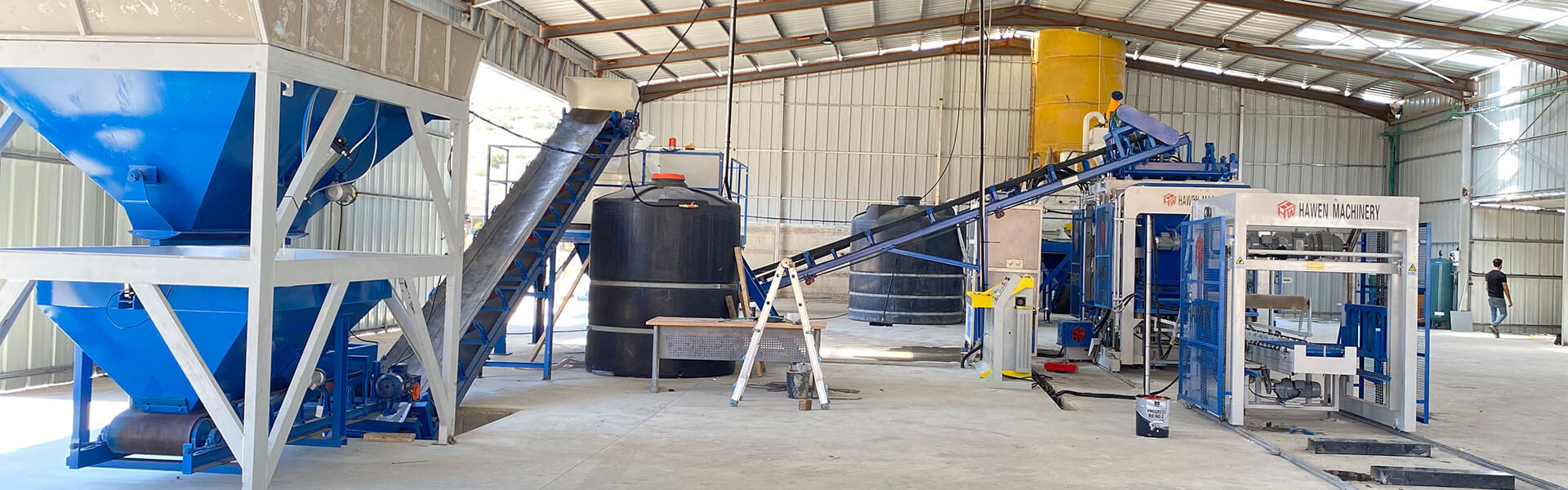
The feeding comparison should begin at the actual batching outlet and continue to the mixer inlet.
Review Horizontal Space, Elevation, and Access Together
Request a layout drawing that shows the complete equipment envelope rather than only the transfer unit's nominal dimensions. Include the batching outlet, mixer charging point, supporting structure, adjacent equipment, building restrictions, and the working areas needed for approved operation and maintenance. A plan view alone cannot explain every elevation-related constraint.
For a belt proposal, ask the supplier to show the intended route, loading and discharge positions, support arrangement, and any transfer points. The suitable inclination and configuration depend on the selected equipment and material duty. Avoid assuming that a belt can follow an available line through the building without reviewing those requirements.
For a skip-hoist proposal, review the loading zone, travel envelope, upper discharge arrangement, supports, and required access. A small apparent ground footprint does not establish that the whole installation occupies less usable space. The building and surrounding equipment must accommodate the complete movement and service envelope shown in the approved design.
Compare usable plant space after installation, not simply the size of the purchased item. Material replenishment, pedestrian separation, cleaning access, maintenance activities, and future equipment removal may compete for the same area. The responsible site specialists and supplier should resolve these interfaces before the buyer approves the arrangement or starts related construction work.
Comparison Item
Belt Conveyor Review
Skip Hoist Review
Batch delivery
Loading sequence, transfer duration, discharge, and route clearance
Loading, travel, discharge, return, and waiting sequence
Layout
Route, elevation change, supports, and transfer interfaces
Loading area, travel envelope, upper discharge, and supports
Material suitability
Proposed carrying arrangement under the actual aggregate conditions
Proposed loading and discharge behaviour under the same conditions
Service access
Inspection points and the supplier's maintenance arrangement
Inspection points and access to the selected hoisting arrangement
Acceptance evidence
Repeated, identifiable batch transfers through the complete route
Repeated, identifiable complete loading and travel cycles
Match the Transfer Arrangement to Actual Aggregate Conditions
Provide the supplier with realistic information about the aggregate rather than only the finished product name. Sand, crushed aggregate, and other approved ingredients can present different transfer conditions. Moisture variation, particle-size distribution, and the presence of fine material should be considered when the supplier selects the proposed feeding configuration.
Ask what material conditions the quotation and capacity statement assume. A demonstration with one material does not establish that the arrangement will perform identically with every locally available aggregate. Where the intended supply varies seasonally or between sources, discuss that variation before finalizing the equipment specification and production expectations.
Review loading and discharge points as part of the material route. Observe whether a proposed demonstration shows consistent transfer, persistent accumulation, spillage, or material remaining where the following batch is expected to pass. Those observations help define questions for the supplier; they should not be treated as a complete diagnosis without an appropriate technical review.
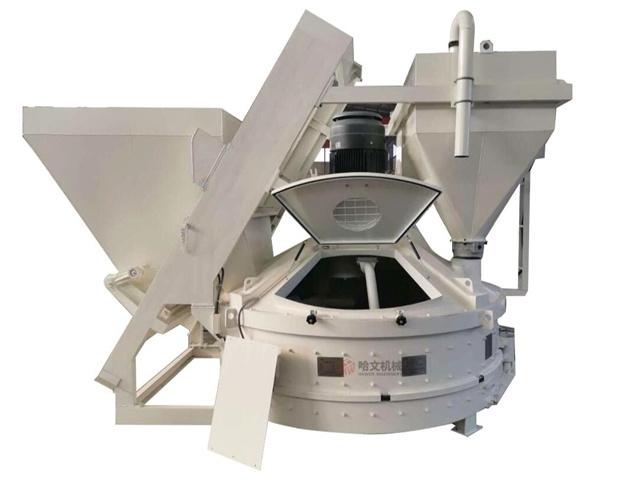
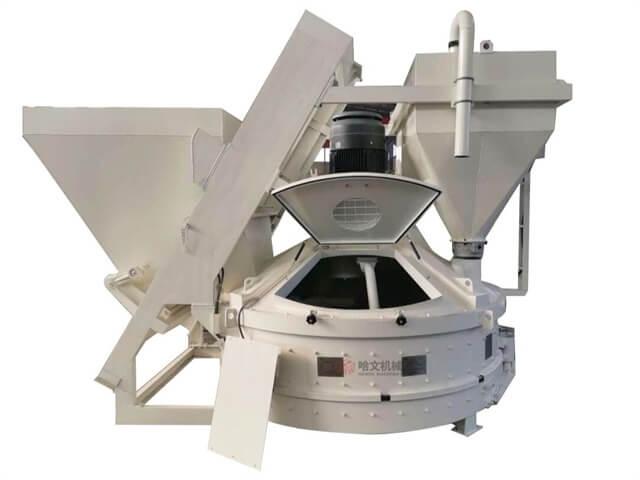
For a planetary concrete mixer used in block production, confirm the proposed charging interface and the coordination between feeding and mixing. Matching a transfer unit to a mixer involves more than comparing nominal capacities. The selected equipment, material duty, loading sequence, and inlet geometry must be reviewed together.
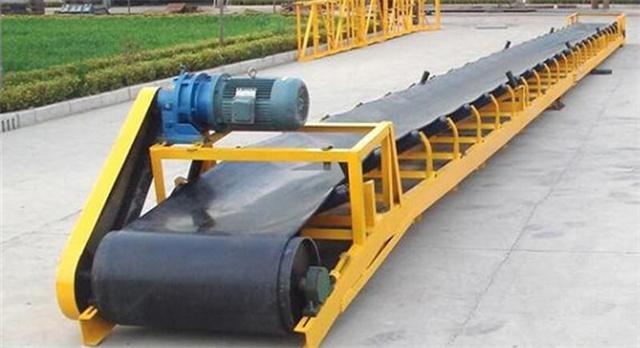
Identify the actual conveyor duty and transfer interfaces instead of comparing equipment names alone.
Compare Cleaning, Maintenance, and Operating Support
Ask each supplier to describe routine inspection and maintenance requirements for the actual configuration offered. Identify the relevant service items, recommended records, spare parts, and access arrangements. A general claim of easy maintenance is less useful than a clear explanation of what the plant's team will need to inspect, maintain, and replace.
Review how accumulated material and ordinary housekeeping will be managed under the supplier's instructions and the site's safe procedures. Access should be considered during design, not after the equipment has been installed between other machines. This comparison does not authorize reaching into moving equipment or removing protective devices to make inspection more convenient.
Consider the plant's available maintenance skills and support arrangements. The buyer should know who can identify the installed components, obtain suitable replacements, and support the control interfaces. Neither a belt conveyor nor a skip hoist is maintenance-free. The practical question is whether the selected arrangement can be supported reliably under the factory's operating conditions.
Request Comparable Drawings and Demonstration Evidence
Place both proposals into one comparison schedule. Use the same material duty, batch requirement, charging elevation, and operating boundary. List included equipment, excluded work, support responsibilities, service access, control interfaces, and the assumptions behind capacity. This makes differences visible without reducing the decision to the initial purchase price.
Request evidence of repeated operation through the proposed sequence. A short equipment movement without material does not demonstrate complete batch delivery. Where a demonstration differs from the intended installation, record the differences and ask the supplier which conclusions remain applicable. Do not describe an illustrative video as a verified trial of the buyer's final configuration.
Agree how the selected feeding arrangement will be checked during plant acceptance. The review should cover the complete route, coordination with the mixer, material-transfer behaviour, and the availability of operating and maintenance information. Confirm the actual criteria with the supplier rather than inserting a universal transfer time or unsupported performance guarantee.
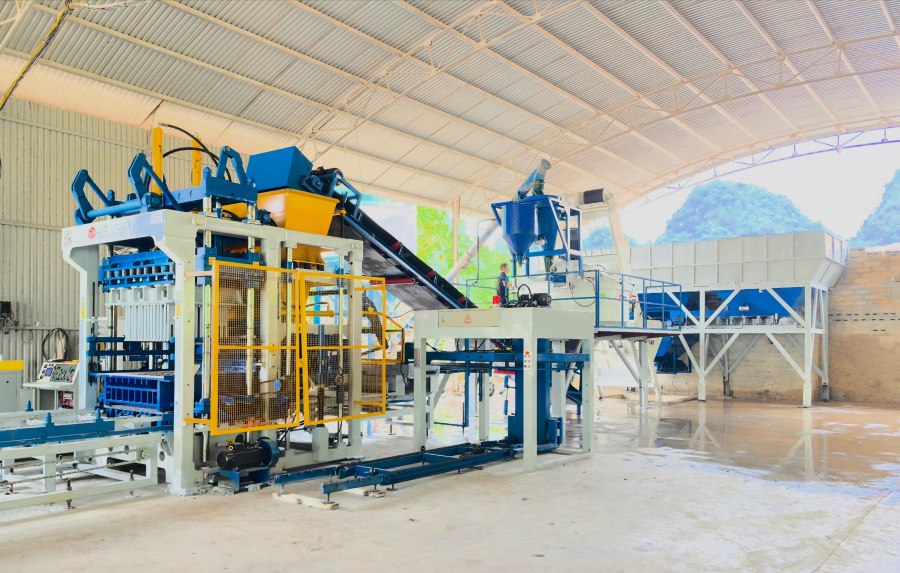
The final selection should match the feeding arrangement to the mixer and the intended production sequence.
FAQ
Is a belt conveyor always faster than a skip hoist?
No universal comparison is reliable without a defined duty. Compare complete batch-delivery performance under the same loading, elevation, material, and mixer-interface conditions. Equipment movement speed alone does not establish usable production capacity.
Does a skip hoist always require less factory space?
Not necessarily. Review the loading area, travel envelope, upper discharge arrangement, supporting structure, and service access. A compact ground footprint can still involve important building and operating-space requirements.
Can the feeding method be changed after the plant is installed?
A change requires a project-specific review of layout, supports, mixer interfaces, controls, and operating arrangements. It should not be assumed to be a direct replacement simply because both options can deliver aggregate.
What should buyers send when requesting a recommendation?
Provide the intended materials, batch requirement, mixer information, charging elevation, available layout, operating conditions, and any retained equipment. The supplier can then review an identified duty instead of making a recommendation from the machine model alone.
Conclusion
Choosing between belt-conveyor and skip-hoist feeding is an integration decision. Define the transfer boundary, compare complete batch delivery, and review the layout and material conditions together. Include service access and operating support before judging the apparent simplicity of either option.
The stronger proposal is the one that explains how the intended aggregate reaches the mixer reliably within the actual plant arrangement. Ask for matching assumptions, complete drawings, and appropriate demonstration evidence before approving the feeding configuration.
Preparing a feeding comparison for your block plant? Send your intended aggregate types, batch requirement, mixer information, charging elevation, and available layout so the feeding arrangement can be reviewed against a defined duty rather than a machine name alone.





 Tel: +86-13905968794
 Email: export@hwmachines.com
 MP/WhatsApp: +86-13905968794
 Manufacturer Address:Nanan,Quanzhou City,Fujian Province,China