Changing cement suppliers is more than a purchasing decision for a concrete block plant. A replacement material may arrive with a familiar product description and an attractive quotation, but the factory still needs to establish whether it can support the intended products under its actual batching, mixing, forming, and curing conditions. Approval should therefore connect purchasing information with production evidence.
The practical objective is not to prove that one supplier is universally better than another. It is to determine whether a clearly identified cement product can be received, stored, processed, and verified consistently within the plant's approved production system. A material that works for one product or operating arrangement should not automatically be accepted for every other application.
This guide describes a qualification workflow for hollow blocks, solid blocks, concrete pavers, and related dry-cast products. It does not prescribe a universal mix design, cement dosage, testing frequency, or acceptance limit. Those decisions should follow the applicable product requirements and a review by the responsible materials and quality personnel.
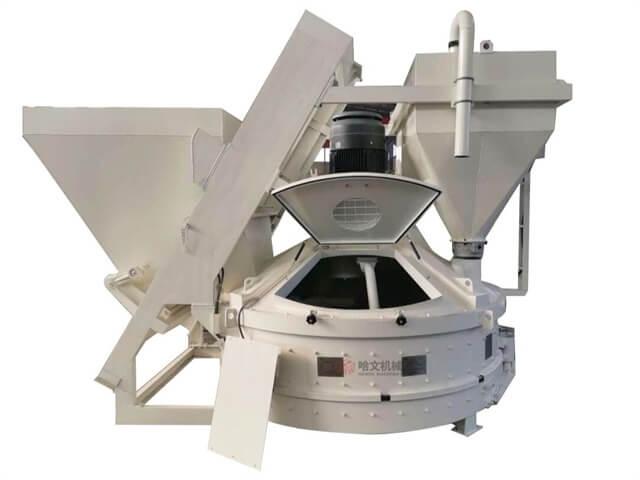
Keep the mixing arrangement documented when comparing an existing cement supply with a proposed replacement.
Identify the Cement Product Behind the Supplier Name
Begin with the material identity rather than the distributor's trading name. Record the manufacturer, production source where available, product designation, declared classification, packaging or bulk-delivery format, and the documents supplied with each delivery. A distributor may offer more than one cement product, so an approval that names only the distributor leaves an important purchasing detail undefined.
Ask which information connects a delivered load to its production lot and supporting documentation. The receiving team should be able to identify what arrived without relying on an informal explanation after unloading. Establish how the supplier communicates a change in manufacturing source, product designation, or declared properties. A change notification process helps prevent a previously approved purchase description from concealing a different material.
Check that technical documents apply to the actual proposed product and are sufficiently current for the decision. A generic brochure is not equivalent to delivery-linked evidence. Where document terminology is unclear, ask the supplier and responsible materials reviewer to resolve it before arranging trials. Keep unanswered questions visible rather than treating the presence of a large document folder as completed verification.
Define the Comparison Before Changing Production Materials
Write down the question the trial is intended to answer. The plant may be evaluating a backup source for a standard hollow block, a permanent replacement for several products, or a separate supply for a particular paver range. These are different approval boundaries. Identify the products and recipes included in the review, together with any products deliberately excluded from the first stage.
Establish a reference condition using an identified existing cement lot and a documented production arrangement. Record the aggregate sources, grading information available to the plant, moisture correction method, admixture identity, mixing sequence, mould, production pallet, machine recipe, and curing route. The purpose is to make comparisons interpretable, not to claim that every factory variable can be held perfectly constant.
Decide how unavoidable changes will be handled. If aggregate moisture, ambient conditions, or equipment condition changes during the comparison, note the change and ask whether the results remain comparable. Do not attribute every observed difference to cement simply because cement is the material being evaluated. A useful qualification record explains both the intended comparison and its limitations.
Organize Trial Batches Around Traceable Material Lots
Assign a trial identifier before the candidate cement enters production. Link it to the supplier documents, received quantity, storage location, trial recipe, production date, and products made. The trial identifier should continue through sampling, curing, inspection, and the final review. Without that connection, a satisfactory test result may be difficult to associate with the material actually being considered for approval.
Plan how the candidate material will be kept identifiable. Where storage arrangements could mix candidate cement with existing stock, review the consequences before delivery. A trial containing an undocumented blend cannot demonstrate the behaviour of either source on its own. The appropriate storage and transfer arrangements should be confirmed by the responsible plant personnel rather than improvised during unloading.
Separate an initial controlled comparison from later recipe development. The first stage may investigate how the proposed material behaves under an established reference arrangement. Subsequent work may evaluate justified recipe changes. Record those stages independently. If cement dosage, water addition, admixture use, and machine settings all change without a revision record, the plant cannot explain which combination produced the observed result.
Qualification Stage
Evidence to Keep
Decision Supported
Material identity
Product designation, source, lot reference, and delivery documents
Whether the proposed material is clearly defined
Reference production
Recipe revision, materials, equipment arrangement, and curing route
Whether the comparison has an interpretable baseline
Trial production
Batch identifiers, observations, adjustments, and sample references
Whether the candidate supports the intended process
Product verification
Applicable inspection and test results linked to trial products
Whether the evaluated products meet their requirements
Routine approval
Approved scope, receiving checks, change notifications, and review triggers
How the material may be used after qualification
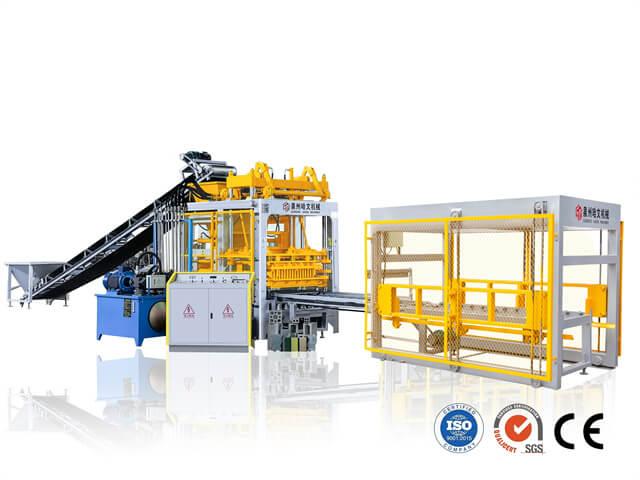
Observe the complete forming process rather than judging a cement change from mixer appearance alone.
Record Mixing, Feeding, and Forming Behaviour
Use a consistent observation sheet during trial production. Record the actual batching information available, mixing sequence, discharge behaviour, material transfer, mould filling, demoulding, and the appearance of fresh units. Include interruptions and adjustments. A production run that required repeated intervention should not be summarized simply as successful because acceptable units were eventually obtained.
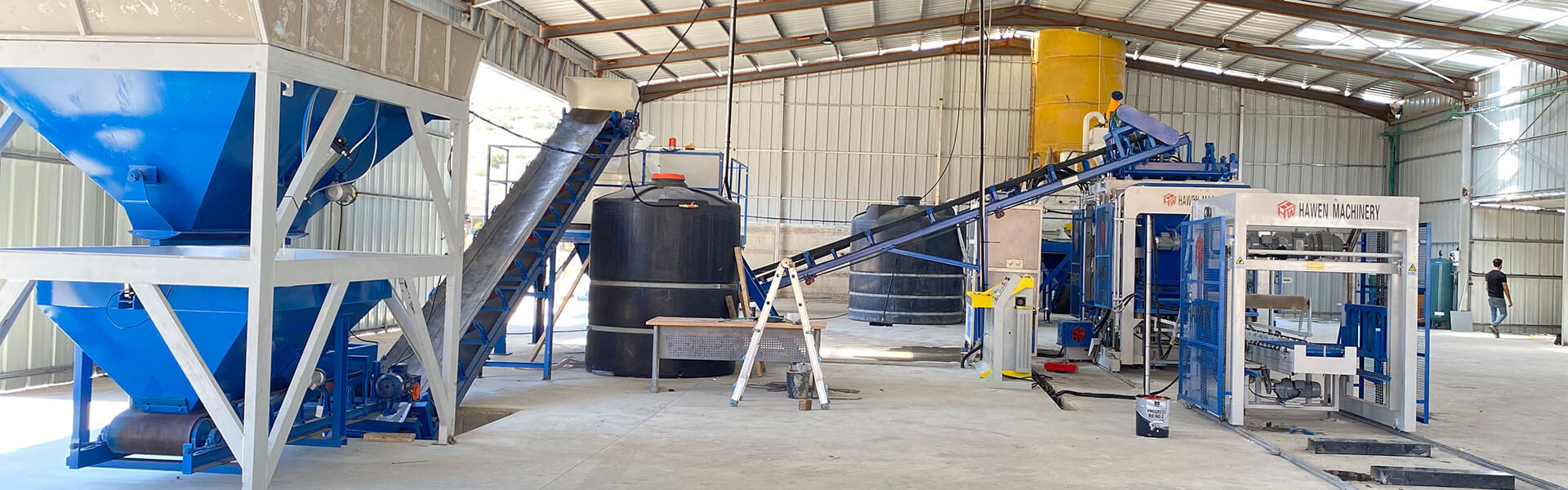
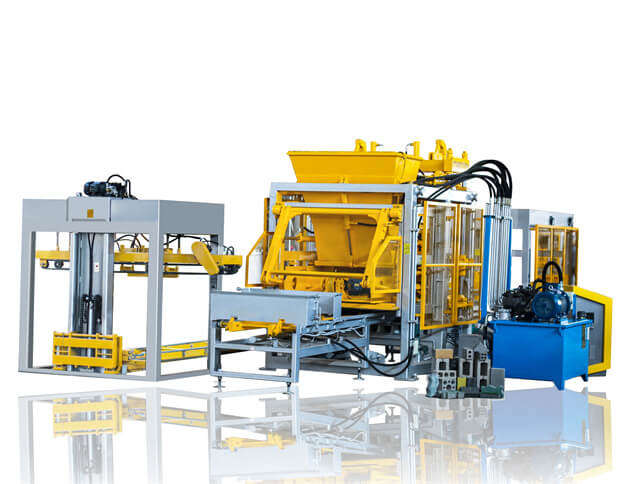
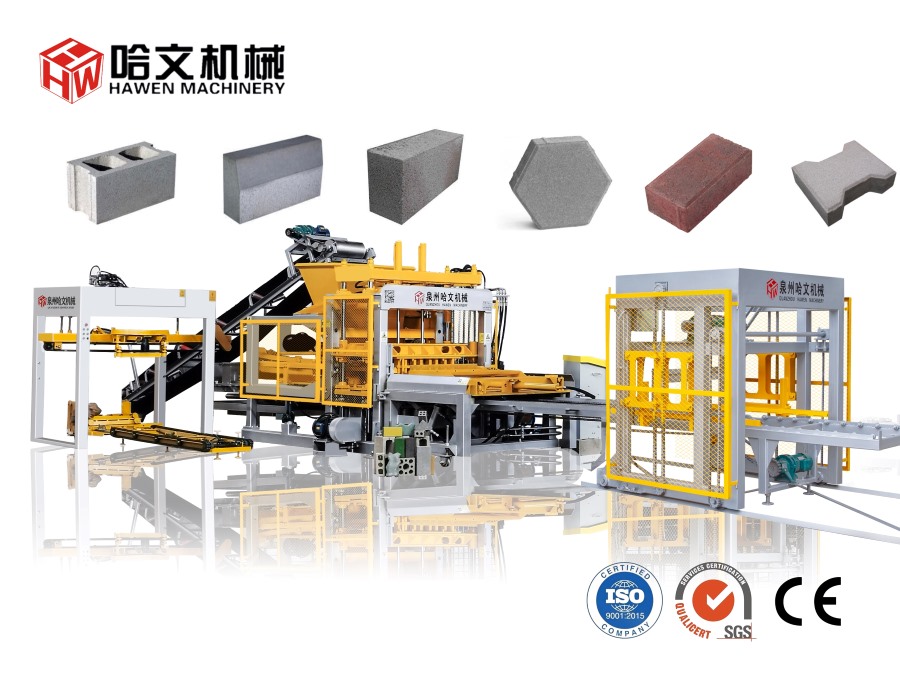
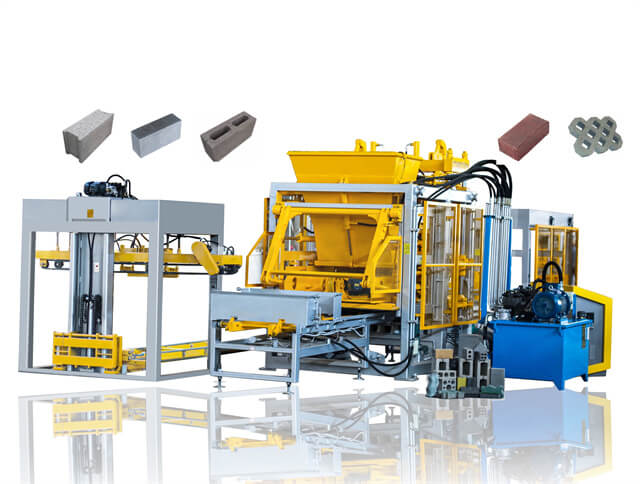
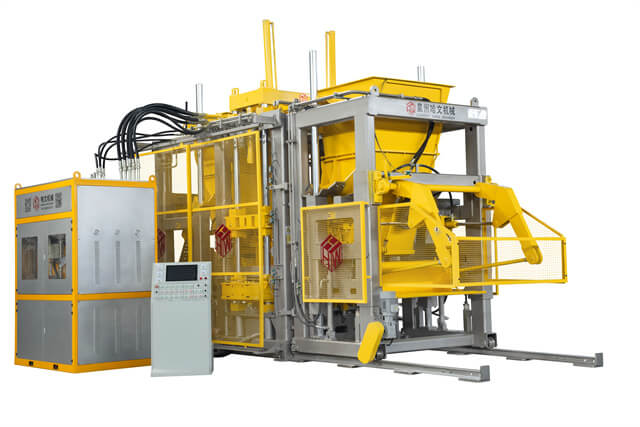
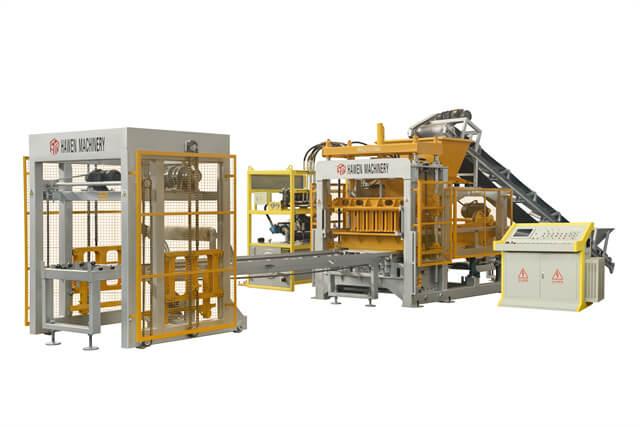
The installed planetary concrete mixer used in block production is part of the comparison boundary. Its configuration, operating sequence, and condition should be considered when interpreting trial results. The equipment name alone does not establish that a candidate material has been adequately evaluated, and a supplier qualification should not be replaced by an assumption about mixer capability.
Keep fresh-product observations specific. Note the location and pattern of sticking, edge damage, surface variation, or handling difficulty where observed. Link photographs to the trial identifier and relevant production stage. Do not turn a visual observation into a diagnosis without supporting evidence. Similar symptoms can arise from different combinations of materials, moisture control, mould condition, and operating settings.
Record changes through the plant's authorized procedure. Operators should not make undocumented adjustments merely to keep the trial running. If a change is necessary, identify the reason, responsible person, revised condition, and products affected. This allows the reviewer to distinguish the original trial from the adjusted production condition.
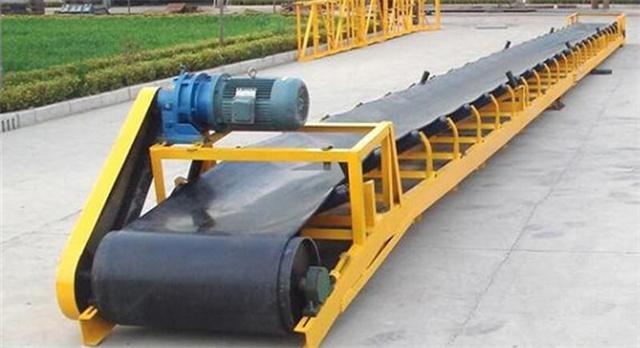
Transfer and feeding observations help distinguish a material comparison from an equipment-flow problem.
Evaluate Cured Products Before Routine Release
Fresh units leaving the machine are only one stage of the evaluation. Retain the trial identity through curing and inspect the resulting products against the applicable requirements. The review should include the properties relevant to the product and intended use, not only whichever result is easiest to obtain. The responsible reviewer should define the sampling and testing plan before interpreting the outcome.
Document the curing route and relevant conditions sufficiently to understand the comparison. If reference and candidate products followed different handling or curing arrangements, identify that difference. A result obtained under one arrangement should not be presented as proof of performance under every factory condition. Where a comparison is compromised, determine whether additional evaluation is needed rather than forcing a conclusion.
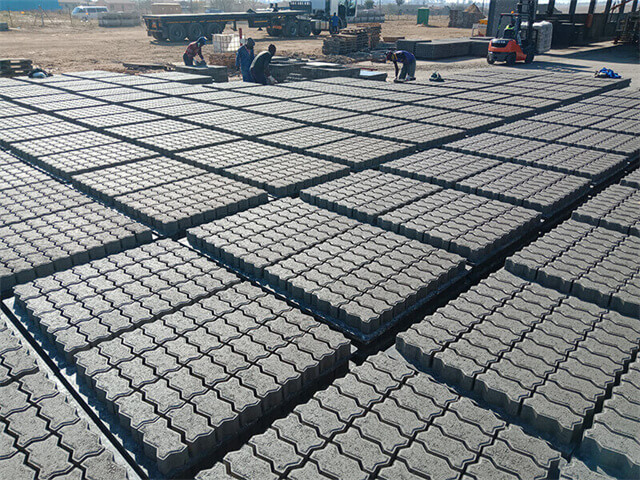
For visible paver products, retain the applicable appearance requirements and customer-approved references. Strength-related results do not automatically resolve colour, texture, or lot-matching questions. Conversely, a satisfactory appearance does not demonstrate all required product properties. Keep these acceptance dimensions separate so that one favourable observation cannot conceal an unresolved requirement.
Connect Technical Approval with Delivery and Storage Controls
Issue a clear approval statement after the evidence has been reviewed. Identify the cement product, approved production scope, recipe revisions where applicable, receiving requirements, and any restrictions. Avoid a vague instruction that the new supplier is approved for the whole factory when the evidence covers only one product or a limited operating arrangement.
Include practical supply conditions in the handover to purchasing and receiving. Confirm the delivery information required, how an unexpected product designation will be handled, and who must be contacted before unloading an unrecognized material. The plant needs a workable way to preserve the technical approval during routine purchasing, especially when a distributor proposes a substitute because the usual product is unavailable.
Define review triggers. A declared product change, manufacturing-source change, recurring receiving discrepancy, unexplained production variation, or revised product requirement may justify further review. Establish who owns that decision. Qualification is a controlled approval of identified conditions, not a permanent guarantee that every future delivery from the same trading company will behave identically.
Keep trial products identifiable until the applicable curing, inspection, and release steps are complete.
FAQ
Can a cement supplier be approved from its technical documents alone?
Documents help establish product identity and declared information, but they do not replace evaluation under the plant's intended production conditions. The required combination of document review, trials, inspection, and testing should be defined by the responsible materials and quality personnel.
Should the plant immediately change its established recipe?
Not without a controlled review. Distinguish a reference comparison from deliberate recipe development. Where adjustments are necessary, document the revised condition and evaluate the products made under it. Avoid combining several undocumented changes and then attributing the outcome to the new cement.
Does successful hollow block production approve the cement for coloured pavers?
Not automatically. Product requirements and production arrangements can differ. Extend the approval only after reviewing the additional application, including relevant appearance, forming, curing, and product-performance requirements.
What happens when trial results are inconclusive?
Identify the missing evidence or comparison limitation and decide whether another controlled evaluation is required. Keep the material's approval status explicit. An inconclusive trial should not quietly become routine approval because a delivery has already been purchased.
Conclusion
A new cement supplier should be qualified through a defined connection between material identity, controlled production evidence, and product verification. Start with a clear approval boundary, preserve trial traceability, and record the observations and adjustments that influence interpretation. Keep fresh-product appearance separate from completed product acceptance.
Before routine purchasing begins, confirm that purchasing, receiving, production, and quality teams understand exactly what has been approved. A practical qualification system does not merely select a supplier; it explains which material may be used, under which reviewed conditions, and when further evaluation is required.





 Tel: +86-13905968794
 Email: export@hwmachines.com
 MP/WhatsApp: +86-13905968794
 Manufacturer Address:Nanan,Quanzhou City,Fujian Province,China