A concrete mould that performs satisfactorily during one run may remain out of production for weeks before it is needed again. What happens between those runs matters. Identification, cleaning, protection, handling and inspection all affect how efficiently the plant can prepare the next changeover. Buyers expanding their mould collection should therefore plan storage as part of the production system.
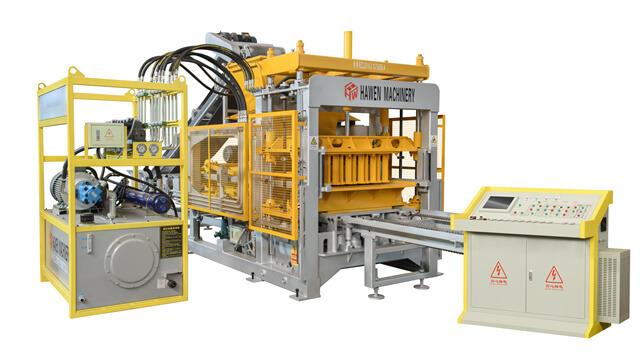
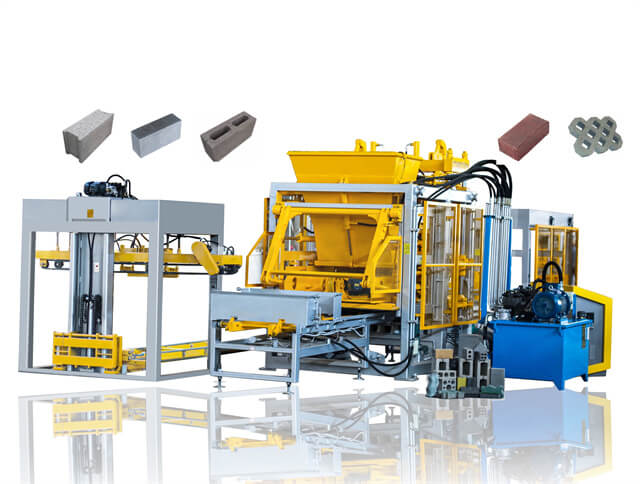
Hawen Machinery's public catalogue includes hollow block, paver and kerbstone moulds. The following guidance helps a plant organize those product-specific tools between runs. It does not prescribe a universal cleaning chemical, protective coating or storage method. Those details must follow the documentation for the supplied mould and the site's operating conditions.
Identify the mould, tamper head and drawing before removal
Begin with a clear mould reference linked to the product drawing and machine application. Keep the matched tamper head and associated components traceable to the same assembly. Similar-looking tools should not be distinguished only by memory or their current position in the workshop.
Record the last product run, the reason for removal and any unresolved observation. If a part has been adjusted or replaced, update the appropriate record. This information helps the next shift distinguish a tool ready for reuse from one waiting for technical attention.
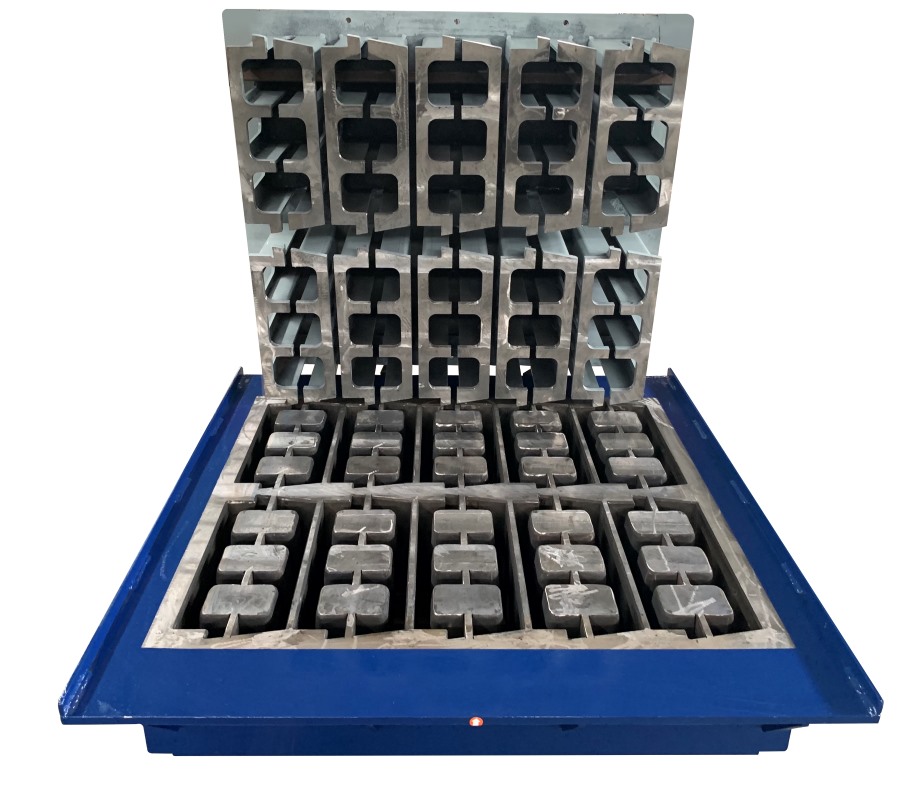
Hollow block mould reference: keep each tooling set linked to its product and drawing.
Record cleaning, residue and visible condition
Use the manufacturer's approved cleaning procedure and relevant site isolation rules. The objective is to remove production residue without damaging working surfaces or creating a new handling hazard. A method suitable for one component should not automatically be used on every surface or accessory.
After cleaning, note visible residue, damage, unusual wear or a condition needing review. Avoid making unverified dimensional judgements by eye. Where a measurement is needed, use the agreed inspection method and acceptance basis. Photographs can document a location, but they do not replace a required measurement.
| Storage record | Practical purpose |
|---|
| Mould and product reference | Prevents confusion between similar tools and matched components. |
| Condition on removal | Keeps unresolved issues visible before another run. |
| Storage location and status | Separates ready tooling from items awaiting maintenance. |
| Release for reuse | Assigns responsibility for the next installation decision. |
Plan mould support, protection and retrieval access
Confirm the support arrangement and handling method with the relevant technical documentation. Keep lifting access and identification visible. Do not improvise stacking or support positions simply to recover floor space; the arrangement must suit the mould and the equipment used to move it.
Consider exposure to moisture, debris and accidental impact. Ask which protection measures are suitable for the actual materials and expected storage period. Record any treatment applied so the next operator knows whether preparation is required before installation.

Paver mould reference: storage planning should preserve identification and suitable handling access.
A useful layout-review observation is whether the next scheduled mould can be retrieved without moving several unrelated tools. Repeated extra movements add time and expose tooling to unnecessary handling. Organize locations around the production programme while maintaining the approved support and access arrangements.
Check readiness before the next mould change
Before scheduling installation, review the tooling record and confirm that outstanding work is closed. Check the applicable drawing revision, matched components, visible condition and handling arrangements. Any uncertain condition should be assessed by the responsible technical person rather than passed forward through the shift.
Use the normal first-product approval procedure after installation. Storage readiness does not prove production conformity. The concrete materials, machine setup, pallet condition and current operating requirements still need their usual checks.

Kerbstone mould reference: release stored tooling for reuse through an identified inspection routine. Images illustrate mould types, not storage instructions.
FAQ
Can moulds be stored using one universal method? No. Support, protection and handling must suit the supplied tool and its documentation.
What should be recorded when a mould leaves production? Identify the tool, matched parts, product, condition, location and unresolved work.
Does cleaning establish readiness for production? No. Inspection, maintenance status and the normal installation and first-product checks remain necessary.
Conclusion
Organize mould storage around identification, condition and safe retrieval. A clear record helps the plant prepare the next changeover without rediscovering old problems. Review the storage arrangement with the tooling supplier and operating team before expanding the mould collection.





 Tel: +86-13905968794
 Email: export@hwmachines.com
 MP/WhatsApp: +86-13905968794
 Manufacturer Address:Nanan,Quanzhou City,Fujian Province,China