A buyer planning decorative concrete pavers may need to evaluate a separate face-mix arrangement rather than assume that the base-concrete equipment will cover every surface requirement. A face layer and a base layer serve different purposes in the product design. Their materials, delivery and forming sequence must be considered together before the line configuration is finalized.
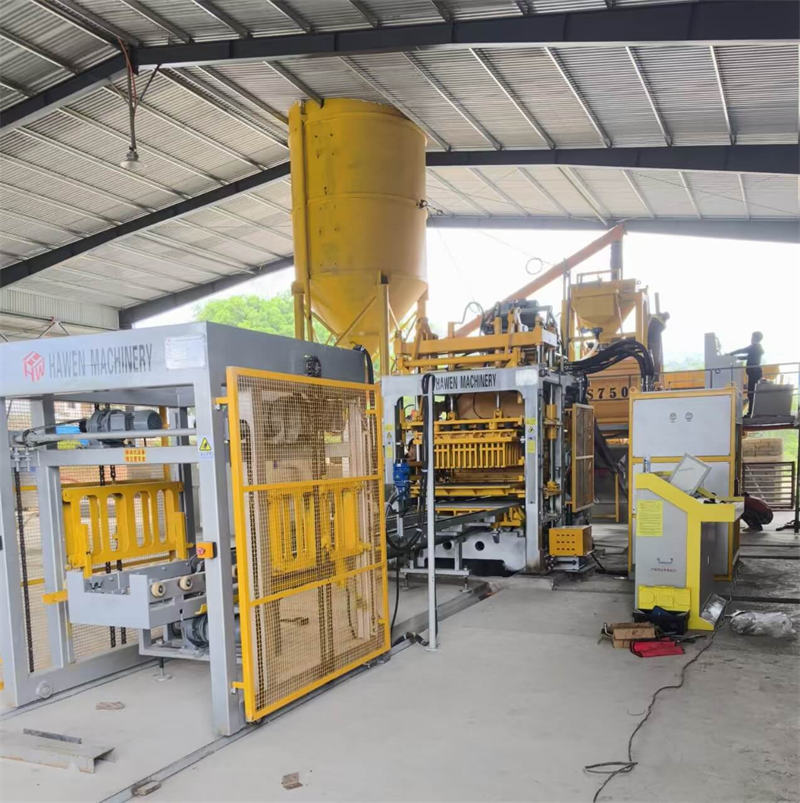
Hawen Machinery lists paver-making machines, batching equipment and concrete mixers in its public product range. Its website also describes a customer using separate planetary mixers for aggregate material and colored paver material. That product context makes material separation a relevant procurement question, but it does not establish the configuration required for every project. The following checklist helps buyers define their own requirements without assuming universal equipment specifications.
Start with the paver finish and product drawing
Describe the intended paver before choosing the equipment. Identify its dimensions, geometry, surface appearance and expected color range. Explain whether the proposed product uses a separate face layer or a single mix throughout. A photograph is helpful for appearance, but the production discussion also needs a drawing and clearly defined product requirements.
Distinguish an appearance preference from an acceptance criterion. Terms such as smooth, uniform or premium are difficult to use during commissioning unless the buyer has a sample or an agreed inspection method. Establish what will be compared, when inspection will occur and who will approve the first product. Where performance requirements apply, use the relevant product specifications and testing arrangements rather than visual appearance alone.
Define separate material routes for base and face mixes
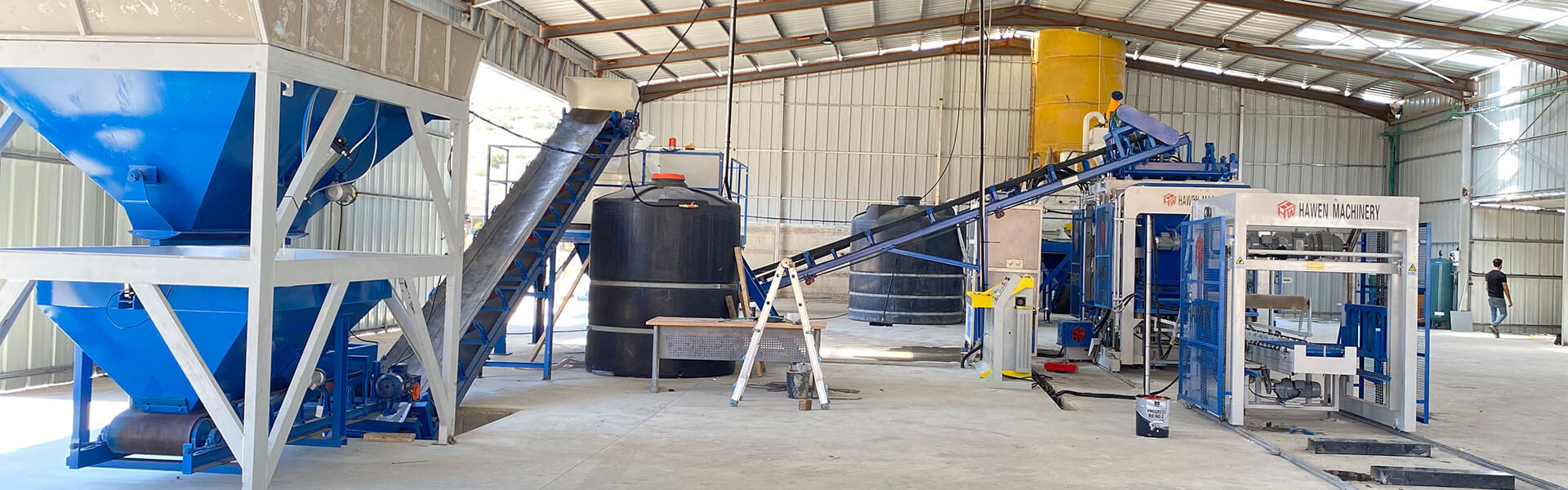
Map how each material reaches its intended location. Consider aggregate storage, pigment handling where used, dosing, mixing, discharge and delivery to the machine. Ask which components are included in the proposal and which are supplied by the buyer. The objective is a clear interface between the two material routes, not simply an additional mixer on an equipment list.
| Review area | Question for the proposal |
|---|
| Material identity | How are base and face materials identified and kept separate? |
| Delivery timing | How does each route supply the planned forming sequence? |
| Color changes | Which cleaning and material-transition steps are required? |
| Inspection | Which samples and records support first-product approval? |
Give cleaning the same attention as production. A plant planning frequent color changes needs an operating method for residual material, cleaning access and the first batch after a change. Ask the supplier to explain the intended sequence. Do not assume that a color change can be completed without time, material loss or inspection simply because the equipment is automated.
Review the face-mix feeding and forming sequence
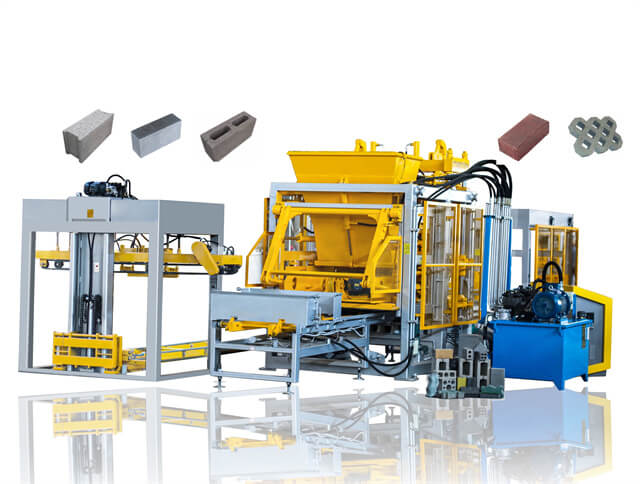
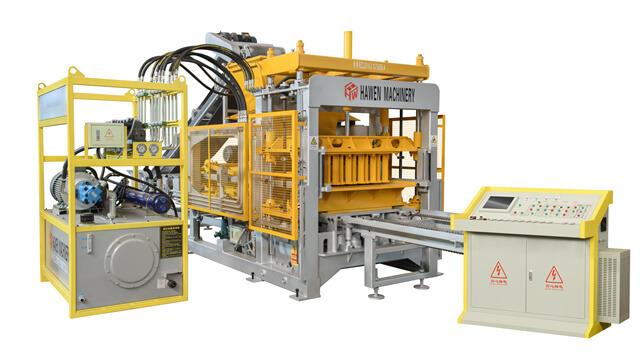
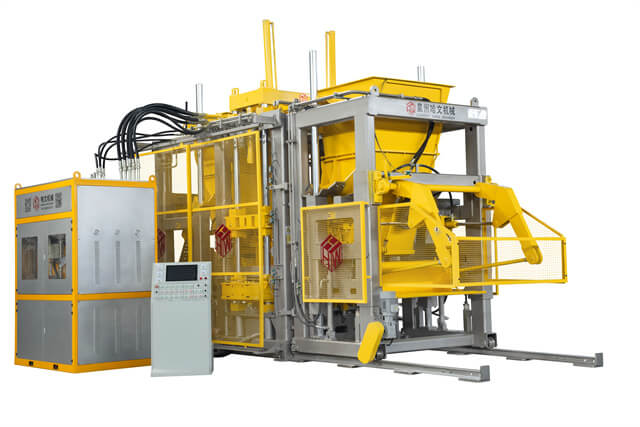
Confirm that the proposed machine arrangement supports the product method under discussion. Ask how base filling, face filling and compaction are coordinated and which settings belong to the approved product setup. The detailed procedure should come from the equipment documentation and commissioning work; a buyer's checklist is not a substitute for those instructions.
Review capacity as a whole sequence. Material preparation, replenishment and cleaning can constrain production even when the forming-machine cycle appears suitable. Request a proposal based on the actual product programme and operating schedule. Keep assumptions visible so different equipment offers can be compared on the same basis.
During a layout review, a useful observation is whether technicians can inspect and clean the face-material route without improvising access. This can reveal a practical limitation that is absent from the capacity table. Incorporate the required access and maintenance space before finalizing the installation arrangement.
Inspect representative trial products after curing
Agree a trial that uses representative materials and an identified product drawing. Observe material delivery, filling consistency, the visible fresh product and the subsequent handling route. Then inspect the cured product under the agreed quality procedure. A fresh surface alone is insufficient evidence of finished-product acceptance.
If the production programme includes color changes, include one in the review where practical. Record cleaning actions, product identification and the observations used to approve the next run. Establish an acceptable operating routine rather than judging success only from the best-looking sample.
FAQ
Does every concrete paver require a separate face mix? No. The equipment decision depends on the intended product construction and appearance requirements.
Is adding a mixer enough to define the system? No. Review storage, dosing, transfer, machine compatibility, cleaning and inspection as connected requirements.
When should appearance be approved? Use agreed samples and inspection stages, including the cured product, rather than relying only on a fresh unit beside the machine.
Conclusion
Choose a face-mix arrangement from the product backward. Define the finish, map both material routes, clarify the forming sequence and verify representative products. Buyers can then compare equipment scope and changeover needs against their actual paver programme.





 Tel: +86-13905968794
 Email: export@hwmachines.com
 MP/WhatsApp: +86-13905968794
 Manufacturer Address:Nanan,Quanzhou City,Fujian Province,China