A concrete block plant needs a spare-parts plan that reflects its own equipment and operating conditions. Ordering a large assortment of parts does not automatically reduce downtime. The useful question is whether the plant can identify, obtain and install the right replacement when a specific maintenance need occurs.
For buyers planning a block production project with Hawen Machinery or another supplier, spares should be discussed alongside the equipment list and maintenance documentation. This article provides a general inventory framework. It does not prescribe replacement intervals, approve substitute components or replace the equipment manufacturer's maintenance instructions.
Build a parts register around the installed equipment
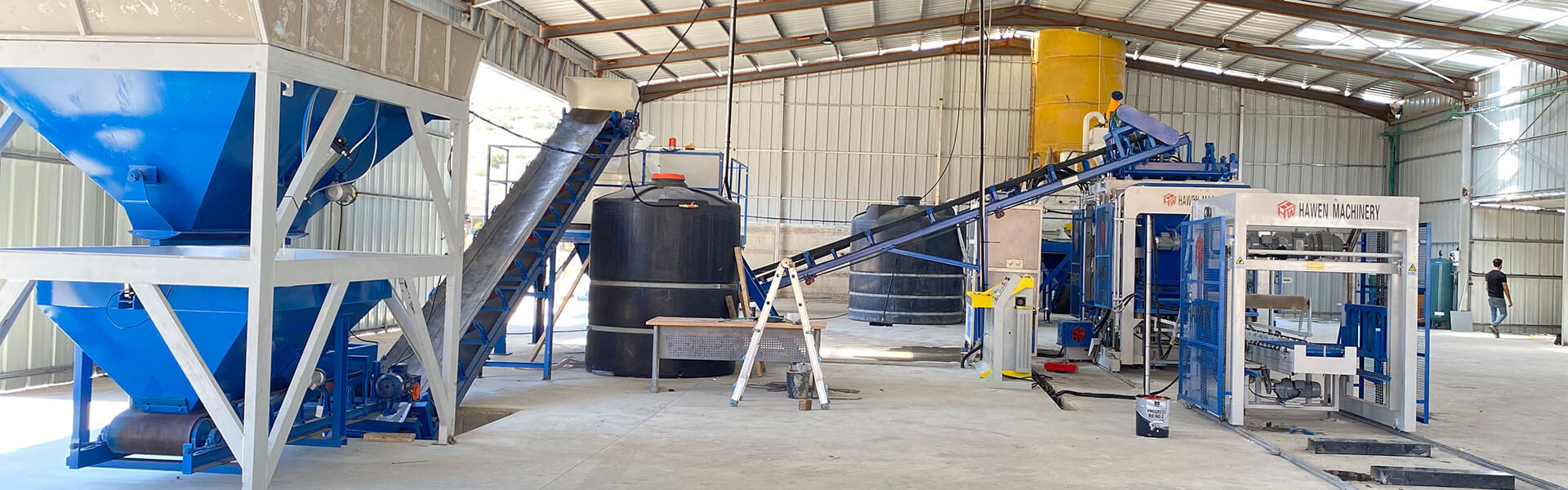
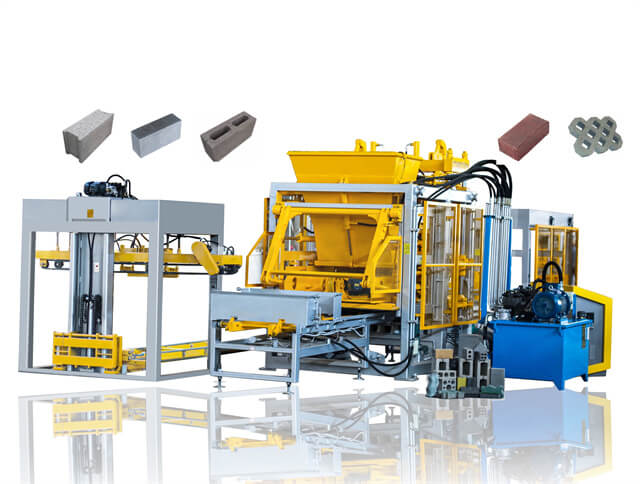
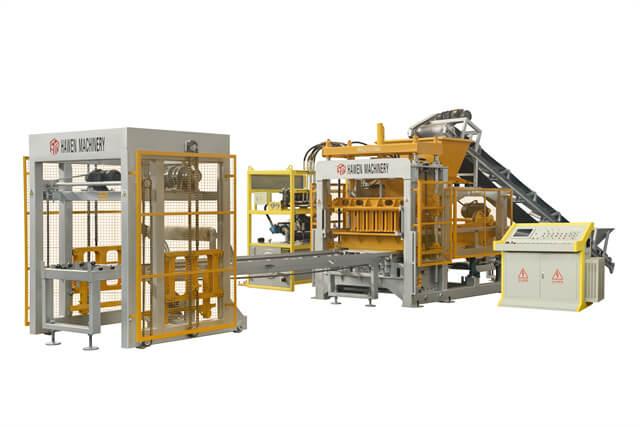
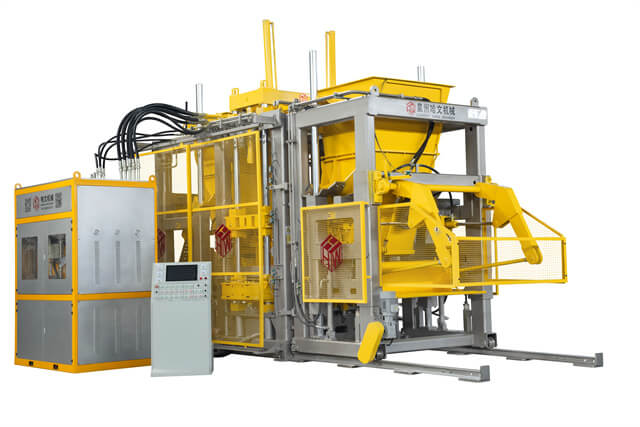
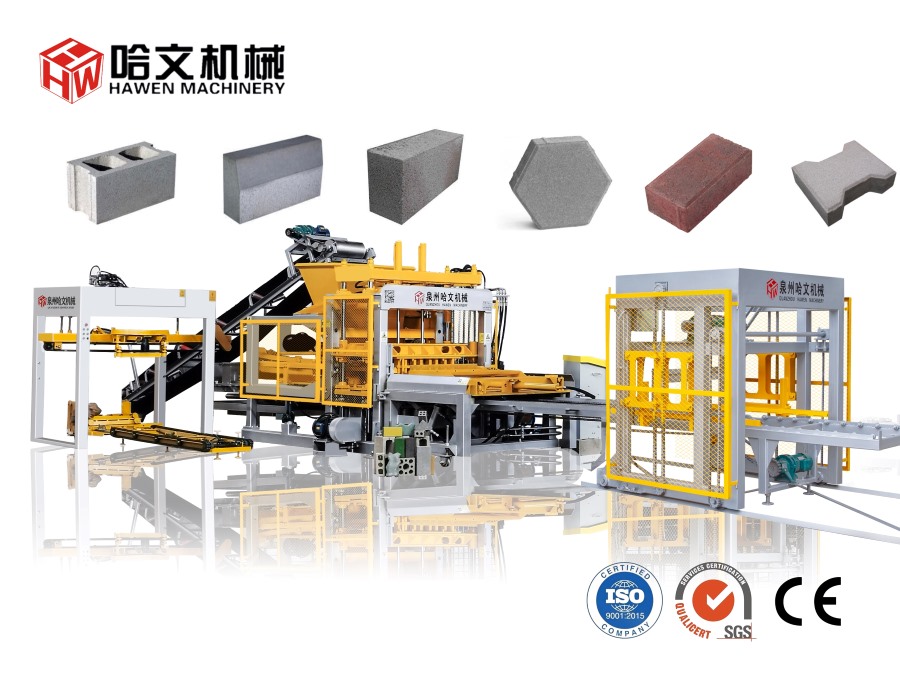
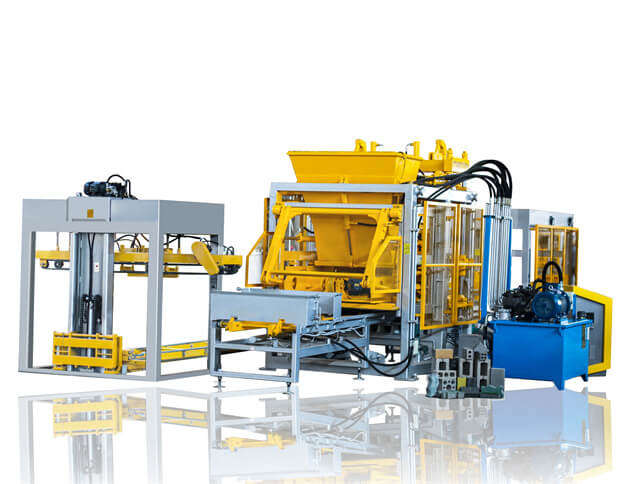
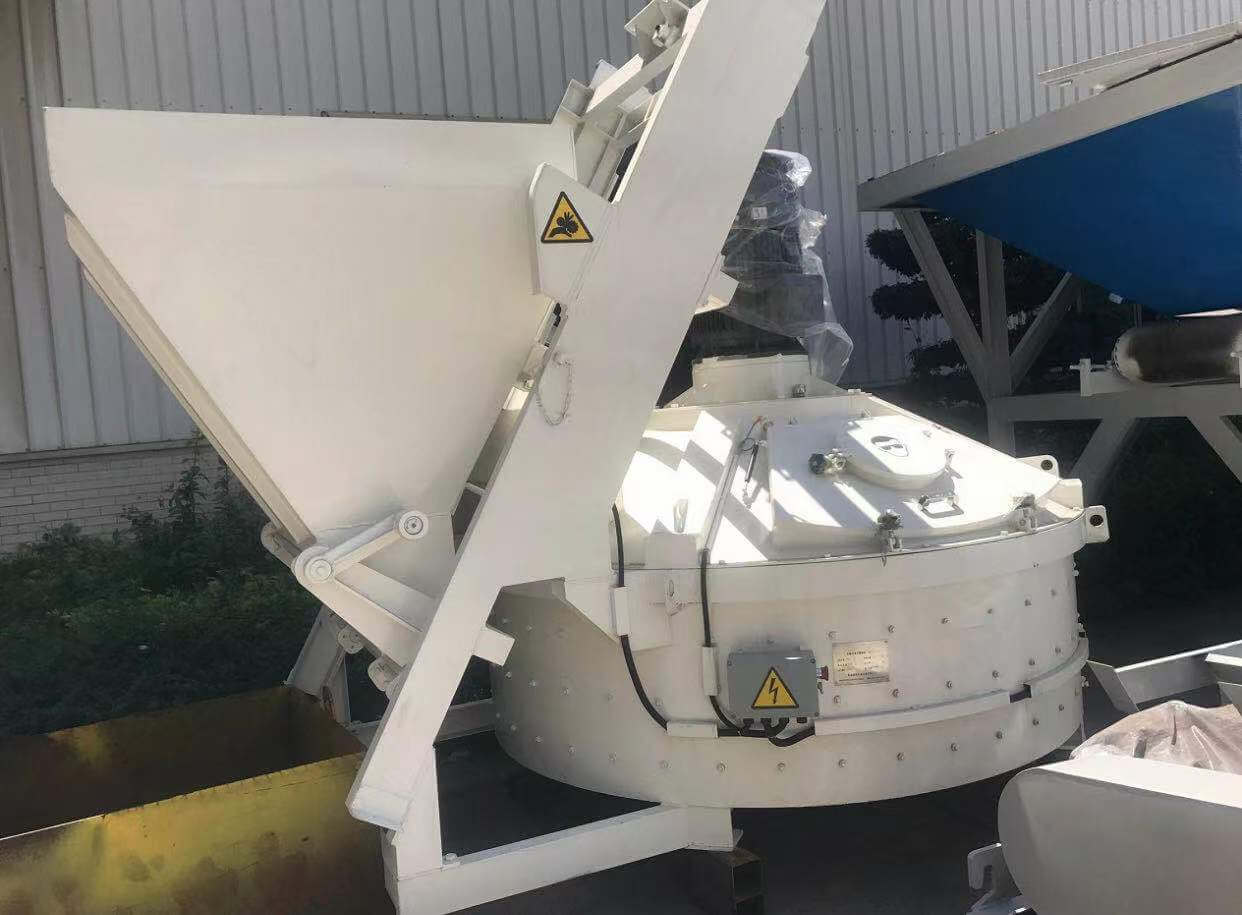
Begin with the actual equipment configuration: forming machine, mixer, batching system, transfer equipment, pallet handling and any other supplied packages. Record the relevant identification and document references. A parts list for a related machine can be helpful background, but it should not be treated as proof that every item matches the installed unit.
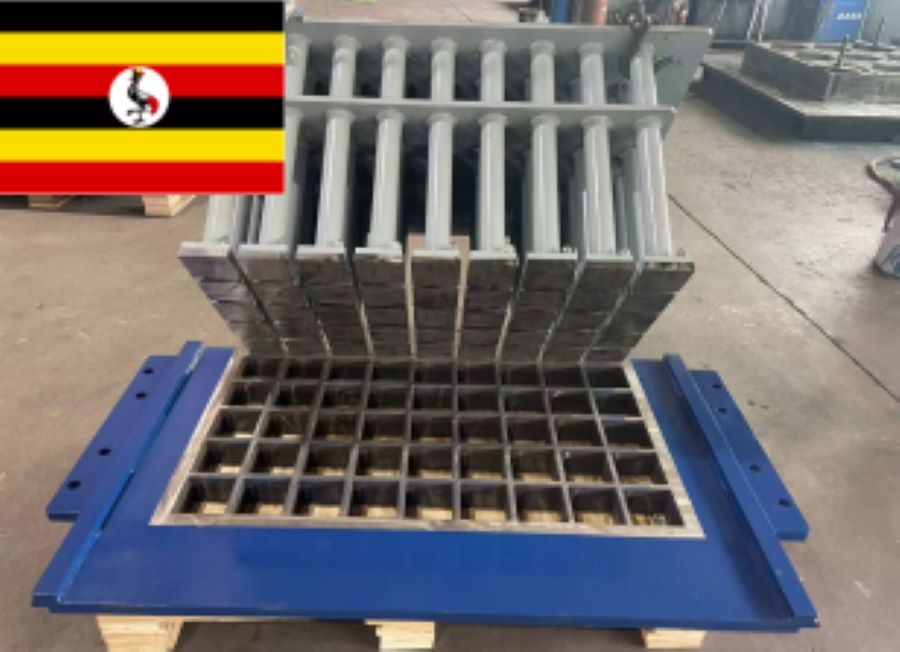
Connect each stocked item to a location and function. A useful register records the supplier part number, equipment reference, description, quantity held, storage location and ordering contact. Include drawing references or photographs where they help identification, while preserving the formal part reference as the ordering basis.
Prioritize consequence and replenishment rather than price alone
Assess what happens if the part is unavailable. Some items can stop production; others affect a nonessential function or can be obtained quickly through a verified local source. Review expected use, supplier lead time, shipping variability and the ability to plan replacement. A low-cost part can deserve attention if its absence prevents restart and its exact specification is difficult to obtain locally.
| Planning factor | Inventory question |
|---|
| Production consequence | Which operation becomes unavailable if this item fails? |
| Replenishment time | How long does a verified replacement take to reach the plant? |
| Planned maintenance use | Can the item be ordered before an agreed service activity? |
| Storage requirements | What conditions and inspections keep stocked parts usable? |
Separate an initial commissioning package from long-term inventory. The first supports the handover period under the agreed supply scope. The second should develop from actual production and maintenance history. Ask the supplier to explain recommended items, their intended use and the assumptions behind suggested quantities rather than treating a generic package as a complete plant strategy.
Verify part identity before ordering or substitution
Similar appearance is not sufficient evidence of interchangeability. Dimensions, operating ratings, materials, connection details and software or control compatibility can matter, depending on the component. Send the equipment reference and documented part information to the supplier and resolve uncertainty before purchase. Obtain appropriate technical confirmation before using an alternative.
Keep removed and new parts distinguishable during maintenance. Record what was installed and update the register if an approved revision changes the ordering reference. Without this step, the plant may reorder an obsolete item from an old photograph even though the installed configuration has changed.
In a quotation review, a useful question is whether the offered spare can be traced to an identified assembly. That connection is more valuable than an impressive total number of pieces. It helps procurement, technicians and suppliers discuss the same item when time is limited.
Use maintenance history to revise stock levels
Record issues, planned replacements, actual consumption and replenishment delays. Review repeated demand with maintenance staff. Frequent replacement may indicate an operating or equipment condition requiring attention; increasing stock alone does not address the cause. Conversely, parts held for a long time may need a storage-condition review or a decision about whether continued stocking is justified.
Define a reorder responsibility and a review point. Inventory is unreliable when everyone assumes another person has replaced an item used during the last repair. Maintain a clear distinction between usable stock, items awaiting verification and parts already allocated to a planned maintenance task.
Follow the manufacturer's instructions and applicable site procedures for servicing and safe isolation. A stocked replacement is useful only when the plant also has the documentation, tools and competent personnel needed for the work.
FAQ
Should every available spare be stocked? Not necessarily. Prioritize the operational consequence, verified availability, expected demand and storage requirements.
Can a photograph identify a replacement? It helps communication, but confirm the equipment and part reference and any relevant technical details before ordering.
When should the initial spare-parts list be reviewed? During procurement and handover, then again as actual maintenance and consumption records become available.
Conclusion
Effective spare-parts planning links verified part identity to equipment consequence and replenishment time. Buyers should establish a clear register, agree an initial supply package and revise inventory using actual maintenance evidence. The next step is to review the proposed list with the supplier and the people who will maintain the installed line.





 Tel: +86-13905968794
 Email: export@hwmachines.com
 MP/WhatsApp: +86-13905968794
 Manufacturer Address:Nanan,Quanzhou City,Fujian Province,China