A concrete block machine quotation becomes useful only when a buyer understands what it includes. Two offers may name similar products yet cover different equipment, installation responsibilities and commissioning services. Comparing their final prices without reconciling scope can turn a seemingly economical purchase into an incomplete production project.
This guide provides a practical review method for buyers discussing a block production project with Hawen Machinery or another equipment supplier. It makes no assumptions about what a particular supplier includes. Every item should be confirmed in the written proposal for the actual project.
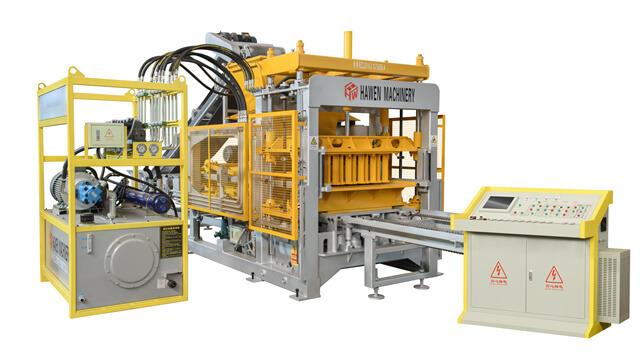
Separate the forming machine from the complete line
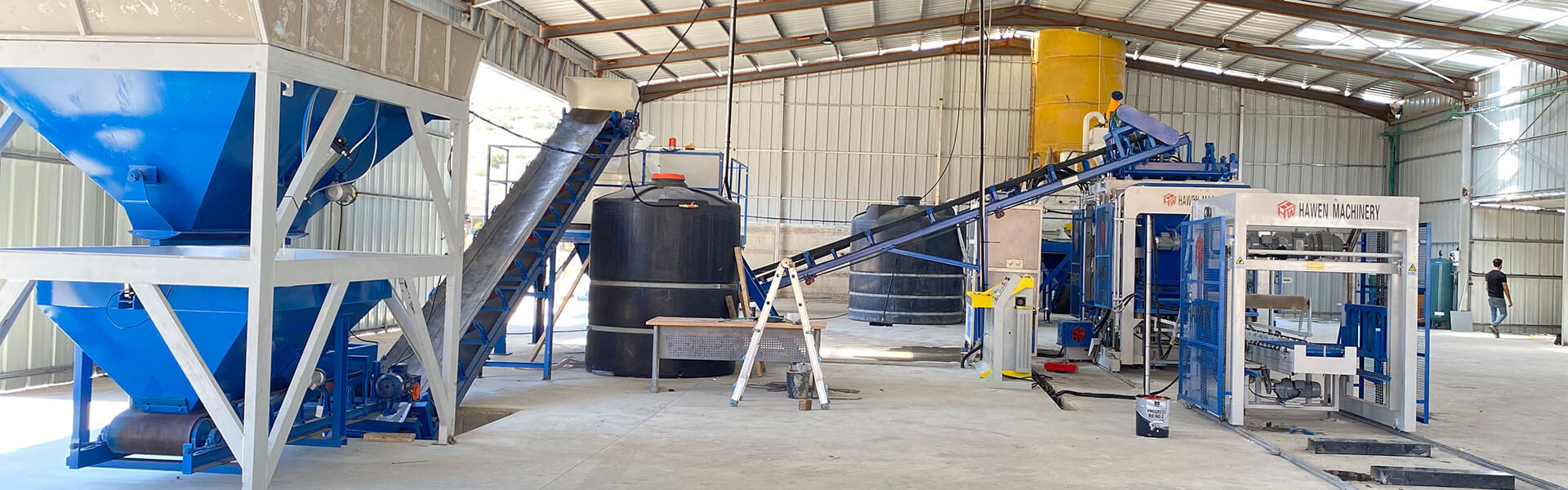
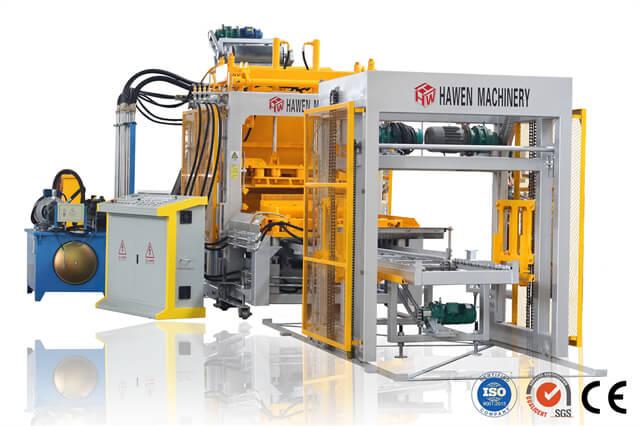
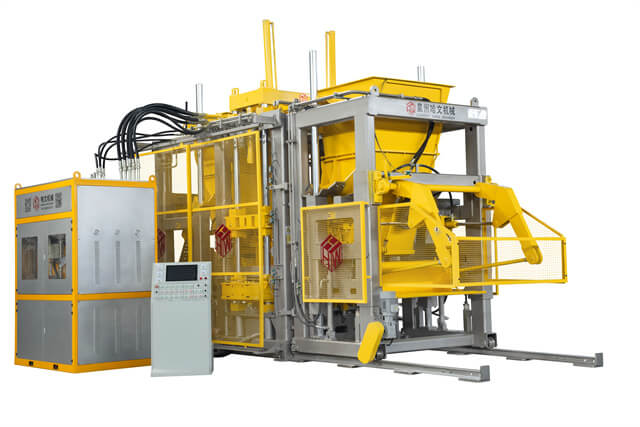
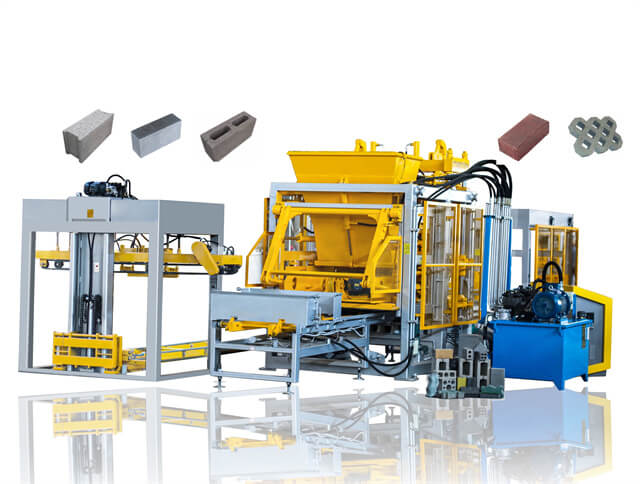
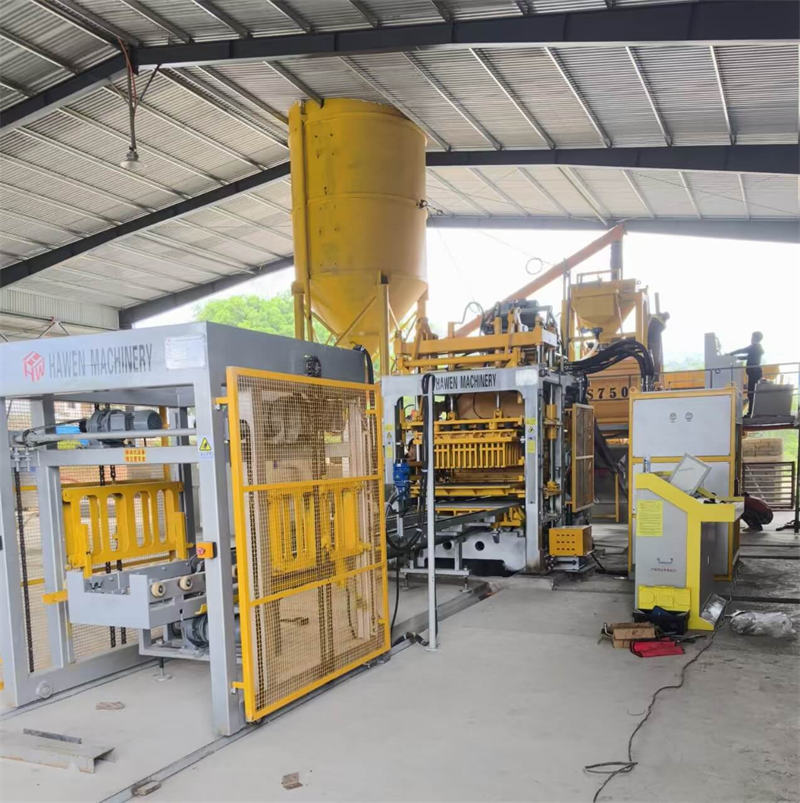
Begin with the target concrete products, drawings, production schedule and intended level of automation. Ask each supplier to identify the equipment needed for that same programme. A forming machine alone does not define aggregate preparation, batching, mixing, pallet circulation, fresh-product transfer, curing or finished-product handling. Some tasks may be manual or use existing equipment; others may need new equipment. Record the decision rather than assuming that the phrase complete line has a universal meaning.
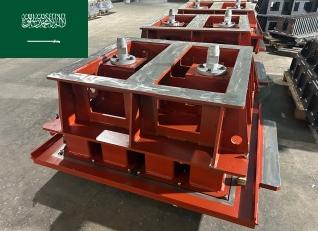
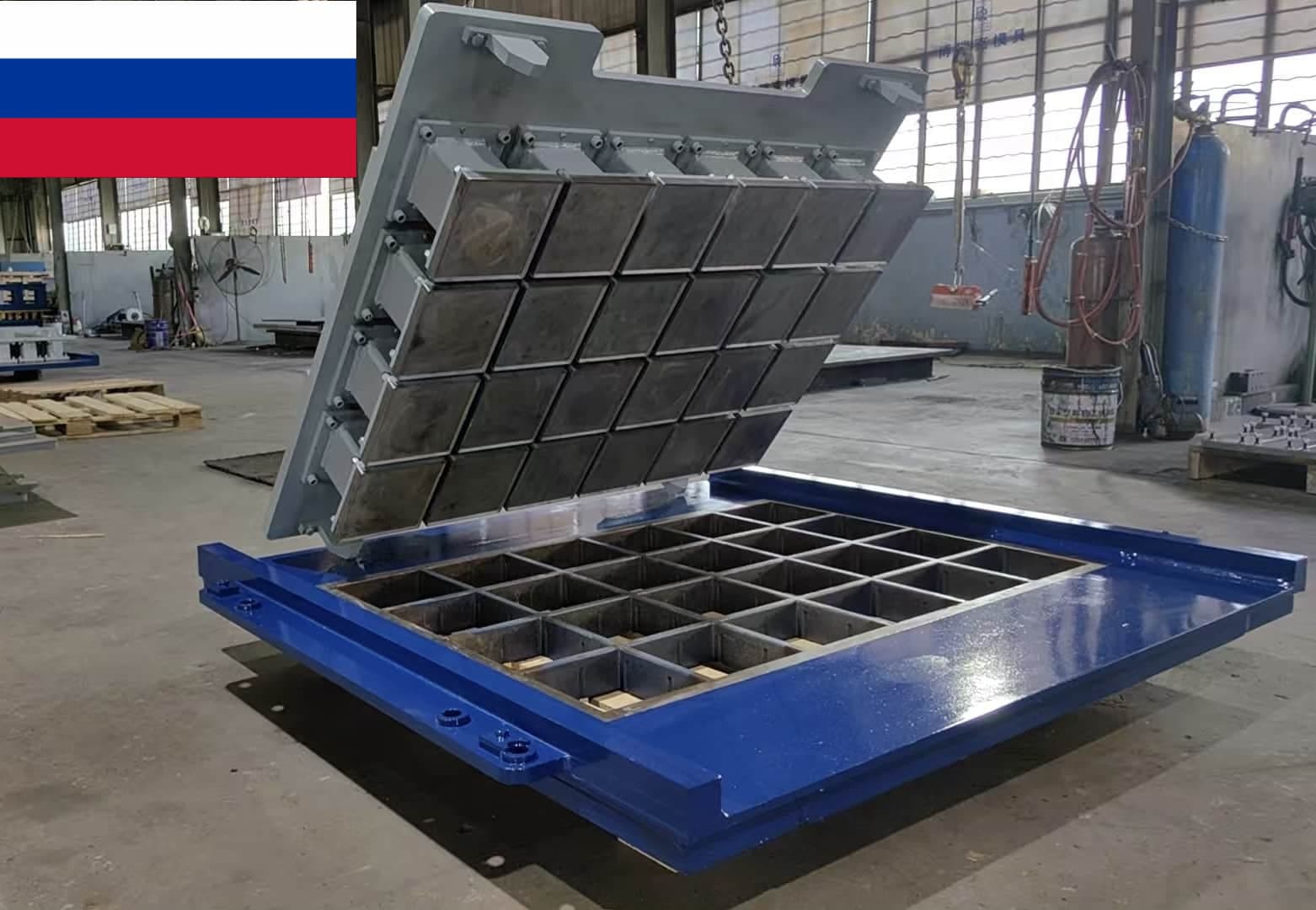
Review moulds separately. Confirm the product drawing associated with each mould, the machine connection, the production pallet requirements and whether additional mould sets are included or optional. A mould count without an identified product is difficult to evaluate. The quotation should connect the proposed equipment to something the buyer actually intends to manufacture.
| Scope item | Question to resolve |
|---|
| Batching and mixing | Which equipment, dosing functions and transfer connections are included? |
| Moulds and pallets | Which drawings, quantities and interface requirements define the supply? |
| Installation | Who supplies foundations, utilities, lifting and installation labour? |
| Commissioning | Which tests, materials, personnel and deliverables are agreed? |
Assign every installation interface
Installation gaps often sit between packages. A mixer may be included while the supporting arrangement, discharge connection or site wiring needs separate clarification. Ask for an equipment layout and an interface list identifying supplier responsibilities and buyer responsibilities. Resolve dimensions and utility requirements through the relevant technical documents rather than an informal estimate.
Review access as well as footprint. Operators and technicians need routes for inspection, cleaning, mould changes and component replacement. A compact arrangement is useful only if normal work can be carried out as intended. Agree who prepares the site and which information must be available before civil work begins.
A practical quotation-review observation is that the most revealing question is often “who completes this connection?” Following material, electrical and handling connections through the layout exposes missing scope more effectively than reading a list of equipment names alone.
Compare commercial scope consistently
Build a comparison sheet with one row per deliverable. Mark included, optional, buyer supplied or unresolved, and link each answer to the relevant proposal revision. Keep currencies, delivery terms, shipment assumptions and payment milestones visible. A lower equipment price cannot be assessed fairly if one offer includes services or accessories that another excludes.
Distinguish initial spares from future support. Ask which spare parts are supplied, how they are identified, and how replacements can be ordered. Clarify warranty terms, exclusions and the process for reporting a problem in the contract. Do not translate broad service language into assumptions about response times or free labour.
Define commissioning and acceptance evidence
Agree what demonstrates successful installation and commissioning. The plan should identify the product, representative materials, inspection responsibilities, training activities and records to be handed over. Product testing and acceptance criteria should reflect the buyer's market and agreed requirements; an empty machine run alone does not establish finished-product performance.
Record unresolved items before payment or shipment milestones where the contract requires them to be resolved. Give each open item an owner and an agreed next action. This keeps quotation review connected to project delivery and reduces the need to reconstruct verbal agreements months later.
FAQ
Does complete line mean every plant requirement is included? No universal scope should be assumed. Confirm equipment, services, site work and interfaces in the specific proposal.
What makes two quotations comparable? A shared product programme and a reconciled list of equipment, services, exclusions and responsibilities.
When should acceptance requirements be discussed? During proposal and contract review, so both parties can plan the required materials, checks and personnel.
Conclusion
Review a block machine quotation as a production project rather than a single price. Define the product programme, reconcile equipment scope, assign installation interfaces and agree acceptance evidence. Buyers can then compare the real deliverables and close the remaining gaps before committing to the project.






 Tel: +86-13905968794
 Email: export@hwmachines.com
 MP/WhatsApp: +86-13905968794
 Manufacturer Address:Nanan,Quanzhou City,Fujian Province,China