A spare part can resemble the item installed on a concrete block machine without being a confirmed replacement. Similar-looking components may belong to different assemblies, equipment versions, or supplier configurations. If a buyer sends only a general description and a close photograph, the supplier may still need more information before identifying the correct item. Ordering quickly with an incomplete reference can move the uncertainty from the quotation stage to the receiving area.
The useful question is what evidence allows the supplier to connect a requested replacement with the equipment actually installed. Machine identity, component position, visible markings, modification history, and quotation scope all contribute. None should be treated as a universal substitute for the others. The buyer should obtain confirmation for the actual application rather than assume that a familiar model name or an apparent visual match establishes compatibility.
This guide focuses on identification and purchasing records for concrete block production equipment. It does not provide instructions for selecting an unverified substitute, changing a machine design, or installing components. Technical suitability and the authorized replacement procedure need to be confirmed by the responsible supplier or qualified personnel using the information relevant to that equipment.
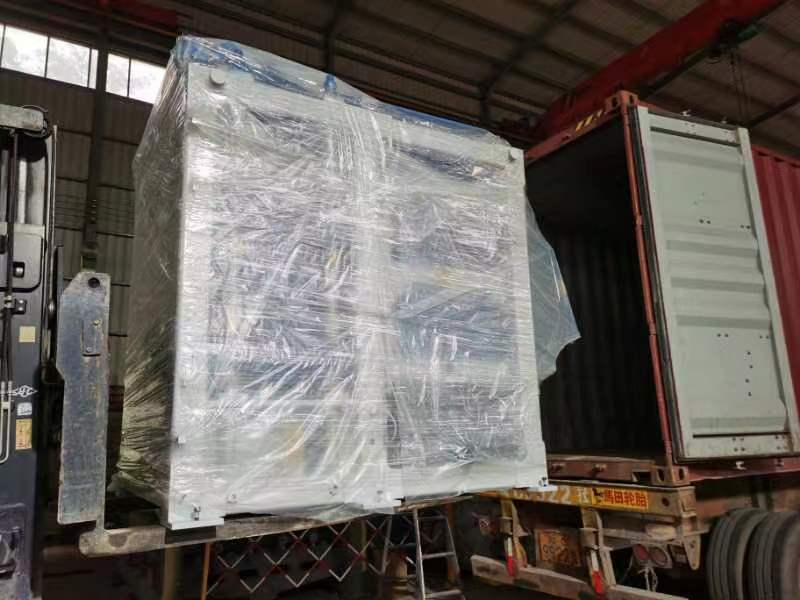
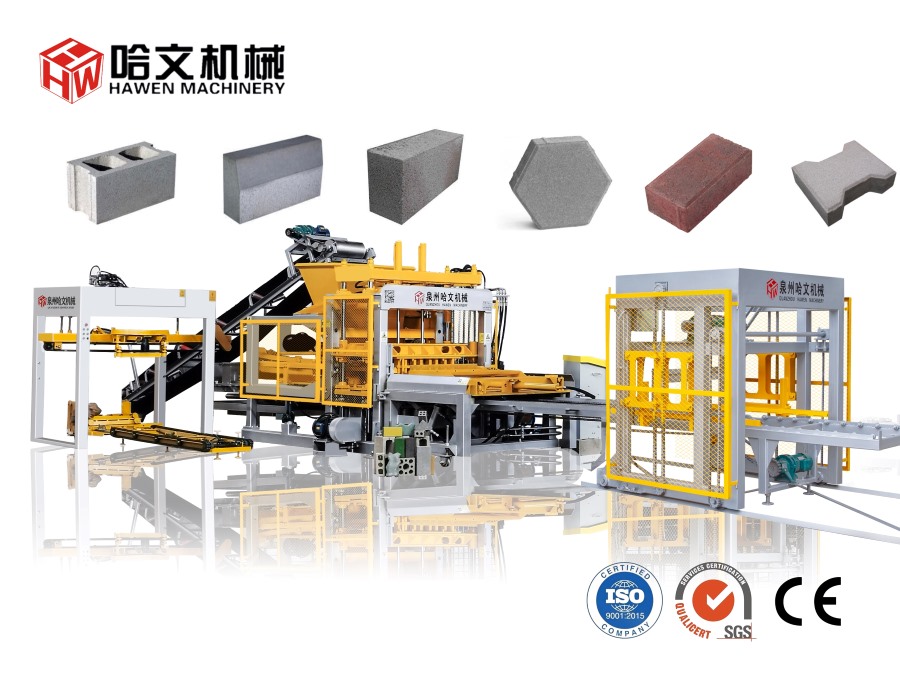
The supplied configuration and installed machine identity provide the starting context for a replacement-part enquiry.
Start with the Installed Machine and Assembly Identity
Begin with the machine or equipment identity recorded on the installed unit and its project documents. Useful references can include the model, machine number, project or order reference, and delivery period where these are available. Copy the actual information rather than reconstructing it from memory. A production line may include several separately supplied machines, so identify the equipment containing the requested part.
Distinguish the forming machine from the complete line. A mixer, conveyor, pallet provider, stacker, or hydraulic unit can have its own identity and supply history. Describing every component as a part for the main block machine may hide that distinction. If the component is on a separate assembly, include that assembly's reference and explain its connection to the production line.
Attach the relevant original supply or installation document if it helps the supplier locate the configuration. A general brochure is useful background but may not establish the details of a particular order. The same model designation can appear in projects with different options. Ask the supplier which project reference is needed to identify the correct installed arrangement.
Where an identification plate is missing or unreadable, state that limitation clearly. Provide the available records and wider equipment photographs, and ask for the appropriate identification process. Do not create a guessed number to complete a form. An enquiry with an explicit missing reference is easier to resolve than an order built around an incorrect one.
Show Where the Part Fits in the Production Line
Show the component in its installed context. A wider photograph can establish the machine side, assembly, and nearby equipment, while a closer image can show the item itself. Keep the images connected with a simple enquiry reference or caption. The supplier should not have to infer whether several photographs show the same component or different items from the line.
Describe the position using the equipment's documentation where possible. A drawing reference, assembly name, or item number can be more useful than an informal description such as the small part near the motor. If an original parts drawing is available, mark the relevant item without changing its reference. Make the requested quantity clear when similar parts appear in several positions.
Distinguish a component reference from a general name used by the purchasing team. Words such as bearing, sensor, valve, or coupling identify broad categories rather than a confirmed orderable item. A supplier may need to establish the assembly version before confirming the exact replacement. Keep the general description, but support it with the available location and identification evidence.
Obtain photographs or observations under the factory's authorized procedures. The need to identify a part does not justify reaching into operating machinery, removing protection without authorization, or disturbing equipment merely to obtain a better picture. If access requires a planned inspection, record that need and arrange it through the responsible team.
Record Component Markings Without Guessing Their Meaning
Record visible markings exactly, including letters, numbers, suffixes, and other identifiers. A shortened transcription may omit the detail needed to distinguish two variants. Keep an image of the original marking alongside the typed record where practical. If a character is uncertain, identify it as uncertain and provide the clearest available evidence instead of silently choosing a likely value.
Different markings can serve different purposes. An identifier on a casting, a label on an assembly, and a supplier's orderable part reference are not automatically the same thing. Ask the supplier how the visible information maps to the requested replacement. A number found on the physical item should not be presented as a confirmed spare-part code until that relationship is established.
Dimensions and visible connection details may help identify a component when the supplier requests them. Use the specified measurement method and qualified personnel where needed, and record the source of the information. Do not treat a few matching dimensions as complete proof of suitability. The responsible technical party needs to confirm the characteristics relevant to the actual application.
Describe any visible damage separately from the identification record. A broken edge, damaged label, or altered surface may make a component difficult to identify and may also affect measurements. The supplier should know whether the evidence comes from an intact item, a damaged component, or an older spare believed to be equivalent. Those situations carry different levels of certainty.
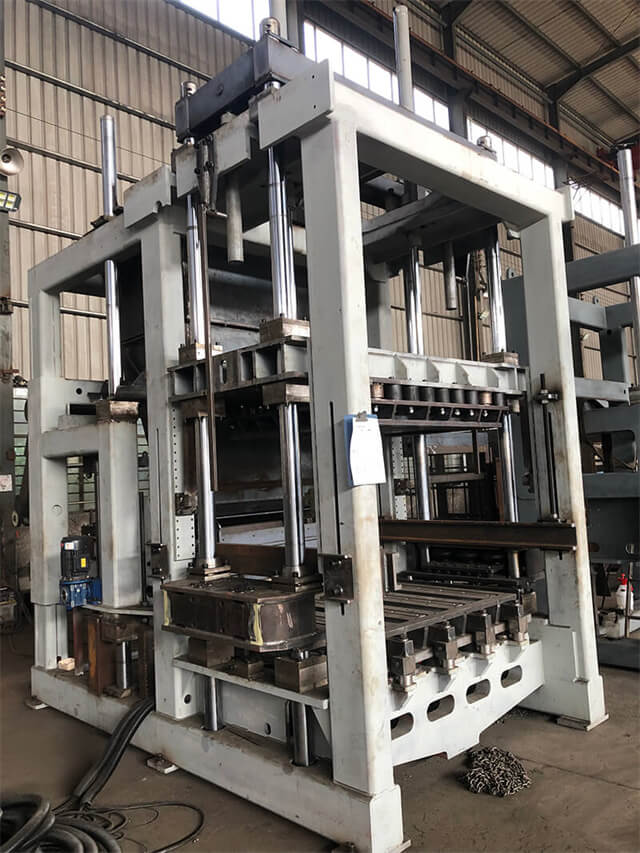
Retaining the relationship between equipment records and component identity supports a more precise replacement enquiry.
Check Modifications and Replacement History
Check whether the installed assembly still matches the original supply. Repairs, supplier-supported upgrades, local modifications, or earlier replacement work can change the relevant configuration. The original order is a useful reference, but it may not describe the machine's current condition completely. Ask maintenance staff for the latest available service and replacement records.
Record what changed and which components were involved. Where an approved revision or service reference exists, include it in the enquiry. Avoid summarizing a modification only as an improvement because that does not identify the current arrangement. If no complete record exists, explain the uncertainty and ask the supplier which inspection or documentation is needed before ordering.
An older spare already on the shelf also needs an identity check. Its presence in the warehouse does not prove that it belongs to the installed machine or that a later modification has left it suitable. Preserve its label and purchase reference. Compare the documented application with the current equipment through the appropriate review rather than relying on the storage location.
If the supplier proposes a revised replacement, request a clear explanation of its applicability. Confirm whether it replaces the original item directly or requires a documented accompanying change, additional items, or an authorized procedure. The purchasing record should distinguish the new reference from the old one while retaining the supplier's confirmation of the intended equipment.
Confirm Whether the Quotation Covers a Part or an Assembly
Clarify whether the quotation is for an individual component, a complete assembly, or a kit. The same informal request can produce different scopes from different suppliers. An assembly may include associated items that a single-part quotation excludes. Compare the described supply against the maintenance request so the buyer understands what will arrive and what remains to be arranged.
Specify the quantity and how it is counted. One set can mean different things unless the contents are listed. Ask for an itemized description when the requested supply includes several components. If two similar parts belong in different positions, preserve their individual references rather than combining them into one vague line with a total quantity.
Obtain confirmation that the quoted reference is intended for the identified equipment and configuration. State the machine or assembly reference in the order or its linked technical record. Resolve any provisional identification before treating the offer as final. A quotation that remains subject to confirmation should not be interpreted as completed compatibility approval.
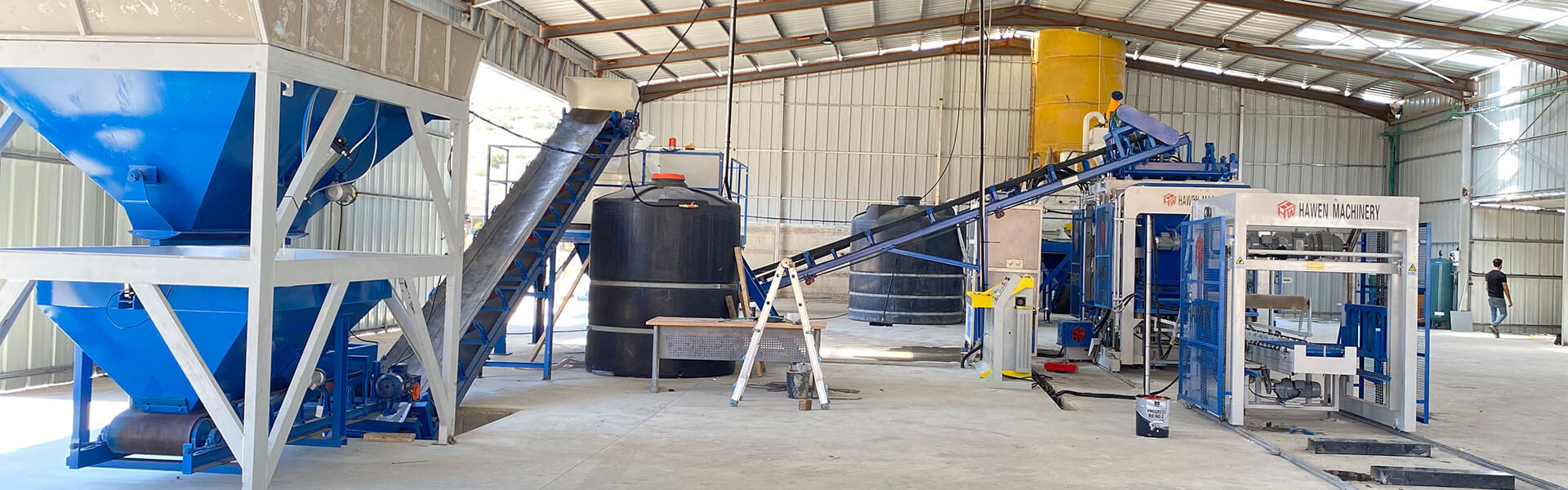
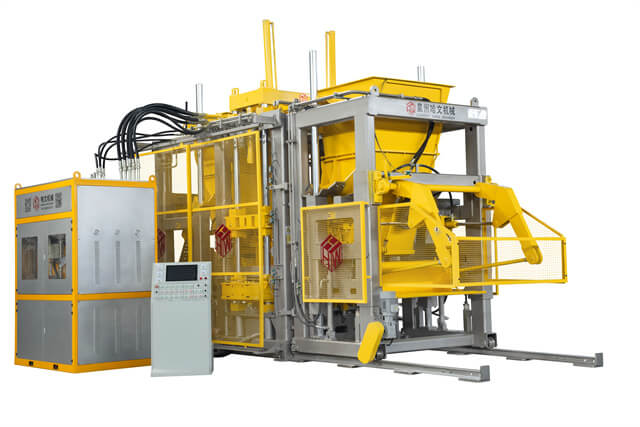
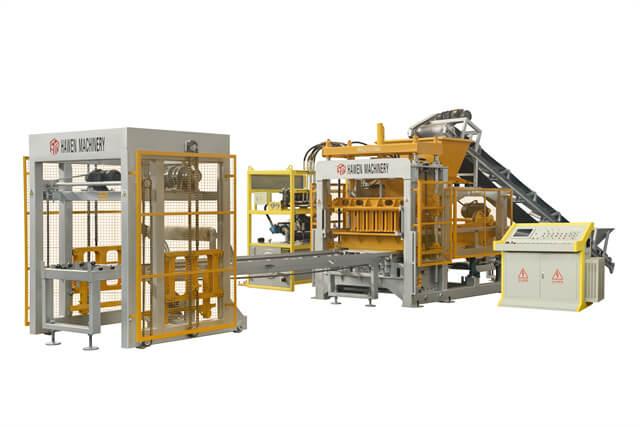
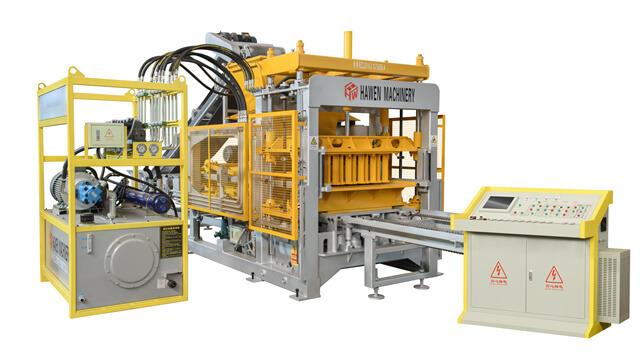
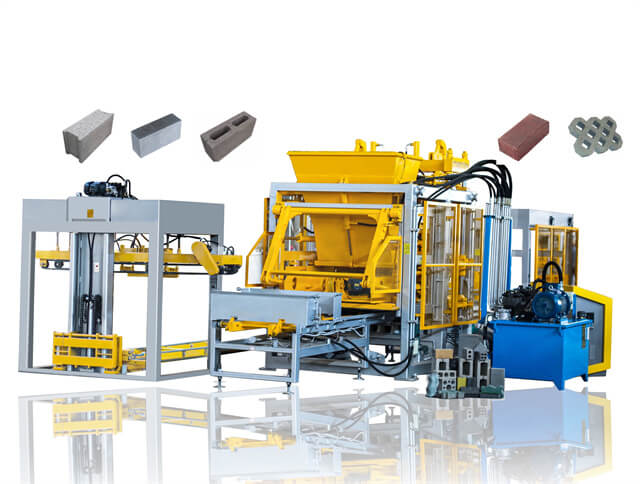
When discussing a HAWEN automatic concrete block production line, buyers can ask how machine references, component enquiries, and confirmed replacement records are connected for the supplied configuration. The useful outcome is a repeatable identification process. A broad model description should not replace the project-specific evidence needed for a particular spare-part order.
| Enquiry information | Evidence to provide | Uncertainty to resolve |
|---|
| Installed equipment | Machine or assembly reference and relevant project record. | Does the supplier know which supplied configuration is involved? |
| Component position | Context photograph, drawing item, or documented assembly location. | Can the requested item be distinguished from similar components nearby? |
| Visible identification | Complete marking transcription and an image where practical. | Is the marking an orderable reference or another type of identifier? |
| Current revision | Modification, service, and previous replacement records. | Does the installed assembly still match the original project information? |
| Quoted supply | Confirmed reference, quantity, kit contents, and application statement. | Is the offer for the intended component and the complete required scope? |
Match Delivered Parts to the Approved Order Record
At receipt, compare the delivered labels and quantities with the approved order and technical confirmation. Keep any mismatch visible in the receiving process. Do not relabel an uncertain item as compatible simply because its shape resembles the removed component. Refer discrepancies to the responsible supplier and technical reviewer before release under the factory's procedure.
Retain the order reference and confirmed application with the storage record. If an item is reserved for a particular machine or revised assembly, that relationship should remain clear when staff change or parts are moved. Update the record when an approved replacement reference supersedes an earlier one, while preserving enough history to understand previous orders.
A useful procurement-review check is to select one received part and trace it back to the enquiry evidence and supplier confirmation. Another trained buyer should be able to identify its intended machine and scope without depending on the memory of the person who placed the order. If that connection is missing, improve the record before repeating the same purchase.
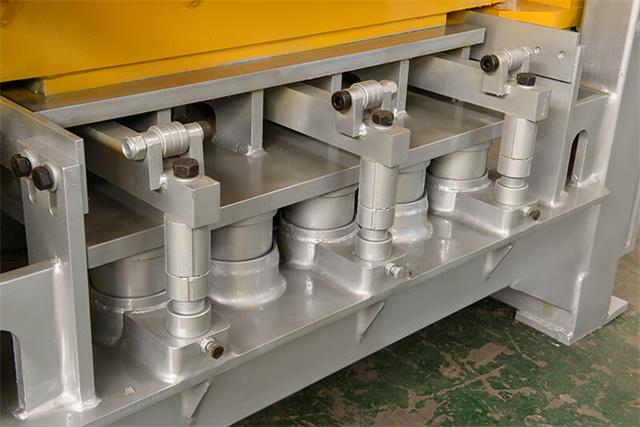
Subsystem identification helps distinguish a component enquiry from a general request for parts for the complete line.
FAQ
Is the block machine model enough to identify every spare part?
Not necessarily. Provide the installed machine and assembly references, component location, and the available configuration history so the supplier can confirm the application.
Can a photograph prove replacement compatibility?
A photograph can support identification, but appearance alone does not establish all relevant characteristics. Obtain the supplier's confirmation for the actual equipment.
What if the marking on the component is unreadable?
Record that limitation and provide the wider equipment context and available documents. Ask which additional information or authorized inspection is needed.
Should an old warehouse spare be used as the order reference?
Only after its identity and documented application have been checked against the current configuration. Storage history alone does not confirm suitability.
What should remain in the purchasing record?
Keep the equipment identity, enquiry evidence, confirmed replacement reference, supply scope, revision information, and receiving outcome.
Conclusion
Compatible spare-part ordering starts with the installed equipment and the evidence linking a component to it. Record the machine and assembly identity, show the part's location, preserve complete markings, and review changes since the original supply. Confirm whether the quotation covers the intended item or a different assembly scope.
Before releasing an order, check that the supplier's confirmed reference is connected to the actual configuration and that unresolved assumptions have been addressed. At receipt, retain that link in the factory's records. This gives buyers a clearer, repeatable basis for replacement enquiries and avoids turning an uncertain identification into an unverified purchase.





 Tel: +86-13905968794
 Email: export@hwmachines.com
 MP/WhatsApp: +86-13905968794
 Manufacturer Address:Nanan,Quanzhou City,Fujian Province,China