An automatic concrete block line may use controls, sensors and programmed sequences, but it is not an unattended production system. Operators still prepare materials, verify the product programme, observe forming, respond to alarms, protect equipment during stoppages and judge whether fresh units should move forward for curing. A buyer planning a new block plant should treat operator training as part of commissioning rather than a final handover activity.
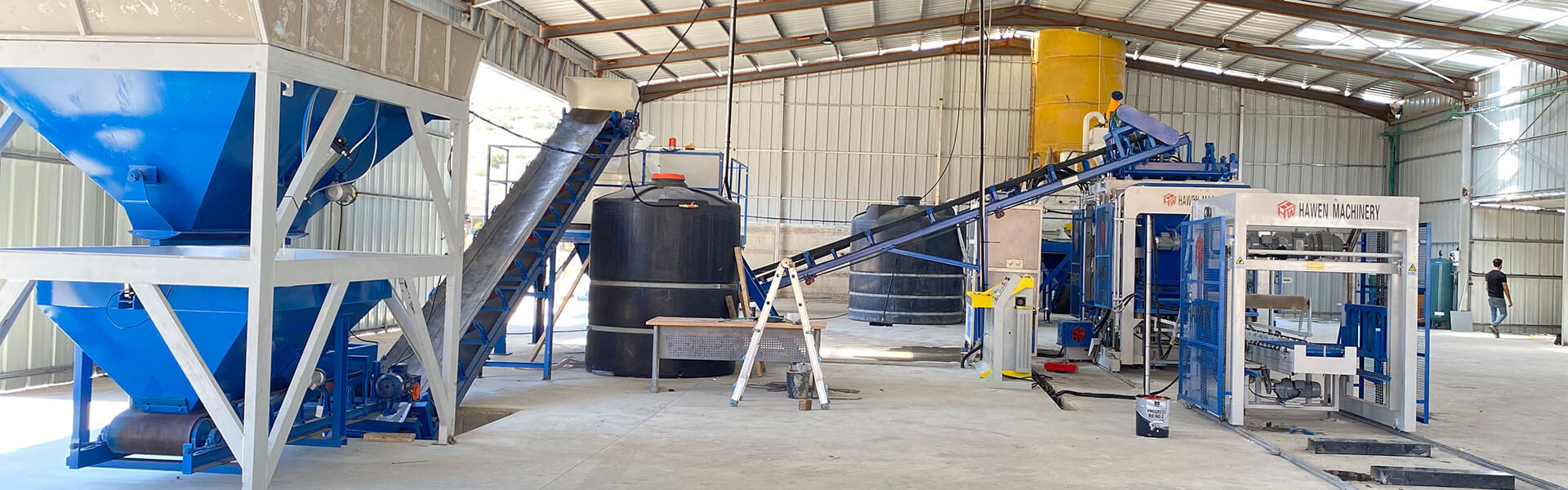
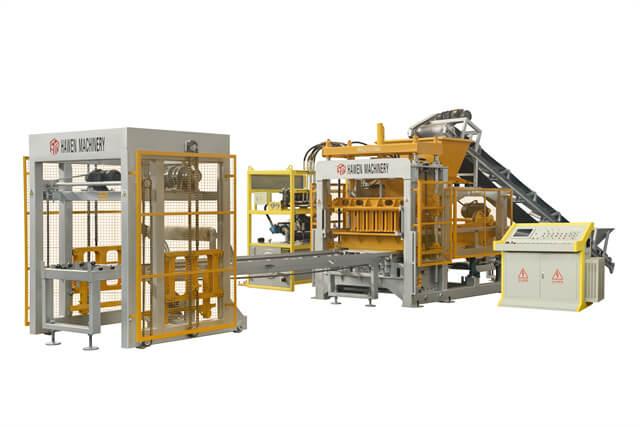
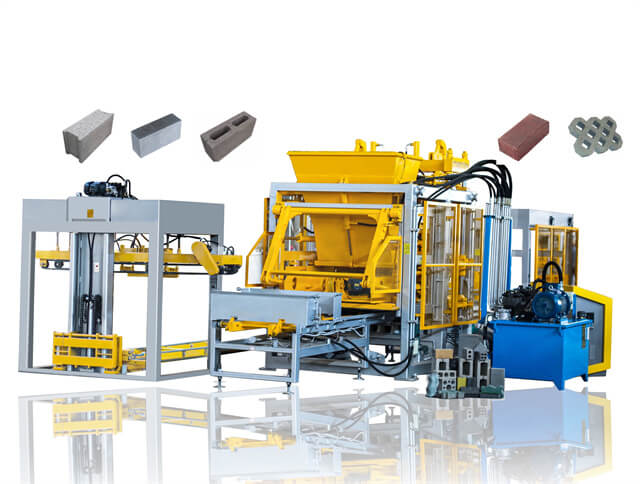
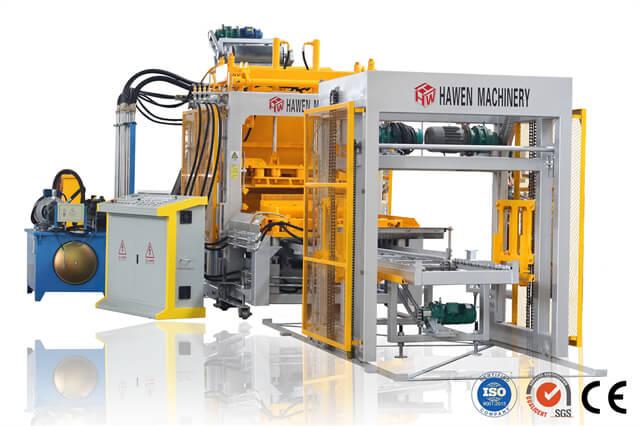
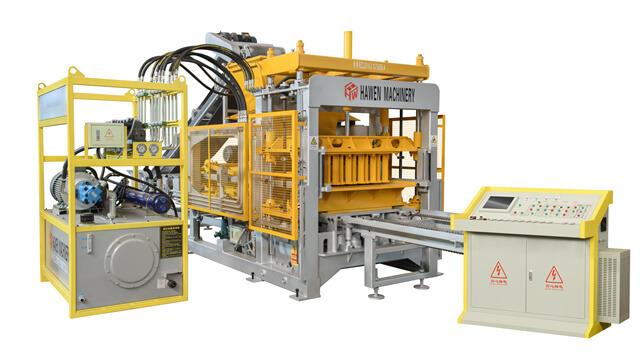
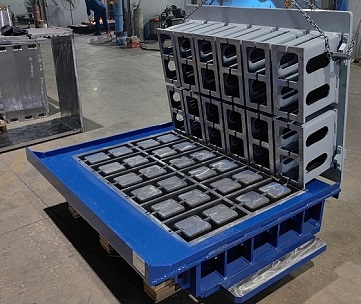
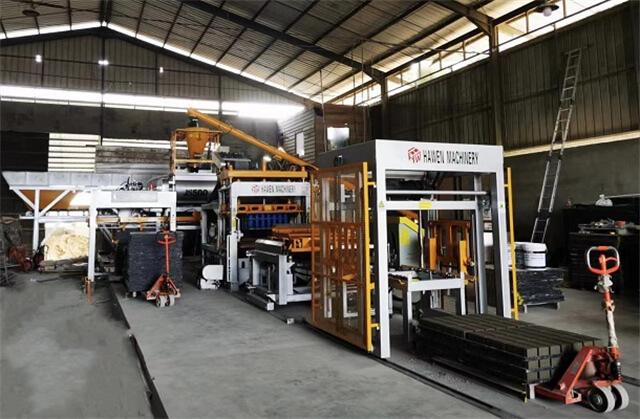
Hawen Machinery’s public information describes block machines, mixers, batching equipment, moulds and palletizing-related equipment as parts of a production solution. That is the right perspective for training as well. The plant does not need one person who knows only the forming machine. It needs a team that understands the handoffs between material preparation, forming, transfer, curing, inspection and maintenance.
Define the roles around the line before training starts
List the operating roles in the planned shift. Depending on the line, these may include the batching or mixer operator, the forming-machine operator, a transfer or pallet-handling operator, a quality checker, a maintenance technician and a shift supervisor. One person may cover several responsibilities in a smaller plant, but the responsibilities should still be explicit. Ambiguity is risky during product changes or abnormal conditions, when each person may assume another person has checked the material, mould, pallet supply or safety isolation.
For each role, define what the person must understand, what they may adjust, what they must record and when they must stop and escalate. This makes training relevant to a real decision rather than a long demonstration of every screen and component. It also creates a basis for refresher training when the plant introduces a new product family, mould or material source.
Train through the real production sequence
Training is strongest when it follows the order of a normal shift: pre-start inspection, material preparation, product selection, machine preparation, first-piece checks, normal production, changeover, cleaning, planned shutdown and reporting. Each stage should combine the equipment instructions with the plant’s own product and safety procedures. Operators should not be asked to improvise around guarding, isolation or lifting; applicable safety rules and the supplier’s instructions govern those activities.
A useful exercise is a supervised first run with representative material. Ask the team to identify the product, review the required mould and pallet, check that the correct material route is ready and agree what the first units will be checked for. The objective is not to rush toward rated output. It is to establish a repeatable handoff from one stage to the next and make sure everyone knows what a normal condition looks like.
| Training moment | Core question | Evidence of readiness |
|---|
| Pre-start | What must be checked before energy and material are introduced? | Completed inspection and clear responsibility. |
| First pieces | Which visible conditions require adjustment or escalation? | Agreed samples and inspection observations. |
| Changeover | Who confirms the new product, mould and material state? | A repeatable changeover checklist. |
Connect operator decisions to product checks
Operators need a practical vocabulary for the product conditions they can see: incomplete filling, edge damage, surface variation, unstable fresh units, unexpected marks or inconsistent appearance. The point is not to make unsupported diagnoses from appearance alone. It is to ensure that observations are communicated promptly and checked against the plant’s established inspection criteria.
When a deviation appears, teach a simple sequence: make the process safe, identify the product and time, check obvious material and pallet conditions, review the relevant operating state and involve the appropriate supervisor or technician. This reduces the temptation to change several settings at once. One controlled change and a documented recheck creates better learning than repeated unrecorded adjustments.
Training should also explain the limits of an operator’s authority. Operators should know which settings are part of the approved product procedure, which can be adjusted within a defined range, and which require a supervisor, quality representative or maintenance technician. This protects both product consistency and equipment condition. It also gives less-experienced team members permission to ask for help instead of attempting a change that has not been assessed.
Use abnormal but realistic scenarios in refresher training. For example, discuss what the team would do if material supply is interrupted, a pallet arrives damaged, fresh units show an unexpected defect or an alarm stops the line. The correct response must be based on the supplier documentation and site safety rules, not a generic internet checklist. Still, rehearsing the reporting path helps the team respond methodically under pressure.
Use records without creating paperwork for its own sake
Shift records should help the next decision. A concise form may note product, mould identity, material or recipe reference, first-piece result, interruptions, maintenance observations and actions taken. The most useful fields are those that let the team compare a current issue with a prior condition. Avoid forms that are completed after the fact but never reviewed.
Build a short review into the shift handover. The incoming team should know which product is running, whether a change occurred, whether any equipment condition needs attention and what quality observations remain open. This is especially valuable when a line operates across several shifts or when the plant is building experience with a new block or paver product.
Supervisors should review records for trends rather than merely filing them. A repeated note about slow material arrival, a recurring edge defect or a frequent stoppage at one point in the line may reveal a process issue that individual operators cannot solve alone. The review should lead to one named action, a due date and a check of whether the action worked. This is more useful than asking operators to write increasingly detailed descriptions of the same problem.
Finally, preserve training evidence in a practical form: the role, the topic covered, the supervised task and any follow-up coaching required. This supports consistent onboarding when staff change and helps management decide when product changes require new instruction. Training is complete only when operators can demonstrate the required routine safely and the shift team can use it under normal production conditions.
FAQ
Does automation remove the need for skilled operators? No. Automation can make sequences repeatable, but people still prepare, inspect, respond to deviations and maintain the equipment according to approved procedures.
What should be trained first? Begin with safe operation and the normal production sequence, then connect each role to the checks that protect product quality and equipment condition.
How can a plant assess training effectiveness? Observe a supervised production run, review whether operators can follow the defined sequence and use actual shift records to identify where further coaching is needed.
Conclusion
Reliable block production depends on a trained team as much as on machine capability. Buyers should define shift roles, train against the actual production sequence, connect observations to quality checks and use concise handover records. The next step is to convert these principles into a site-specific training plan that follows the supplied equipment manuals, local safety obligations and the products the plant will make.





 Tel: +86-13905968794
 Email: export@hwmachines.com
 MP/WhatsApp: +86-13905968794
 Manufacturer Address:Nanan,Quanzhou City,Fujian Province,China