A production pallet is easy to underestimate because it moves with the fresh concrete product rather than shaping it directly. Yet it provides the support surface beneath a newly formed block or paver at the moment when the unit is most vulnerable to damage. Its dimensions, flatness, stiffness, surface condition and handling route can influence product stability, moulding repeatability and the amount of avoidable rework a plant experiences.
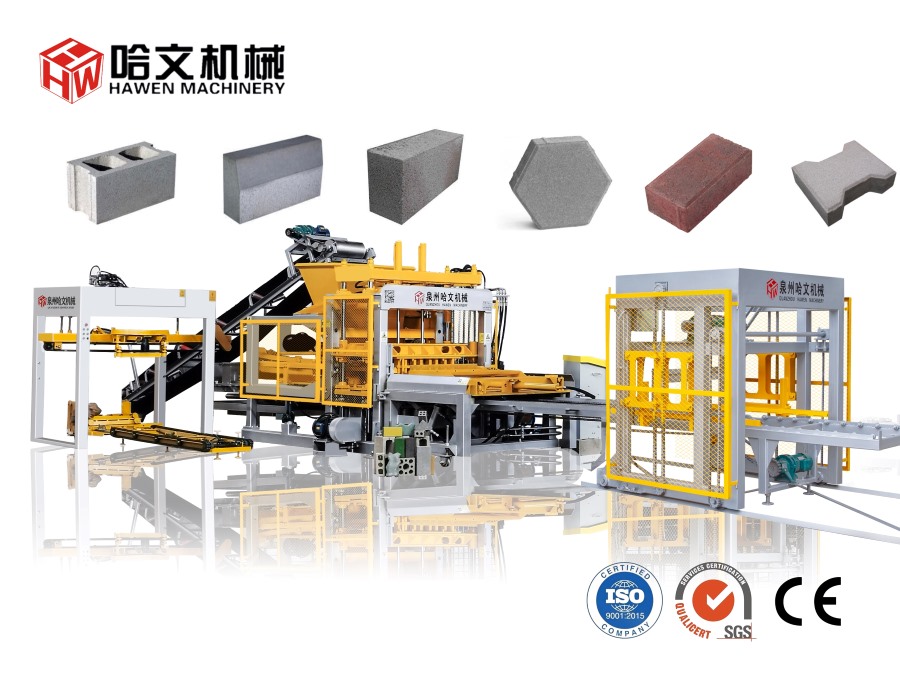
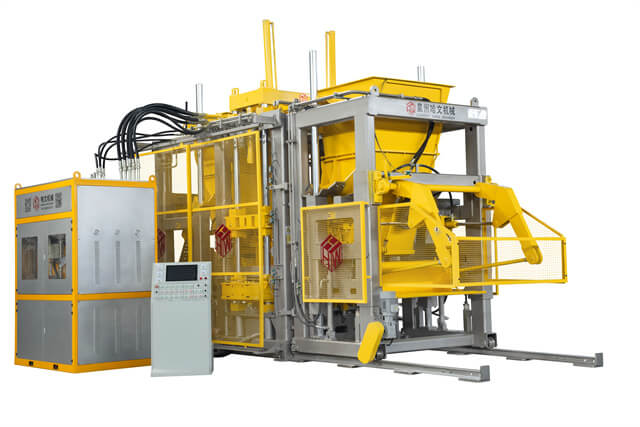
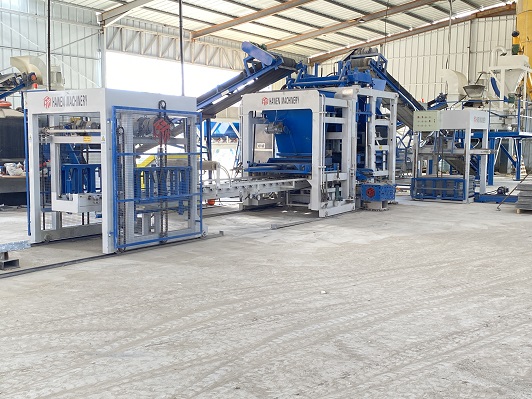
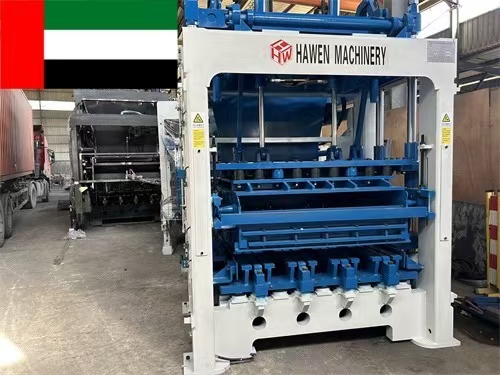
For a buyer of an automatic concrete block production line, pallet selection should be reviewed alongside the forming machine, mould, transfer equipment and curing plan. Hawen Machinery publicly lists GMT pallets as part of its block-production equipment range. The broader lesson applies regardless of the pallet material selected: the pallet must be specified as a controlled interface in the plant, not as a consumable purchased only by size and unit price.
Why the pallet is part of the forming process
Fresh concrete units leave the mould before they have developed their final cured strength. The pallet supports them through release, transfer, stacking and the beginning of curing. A pallet that is damaged, contaminated or inconsistent can make a process look like a vibration, mix-design or mould problem. Operators may then adjust settings repeatedly when the more direct cause is the surface below the product.
The pallet also establishes a reference plane for production. If the plant makes products with appearance or dimensional requirements, the support surface has to remain sufficiently consistent for the plant’s own quality checks. The exact acceptance criteria will depend on the product, production method and local requirements, but the procurement question is straightforward: how will the plant inspect, sort, clean and replace pallets before their condition affects saleable output?
Match the pallet to the machine and product
Start with the forming machine’s required board dimensions, thickness range and handling interface. Confirm the relevant dimensions from the machine documentation and ask the supplier to state the assumptions behind the proposed pallet. Do not assume that a board with a similar nominal size will work correctly; the travelling, locating and transfer system needs the intended board to move predictably through the entire line.
Then review the product programme. A plant producing hollow blocks, solid units, pavers or kerbstones may subject pallets to different loading patterns and surface-contact conditions. Production frequency matters too. A low-volume operation may prioritize robustness and simple inspection, whereas a high-throughput line needs a disciplined circulation and segregation process so damaged boards are removed before they create repeated defects.
| Review item | Why it matters | Practical check |
|---|
| Machine interface | The pallet must travel, locate and release correctly. | Confirm dimensions and handling assumptions in writing. |
| Surface condition | Debris or damage can mark or destabilize fresh units. | Inspect a sample before and after a normal production run. |
| Curing and transfer route | Handling can add loads not visible at the machine. | Follow representative pallets to the curing area and return route. |
Inspect condition and handling discipline
A good pallet programme has a defined inspection point. It may be at return, before the forming machine or during cleaning, but the responsibility should be clear. Check for visible damage, contamination, accumulated concrete, abnormal wear and conditions that prevent normal movement. Record recurring patterns by pallet identification or batch where practical. This makes it possible to distinguish isolated damage from a problem in a transfer point, cleaning method or storage practice.
Handling discipline is equally important. Pallets can be damaged by poor stacking, unsuitable fork handling, impact at transfer points or storage on an uneven surface. The corrective action is not necessarily more inspection alone. It can be a safer route, improved staging, clearer operator guidance or a planned replacement level. Review the entire circulation loop with the people who operate it; they often see damage mechanisms long before they appear in a purchasing report.
Cleaning deserves its own review. Concrete residue can build up gradually and change how a pallet supports the underside of a fresh unit. The plant should decide where cleaning occurs, what tools and methods are permitted, and how the board is inspected before returning to production. An aggressive cleaning method that shortens service life is not automatically a good solution; nor is a light cleaning routine that leaves material on the board. The right practice is the one validated for the selected pallet, product mix and operating conditions.
It is helpful to separate routine condition observations from a formal rejection decision. Operators can flag a board with a visible issue, while an assigned person determines whether it is cleaned, repaired where appropriate, quarantined for review or removed from circulation. A visible identification system prevents questionable pallets from being returned by mistake. The aim is a calm, repeatable decision rather than an improvised response when defects are already appearing on finished units.
Build a pallet evaluation plan before committing to volume
Before a large order, agree a controlled evaluation using the intended machine, representative materials and normal handling steps. Define what will be inspected on the first production day and after repeated circulation. Observe moulding, demoulding, transfer, stacking, curing and return. Keep the record factual: product type, pallet identification, visible condition, any defect, action taken and result.
Buyers should also clarify the operational questions around the pallet purchase: expected handling method, cleaning instructions, storage recommendations, replacement planning and availability of future supply. Those details help the plant calculate a realistic lifetime cost instead of comparing the purchase price in isolation. Final operating procedures must follow the supplied equipment documentation and applicable safety requirements.
A purchasing comparison can be structured around the information the plant can verify. Compare the proposed dimensions, intended machine interface, stated handling guidance, inspection approach, delivery plan and continuity of supply. Then add the plant’s own cost of cleaning, internal movement, storage space and rejected product risk. This does not produce a universal answer about which pallet is best; it produces a traceable decision for a particular line and product programme.
After commissioning, review pallet performance at a planned interval rather than waiting for a widespread quality issue. Compare the observations from different shifts and product types. If damage clusters at one transfer point or after a certain product change, investigate the route and operating method before increasing the replacement order. That feedback loop turns a routine consumable into useful evidence for improving the production line.
FAQ
Can a pallet cause defects that resemble a mould problem? Yes. A damaged or contaminated support surface can affect fresh-unit stability and visible finish. Inspect the pallet condition before changing mould or vibration settings.
Should every pallet be inspected manually? The method depends on plant volume and risk, but every plant should have a defined way to detect and remove unsuitable pallets before they repeatedly affect production.
What is the first compatibility check? Confirm the forming machine’s required board dimensions and handling interface, then review the full transfer and curing route.
Conclusion
Pallets are a production interface, not an afterthought. A buyer should connect pallet selection to machine fit, product geometry, circulation, cleaning and curing. The next decision is to run a representative evaluation, document what happens across the full route and establish a practical inspection-and-replacement routine before routine production begins.





 Tel: +86-13905968794
 Email: export@hwmachines.com
 MP/WhatsApp: +86-13905968794
 Manufacturer Address:Nanan,Quanzhou City,Fujian Province,China