An automatic concrete block line can run with consistent mechanical equipment and still produce variable results when recipe settings change without a clear decision process. One operator may adjust material feeding to address incomplete filling, another may alter vibration after observing surface differences, and the next shift may continue with a setting that was intended only for a short trial. Without an approved reference, nobody can easily explain which condition represents normal production.
The question is not simply whether the control screen has a password. A practical recipe-control system defines which settings belong to routine operation, who may change them, what evidence supports a change, and when a trial becomes an approved production condition. The available access functions vary between PLC and HMI configurations, so buyers and plant managers should confirm actual capabilities instead of assuming every machine offers the same controls.
This guide addresses production governance for concrete block, paver, and kerbstone lines. It does not provide PLC programming instructions or machine-specific operating values. Any adjustment must remain within the manufacturer's procedures and the factory's approved safety and quality controls. The useful outcome is a clear operating boundary that lets trained staff respond to production conditions while preserving an understandable record.
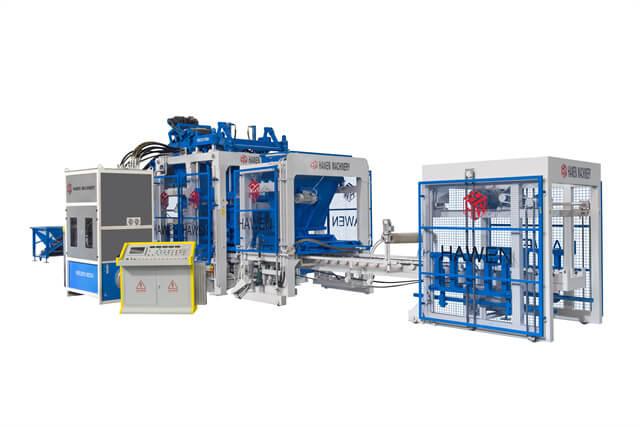
Recipe control supports the forming process by keeping the active production condition identifiable and approved.
Separate Material Recipes from Forming Recipes
Factories often use the word recipe for more than one set of information. A material recipe describes the specified proportions and batching sequence for aggregates, cementitious materials, water, pigments, or other approved inputs. A forming recipe describes the relevant machine sequence and settings used to fill, compact, and release a particular product. These records are related, but changing one does not automatically authorize changing the other.
Define the ownership of each recipe before assigning screen access. The quality or process team may approve material proportions, while a trained production specialist manages forming setup within the equipment's allowed range. Record how aggregate moisture correction is handled so an approved water adjustment is not confused with an unrestricted mix-design change. The factory should distinguish a routine correction under a defined procedure from a trial that requires further review.
Link the recipes to the product and installed tooling. A product name alone may be insufficient when two moulds have different identities or when a facing-mix arrangement is involved. The record should tell an operator which material recipe, forming recipe, mould assembly, and product specification belong together. This prevents a familiar recipe name from being selected for the wrong setup.
Define Operator, Supervisor, and Service Access
Identify responsibilities by function rather than giving every operator the same permission. Routine operators need the functions required to run the line, select approved recipes where authorized, monitor production, and report abnormal conditions. Supervisors may approve certain documented adjustments. Specialized service personnel may need access to configuration or diagnostic functions that are outside normal production responsibilities. The exact boundaries must reflect the supplied control system and the plant's training plan.
Ask the supplier to demonstrate the available access levels using the actual machine interface. Confirm which functions can be restricted, whether a login change affects access immediately, and whether the system can distinguish selecting a recipe from editing or overwriting it. Where supported, use individual accounts for changes that need attribution. If the configuration does not support that function, define a compensating sign-off record instead of claiming that the software already provides an audit trail.
Emergency stopping and other safety functions must retain their intended operation and accessibility. Access permissions are not a reason to bypass protective functions or modify safety-related programming. A production recipe approval does not authorize PLC logic changes, interlock changes, or movement outside the manufacturer's procedure. Treat those activities through the appropriate engineering and service process rather than placing them in an ordinary operator adjustment list.
Require a Reason for Feeding and Vibration Changes
A useful change request starts with an observation. Describe the product, active recipe, mould identity, time, and condition that prompted the request. For example, an operator may report an incomplete corner or an uneven material distribution. Record the observation without naming a cause that has not been verified. Material condition, tooling, feeding, and mechanical issues can produce similar symptoms, so a control adjustment should follow a basic investigation.
State the proposed setting change and its intended purpose. Use the parameter name and units displayed by the equipment. Record the current value as well as the proposed value so the previous condition can be reconstructed. Avoid informal descriptions such as increasing vibration a little. If several parameters must change as a coordinated setup, identify the whole approved setup rather than recording only one value and leaving the rest uncertain.
Decide whether the action falls within a pre-approved operating range or requires a controlled trial. A trained operator may have authority to make a defined correction under a written procedure. A change outside that procedure should be escalated to the responsible person. Giving operators a clear permitted range and escalation route is more useful than expecting them to seek approval for every routine action or allowing unrestricted editing.
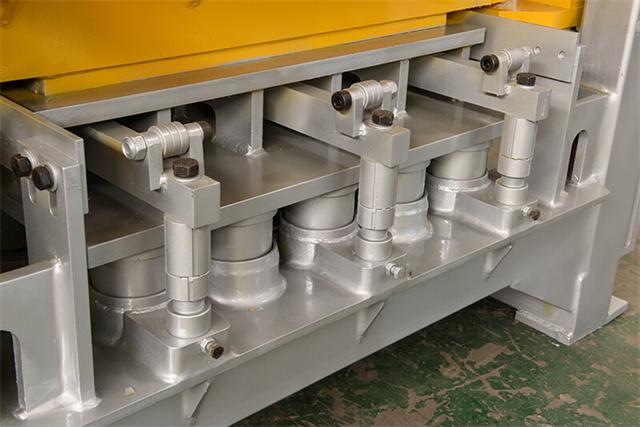
Changes related to vibration need to follow the machine's approved operating procedure and the product-specific setup.
Approve Recipe Trials Before Routine Production
Run a recipe trial with a clear boundary. Identify the production quantity or period involved, maintain the required material and mould records, and separate trial products from normal released production. Record which values were changed and which stayed at the reference condition. If the trial responds to a material change, keep the incoming material information with the trial so later reviewers do not attribute every result to the machine settings.
Assess the product using the factory's defined checks. Relevant observations may include mould filling, release behavior, green-product stability, dimensions, appearance, and the specified testing after curing. The required tests and acceptance criteria depend on the product and its intended use. A smoother cycle or a more attractive fresh surface alone does not establish that a changed recipe meets the full product specification.
Name the person who decides whether the trial is accepted, rejected, or extended. Until that decision is made, the recipe should remain marked as a trial through the method supported by the plant. If accepted, update the approved reference and its version. If rejected, return to the previously approved condition according to the operating procedure and record the outcome. Do not leave an unsuccessful trial under a familiar production recipe name.
During procurement of an automatic concrete block and paver production line, buyers should include a practical recipe-editing demonstration in the control-system discussion. Ask what the quoted configuration supports for recipe naming, permitted editing, backup, and operator training. Those functions should be confirmed on the supplied version; they should not be assumed from the general phrase PLC controlled operation.
Identify Recipe Versions and Verified Backups
Use recipe names and versions that identify the approved condition clearly. A simple reference can include the product code, mould identity or setup family, and revision. Keep an approval date and the responsible person in the factory's record, even if the HMI has limited space for that information. Avoid names such as latest, new, or final when several similar settings remain on the machine.
Determine what a backup actually contains. A recipe export, an HMI project backup, and a PLC program backup may be different items with different restore procedures. The supplier or qualified service person should explain which file is needed for which purpose and how compatibility is confirmed. Do not assume that a file copied from one machine can be loaded into another, even when the model names are similar.
Store verified backups under the factory's approved access and retention procedure. Keep the relevant machine identity, software or project reference where available, recipe revision, and date with the file record. Do not place passwords or login credentials in production logs. A backup should remain understandable to an authorized person who was not present when it was created.
A restore is a change event, not proof that production is ready to resume. After an authorized restore, confirm the active recipe, applicable setup, and required machine checks before returning products to normal release. The exact verification must follow the equipment's procedure. Document the source backup and approval so the team can distinguish a restored older setting from a newly approved revision.
| Decision | Suggested responsibility | Evidence to retain |
|---|
| Select an approved product recipe | Trained operator within authorized scope | Product, mould, active recipe reference, and start time |
| Make a defined routine correction | Authorized operator or supervisor under a written procedure | Observed condition, allowed adjustment, and result |
| Trial a setting outside the normal procedure | Designated production or process approver | Previous values, proposed setup, trial lot, and inspection outcome |
| Release a revised production recipe | Responsible quality and production personnel | Approved version, acceptance decision, and affected products |
| Change control logic or restore a system project | Qualified authorized service or engineering personnel | Machine reference, approved service record, and restart verification |
Confirm Active Recipes at Shift and Mould Changes
At shift handover, pass on the active recipe reference and any temporary adjustment or open trial. The incoming team should be able to compare the machine screen with the shift record. If the values do not match, establish the reason before making further changes. A verbal explanation is useful, but it should not be the only record of an active setting that differs from the approved condition.
A mould change is another useful verification point. Confirm the installed tooling, product selection, material recipe, and forming reference together. A machine may load the expected recipe name while retaining a manually adjusted value, depending on its design. Ask the supplier how selection and parameter loading work on the supplied configuration, and build the verification around that behavior rather than assuming how the screen operates.
Review repeated adjustments as a process signal. If several shifts keep changing the same value to maintain acceptable production, investigate the underlying materials, feeding, tooling, calibration, or maintenance condition. Do not turn repeated compensation into the approved recipe without reviewing the evidence. Recipe control should make recurring problems easier to see, not hide them behind a growing list of undocumented variants.

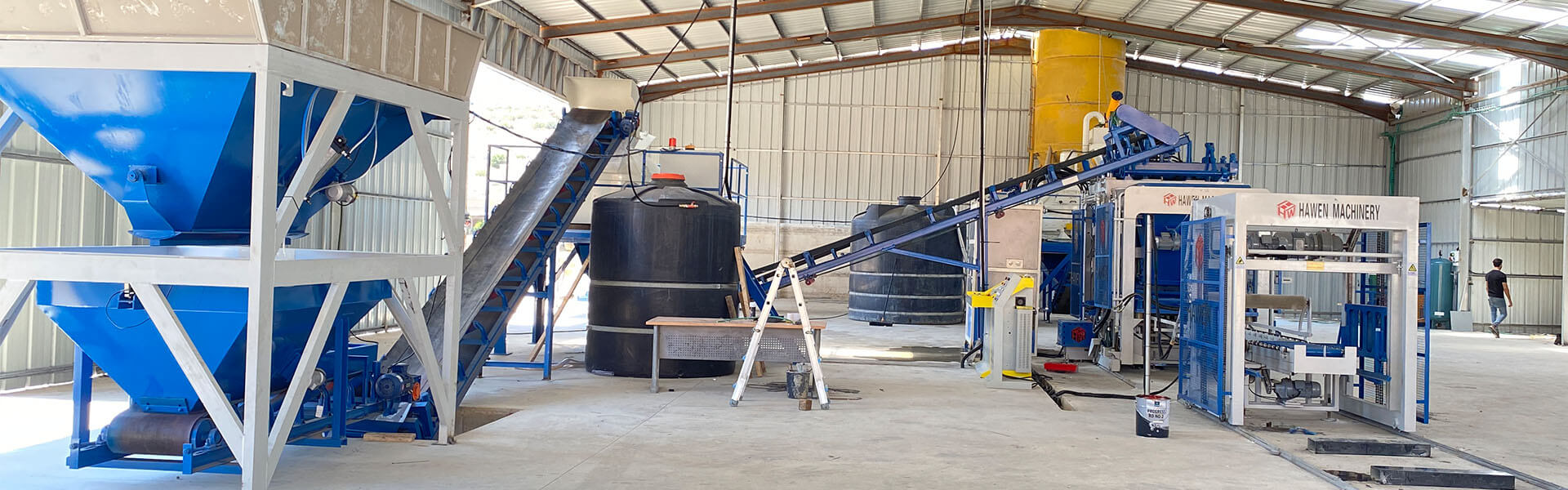
Approved recipe selection needs to match the product, tooling, and upstream material preparation for the complete line.
FAQ
Should every operator have permission to overwrite production recipes?
Not necessarily. Give each role the functions required for its work and keep approval responsibilities clear. Confirm the restrictions supported by the actual control system.
Does a PLC controlled machine automatically record all parameter changes?
No such capability should be assumed. Ask the supplier to demonstrate logging and export functions on the supplied configuration, or use a defined manual record where needed.
Can water correction be treated as a normal operator action?
It may be, when the factory has an approved measurement and adjustment procedure. Changing mix proportions or using an unapproved correction requires a separate decision.
When does a trial recipe become a production recipe?
After the required checks are completed and the designated personnel approve it. Record the accepted revision, rather than leaving the trial under an ambiguous name.
Is a backup enough to approve restarting the line?
No. Confirm compatibility, restored settings, and the required equipment and product checks under the manufacturer's and factory's procedures.
Conclusion
Recipe access should follow responsibilities that are clear to operators, supervisors, quality staff, and service personnel. Separate material recipes from forming settings, define permitted routine corrections, document trials, and retain identifiable approved versions. Verify what the actual PLC and HMI configuration supports instead of assuming that automation includes complete access control or change history.
Before accepting a recipe-control arrangement, demonstrate one approved selection, one controlled change, and the process for retrieving the previous reference. Then confirm how the active version is checked at shift and mould changes. This gives buyers and plant managers a practical basis for approving the workflow and the training needed to sustain it.












 Tel: +86-13905968794
 Email: export@hwmachines.com
 MP/WhatsApp: +86-13905968794
 Manufacturer Address:Nanan,Quanzhou City,Fujian Province,China