The discharge gate controls when the batch leaves the mixer
A mixer discharge gate has a simple purpose: retain material during the required mixing stage and release it according to the production sequence. When it leaks, closes slowly, or fails to confirm its position, the effect can extend beyond a small pile of material beneath the mixer.
In a block plant, an early release can interrupt batch control, while incomplete discharge can leave material behind for the next cycle. A gate fault can also create a waiting condition even when the mixing drive works normally. Establish which event is occurring before selecting a repair.
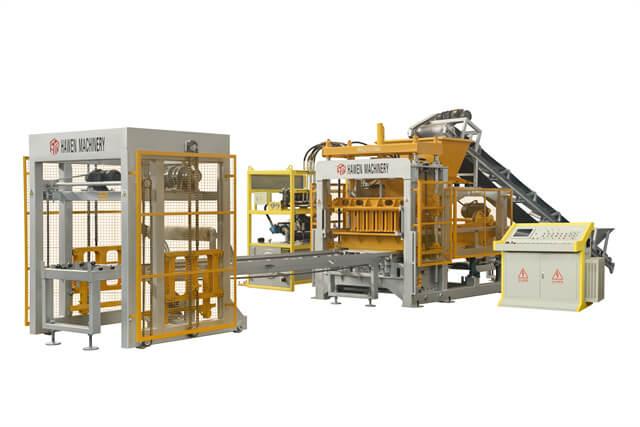
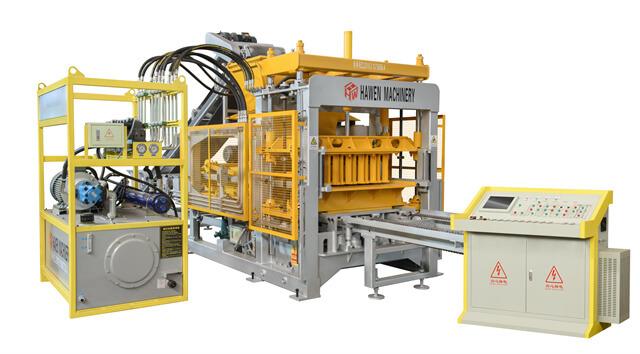
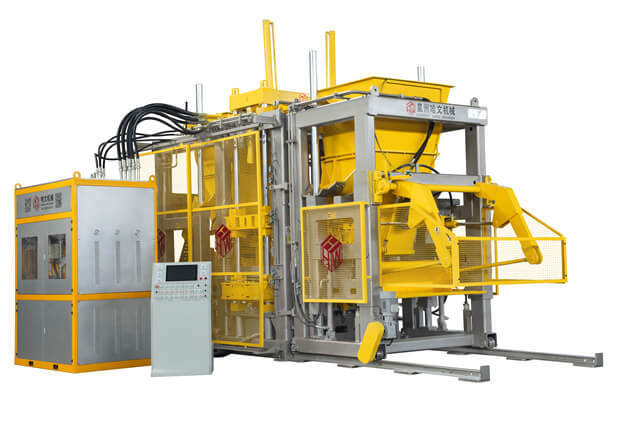
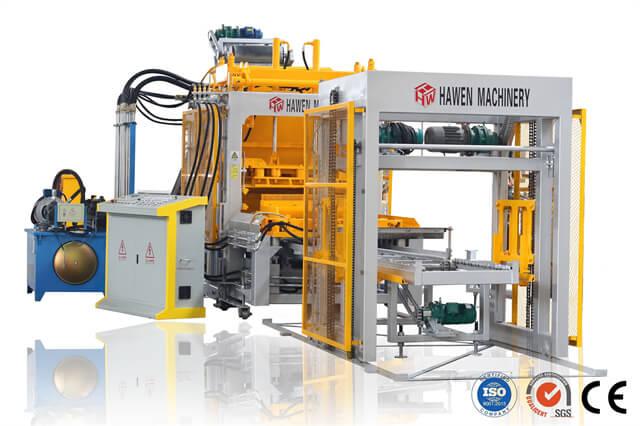
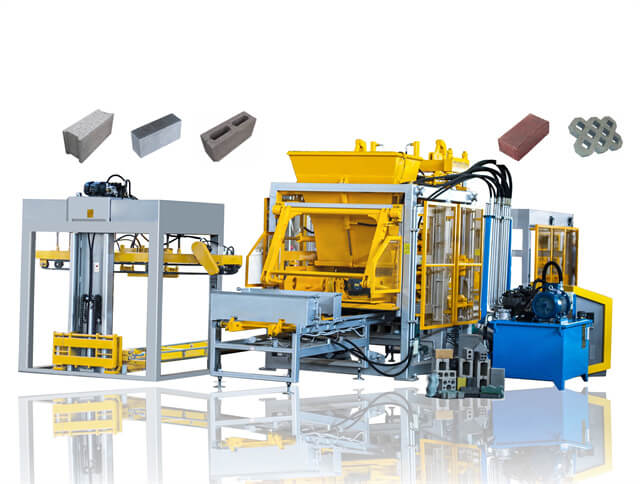
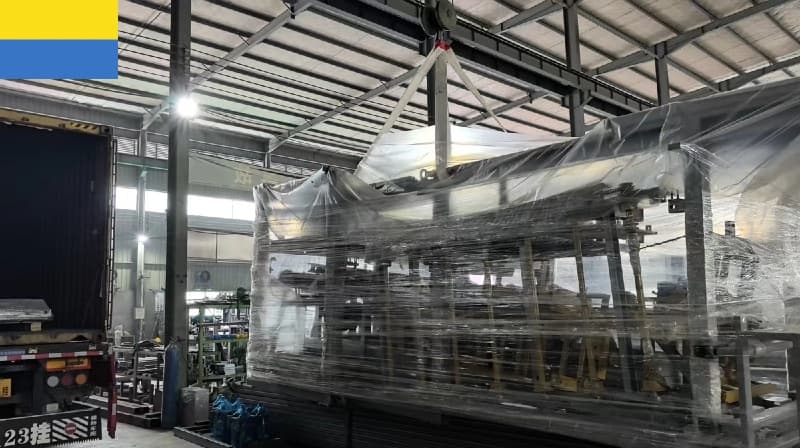
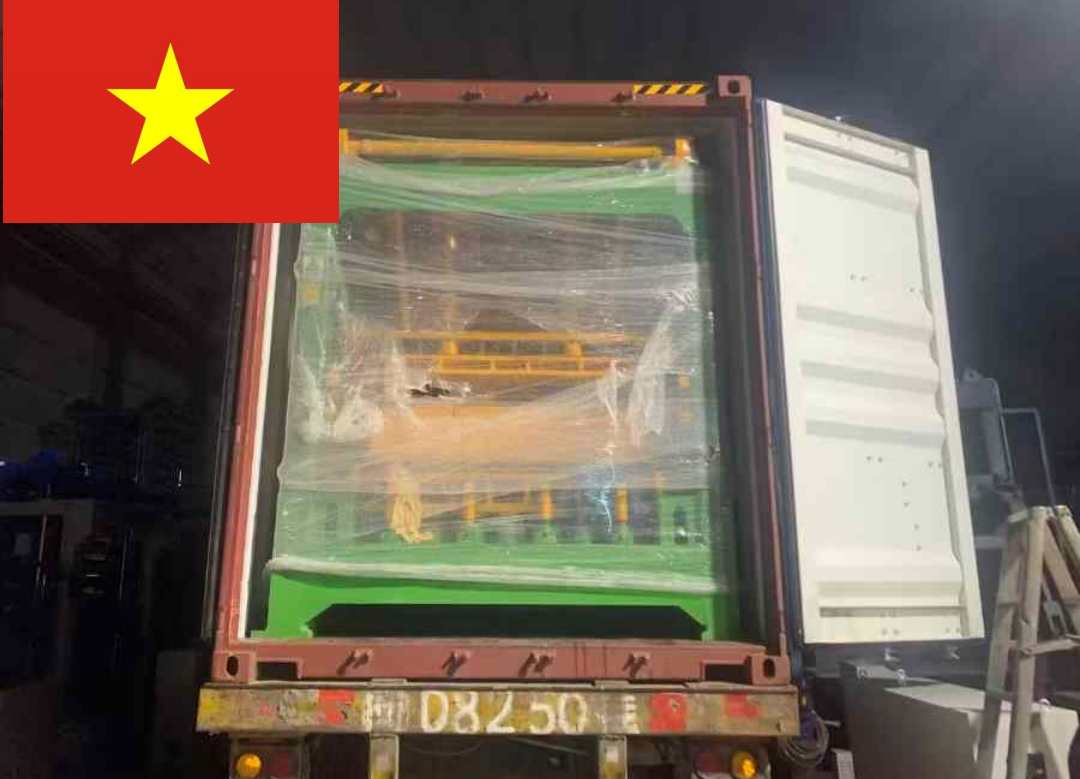
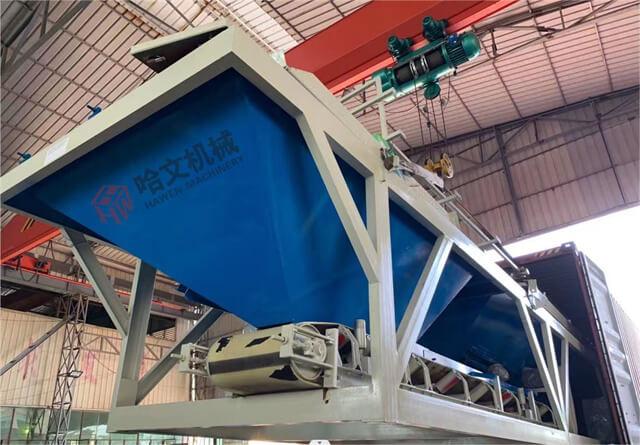
This guide applies to mixer discharge gates and their associated controls. Designs differ, including hydraulic and pneumatic actuation. The photographs illustrate mixer equipment, not a diagnosed failure or a universal gate arrangement.
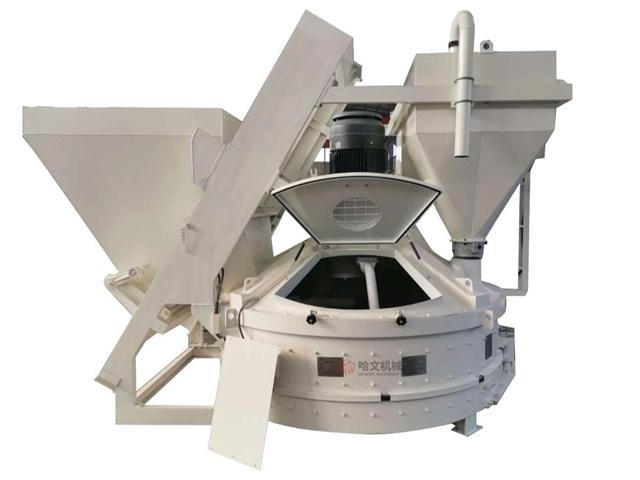
Mixer illustration; the installed discharge arrangement must be identified from its own documentation.
Distinguish leakage from carryover and incomplete discharge
Start by recording when material appears. Leakage during a closed mixing stage differs from material falling out of a downstream chute after a normal discharge. Residue seen beneath the mixer does not prove that the gate failed to seal.
Observe from a designated safe position with the required guards in place. Record the machine step, the gate indication, and the material path. A short video can help the supplier understand timing, provided it can be obtained without entering a hazard area.
Also distinguish concrete leakage from hydraulic oil leakage at an actuator or connection. These involve different materials, inspection methods, and corrective work. Describe the observed fluid or material rather than reporting only that the mixer is leaking.
Concrete buildup at the gate and mating surfaces
Hardened material can obstruct gate movement or prevent proper seating. Inspect the gate edge and surrounding surfaces using the manufacturer's isolation and access procedure. Look at the condition actually preventing movement rather than assuming that every leak means a worn sealing component.
Cleaning methods must suit the mixer. Do not strike precision parts, force tools into moving interfaces, or use the actuator to crush a suspected obstruction. Remove deposits only through the approved maintenance process and inspect the underlying surfaces afterward.
After cleaning, verify the required opening and closing operation before returning to production. Record whether the original symptom changed. A temporary improvement followed by rapid buildup may require review of cleaning intervals, material condition, or the discharge process.
Gate wear, alignment, and the specified sealing arrangement
Different mixer designs use different contact and sealing arrangements. Identify the actual assembly and approved clearances before adjusting it. There is no single gate gap or replacement seal suitable for every planetary or twin-shaft mixer.
Inspect for uneven wear, distortion, damaged supports, and signs of contact outside the intended areas. A new wear part cannot necessarily correct a misaligned assembly. Compare the findings with drawings and the supplier's service limits.
Do not grind an edge, change stops, or add improvised sealing material to make the gate appear closed. Such changes can affect movement and the relationship with the position feedback. Use a reviewed repair and complete the required checks afterward.
Hydraulic and pneumatic actuator checks
If the gate does not complete its movement, the actuator and its supply circuit may require assessment. Use the actual schematic to identify the cylinder, valve, connections, and applicable operating requirements. A visible cylinder does not establish how the complete control system functions.
Qualified personnel should investigate insufficient travel, abnormal movement, or leakage using the prescribed method. First establish whether a mechanical obstruction is present. Increasing air or hydraulic pressure without identifying the cause can load components against an unresolved restriction.
Follow the manufacturer's procedure for isolating stored pressure before servicing. A stopped mixer motor does not prove that the gate actuator cannot move. Support or restrain components where required by the maintenance instructions.
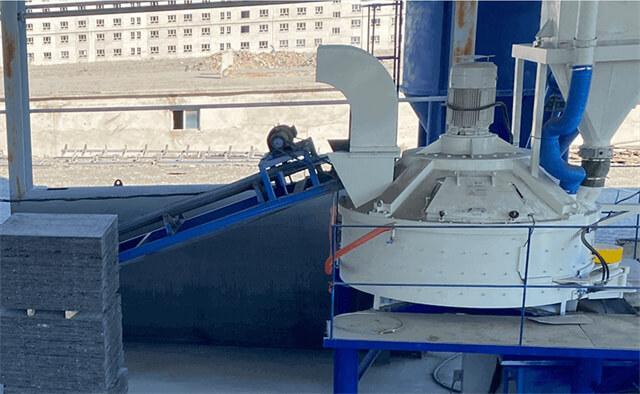
Review the mixer and actuator configuration before selecting a gate repair.
A closed-position signal is not a leak-tightness test
The controller may use a switch or sensor to confirm that a gate has reached a defined position. That signal confirms the specified detection condition; it does not independently measure whether material can pass through a worn or obstructed interface.
If the physical gate closes but the expected status is missing, investigate the feedback path. If the indication is present while the gate is not correctly seated, review the mechanical condition and approved sensor arrangement. Both cases need evidence from the actual assembly.
Do not move a target or bypass an input merely to clear a gate alarm. The purpose of the feedback is to support the designed sequence. Any adjustment must preserve that function and be verified under the manufacturer's procedure.
How early loss or retained material affects batch control
If material leaves before the intended mixing stage is complete, it may not have the same uniformity as the final batch. The effect depends on when the loss occurs and what leaves. Do not assume every leak changes the remaining recipe in the same way.
A loss of already uniform mixed concrete mainly reduces the quantity available, unless selective loss or other changes occur. Material retained in the mixer can also complicate the next batch, particularly when products or colors change. Investigate the actual amount and condition rather than applying a fixed compensation.
Keep batch records and material disposition together. Do not return spilled concrete or add extra water simply to restore apparent volume. Follow the plant's approved process for evaluating affected material and restarting production.
A symptom table for selecting the next inspection
The following table separates similar-looking faults. Use it to organize the report for the maintenance team; it does not replace the machine manual or prescribe an adjustment. More than one issue can occur in the same cycle.
| Observed symptom | Next comparison | Avoid assuming |
|---|
| Concrete appears while the gate should be closed | Actual leakage path, seating, and indication | A closed light proves material containment |
| Gate stops before its endpoint | Obstruction, mechanical condition, and actuator checks | Extra pressure is the correct repair |
| Gate closes but alarm remains | Approved target position and feedback path | The mechanical gate must be defective |
| Material falls after normal discharge | Gate area versus downstream chute residue | All late material passed through a closed gate |
| Cycle waits before discharge command | Downstream status and control permissives | The gate itself is moving too slowly |
A cleaning plan that preserves the gate condition
Schedule cleaning according to the material, operating interruptions, and mixer instructions. The relevant issue is how deposits develop under actual production conditions, not a universal interval borrowed from another machine.
Include the gate and discharge route in the inspection record. Note whether buildup is concentrated at one edge, near a support, or in the receiving chute. Compare recurring locations before changing the cleaning method or replacing parts.
Treat entry into a mixer as a separate controlled task. Isolate the mixing drive, gate actuators, and all other hazardous energy sources according to the site's procedures. Use the required entry controls where applicable; an emergency-stop button alone is not an isolation method.
After maintenance, remove tools, restore guards, and complete the permitted functional checks. Verify that cleaning has not displaced a target, damaged a cable, or left an obstruction in the discharge route.
Separate mixer discharge time from downstream waiting
A slow overall cycle does not necessarily mean the gate opens slowly. The control system may delay discharge because a receiving hopper is full or another transfer device is unavailable. Review the sequence conditions before modifying actuator timing.
Record the command time, available position feedback, material release period, and downstream status where the system supports those records. Distinguish commanded waiting from an actuator that fails to respond. This gives the technician a more useful description than discharge too slow.
Do not shorten mixing or hold times to hide a gate-related delay without a process review. A production change should be evaluated for the required mixing performance as well as cycle time. The objective is a reliable sequence with acceptable concrete, not a faster displayed cycle at any cost.
Discharge-gate questions when selecting a planetary mixer
When reviewing a planetary concrete mixer for block production, ask how the gate is actuated, how position is confirmed, and how wearing parts are accessed. Confirm what the supplied arrangement includes rather than assuming that all models are identical.
Review the gate with the complete plant layout. Service access, the receiving chute, and safe inspection arrangements can change after installation. Ask how the components will be removed and which parts must be available as spares.
Request a representative demonstration using the agreed material and batch conditions. Observe the intended hold and discharge stages and document any checks that must be completed during commissioning. An empty movement demonstration does not establish containment under every mix condition.
Clarify the scope of any claimed discharge time. It may refer to gate movement, mixer emptying, or the complete material-transfer stage. Compare suppliers only when the measurement start, finish, and operating conditions are defined.
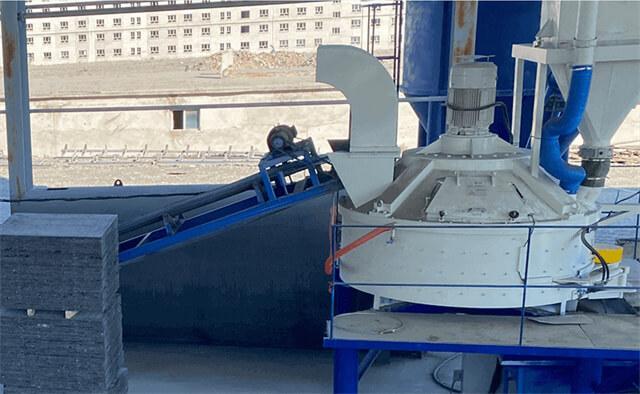
Assess maintenance access and the discharge route within the plant layout.
Verification after a gate repair or adjustment
Record the original symptom, the physical findings, and the work performed. Then complete the manufacturer's permitted checks under the relevant operating condition. Verify both mechanical movement and the expected feedback; one does not replace the other.
Where production trials are authorized, inspect the affected batches and discharge route. Repeat enough of the agreed operating sequence to assess the reported intermittent condition. Do not declare success solely because the alarm resets.
Keep removed-part details and the approved final configuration with the maintenance record. If several repairs were performed together, record that fact rather than attributing the result to one component. The history will make a later recurrence easier to investigate.
Keep the acceptance criteria tied to the original fault. If the complaint concerned material loss during mixing, verifying only that the actuator moves does not close the investigation. Conversely, a clean discharge route does not establish correct feedback or sequence timing.
FAQ
Should actuator pressure be increased when the gate leaks? Not without diagnosis and supplier approval. Buildup, wear, alignment, and feedback problems may require different corrections.
Can the gate be considered sealed because the closed light is on? No. The indication confirms its configured detection state, not the absence of a leakage path. Check the actual condition using the approved method.
Does every gate use a replaceable rubber seal? No. Identify the installed design and approved parts before ordering. Do not assume a sealing arrangement from another mixer applies.
What information helps remote support? Provide mixer identification, the exact stage when the problem occurs, gate status, recent maintenance, and safely obtained photographs or video.
Conclusion
Discharge-gate faults should be separated into containment, mechanical movement, actuator response, and position confirmation. Start with the timing and path of the observed loss, then inspect the relevant parts of the system.
For buyers, compare the complete discharge arrangement and maintenance access. For operating plants, document the fault and verify the repair under the approved sequence. Reliable discharge supports batch control and production continuity when it is evaluated together with the mixer and downstream equipment.





 Tel: +86-13905968794
 Email: export@hwmachines.com
 MP/WhatsApp: +86-13905968794
 Manufacturer Address:Nanan,Quanzhou City,Fujian Province,China