Why the handover file matters
A concrete block plant is delivered as a coordinated group of equipment, interfaces, settings, and operating knowledge. Once installation begins, the buyer needs more than a machine manual. The team must identify what was actually supplied, connect it safely, understand how the line is intended to operate, maintain it, and compare future changes against an agreed baseline. A practical handover package makes those tasks traceable.
The documents should reflect the specific purchase rather than a generic equipment family. A quotation may describe a block making machine, while the approved scope also includes a batching machine, concrete mixer, conveyors, pallet feeder, stacker, molds, pallets, electrical cabinets, and optional curing or cubing equipment. The handover file should match the final configuration and make clear which items are included, optional, or supplied by another party.
Agree on the handover list before dispatch, then update it after installation and commissioning. The manufacturer and buyer should assign responsibility for each file, confirm the accepted language and format, and identify any documents that will follow after testing.
Confirm the delivered configuration
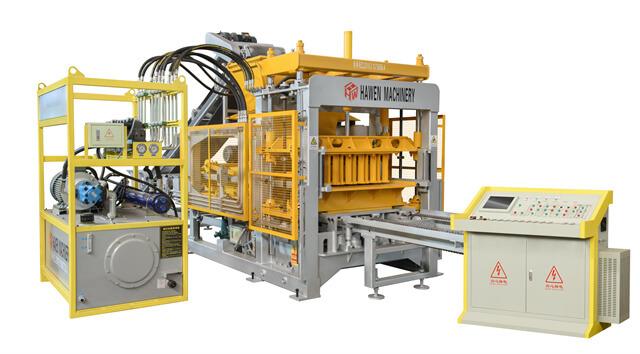
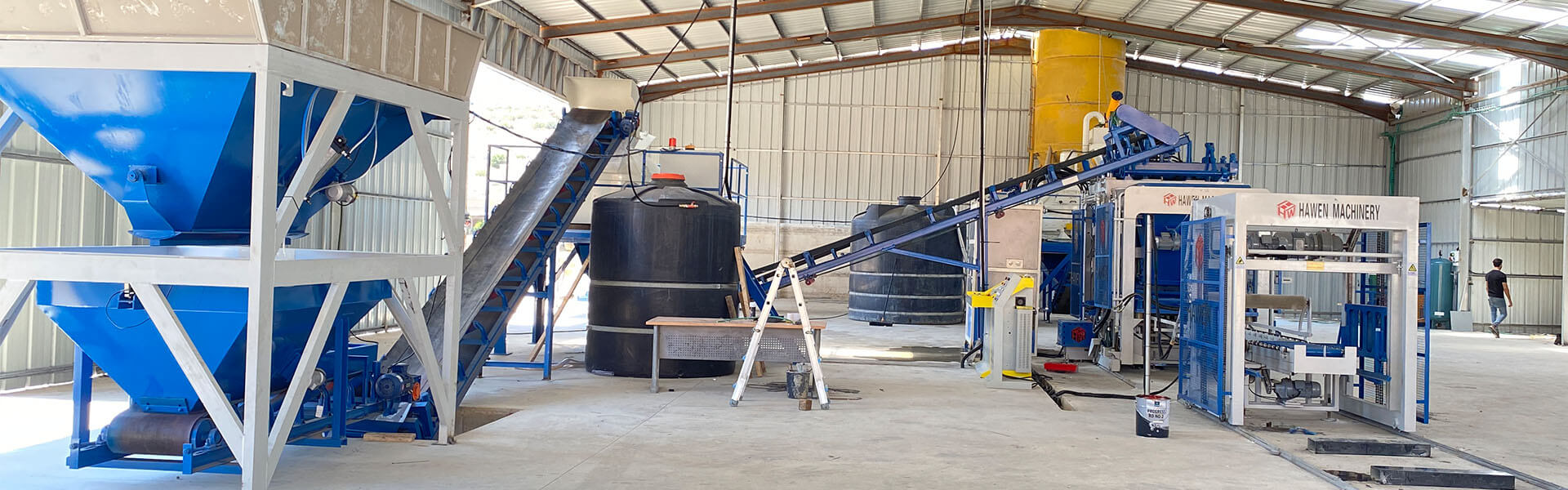
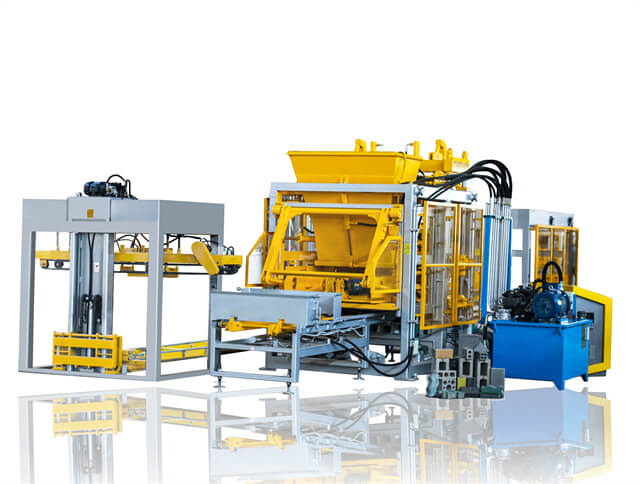
Start with a final equipment register. It should list each main machine and auxiliary unit by description, model or type, quantity, and identification number where one is assigned. The register should distinguish the host block forming machine from the complete automatic concrete block production line. Include the batching and mixing system, cement handling, conveyors, pallet handling, stacker, cuber, curing equipment, safety guarding, and accessories only when they form part of the contracted scope.
Compare the register with the approved quotation, technical agreement, final layout, and packing list. If a component has been substituted, record the supplied type and the approval reference. A model family name alone may not describe the final configuration: motor options, control components, feeder arrangements, pallet dimensions, and downstream handling can vary by project. The handover set should identify the actual delivered arrangement, not imply that every possible option is present.
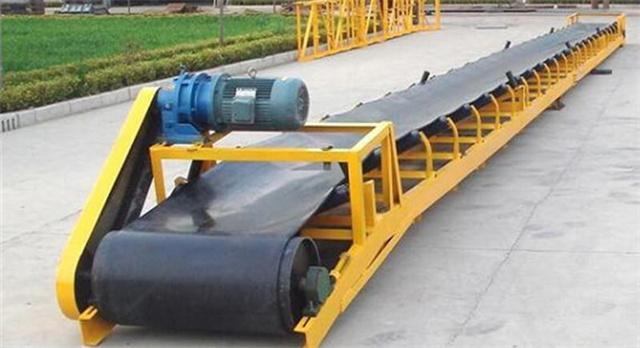
Include a clear boundary schedule for interfaces between the supplier, buyer, and local contractors. Typical boundaries may include the incoming electrical connection, foundation and anchor work, compressed-air supply, water connections, aggregate storage, forklift routes, and discharge to the curing area. The list should say who designs, supplies, installs, inspects, and signs off each interface. If a task is by others, mark it explicitly rather than leaving an empty field that each party interprets differently.
Keep mechanical and installation references
Request the approved general arrangement and site layout drawings, including the equipment footprint, service clearances, material flow, and operator access where applicable. Keep the latest foundation or anchor information supplied for the purchased machine, together with any loads and interface details provided for review by the buyer's qualified local engineer. A drawing from another project is not a substitute for the approved drawing for this plant.
Retain assembly and interface drawings for the main machine and relevant auxiliaries. These may show the pallet path, conveyor connections, feeder position, guards, access platforms, and handoff points to a stacker or curing system. Installation records should note the drawing revision used on site, any measured deviation, the responsible installer, and whether the final arrangement was accepted or remains subject to correction.
Organize electrical and control records
The electrical file should include the diagrams and schedules supplied for the final configuration. Depending on the project, these may include power and control schematics, cabinet layouts, terminal plans, cable identifiers, motor lists, sensor lists, and an overall connection diagram. Keep the document title and revision visible on every drawing. When local wiring differs from the original plan, save the reviewed as-built version and record who authorized the change.
Record the required incoming supply information provided by the equipment supplier, such as voltage, phase, frequency, protective-earth requirements, and the specified connection boundary. This information supports coordination with the site's electrical contractor, but it does not replace local electrical design or statutory inspection. The buyer should keep test and inspection records from the qualified personnel responsible for the site's installation.
For a PLC-controlled line, request the control-system overview, operating-mode description, alarm list, sensor and actuator tags, and the safe procedure for authorized program backup. If a program file or parameter backup is part of the agreed scope, label it with equipment identity, revision or date, and restoration instructions. Access credentials must be handled through an approved secure method; they should not be written into an ordinary open document or attached to a broadly shared email.
Record hydraulic and auxiliary systems
Hydraulic documentation should identify the circuit arrangement and main service components for the supplied machine. Keep the hydraulic diagram, hose or port labels where provided, filter and oil specifications, pressure-test locations, and manufacturer maintenance instructions. Use the model-specific values from the approved documentation. A generic pressure setting or oil grade copied from a different machine can create damage or unsafe operation.
At handover, record the initial condition of the hydraulic system: visible leakage checks, observed movement, alarms, and any readings that the supplier's commissioning procedure calls for. The record should state the operating condition and instrument used where a measurement is taken. If a reading is not part of the agreed test, do not invent one to make the file appear complete. Note it as not applicable or pending clarification.
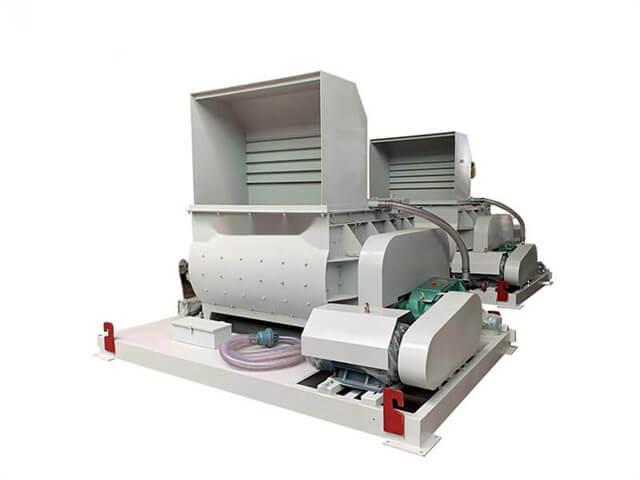
List the auxiliary systems actually included: air preparation, compressor or dryer, dust collection, water supply, mixer, batching equipment, and pallet handling. Keep each supplier's manual and maintenance requirements with the plant register, while also retaining a line-level view that explains how these units connect. Owners should know which system supplier to contact for a component and which integrated fault should be referred to the block machine supplier.
Preserve production settings responsibly
Production settings are valuable only when they can be connected to the product, material, mould, and operating condition for which they were established. If the project includes trial or commissioning records, retain the product drawing, mould identification, batch description, pallet type, machine configuration, and observations alongside the relevant settings. A number without context is difficult to reuse and may be unsafe to transfer to a different product or installation.
Ask for the agreed operating sequence and a clear description of adjustable parameters available to the operator. Separate normal recipe or cycle adjustments from service-level parameters that require authorized personnel. Where values depend on local aggregate moisture, cement, pigment, curing practice, or test standards, note that the buyer must establish and verify them through controlled trials. Avoid labelling a trial recipe as universally suitable.
A useful record ties together the date, shift, product, mould, batch or material lot, machine mode, parameter revision, sample identification, and the person who authorized a change. It can be a paper log or a digital record, provided that entries remain legible and retrievable. If a defect appears later, the team can compare batches and settings without guessing which adjustment happened first.
Keep records for accepted production separately from temporary troubleshooting changes. When a trial does not improve the result, note that the setting was reverted and confirm the restored baseline. The aim is not to store every screen image indefinitely; it is to preserve the approved reference, explain meaningful changes, and avoid a quiet drift from the commissioning setup.
Build the maintenance and spare-parts file
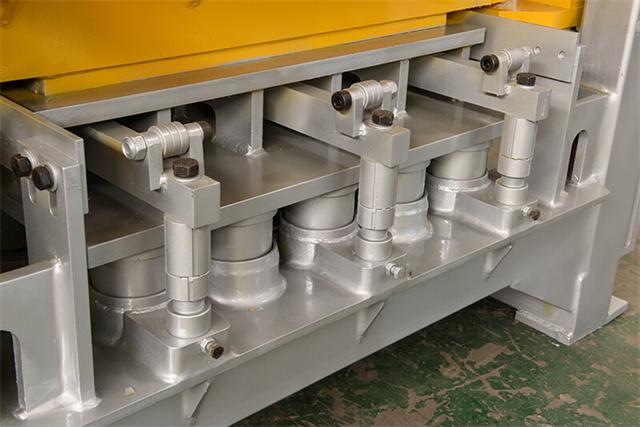
Request an operating and maintenance manual for each major unit and one overview for the integrated line if available. The package should explain startup and shutdown, routine inspection, lubrication, cleaning, consumable replacement, fault codes, safe access, and escalation to service support. Manuals should identify the machine model or equipment tag and revision so the plant does not confuse instructions for a similar model.
Ask for a recommended spare-parts list that identifies the part, description, drawing or catalogue reference, quantity recommendation if specified, and the equipment it fits. Separate routine consumables from critical spares and long-lead items. A part list should not imply that every listed component is included in the shipment; reconcile it with the packing list and purchase scope.
Document commissioning, training, and open items
The commissioning file should show what was checked, when it was checked, by whom, and under which conditions. It may include equipment installation checks, utility verification, functional tests, sample production observations, unresolved items, and retest evidence. Use the acceptance criteria agreed for the project. A successful demonstration does not establish every site's production capacity or certify the finished products against local standards.
Training records should identify the subject, attendees, trainer, date, and language used. Cover the tasks the plant team will actually perform: safe startup and shutdown, recipe or product selection, production monitoring, daily checks, cleaning, emergency response, routine changeovers, and how to report a fault. Where a task requires a qualified electrician or technician, say so explicitly rather than implying that any operator can perform it.
Maintain a punch list for remaining corrections. Each entry should describe the observed issue, affected equipment, responsible party, agreed action, due date, evidence needed, and current status. Close an item only when the evidence has been reviewed and any required retest completed. If an item is accepted with a condition, record the condition and owner instead of marking it simply complete.
Use a practical handover register
A document register turns a large folder into a working index. Use one row per file or record, with a stable title, document number, equipment tag, revision, language, format, owner, issue date, approval status, and storage location. If several documents form a set, such as electrical drawings, list each sheet or state the full range. Avoid filenames such as final2, new-copy, or latest without a revision reference.
| Document group | Examples to request | Handover check |
|---|
| Scope and identity | Final equipment register, model and serial details, packing list | Matches the delivered and contracted configuration |
| Installation | Approved layout, foundation interface, assembly references | Revision used on site and deviations are recorded |
| Electrical and control | Schematics, cabinet layout, alarm list, authorized backups | Files identify the installed configuration and revision |
| Hydraulic and auxiliary | Circuit diagrams, service manuals, component lists | Operating values come from the relevant supplier records |
| Operation and quality | Operating instructions, trial records, product and mould IDs | Settings remain linked to their test conditions |
| Service and acceptance | Maintenance plan, spare-parts list, training, punch list | Owners, due dates, and open status are visible |
Agree on acceptable file formats before delivery. Searchable PDF is convenient for controlled drawings and manuals; editable source files may be needed for layout coordination, but they should be distributed with revision and ownership controls. If a document is supplied in the wrong language, identify who will provide the approved translation and whether the original remains authoritative.
Control versions and long-term access
Store the handover package in a controlled location with a backup that does not depend on one employee's computer. Restrict editing of approved drawings and keep a read-only released set for operators and maintenance staff. When the manufacturer issues a revision, retain the superseded copy as historical record and mark it obsolete for routine use. Do not silently overwrite a drawing referenced by an installation or test report.
Backups of PLC projects, recipes, or configuration files deserve additional care. Limit editing rights, maintain an approved copy, and record any restoration or modification. A backup is not useful unless the responsible technician knows which equipment it belongs to, which software or access method is required, and how the file was verified. Store credentials separately using the organization's approved access-control system.
FAQ
Which handover documents should be treated as essential?
At minimum, confirm the final equipment register, approved layout, applicable mechanical and electrical drawings, operating and maintenance instructions, spare-parts information, commissioning status, training records, and a list of open items. The precise package depends on the purchased scope and contract.
Do equipment handover records certify the blocks?
No. Equipment records describe the supplied machine and its installation or trial checks. Finished-product compliance depends on the product specification, materials, production process, curing, test methods, and applicable local requirements.
How should PLC backups be handled?
Use the supplier-approved backup and recovery process. Identify the equipment and revision, restrict access, preserve an approved copy, and record authorized changes. Keep passwords and other credentials in a secure access-management system, not in general handover documents.
What if a document is pending at shipment?
List it as pending with an owner, due date, required format, and delivery method. If it affects safe installation or operation, agree on the hold point before work proceeds. Do not mark the package complete until the pending item is received or formally resolved.
How does HAWEN define a production-line scope?
The configuration depends on the project. A buyer can review a QT12 automatic hydraulic hollow block production line as one example of a host machine with associated production equipment, then confirm the actual components and interfaces in the quotation and approved layout.
Conclusion
A useful concrete block plant handover package connects the purchased scope with the installed equipment, operating instructions, maintenance plan, commissioning evidence, and unresolved actions. The buyer should be able to identify the current drawing, match each manual to a machine, understand who owns each interface, and find a trustworthy record when a fault or change occurs.
Define the document register before shipment, verify it against the delivered line, and update it after installation and training. Keep project-specific values tied to their source and test conditions, protect controlled software records, and assign an owner to every open item. This turns technical information into a practical resource for safe operation, consistent maintenance, and future production planning.










 Tel: +86-13905968794
 Email: export@hwmachines.com
 MP/WhatsApp: +86-13905968794
 Manufacturer Address:Nanan,Quanzhou City,Fujian Province,China