Concrete block production depends on a predictable supply of mixed material to the forming machine. A mixer can complete its mixing cycle correctly and still feed the line unevenly if its discharge gate opens late, closes too early, moves inconsistently, or releases material into a poorly matched transfer route. When the mixer outlet and downstream equipment are treated as one continuous process, operators can diagnose supply interruptions more precisely.
Discharge timing is often adjusted after an operator notices an empty receiving hopper, a delayed skip, or a change in mould filling. Those symptoms can also result from batch size, mix condition, mixer loading sequence, hoist travel, conveyor speed, or machine demand. Changing gate timing without recording these variables may shift the waiting point rather than remove the cause.
This guide focuses on the interface between the mixer discharge gate and the next stage of a block plant. It explains what to observe, how to run a controlled comparison, and what a buyer should confirm during line acceptance. It does not prescribe a universal number of seconds: gate design, mixer capacity, material characteristics, and the receiving system determine the suitable sequence.
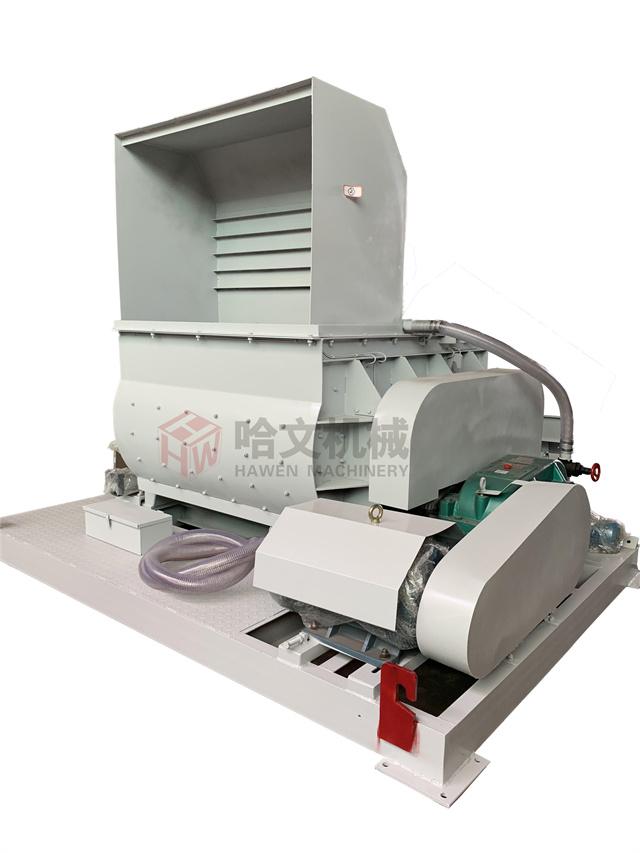
Where the mixer discharge gate fits in the batching cycle
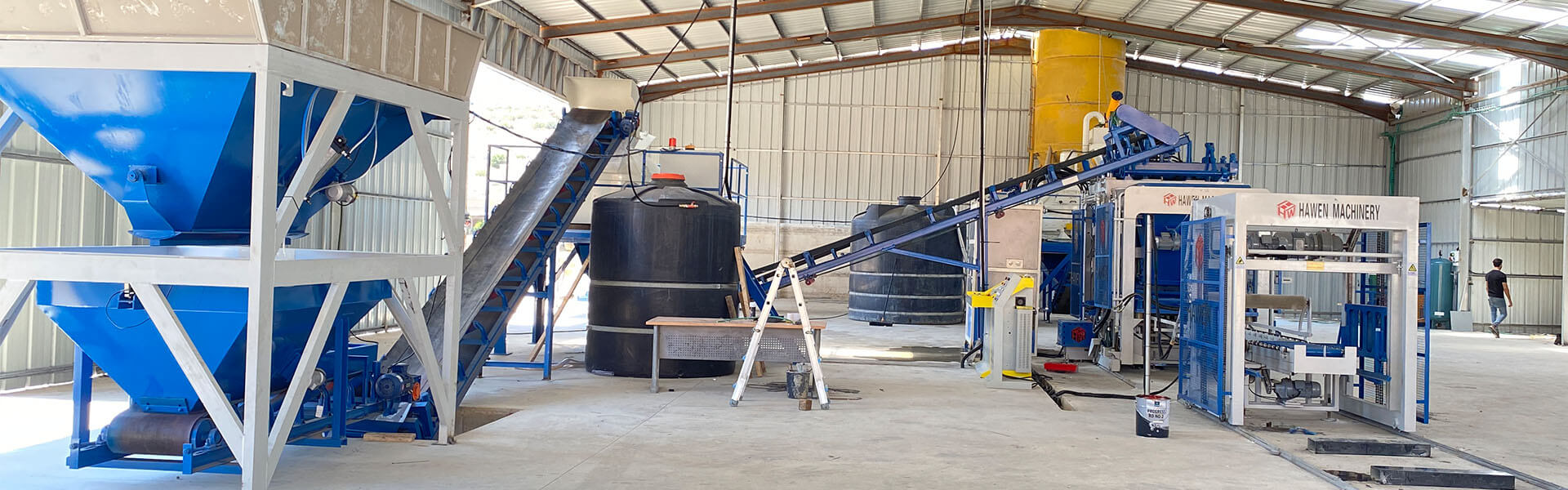
A typical production cycle includes aggregate and cement batching, water addition, mixing, discharge, transfer, and delivery to the block machine's material hopper. The mixer gate is the physical boundary between the mixing vessel and the receiving device. Its command may be coordinated with a skip hoist, belt conveyor, transfer hopper, or another plant-specific arrangement.
The gate opening command is not necessarily the same moment that material begins to move. Actuator response, gate position, residual material, mix consistency, and the pressure of material above the opening can affect the actual flow. Similarly, a close command may not stop flow immediately if material remains on the gate lip or in the chute. For process review, distinguish command time, mechanical movement, first discharge, end of discharge, and confirmation that the gate is closed.
The receiving stage also has a demand pattern. A machine hopper may be drawn down during production and replenished between cycles, or the line may use a buffer that decouples mixing from forming. The correct sequence depends on the volume and geometry of that buffer as well as the mixer and transfer equipment.
Discharge timing and mixing quality are separate variables
Material uniformity is established through batching and mixing, while discharge timing determines when and how the mixed batch reaches the next stage. The two can interact, but they should not be confused. A poorly mixed batch does not become uniform because the gate opens smoothly; conversely, a uniform batch can be delivered in pulses if the gate or transfer path restricts flow.
Changes to the mixing duration, water addition, aggregate grading, or loading sequence should not be made at the same time as a gate-timing trial. If several variables change together, the plant cannot tell whether any observed improvement came from better mixing, different material behavior, or reduced waiting. Keep the recipe, batch size, and cycle conditions as stable as practical during diagnosis.
Different concrete mixes can flow differently through the same outlet. Moisture, fines content, grading, and cohesion affect whether material empties cleanly or remains on the mixer floor and chute. Record the mix batch and any known raw-material changes alongside the gate observations.
Gate opening, material flow, and residual mix
A discharge gate may be operated fully open, in a staged position, or according to a control sequence designed for a particular receiving device. Partial opening can meter flow in some systems, but it can also create a restriction or encourage buildup depending on gate shape and material. The manufacturer's intended operating mode should guide adjustments.
Observe whether the batch flows as a continuous stream, breaks into slugs, or leaves a persistent residue. Note whether material strikes the chute wall, spills at the transition, or accumulates before reaching the receiving hopper. A gate that reaches its commanded position but produces a slow discharge may indicate a mechanical, material, or geometry issue rather than a timer setting.
Residual mix matters because it can remain exposed while the next batch is prepared. Accumulation may change the effective opening, contaminate the next batch, or require manual clearing. Record where residue collects and whether it appears under all recipes or only certain material conditions. Do not reach into a mixer or chute to inspect while equipment can move; apply site lockout and isolation procedures.
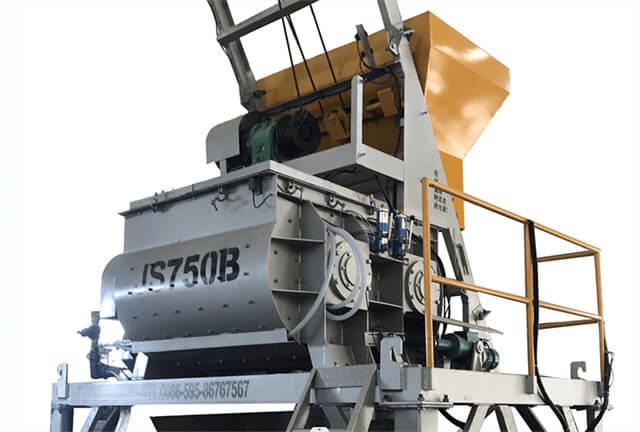
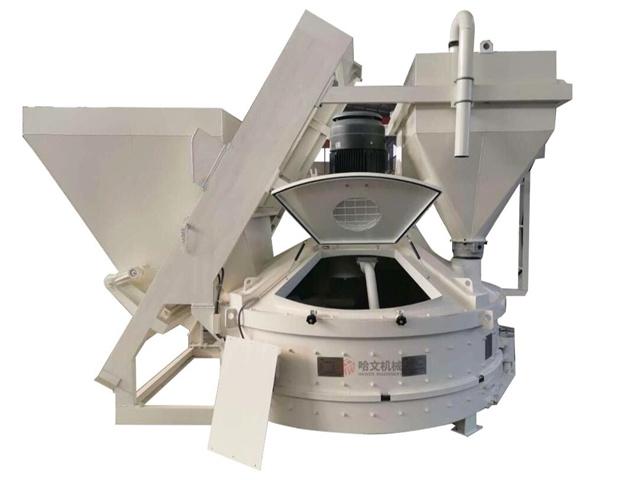
Skip hoist and conveyor interfaces that affect delivery
Where a skip hoist receives material below the mixer, the receiving skip must be in position before discharge begins. If the mixer gate opens before the skip arrives or before its position is confirmed, material may spill or the cycle may pause. If the gate waits for a signal that arrives late, the mixer may remain occupied and delay preparation of the next batch.
Conveyor-based systems introduce different checks. Belt start status, transfer-chute clearance, receiving hopper level, and downstream interlocks may determine whether discharge is permitted. A command sequence that is correct at the mixer can still produce a bottleneck if the conveyor cannot accept the full batch at the rate it leaves the vessel.
During a cycle review, timestamp the sequence at each interface: mixer-ready, receiving device in position, gate command, first flow, discharge complete, transfer clear, and next-stage ready. Use control logs if available, but verify that the recorded signal represents the physical event being discussed. A sensor state and actual material movement are not always identical.
How downstream buffering changes the timing target
A transfer hopper or machine hopper provides temporary storage between mixer batches and forming cycles. If it is too small for the batch or is replenished too late, the block machine may wait for material. If it is consistently overfilled, material may spill, bridge, or remain unused longer than intended. The goal is a stable operating range rather than simply maximizing the hopper level.
Buffer behavior depends on the rate at which the forming machine consumes concrete and the time required to mix and deliver each batch. A plant should compare these rates over representative production, including normal pauses and mould changes. The measured cycle should include loading and travel time for hoists or conveyors, not only the mixer timer.
Material level sensors may have a working range rather than a single perfect point. Their position, response delay, material buildup, and electrical logic influence when the system requests a refill. A level signal that fluctuates near its switching point can cause repeated commands. Review sensor mounting and logic with the line supplier before using gate timing to compensate for unstable detection.
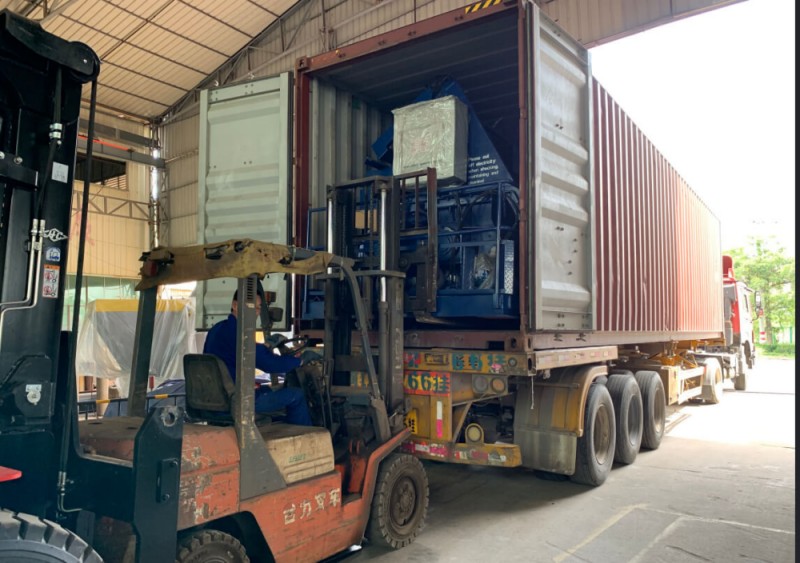
Read production symptoms before changing the sequence
Material starvation is visible when the forming machine waits for concrete or the hopper level falls below its normal range. Record the time of the wait and determine whether it occurs at the same point in each cycle. Repeated timing at the end of a batch suggests a capacity or sequencing mismatch, while irregular delays may point to inconsistent gate movement, bridging, or an intermittent interlock.
Spillage near the mixer outlet indicates that receiving position, chute geometry, discharge rate, or gate closure may need review. Material residue suggests that the discharge path or mix flow should be inspected. These signs should be photographed where safe and linked to a specific recipe, batch, and equipment state.
Inconsistent filling at the block machine can originate further downstream. A receiving hopper may not distribute material evenly even when it is replenished on time. The feed drawer, scraper, filling box, and machine cycle have their own variables. Track the sequence from the mixer outlet to the mould rather than assuming that the first visible defect identifies the source.
A timing diagnostic matrix for operators
This matrix helps organize an initial investigation. It does not replace inspection by qualified maintenance personnel or the equipment supplier's instructions. If the gate, actuator, or interlock is unsafe or unreliable, stop the equipment and follow site procedures before further production trials.
| Symptom | Possible interface cause | Record or check |
|---|
| Forming machine waits for material | Late gate start, slow discharge, or transfer delay | Compare ready signal, first flow, and hopper level times |
| Concrete spills at mixer outlet | Receiving device absent or discharge rate exceeds transfer capacity | Confirm skip position, conveyor state, and chute clearance |
| Material remains in mixer or chute | Gate travel restriction, buildup, or mix flow variation | Inspect residue location after safe isolation |
| Refill commands occur repeatedly | Level sensor range or control hysteresis issue | Review sensor status against actual hopper level |
| Timing varies between similar batches | Actuator response or material properties vary | Compare gate movement, recipe, moisture, and batch size |
A controlled method for adjusting discharge timing
First establish a baseline over several representative cycles. Record mixer cycle completion, receiving-device position, gate command, actual movement, first material flow, discharge end, transfer completion, and forming-machine demand. Include batch size and recipe identification. This reveals whether the delay is consistent or variable.
Next identify the specific wait or spill point. If the skip is not in place, correct the transfer sequence or travel issue before extending gate open time. If the gate begins moving only after a late interlock, inspect the upstream condition that delays permission. If the gate is open but discharge remains slow, investigate material flow, mechanical travel, and chute geometry rather than only changing the timer.
Make one adjustment within the equipment's approved control range, then repeat the baseline observations. Compare material continuity, hopper level, cycle waiting, residue, spillage, and product filling. Retain an unchanged reference run where practical. If an adjustment moves the delay to another stage or creates a new spill, restore the previous setting and investigate the interface more broadly.
Do not defeat guards, sensors, position switches, or safety interlocks to gain speed. Timing changes must preserve safe operation and should be reviewed by personnel authorized to modify the control sequence.
Acceptance checks and routine gate maintenance
Before accepting a new block plant, ask the supplier to demonstrate the full batch path under realistic operating conditions. Confirm the mixer outlet, gate actuator, skip or conveyor, receiving hopper, level detection, and forming-machine demand are coordinated. The demonstration should include repeated cycles, not a single manually assisted discharge.
Record expected gate travel, sensor states, control interlocks, lubrication points, cleaning access, and the method for safely isolating the mixer. Maintenance staff should know which buildup patterns are normal and which indicate a developing restriction. Wear at hinges, seals, pins, linkages, or hydraulic components can change movement time and closure reliability.
For an existing line, keep a log of gate adjustments and the operating conditions under which they were made. A future recipe change or actuator replacement can then be compared with the established baseline. A twin-shaft concrete mixer for brick making should be evaluated with its discharge path and receiving system as part of the same production sequence.
FAQ
Should the mixer gate open as soon as mixing ends?
Only when the receiving equipment is confirmed ready and the control sequence is designed for that condition. The receiving device position, interlocks, and downstream capacity determine the appropriate command timing.
Will extending the gate-open timer solve a slow discharge?
It may allow more time, but it will not correct a restricted opening, residue buildup, unsuitable chute, or inconsistent material flow. Observe actual movement and discharge before changing the timer.
Can the gate be partly opened to control the flow?
That depends on the gate design and intended operating logic. Partial opening may meter flow in some arrangements and create a restriction in others. Follow equipment instructions and verify with the supplier.
What should be recorded during a timing test?
Record command times, physical movement, first and last material flow, receiving-device position, hopper level, batch and recipe, waiting time, spillage, and residue. Include several repeated cycles.
Who should adjust the PLC sequence?
Authorized controls or maintenance personnel should make changes within the approved safety and equipment limits. Operators can collect observations and report symptoms, but safety interlocks must remain functional.
Conclusion
Mixer discharge timing affects the handoff between batching and forming, but stable supply depends on the whole route: gate travel, mix behavior, skip or conveyor availability, hopper buffering, level detection, and machine demand. A timer alone cannot compensate for a mechanical restriction or a poorly coordinated transfer sequence.
Before adjusting settings, record a repeatable baseline and identify exactly where the delay or spill occurs. Change one approved variable at a time, compare several cycles, and keep the mixer recipe stable during the test. During equipment acceptance, verify repeated automatic transfers from mixer to block machine and document the control signals and maintenance points. These records help the plant maintain steady feeding while preserving safe operation and traceable process settings.






 Tel: +86-13905968794
 Email: export@hwmachines.com
 MP/WhatsApp: +86-13905968794
 Manufacturer Address:Nanan,Quanzhou City,Fujian Province,China