Hydraulic response and repeatable machine movements
A concrete block machine depends on a repeatable sequence of movements. Feeding, pressing, mold movement, and demolding must occur in the correct order for the installed machine configuration. When a hydraulic function starts responding inconsistently, the visible symptom may be a longer cycle, an intermittent position alarm, or an interrupted production run.
Hydraulic oil filtration is part of maintaining that repeatability. It controls particulate contamination in the locations for which the system was designed. However, a slow cylinder is not proof of a dirty filter, and changing an element is not a universal repair. Electrical commands, mechanical resistance, oil temperature, component wear, and sensor conditions also require consideration.
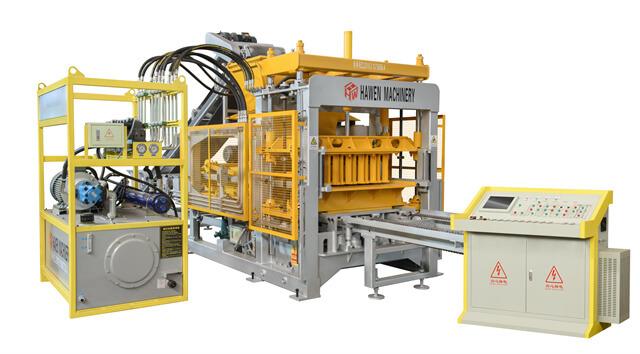
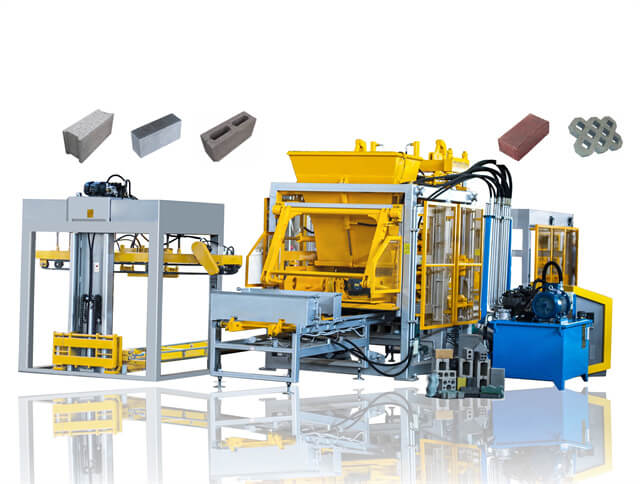
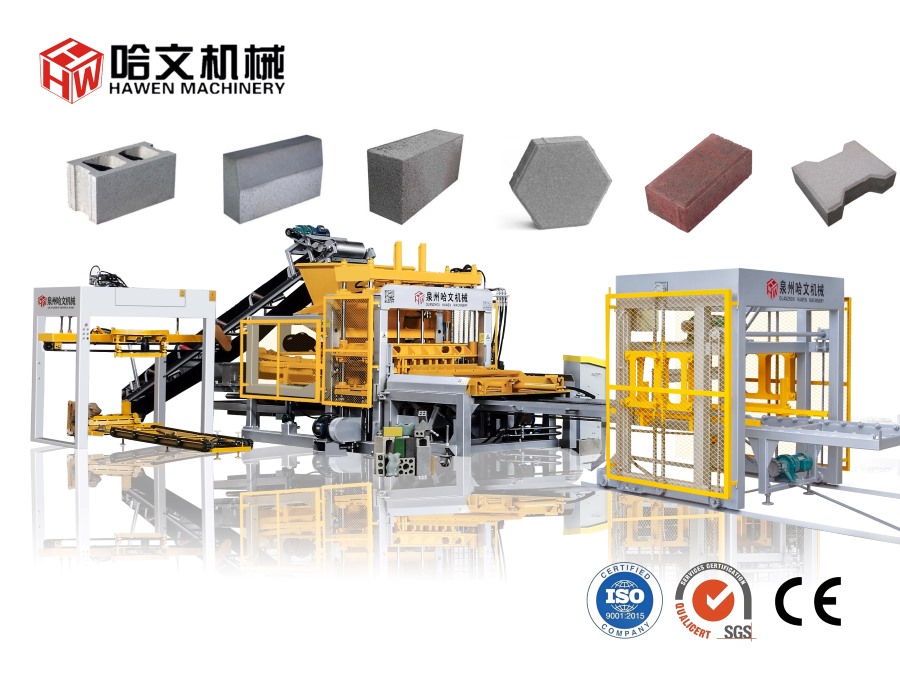
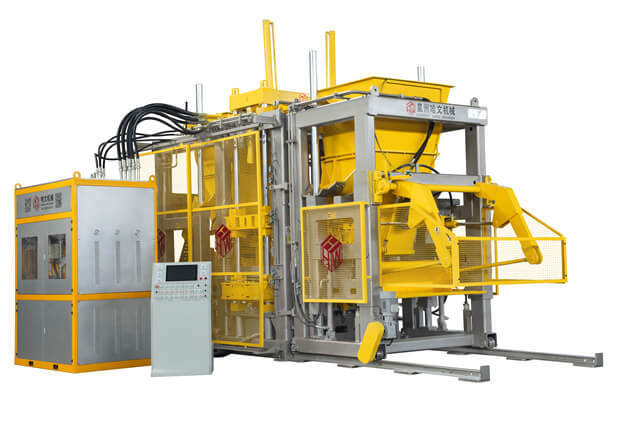
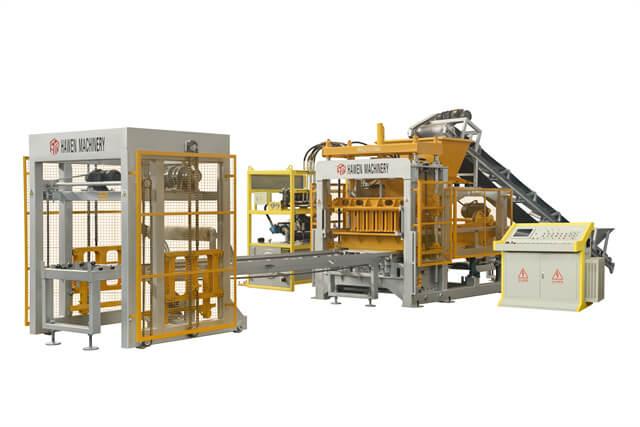
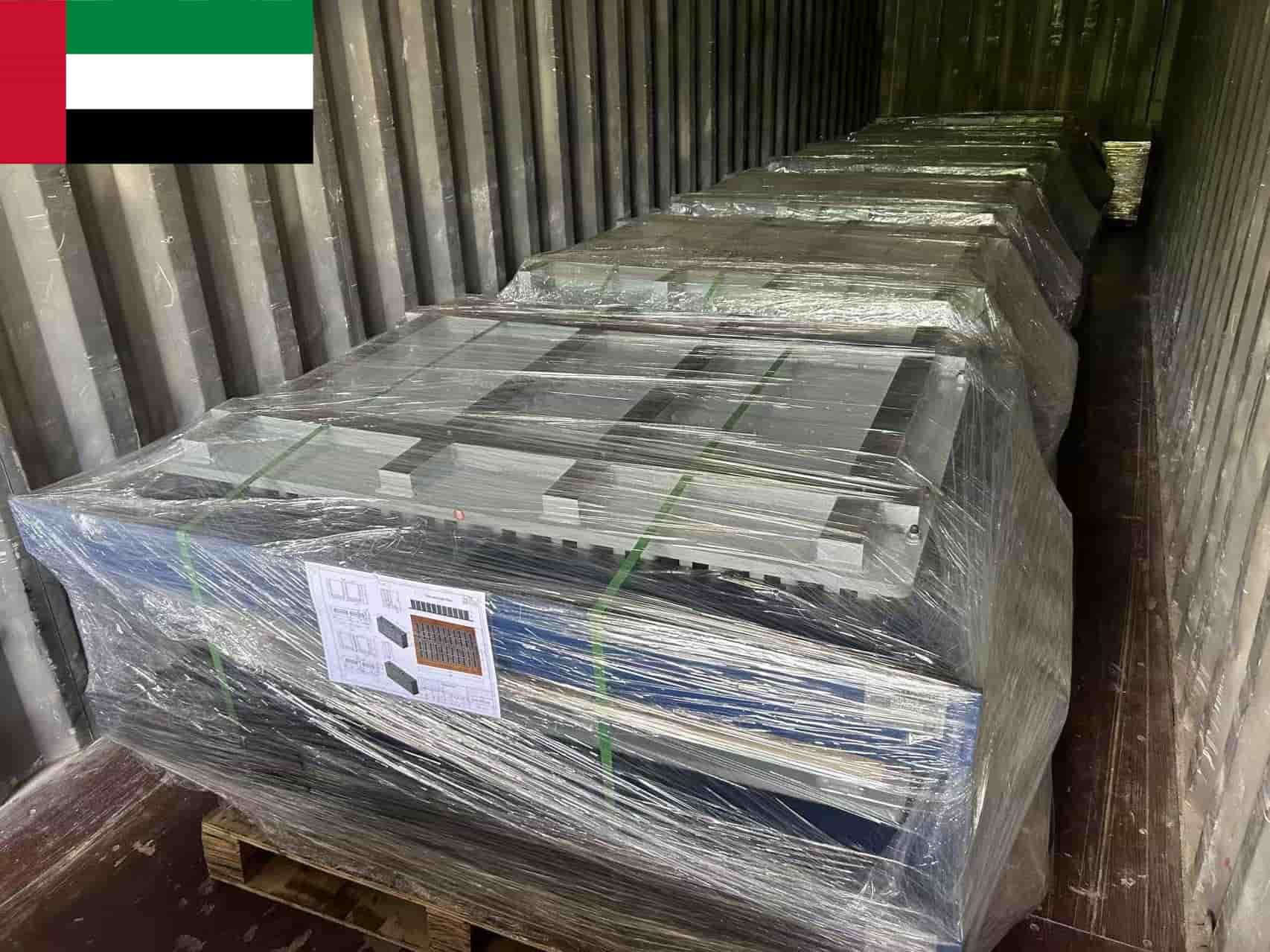
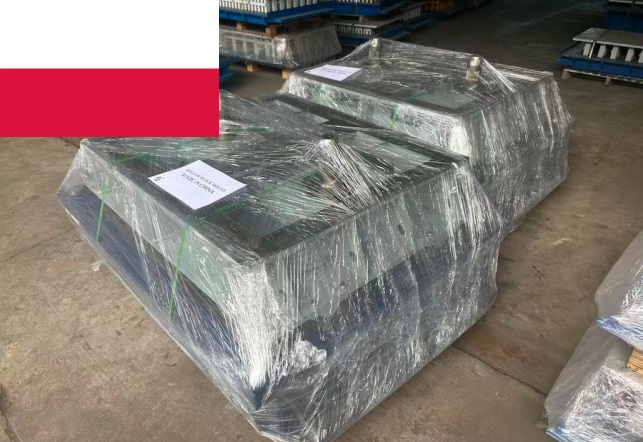
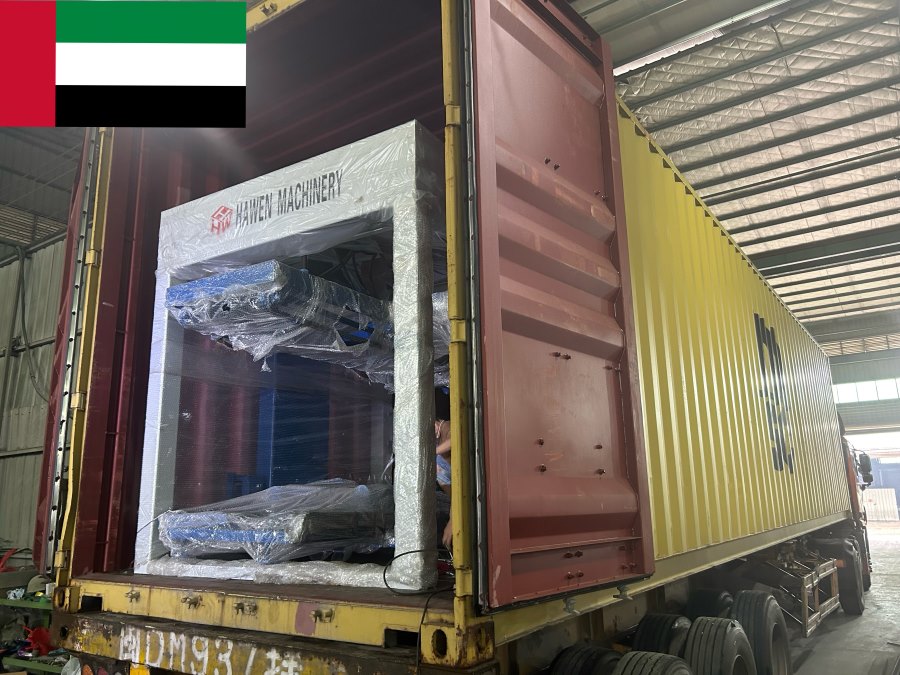
This article explains how to evaluate filtration as part of a complete hydraulic system. The photographs illustrate HAWEN hydraulic equipment; they do not establish a universal filter arrangement or demonstrate a diagnosed failure.
Dust entry, maintenance debris, and internal wear particles
Contamination can enter during filling, maintenance, or normal operation through inadequately protected openings and seals. Wear inside the system can also generate particles. A clean-looking reservoir exterior therefore does not prove that the circulating oil meets the equipment's cleanliness requirement.
In a concrete plant, pay attention to the connection between dusty surroundings and service practices. Record whether filler caps are kept closed, replacement hoses are protected, and transfer equipment is reserved for the specified fluid. These observations provide a practical starting point for reducing avoidable contamination.
Make maintenance history part of fault investigation. If an issue appears after a hose replacement or reservoir service, record the work performed and the oil added. The timing is an investigation lead, not automatic evidence that the maintenance operation caused the fault.
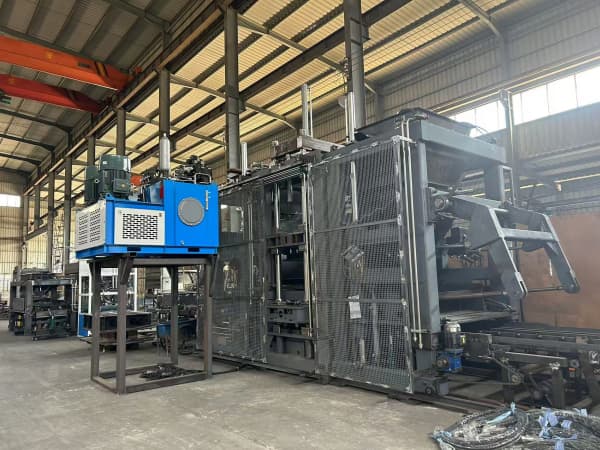
Hydraulic station illustration; filtration arrangements should be confirmed from the actual circuit.
Pressure filters, return filters, and separate filtration loops
Identify the filters shown on the actual hydraulic schematic. Pressure-line, return-line, and separate-loop filters serve different locations, and a system may use a combination. A component mounted near the reservoir cannot be classified reliably from its position alone; use the diagram and part identification.
Pressure-rated assemblies must match their assigned circuit. Return filtration must accommodate the required return flow and operating conditions. A separate filtration loop, where specified, can condition reservoir oil without being the main actuator flow path. Do not assume one arrangement replaces all the functions of another.
For a buyer, the useful question is which components each filter protects and how its condition is monitored. Request the circuit description and service parts list alongside a quotation. A simple claim that the machine includes an oil filter provides too little information for a maintenance plan.
Filter differential pressure and cold-start indications
Filter differential pressure is the pressure difference across the assembly or element as defined by its design. It is not the same measurement as the machine's main operating pressure. A system pressure gauge cannot automatically tell the operator how restricted a filter has become.
Restriction depends on the element condition, flow, and fluid viscosity. Cold oil may produce a higher differential pressure than warmed oil under otherwise comparable conditions. Interpret an indication according to the filter manufacturer's instructions, including any temperature-related logic, rather than assuming every cold-start indication means a failed element.
Where a bypass valve is fitted, its action is a designed circuit feature, not permission to operate indefinitely with an unresolved filter indication. Follow the equipment's alarm response and replacement instructions. Never disable an indicator or substitute an element simply to remove a warning.
Replacement element selection beyond a micron number
Match the approved element part number or a technically verified equivalent. Dimensions alone are insufficient. Relevant requirements can include fluid compatibility, sealing material, filtration performance, collapse resistance, permissible flow, and the complete housing and bypass arrangement.
A finer advertised micron rating is not automatically a better replacement. Filtration efficiency needs an identified test basis, and the assembly must work within the circuit's operating conditions. Ask the supplier to verify equivalence rather than choosing from a photograph or a single catalogue number.
Keep element identification with the machine maintenance record. If an alternative is approved, record who approved it and the supporting specification. This prevents a temporary purchasing substitution from becoming an undocumented standard across several machines.
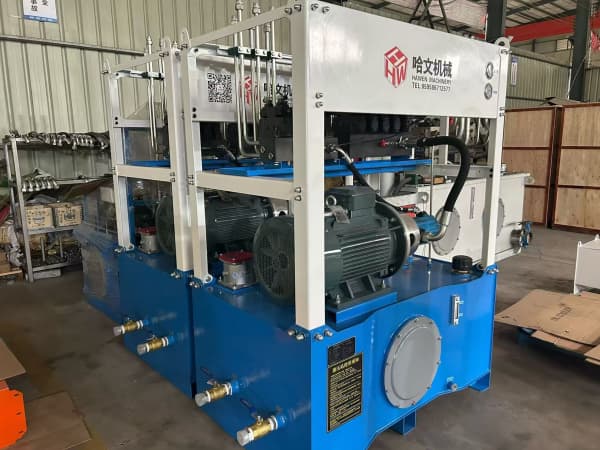
Valve and actuator requirements help define the system's fluid-control specification.
Oil sampling, cleanliness targets, and other fluid problems
Obtain the required fluid cleanliness target from the equipment or component supplier. One target should not be assigned to every block machine without considering the installed hydraulic components. Oil that appears clear may still require measurement, while a poor sample can also misrepresent the system.
Use the specified sampling procedure, suitable containers, and a representative location. Record operating condition, sample point, fluid identification, and sampling date. Compare trends collected by a consistent method rather than treating two differently collected samples as directly comparable.
Particle filtration is not a complete diagnosis of water contamination, aeration, or fluid degradation. These require appropriate assessment and, where needed, a different treatment or repair. Replacing a particulate element does not establish that all fluid properties are acceptable.
If a laboratory result is outside the agreed range, discuss the sampling quality and relevant fluid tests with the supplier before deciding on corrective work. Retain the report with the machine identity and service history. Repeat sampling under a comparable approved procedure when needed to establish whether the finding represents a persistent condition.
A filter-related symptom checklist
Use observations to select the next check, not to assign a cause immediately. Stop operation when the machine instructions require it. The checks below should be carried out by trained personnel using the schematic, approved instruments, and the equipment's maintenance procedures.
| Observation | Next check | Do not assume |
|---|
| Filter indication appears during cold start | Temperature, approved startup procedure, and indicator instructions | Every indication has the same cause |
| Persistent filter indication | Element identity, restriction assessment, and prescribed service action | A normal main pressure reading proves the filter is clear |
| Slow or irregular cylinder movement | Commands, feedback, loading, temperature, and hydraulic circuit checks | The filter is necessarily the failed component |
| Visible particles or unusual oil appearance | Supplier-directed sampling and investigation | Changing one element resolves the source of contamination |
Clean filter replacement and controlled restart
Before servicing, isolate the system, control stored energy, and follow the prescribed depressurization procedure. A stopped motor does not by itself establish that every part of the hydraulic circuit is depressurized. Do not loosen a housing or connection to check for pressure.
Prepare the correct element, seals, tools, and clean working materials before opening the assembly. Follow the specified installation method and tightening requirements. Keep removed dirt and used parts away from clean components, and do not wash a disposable element unless its manufacturer explicitly permits that treatment.
After service, complete the manufacturer's restart, leakage inspection, and any air-removal procedure. Do not search for a hydraulic leak with your hand. Record the element changed, operating hours, indication before service, and any abnormal findings. These records are more useful than a date alone.
What to review when buying a hydraulic block machine
When comparing a hydraulic block making machine, ask for filter identification, approved fluid requirements, access provisions, and the applicable maintenance schedule. The equipment should support the service tasks that the owner is expected to perform.
Review access with the full line layout in place. A filter that is reachable on an isolated machine may become difficult to service after surrounding equipment is installed. Check removal space, provision for collecting oil, visibility of indicators, and whether guards can be restored correctly after maintenance.
Discuss local spare-part availability before commissioning. The handover should identify which parts can be sourced as approved equivalents and which require supplier confirmation. Maintenance cost depends on access, supply reliability, and downtime as well as the price of an individual element.
Ask the supplier to explain the alarm response during operator training. The trainee should be able to identify the indicated filter, locate the relevant instruction, and describe the required action without bypassing a safeguard. This is a practical acceptance observation: it evaluates whether the handover information is usable, not merely whether the control screen can display a warning.
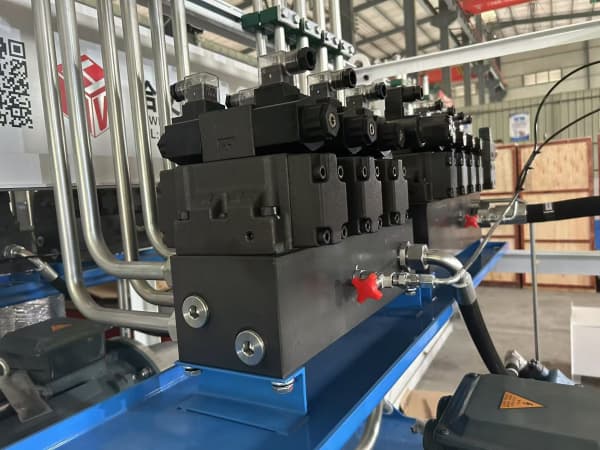
Review service access and component identification during equipment handover.
A practical baseline for commissioning and later diagnosis
At commissioning, record the installed filter models, element numbers, fluid specification, and agreed cleanliness requirements. Add the relevant maintenance instructions and the location of each indicator to the handover record. This gives the operating team a defined reference rather than relying on verbal explanations.
During an approved production run, record oil temperature, relevant alarm status, product recipe, and cycle information at comparable operating conditions. The purpose is to establish a useful baseline, not to invent a universal acceptable cycle time or pressure. Compare subsequent observations with the correct recipe and operating state.
If a fault develops, build a timeline covering filter changes, oil additions, maintenance work, temperature changes, and alarms. Check whether the control command and position feedback agree with the reported symptom. A filtration investigation should fit within the wider machine diagnosis.
After a corrective action, repeat the permitted functional checks and a comparable production run. Document whether the original symptom changed and whether any new issue appeared. An element replacement is completed maintenance; it becomes evidence of a successful correction only when the relevant checks support that conclusion.
Keep maintenance outcomes separate from production claims. If cycle interruptions become less frequent after a service intervention, compare equivalent operating periods and note all other work carried out at the same time. Replacing a filter while repairing a sensor does not prove that filtration caused the previous interruptions. A short log of changes helps the plant avoid attributing every improvement to the most visible replacement part.
FAQ
Should filters be changed only when the machine becomes slow? No. Use the equipment's service schedule and condition indications. A change in movement is a reason to investigate the system, not the preferred trigger for all filter maintenance.
Does new oil always meet the machine's cleanliness requirement? Do not assume it does. Follow the specified storage, transfer, and filling procedure and verify cleanliness where required. Keep containers and transfer connections protected.
Can an oil cooler replace filtration? No. Temperature control and particulate removal address different tasks. A machine can need both, together with suitable fluid and sound maintenance practices.
Will a clean filter eliminate all hydraulic faults? No. Pumps, valves, seals, electrical controls, sensors, and mechanical loads can cause problems independently of the filter. Use measurements and the circuit diagram to narrow the diagnosis.
Conclusion
Hydraulic filtration helps protect the conditions needed for repeatable machine operation, but its performance depends on correct selection, clean servicing, and suitable monitoring. Interpret filter indications in the context of flow, temperature, and the actual circuit.
For buyers, request a clear filtration and maintenance specification before accepting the equipment. For operating plants, begin with component identification, service records, and representative fluid assessment. Use that evidence to choose the next action instead of replacing parts solely on the basis of a visible production symptom.





 Tel: +86-13905968794
 Email: export@hwmachines.com
 MP/WhatsApp: +86-13905968794
 Manufacturer Address:Nanan,Quanzhou City,Fujian Province,China