How to Determine Fire Resistance for Concrete Masonry Units and Walls is a practical topic for buyers and plant managers who want a more stable block making machine workflow. The goal is not only to explain the issue, but to give a clear method that supports better output, cleaner operation, and stronger customer confidence.
In a professional concrete products factory, the block machine, material system, mold, pallet circulation, control system, and operator routine must work as one process. A good solution therefore looks at the whole line before changing one visible setting.
Unit geometry and aggregate selection both influence the evidence used to assess a masonry wall.
1. Define the required fire-resistance rating
Begin with the building code, project specification, and authority having jurisdiction. Determine whether the requirement applies to a loadbearing wall, a fire separation, a shaft enclosure, a boundary wall, or another assembly. The required performance period, structural role, exposure direction, and continuity details can differ. A product brochure cannot establish these project conditions. Record the code edition and the exact wall location before asking a manufacturer to recommend a unit.
Fire resistance is an assembly property. It is not a generic label that belongs to every product made by a particular block machine. Unit composition, mortar joints, finishes, reinforcement, grouting, connections, and penetrations can affect the evaluated construction. The design professional should identify whether the project accepts a calculation method, a tested assembly, a listed system, or a specific prescriptive detail. Keep the governing path explicit in procurement documents.
Separate fire resistance from reaction-to-fire language, flame spread, smoke development, and noncombustibility. These terms address different questions and may use different test methods. A concrete unit's material characteristics do not by themselves establish the performance of an assembled wall. Ask the project fire engineer to resolve terminology conflicts before ordering tooling.
2. Understand equivalent thickness
For many concrete masonry designs, fire resistance is determined using an equivalent-thickness method. Conceptually, equivalent thickness represents the solid thickness of material that would contain the same volume of concrete as the hollow unit over its face area. It is therefore not identical to the nominal width, actual width, or face-shell thickness. Core layout and the amount of solid material matter, even when two blocks share the same outside dimensions.
Use unit test information and the calculation procedure accepted by the project code. CMHA guidance describes equivalent thickness as a key input and notes that it is determined from measured unit properties, with ASTM C140/C140M providing relevant sampling and testing procedures. Do not substitute a catalog dimension or an unverified percent-solid estimate where the design requires measured data. The responsible professional must confirm the governing edition and calculation assumptions.
Treat the value as traceable evidence rather than a marketing number. Keep the product drawing, specimen identification, aggregate description, measured dimensions, test report, and calculation record together. If geometry, mix constituents, or material source changes, assess whether the existing evidence still represents the supplied product.
Controlled core, web, and shell dimensions help keep the manufactured unit aligned with its approved drawing.
3. Review aggregate type and unit geometry
Aggregate type can influence the relationship between equivalent thickness and calculated fire resistance because aggregates differ in thermal properties. Verify the actual aggregate category used in the approved design and the scope of any published table or test report. Avoid assuming that a result for one aggregate can be transferred to another simply because both products have similar color, nominal size, or compressive strength.
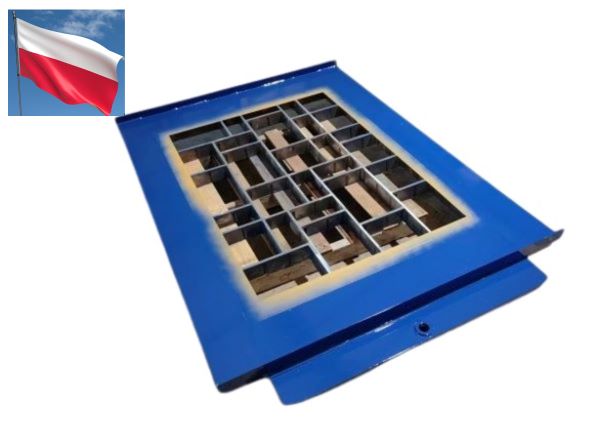
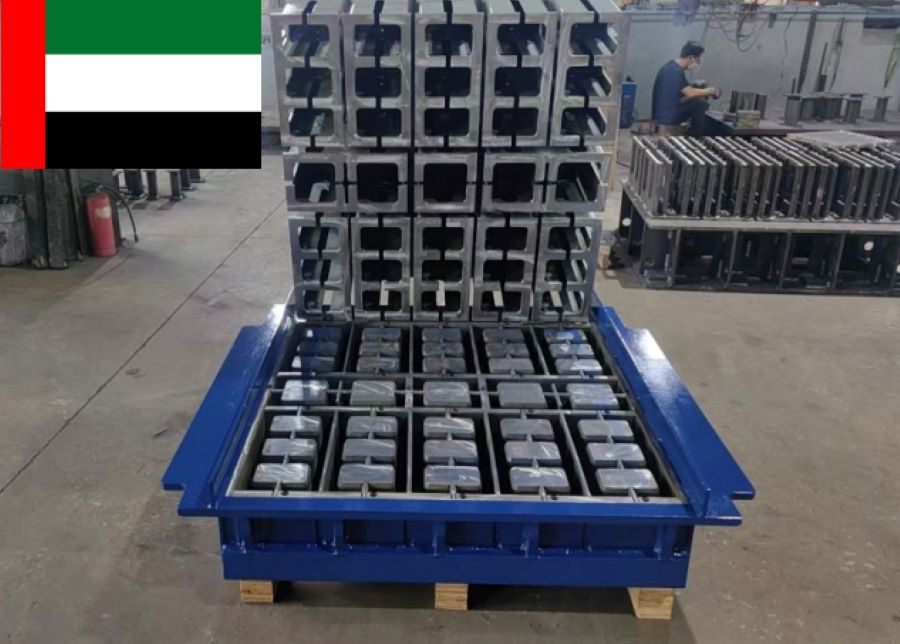
Geometry also deserves more than a visual check. Core area, web arrangement, face shells, unit length, and the percentage of solid material affect the volume available in the unit. A block mold should reproduce the configuration used by the supporting evidence. For an existing line, compare the approved drawing with cavity wear, tamper condition, and dimensional inspection results before concluding that the production unit is unchanged.
When an aggregate is not covered by an accepted calculation table or the proposed product falls outside the assumptions of an existing report, do not invent an interpolation. Ask the design professional or test laboratory whether a full-scale fire test, an approved engineering analysis, or a different product specification is needed. This early decision can prevent a production trial from creating units that cannot be accepted for the intended building application.
4. Confirm the complete wall assembly
Document how the wall will be built: unit orientation, mortar joints, reinforcement, grout, surface finish, framing interfaces, and support conditions. Cell filling can change the assembly calculation only when the fill material and extent satisfy the relevant code method. Partial grouting must not be treated as fully filled construction. The construction drawings should make the assumed configuration clear enough for installers and inspectors to reproduce it.
Review openings and service penetrations as part of the fire strategy. Doors, pipes, ducts, cable trays, and joints require compatible fire-stopping details. A high-performing masonry field cannot compensate for an unprotected gap. Coordinate service drawings before cutting or coring the wall.
Finishes may contribute to the assessed assembly when the applicable method recognizes them, but they must be specified and installed as assumed. Identify coating type, thickness, continuity, substrate preparation, and termination. If the proposed finish changes after a submittal is approved, request a design review instead of relying on a verbal assurance. Keep inspection records for concealed interfaces and fire-stopping work.
Stable batching and forming support consistent units, but do not replace assembly-level fire design or testing.
5. Build a defensible submittal and procurement record
A useful submittal links the required rating to a named wall assembly, not just a unit SKU. Include the code basis, design detail, unit specification, aggregate information, equivalent-thickness evidence, referenced test or calculation, grout and finish requirements, and penetration schedule. The architect or engineer can then compare the proposed solution with the project documents and identify missing assumptions before purchase orders are released.
Make the product identity unambiguous. State dimensions, core pattern, manufacturing plant, material source, and drawing revision. A replacement unit with matching nominal dimensions may have a different core configuration or composition, so review it against the evidence rather than approving it only because it fits the wall thickness.
For multi-site supply, agree on how sample identification and test reports connect to commercial production. Preserve batch records and change approvals. A block making machine supports stable geometry when recipes, tooling, pallets, and maintenance are controlled. Records support traceability; the engineer determines compliance.
6. Control production without overstating compliance
Factories can support project consistency by controlling the variables that define the unit. Verify incoming aggregates, grading, moisture, and source changes. Maintain the approved mix proportions and mixing sequence. Inspect dimensions, mass, core shape, and visible defects using a documented sampling plan. If results drift, quarantine the affected lot while the quality team determines whether the change is cosmetic, structural, or relevant to the supporting fire-resistance data.
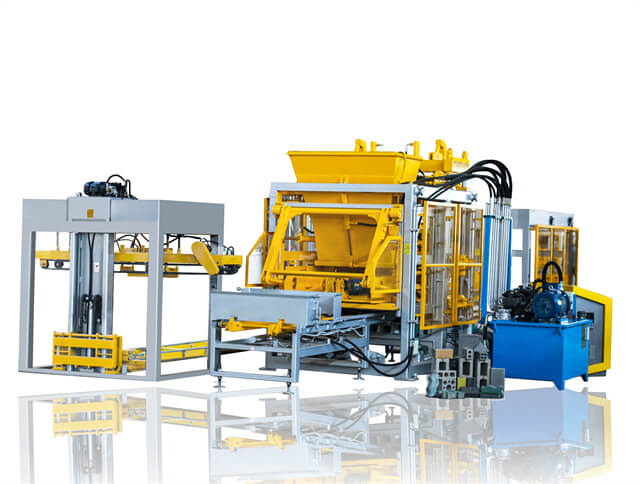
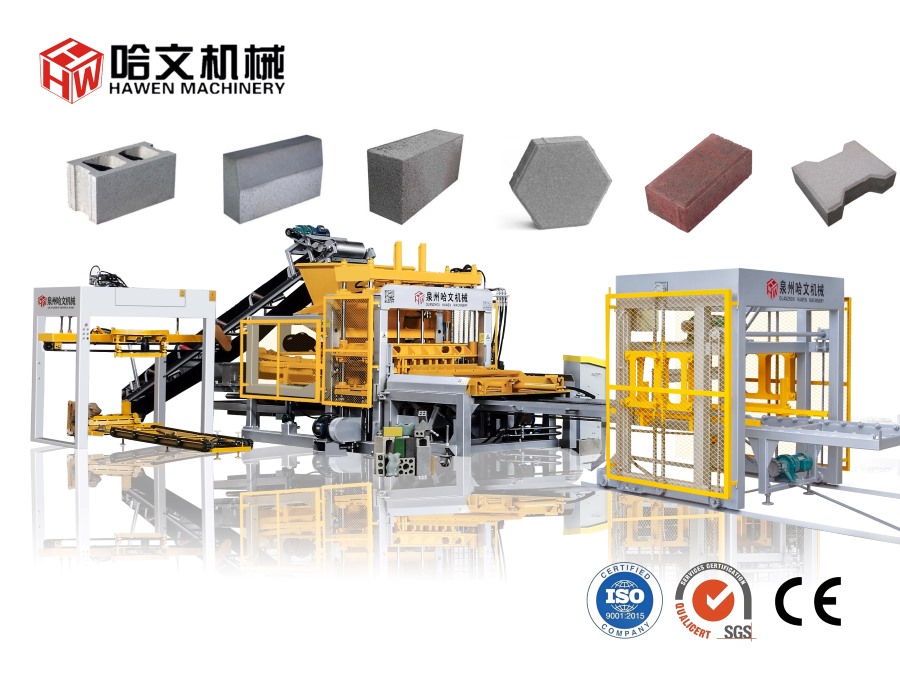
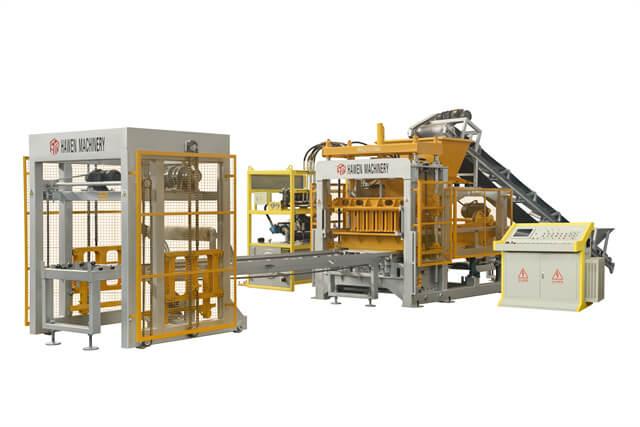
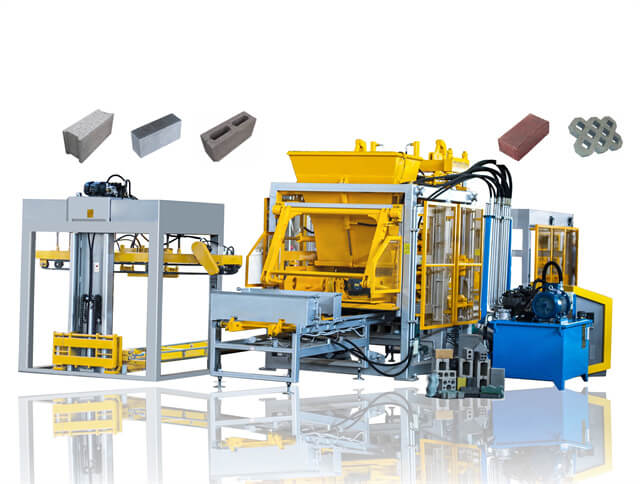
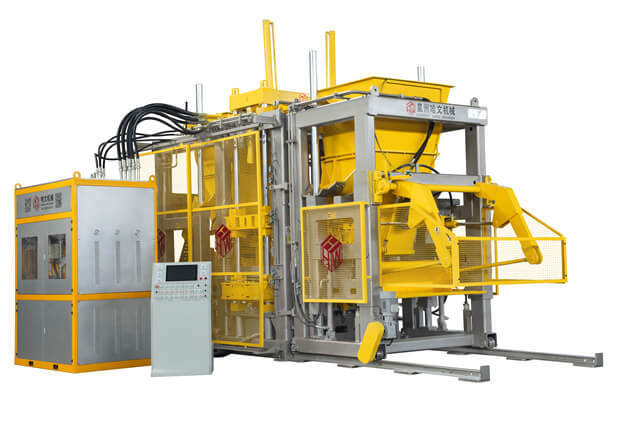
On a brick machine or block machine, repeatability depends on coordinated feeding, compaction, demolding, board condition, and curing. Hawen Machinery uses a four-shaft vibration box with eccentric blocks placed outside the housing; this arrangement is designed to reduce internal resistance and support even compaction. Production settings still need to be validated for each unit geometry and mix. Do not claim that a vibration design creates a fire rating.
Hawen Machinery's SIEMENS S7-200 PLC, touch panel, and remote monitoring can help record operating status and assist with parameter review. Keep product recipes, tooling revisions, alarms, and quality checks under controlled access. A process log is useful evidence of manufacturing consistency, but regulatory acceptance depends on the applicable code, test, calculation, listing, and correctly built wall assembly.
7. Troubleshoot common review and production problems
If a submittal is rejected for missing evidence, identify the exact gap: no measured equivalent thickness, unclear aggregate category, unreferenced calculation, or mismatch between the tested unit and proposed drawing. Send a focused question to the design professional or laboratory. Replacing the block size without understanding the objection can create a new engineering issue and delay procurement further.
If measured units differ from the approved drawing, first confirm the measurement method and sampling procedure. Check mold wear, fasteners, tamper alignment, feed distribution, and pallet support. Compare more than one cavity and more than one production time. Correct the process, segregate nonconforming material, and document the revised inspection results before releasing product for a project that depends on a specific unit configuration.
If the material supplier changes, pause and compare the new aggregate source with the project assumptions. Review certificates, grading, density, and any fire-resistance calculation inputs. A mix adjustment made to stabilize green strength may also change unit mass or composition. Route these changes through quality and engineering review so a production improvement does not silently invalidate a procurement submittal.
8. Coordinate equipment, product, and project review
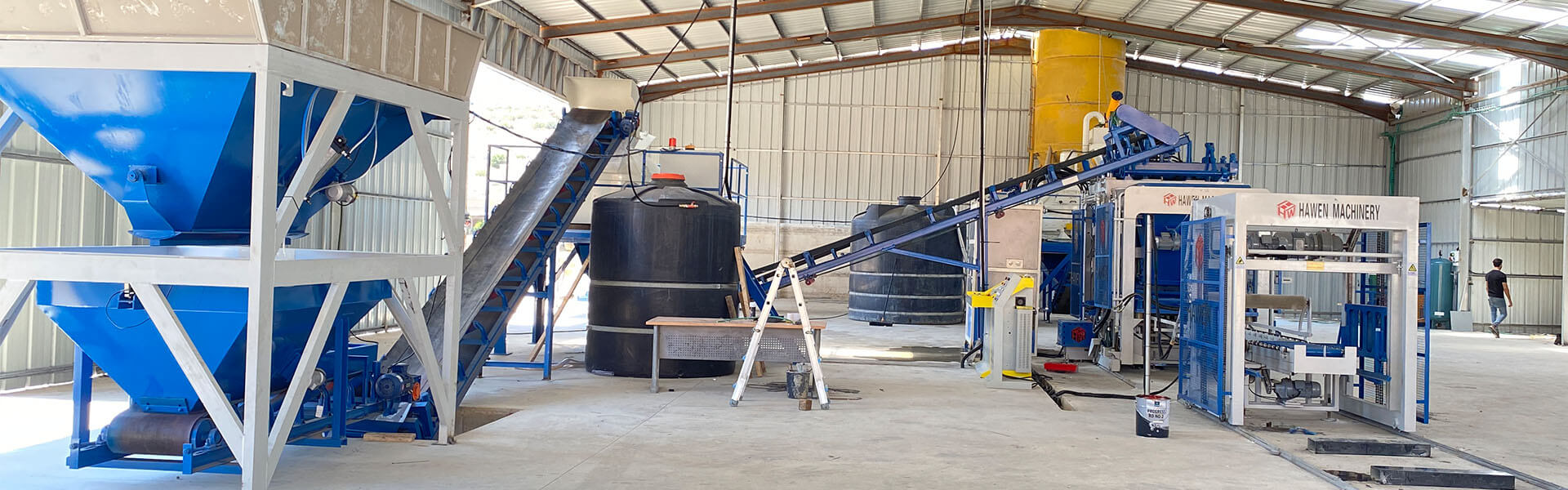
Hawen Machinery can discuss unit drawings, mold interfaces, plant layout, batching, mixing, curing, pallet circulation, and automation as a connected production system. The useful starting point is the approved product geometry and expected production mix, not an assumption that one machine model guarantees a building code result. Share the destination market, unit drawing, expected output, aggregate information, and project specification when requesting an equipment proposal.
A sound decision keeps responsibility clear: the manufacturer controls production information, the designer selects the wall assembly, the contractor builds it, and the authority interprets the code. Shared drawings and records help the factory supply suitable units without promising an assembly rating it cannot substantiate.
Action checklist
Identify the code edition, required rating, wall function, and accepted calculation or test route.
Match aggregate type, measured unit geometry, equivalent thickness, and report scope to the specified product.
Coordinate mortar, grout, finish, supports, openings, joints, and all service penetrations.
Control production drawings, material changes, mold condition, sampling, and lot traceability.
Submit a complete assembly package and obtain design-professional acceptance before procurement.
Do not market a machine or individual block as having an assembly fire rating without applicable evidence.
Fire-resistance decisions become reliable when the requirement, measured unit, calculation or test, and installed wall all describe the same construction. Manufacturers can strengthen that chain with controlled geometry, material records, and traceable production; designers and authorities confirm the code pathway. That discipline protects people first, while helping block producers supply products that meet a clearly defined project need.
FAQ
Does a concrete block have a fire-resistance rating by itself? A fire-resistance rating normally applies to an evaluated wall assembly. The unit contributes important properties, but joints, finishes, reinforcement, penetrations, and construction details also matter.
What does equivalent thickness mean for a hollow unit? It is the solid thickness representing the volume of concrete in the unit over its face area. It is not simply the nominal block width.
Can I use a published result if my aggregate source changes? Only after the design professional confirms that the aggregate category and calculation or test assumptions still apply.
Does fully grouting a wall automatically establish its rating? No. Cell-fill material, extent, workmanship, and the governing method must all match the approved design assumptions.
What should a block supplier include in a submittal? Provide the unit drawing, material description, relevant test or calculation evidence, assembly details, and the specified installation conditions.
Can a block machine guarantee a fire-rated wall? No. Equipment can support consistent production, but only the accepted assembly design and evidence establish the applicable rating.
What should happen when a mold change alters the core layout? Compare the new unit with the approved evidence and request engineering review before supplying it for the rated assembly.





 Tel: +86-13905968794
 Email: export@hwmachines.com
 MP/WhatsApp: +86-13905968794
 Manufacturer Address:Nanan,Quanzhou City,Fujian Province,China