How to Prepare a Site Data Sheet Before Requesting a Block Machine Quotation is a practical topic for buyers and plant managers who want a more stable block making machine workflow. The goal is not only to explain the issue, but to give a clear method that supports better output, cleaner operation, and stronger customer confidence.
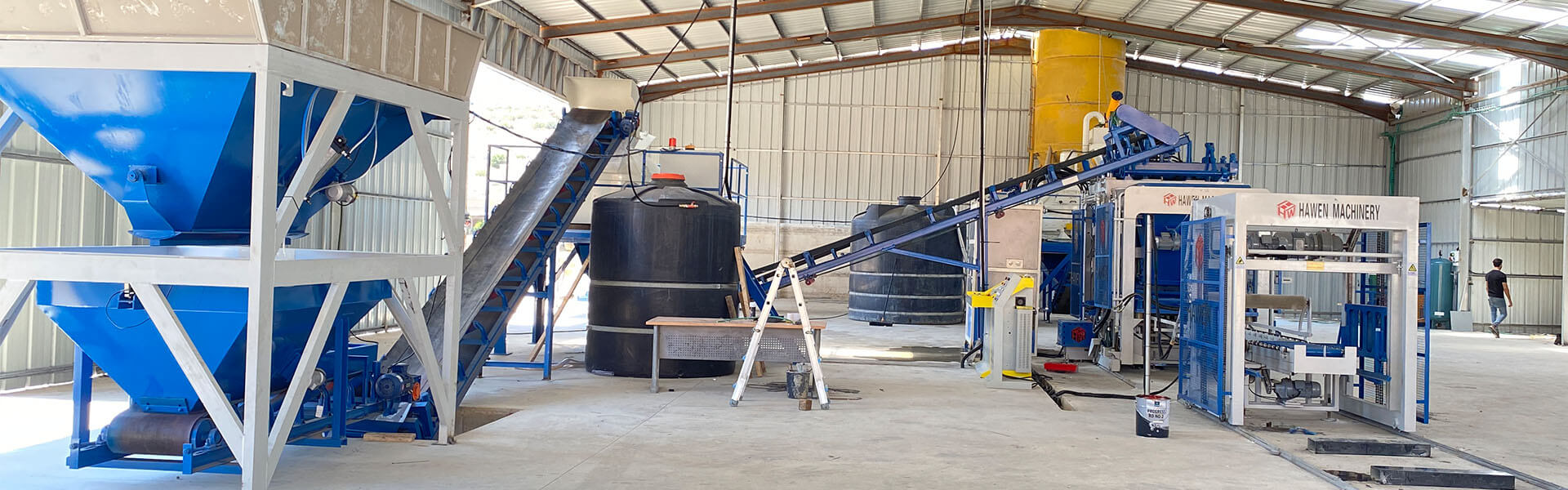
In a professional concrete products factory, the block machine, material system, mold, pallet circulation, control system, and operator routine must work as one process. A good solution therefore looks at the whole line before changing one visible setting.
A useful quotation starts with clear product, output, and site information.
Why a site data sheet improves quotation quality
A block machine quotation is only useful when the supplier understands the real project. If the buyer sends only “I need a block machine,” the quotation may miss product size, output target, land condition, local power, curing method, and automation needs.
A clear data sheet helps the supplier recommend a suitable block making machine instead of guessing. It also helps the buyer compare quotations by configuration, not only by price.
Start with product and market information
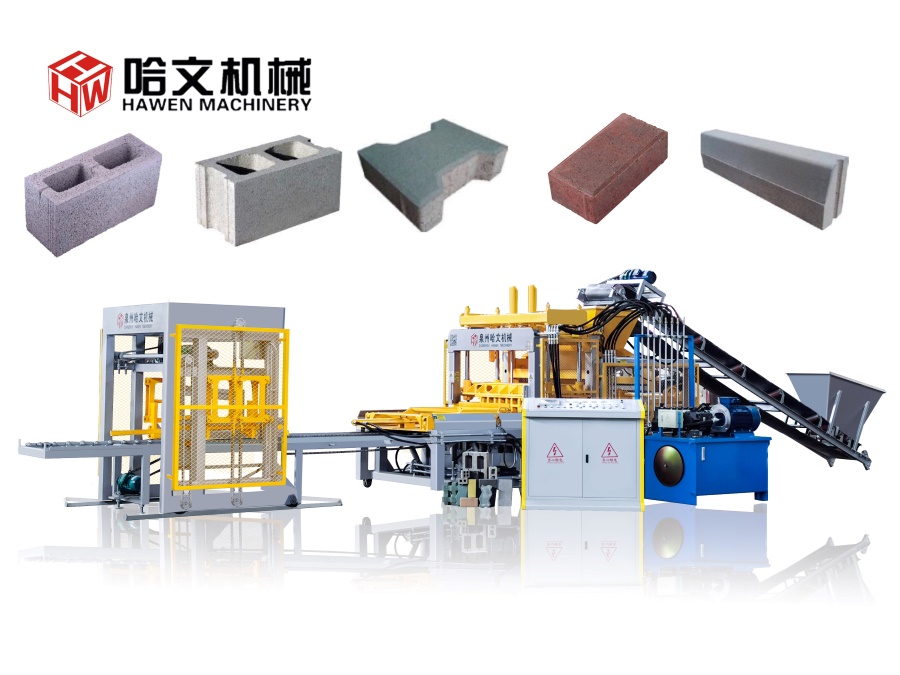
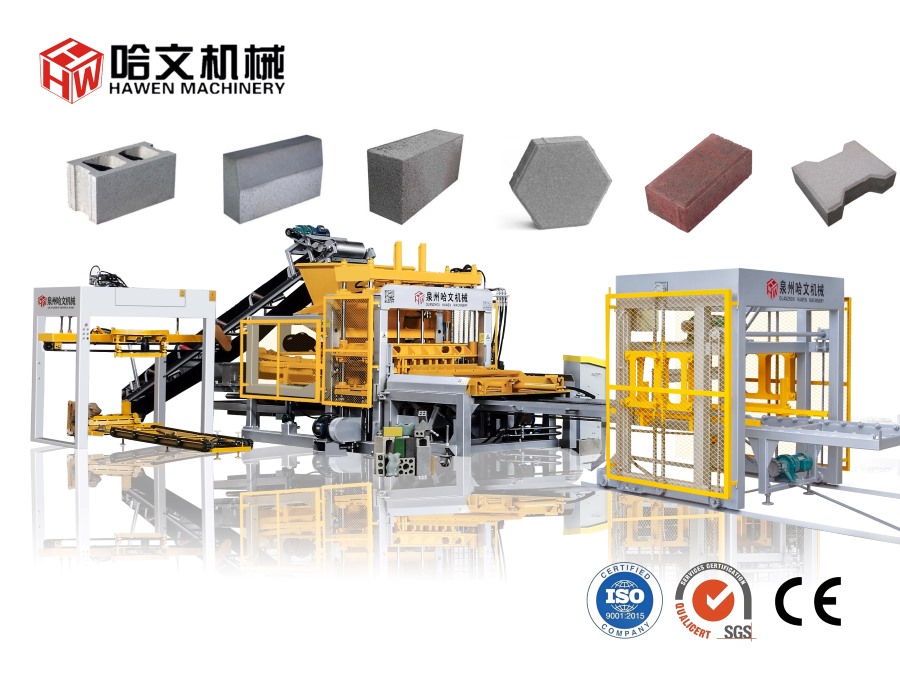
The buyer should list the main products first: hollow blocks, solid blocks, pavers, kerbstones, or special units. Product size, drawing, expected daily demand, and quality requirement shape the main machine, mold design, pallet size, mixer, and curing plan.
Material storage and cement supply should be included in the site data sheet.
Add site, utility, and raw material details
The site data sheet should include available land size, building height, foundation condition, forklift route, water source, voltage, phase, frequency, and air supply if needed. These details affect whether the recommended line is easy to install and maintain.
Raw material information is also important. Cement supply, aggregate size, sand condition, fly ash, color pigment, and local moisture changes can influence the batching machine, cement silo, and concrete mixer selection.
How Hawen uses the data
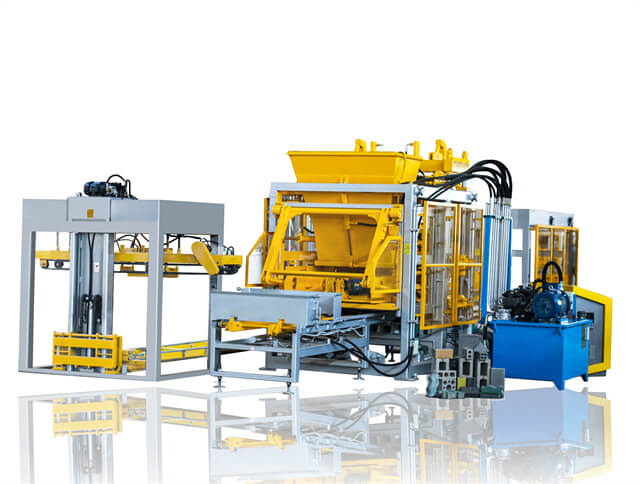
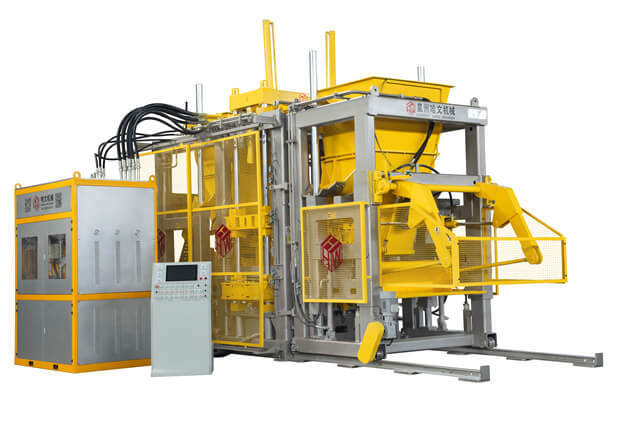
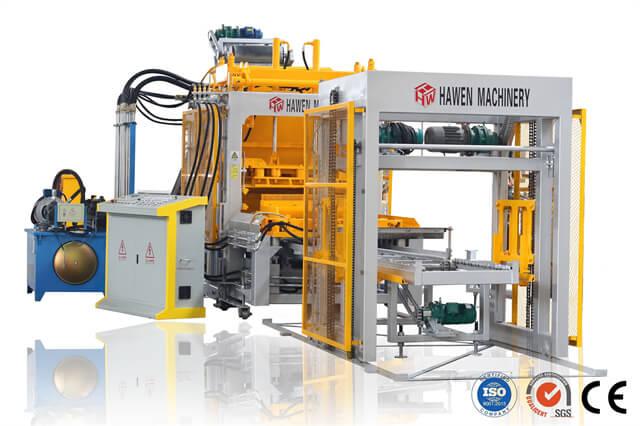
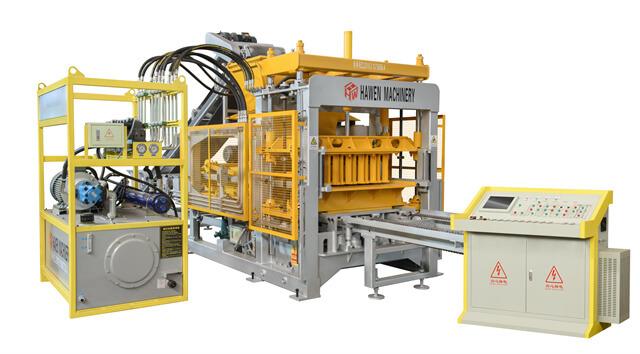
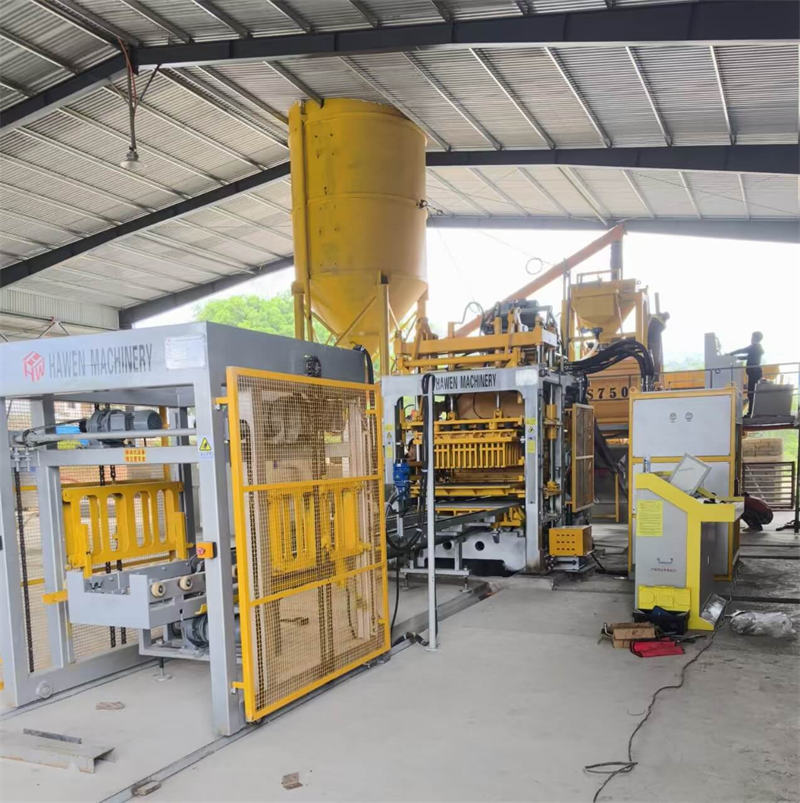
Hawen Machinery can compare the buyer data with machine options such as QT15, QT12, QT10, QT8, and QT6. The goal is to match output, automation, product type, and investment stage.
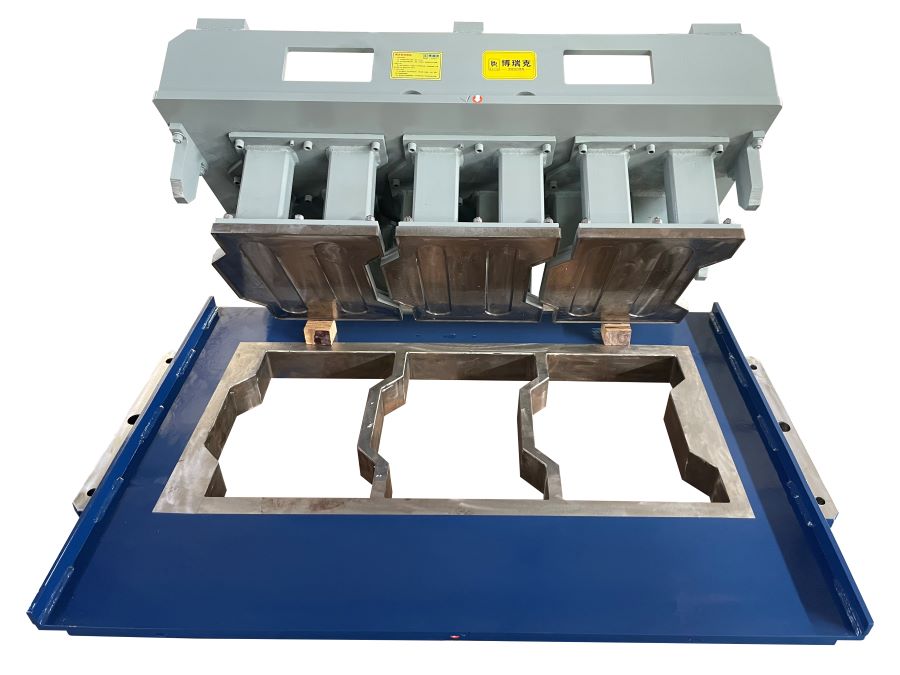
Product drawings and mold requirements help the supplier recommend the right configuration.
Action checklist
List product drawings, target output, and main market demand.
Provide site size, building height, power, water, and forklift movement information.
Describe cement, aggregate, sand, pigment, and other local raw materials.
State the preferred automation level and available labor condition.
Ask the supplier to connect the quotation with a layout and process explanation.
A serious quotation begins before the price. It begins when the buyer understands the project clearly enough to describe it. With the right data, the machine choice becomes less like a guess and more like a controlled investment.
FAQ
Why is a data sheet better than a simple inquiry? It helps the supplier recommend a line that fits the real project instead of sending a generic quotation.
Should buyers include product drawings? Yes. Drawings help confirm mold design, pallet size, output expectation, and finished product handling.
Does voltage information matter? Yes. Power details affect motor, control cabinet, installation, and safe operation.
Should raw material data be included? Yes. Local aggregates, cement, fly ash, and moisture behavior influence batching, mixing, and compaction.
Can Hawen prepare a layout from the data sheet? Yes. Hawen can use project data to review machine selection, material flow, curing, pallet handling, and automation level.
Is the lowest quotation always the best? No. A low price may hide missing equipment, insufficient automation, weak mold support, or poor layout planning.






 Tel: +86-13905968794
 Email: export@hwmachines.com
 MP/WhatsApp: +86-13905968794
 Manufacturer Address:Nanan,Quanzhou City,Fujian Province,China