How to Organize Spare Parts Storage for an Automatic Block Machine Line is a practical topic for buyers and plant managers who want a more stable block making machine workflow. The goal is not only to explain the issue, but to give a clear method that supports better output, cleaner operation, and stronger customer confidence.
In a professional concrete products factory, the block machine, material system, mold, pallet circulation, control system, and operator routine must work as one process. A good solution therefore looks at the whole line before changing one visible setting.
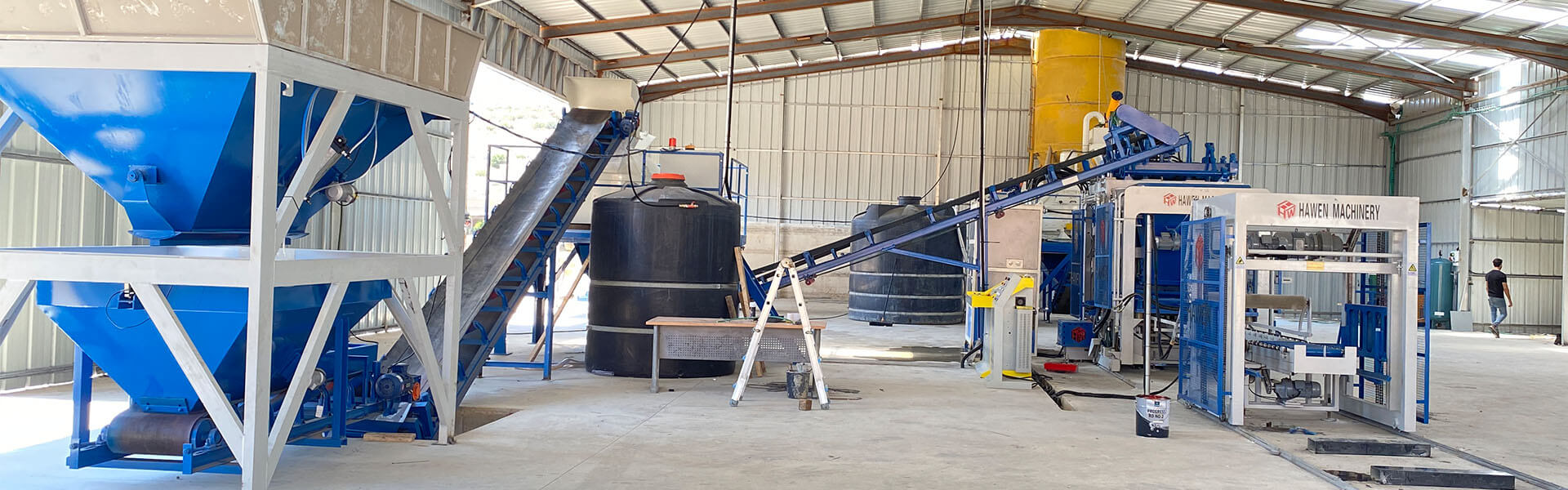
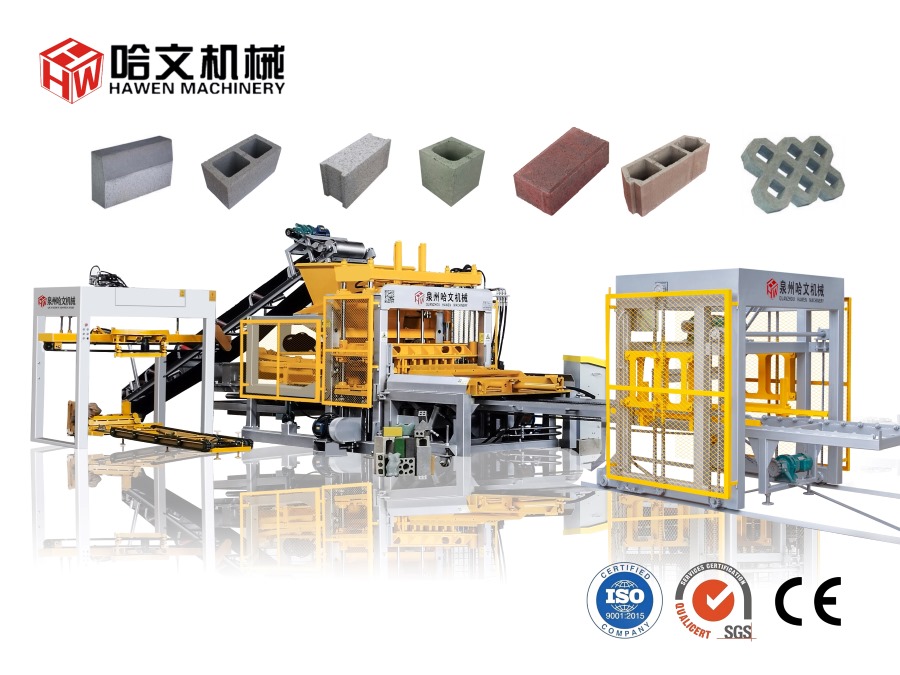
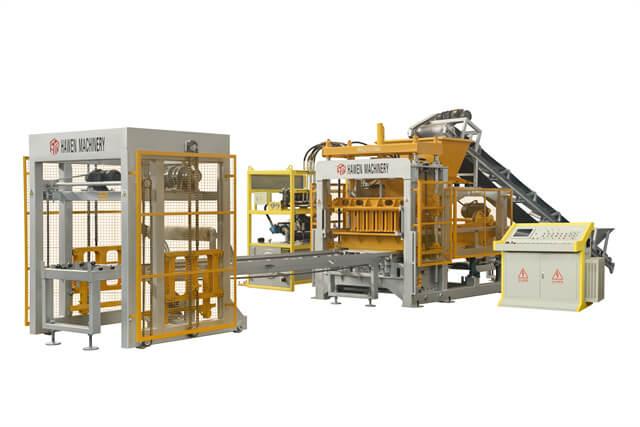
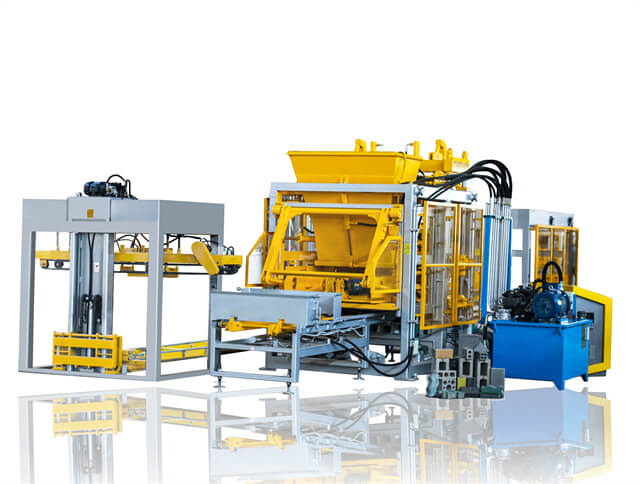
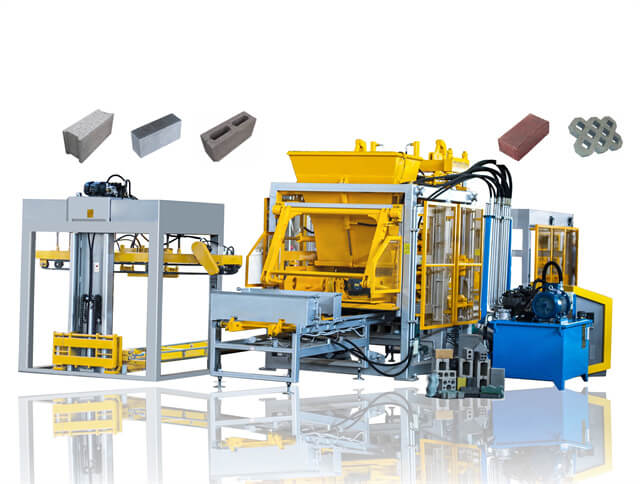
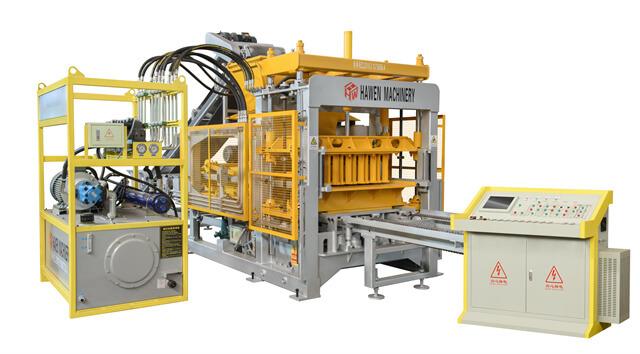
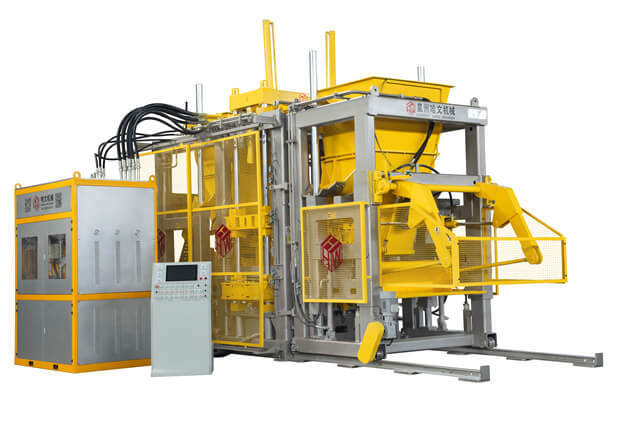
A spare parts system should support the whole line, not only the main machine.
Why spare parts storage affects real output
A spare parts room is not just a warehouse beside the production line. It is a protection system for uptime, quality, and customer delivery. When a small sensor, seal, blade, bolt, or wear plate is missing, a strong block making machine can still stop at the worst moment.
Many factories focus on the first quotation and forget the daily rhythm after installation. A professional brick machine line should have parts ready for forming, mixing, feeding, pallet circulation, hydraulic movement, electrical control, and finished product handling.
Classify parts by function and urgency
Start by dividing spare parts into practical groups: fast-wear parts, electrical parts, hydraulic parts, mold-related parts, mixing parts, conveyor parts, and safety parts. This makes the storage system easier for operators to use during a shift.
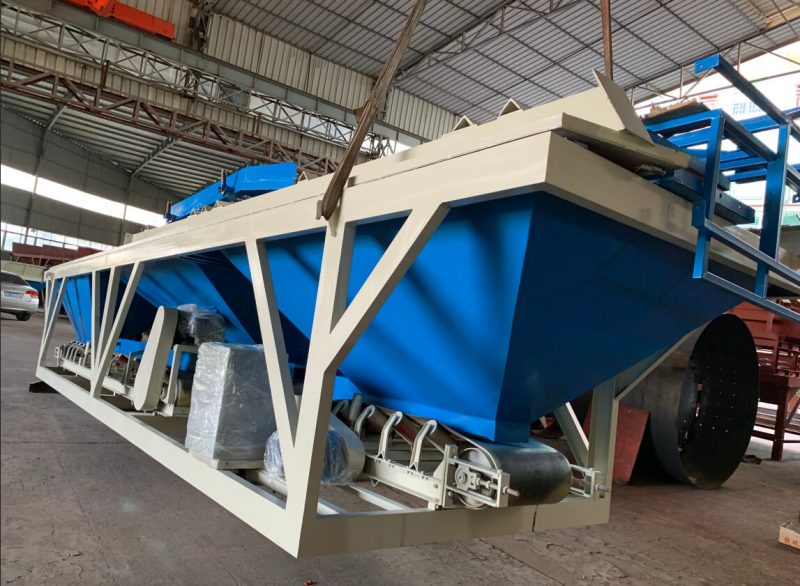
For material preparation, the batching machine, concrete mixer, and cement silo need different spare items. Mixer blades, limit switches, belts, screw conveyor parts, and dust-control parts should not be mixed in one unclear box.
Precision parts need clean storage, clear labels, and controlled handling.
Protect precision and wear-sensitive parts
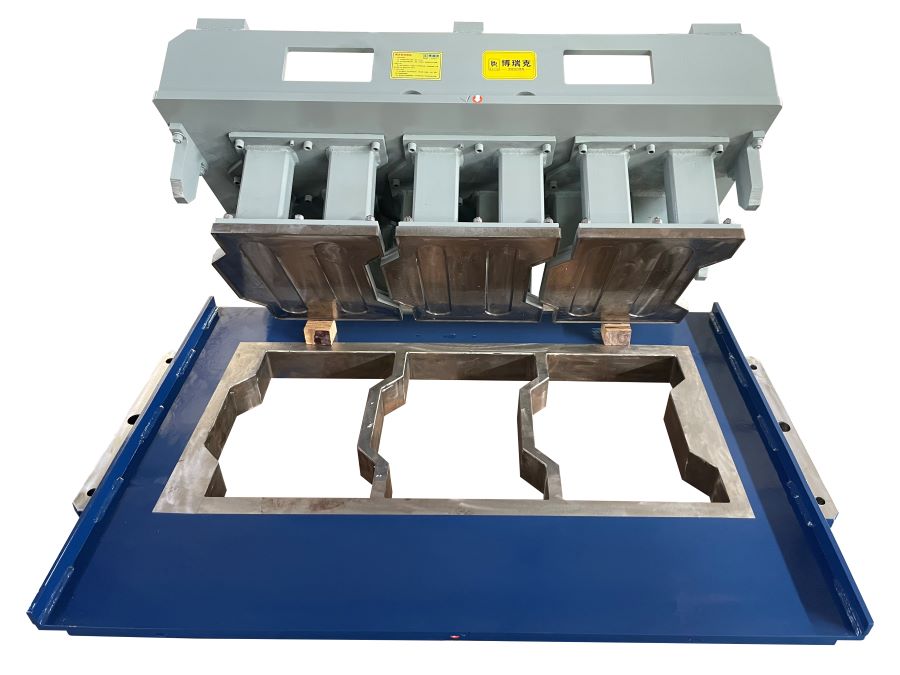
Molds, tamper shoes, guide parts, sensors, and hydraulic components should be stored cleanly and safely. Hawen Machinery designs molds compatible with leading block machine brands such as Masa, Hess, Zenith, Poyatos, Besser, Tiger, Columbia, Quadra, and Omag. These molds follow original specifications for accurate fit and stable operation.
Hawen mold sets are heat-treated to improve wear resistance, with hardness commonly controlled around HRC59-61. That precision deserves careful storage: avoid impact, moisture, dust buildup, and careless stacking that can damage edges or contact surfaces.
Connect spare parts with maintenance records
Spare parts should be linked with maintenance records. If the plant replaces the same part too often, the problem may be alignment, cleaning, material contamination, wrong adjustment, or overload. The part record becomes a signal, not just an expense list.
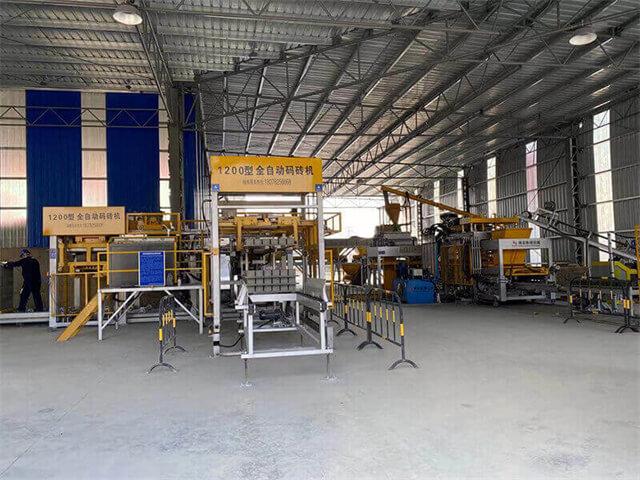
Automation accessories also need planned spare parts for sensors, chains, rollers, and moving assemblies.
Action checklist
Group spare parts by machine area and urgency instead of storing everything together.
Label parts with model, machine location, quantity, and reorder point.
Protect molds, sensors, electrical parts, and hydraulic components from dust, moisture, and impact.
Record every replacement so repeated failures can be investigated.
Review the spare parts list after trial production and after each busy season.
Spare parts storage is quiet when it is done well, but it protects every noisy minute of production. A factory that prepares the right parts before trouble appears is not only maintaining machines; it is defending delivery, reputation, and the trust behind every block it ships.
FAQ
Which spare parts should a new block plant prepare first? Start with wear parts, sensors, belts, seals, bolts, mixer parts, mold-related parts, and safety components that can stop production quickly.
Should spare parts be bought only after a fault happens? No. Waiting until failure can cause long downtime, especially for imported or customized parts.
How should mold-related spare parts be stored? Keep them clean, dry, labeled, and protected from impact because dimension and surface condition affect product quality.
Can spare parts records improve maintenance? Yes. Frequent replacement of one item often reveals a deeper process or adjustment issue.
Should automation systems have separate spare parts? Yes. Sensors, rollers, chains, switches, and positioning parts for pallet handling and cubing should be planned separately.
How can Hawen help customers prepare spare parts? Hawen can review the final machine configuration and suggest a practical spare parts package for startup, routine maintenance, and long-term operation.





 Tel: +86-13905968794
 Email: export@hwmachines.com
 MP/WhatsApp: +86-13905968794
 Manufacturer Address:Nanan,Quanzhou City,Fujian Province,China