Feeding accuracy decides whether a block machine can produce consistent height, density, surface texture, and edge strength. When the feeder fills the mold unevenly, the problem may look like poor vibration, weak cement, or bad mold quality. In reality, the brick machine is simply trying to compact an uneven amount of material.
Why feeding accuracy matters
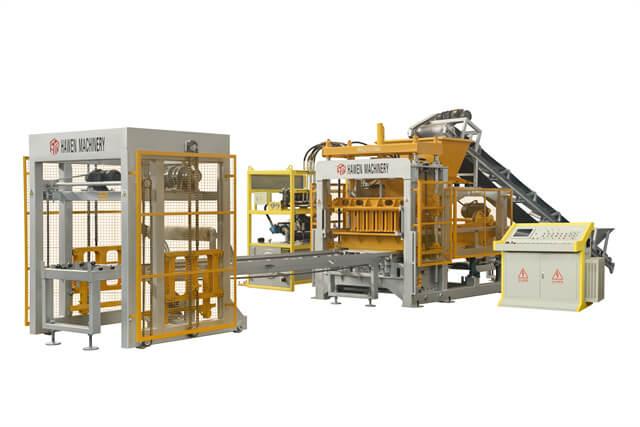
In concrete block production, the mold cavity must receive the right material volume before vibration and pressing. Too little material causes low height, weak corners, and open texture. Too much material can create overload, poor demoulding, or uneven surface. A stable block making machine line treats feeding as a controlled process, not a rough movement.
Field note: If the same cavity repeatedly produces a different result, check feeding path, feeder bottom, mold cavity condition, and pallet support before changing the full recipe.
How to diagnose feeding variation
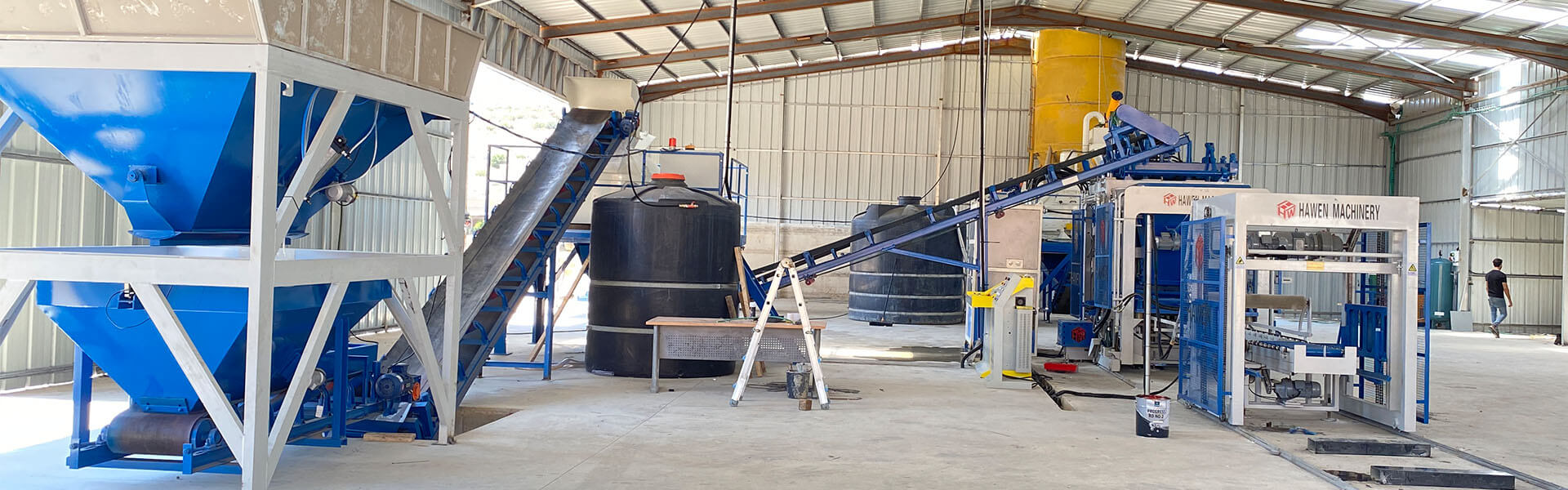
Start with material flow. The batching machine and concrete mixer should deliver a uniform mix without dry clusters or wet lumps. Then check the feeder box, guide rails, bottom plate, movement speed, and cleaning condition. If material builds up inside the feeder, the mold receives less material in some cycles and more in others.
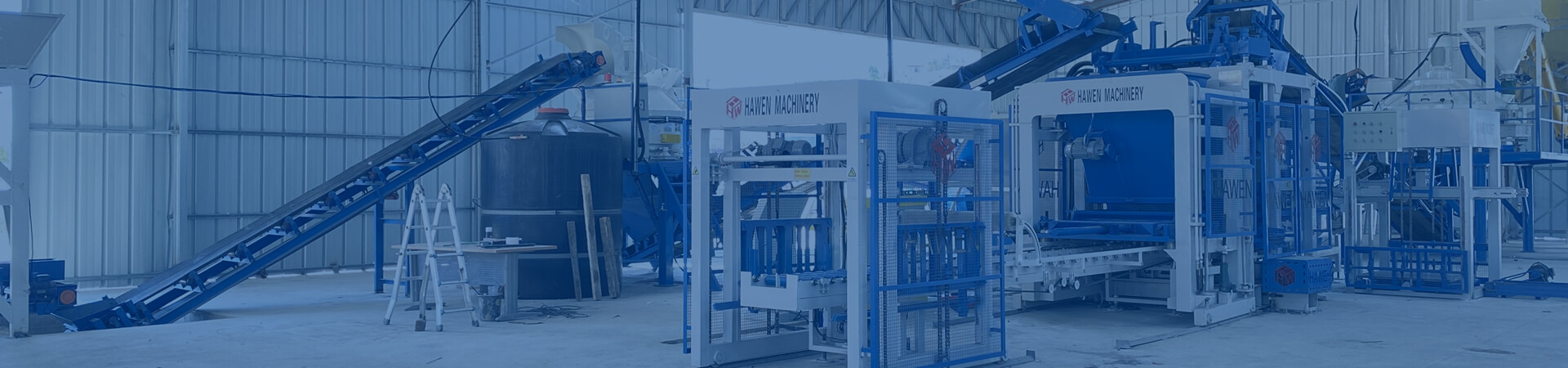
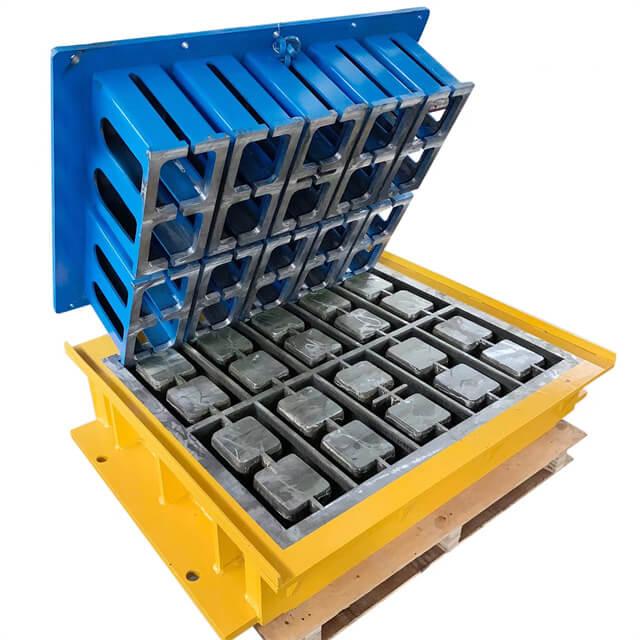
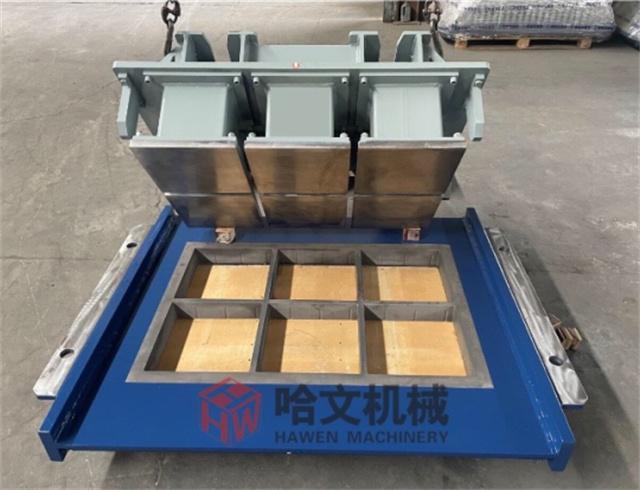
Next, compare block height and density across the mold. A hollow block mould may show issues differently from an interlocking paver mould. For long products such as curbstones, inspect the curb stone mould carefully because length makes filling balance more sensitive.
Mechanical, hydraulic, and control checks
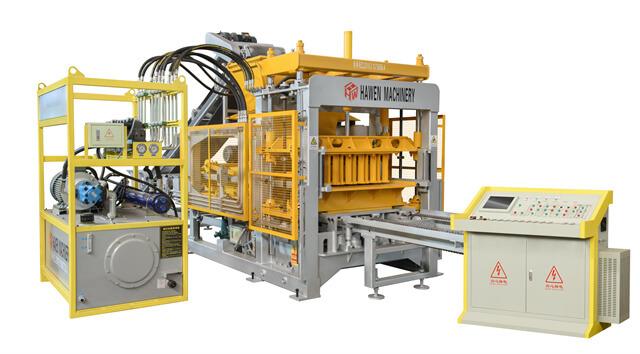
Feeding accuracy depends on timing. If the feeder, mold, vibration table, and pressing head do not work in the right sequence, even a strong machine can produce unstable blocks. Hawen Machinery integrates a SIEMENS S7-200 PLC, an intuitive touch panel, and remote monitoring support. This allows real-time review of operating status, remote parameter guidance, and better control of production quality across shifts.
The hydraulic station also affects repeatability. In Hawen block machines, the hydraulic station uses Japanese YUKEN proportional and directional valve technology together with an American ALBERT hydraulic pump. This combination supports precise movement control, reliable load handling, and stable operation during long production shifts.
Hawen Machinery advantage
Hawen Machinery connects feeding accuracy with compaction. The four-shaft vibration box design places eccentric blocks outside the housing, reducing resistance and supporting more even vibration transfer. When feeding and vibration are matched, the factory can improve density consistency without forcing unnecessary cement or repeated manual correction.
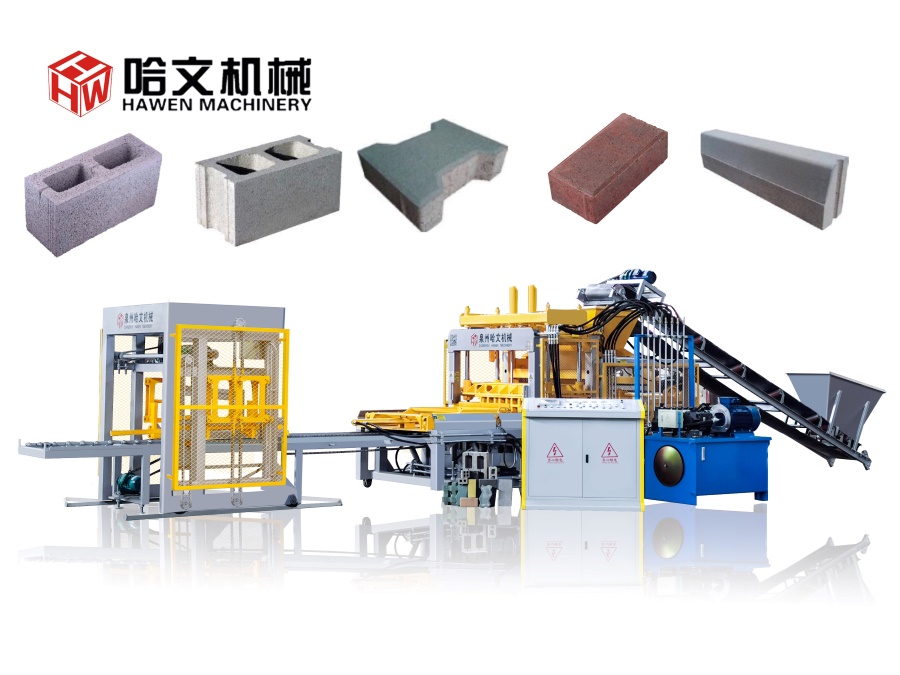
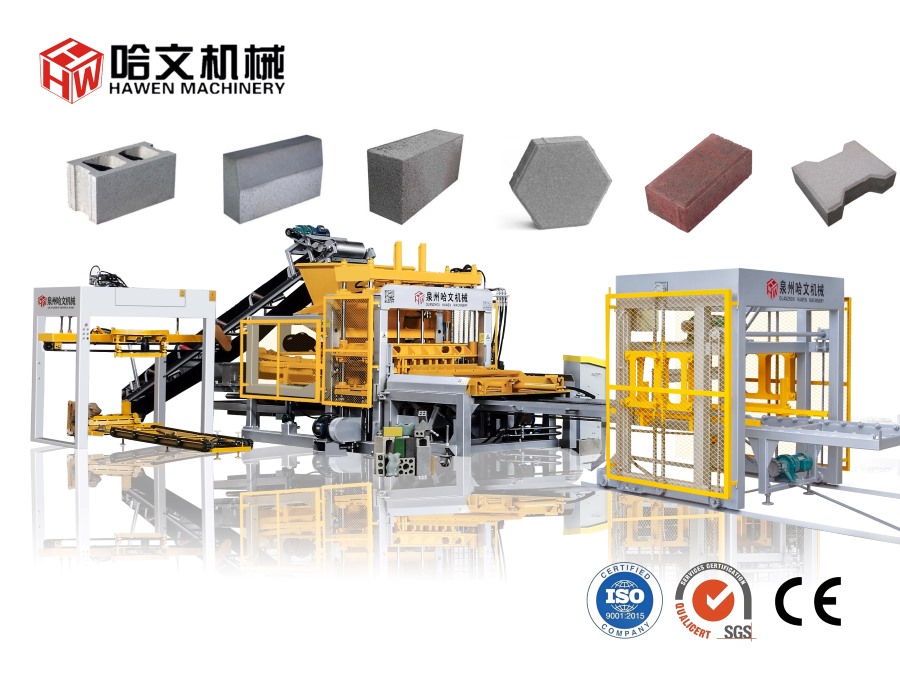
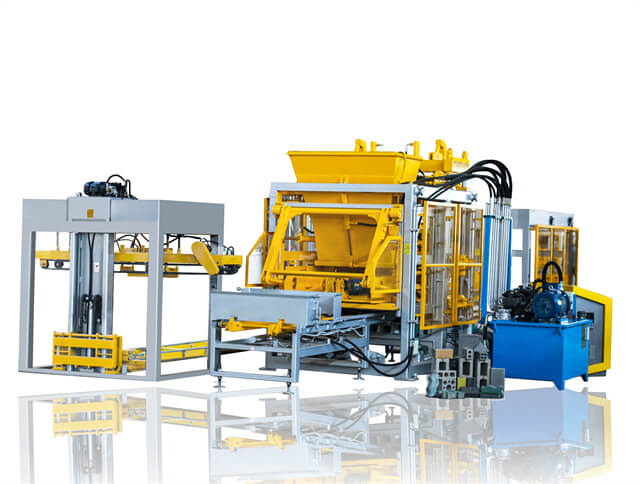
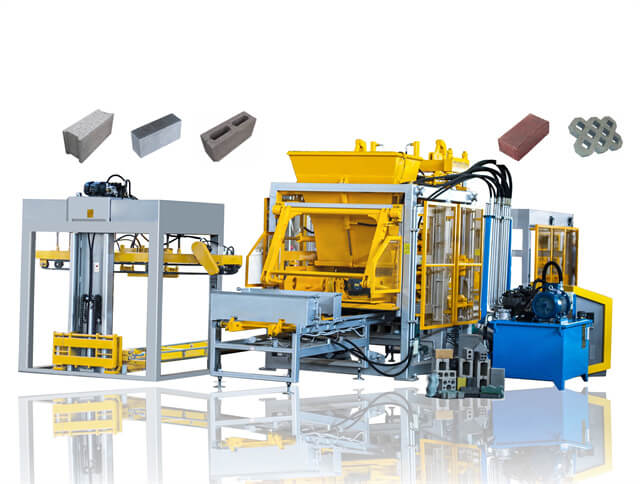
For different production targets, Hawen can recommend the QT12 hydraulic hollow block production line, QT10 automatic solid cement block machine, QT8 concrete fly ash brick paver making machine, or QT7 full automatic block making machine. The line can also be matched with GMT pallet and automatic offline palletizing to protect finished product consistency after demoulding.
Operator routine for stable output
- Check material moisture before production starts.
- Clean feeder box surfaces that contact wet mix.
- Compare several cycles before judging the adjustment.
- Record feeder timing, vibration time, pressure, and final block result.
- Inspect mold wear and pallet condition during product changeover.
Stable feeding is the beginning of stable value. A factory cannot inspect its way into quality after production; it must design quality into every feed, every vibration, and every demoulding movement. When the machine feeds with discipline, the finished block tells the same story again and again: controlled material, controlled movement, and controlled trust.
FAQ
What is the first sign of poor feeding accuracy?
Common signs include uneven block height, weak corners, rough texture, or density differences between mold cavities.
Can poor feeding look like poor vibration?
Yes. If material volume is uneven, vibration cannot create consistent density even when the vibration system is working.
Why does wet mix stick inside the feeder?
High moisture, fine material buildup, poor cleaning, and unsuitable feeder timing can make wet mix stick and reduce filling accuracy.
How does the control system help?
The SIEMENS PLC and touch panel allow operators to manage timing and review operating status more consistently.
Should the mold be checked during feeding problems?
Yes. Mold wear, cavity layout, and tamper head condition can influence how material fills and compacts.
How can Hawen improve feeding stability?
Hawen matches batching, mixing, feeder movement, hydraulic timing, vibration, mold design, and pallet handling as one production system.





 Tel: +86-13905968794
 Email: export@hwmachines.com
 MP/WhatsApp: +86-13905968794
 Manufacturer Address:Nanan,Quanzhou City,Fujian Province,China