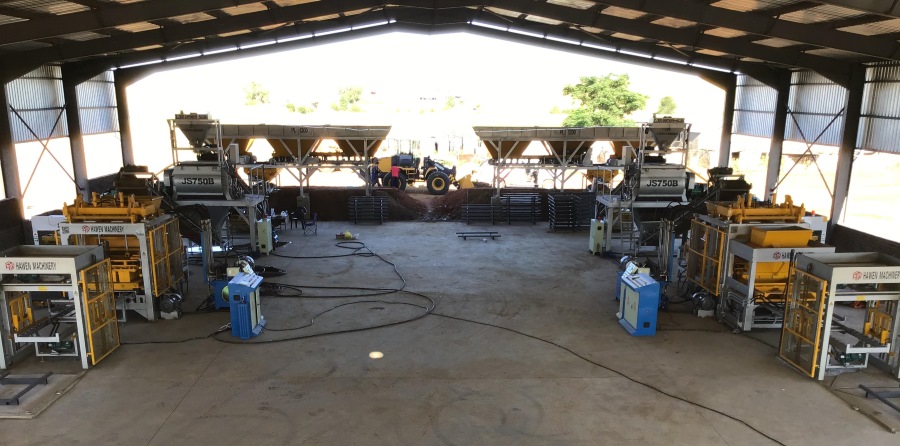
Block plant expansion should be considered before the first installation is finished. Many buyers start with a practical automatic concrete block machine and later want to add more moulds, more pallets, a larger curing yard, an offline cuber, stronger batching equipment, or a higher output machine. If the original layout does not reserve space and connection points, later expansion can become expensive.
Expansion planning does not mean buying everything at the beginning. It means designing the first plant so future upgrades are easier. Buyers should review land space, forklift routes, curing yard direction, power capacity, cement storage, batching system position, pallet return route, and finished block loading area before confirming the first layout.
The first layout decides how easy later upgrades will be. Reserve space, power, and flow direction now, even if the equipment itself is purchased in a later phase.
Why expansion planning should start early
The first layout often decides whether future changes are simple or difficult. If the host machine is placed too close to a wall, adding conveyors or changing handling flow may be hard. If the curing yard has no reserved area, higher output may create block storage pressure. If power capacity is planned only for the first configuration, later automation may need electrical modification.
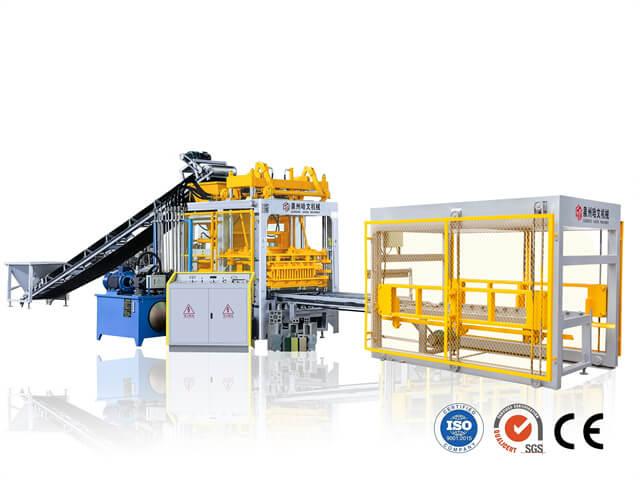
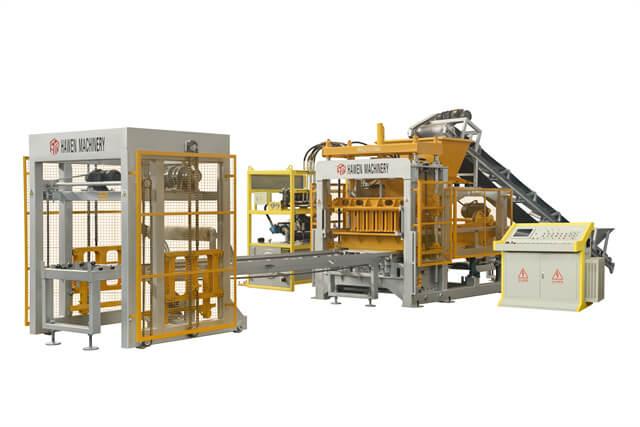
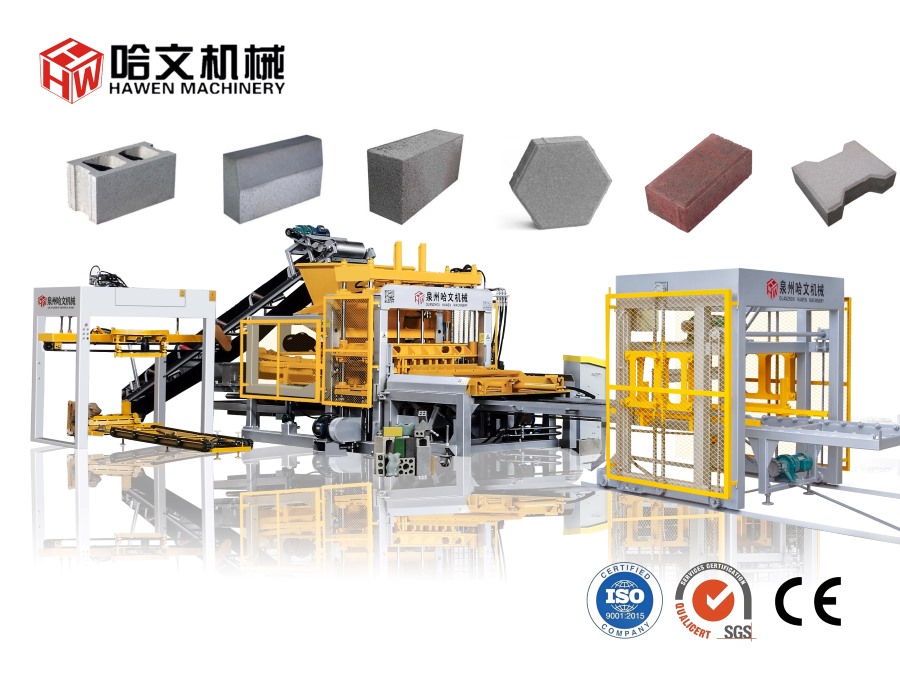
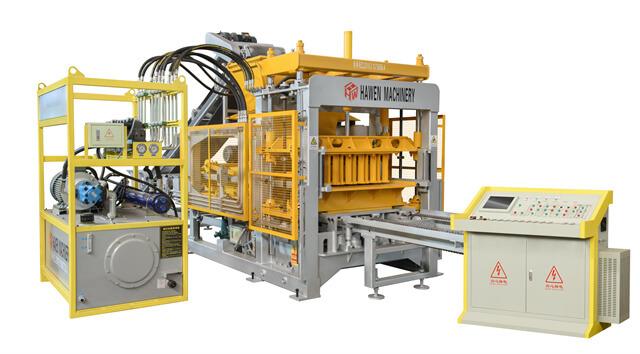
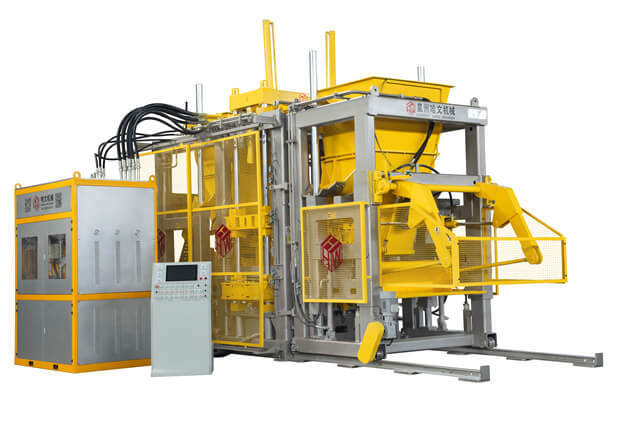
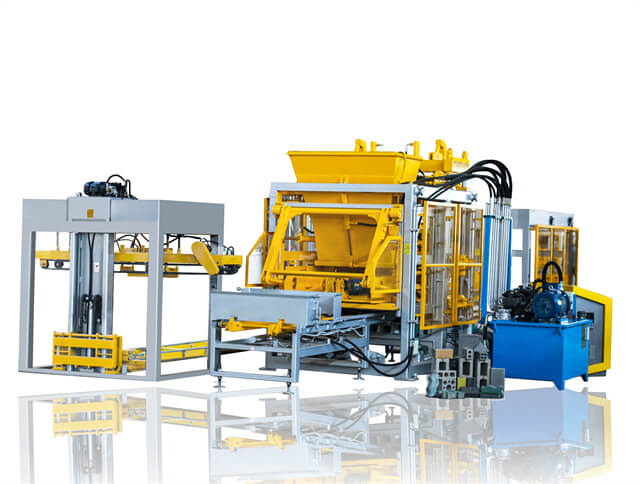
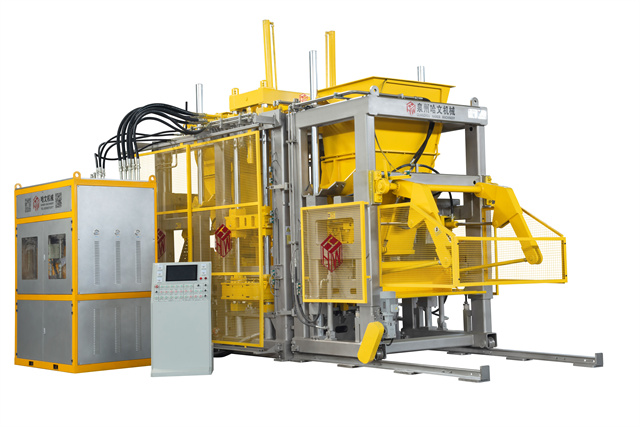
When reviewing a QT8 automatic concrete paver fly ash brick making machine, buyers can ask how the line could be upgraded later. Possible upgrades may include additional moulds, more pallets, stronger stacker planning, face mix feeding, offline cuber, or improved finished block packing.
Reserved space for cuber, pallets, and curing yard
An offline cuber is a common future upgrade when output grows and labor handling becomes difficult. The buyer should reserve space for cured block return, cuber position, finished stack removal, and empty pallet return. If this space is not planned early, adding a cuber later may disturb the existing production flow.

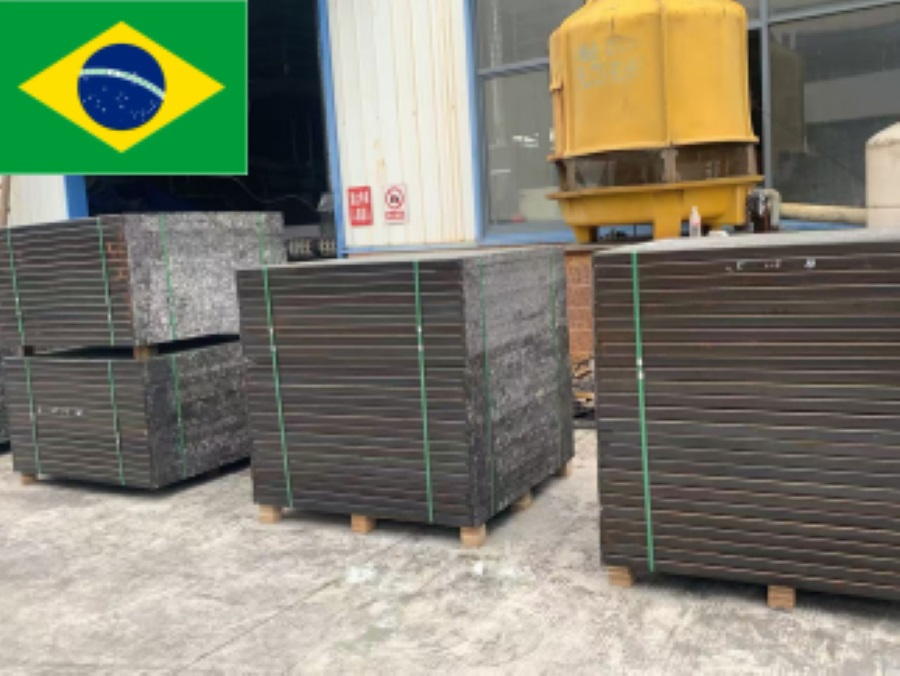
Pallet quantity may also increase with expansion. More production means more pallets are occupied during curing. The curing yard should allow additional pallet stacks, safe forklift movement, and organized finished block loading. Buyers should avoid using every available space in the first phase if future growth is expected.
If palletizing or cubing is a likely later step, it helps to review how an automatic offline palletizing system connects to the existing curing and pallet return flow before the civil work is fixed.
Mould range, market demand, and power capacity
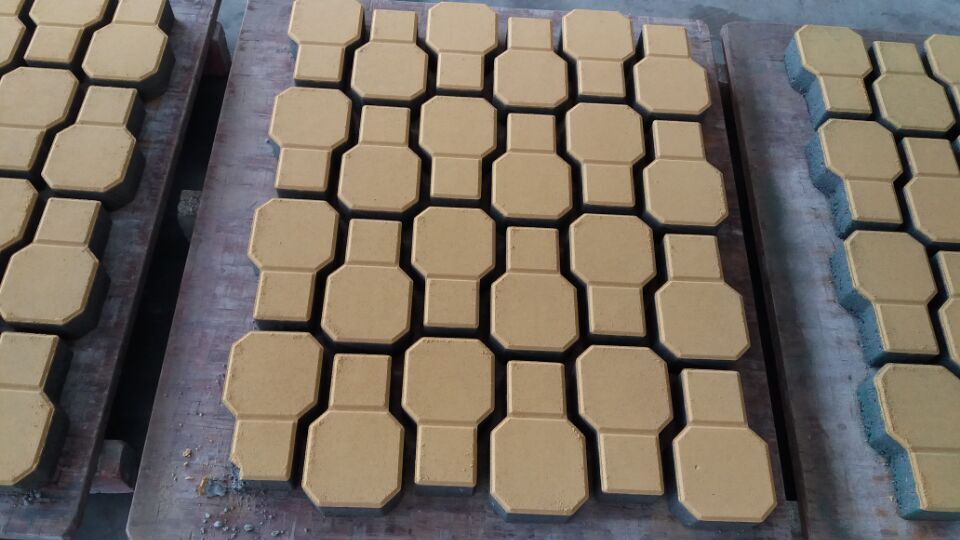
Expansion should follow market demand. If hollow blocks sell well, the buyer may add more pallets and improve handling. If pavers become popular, the buyer may need face mix feeding, new paver moulds, color material control, and better finished product packing. If kerbstones become important, pallet strength and forklift handling should be reviewed again.
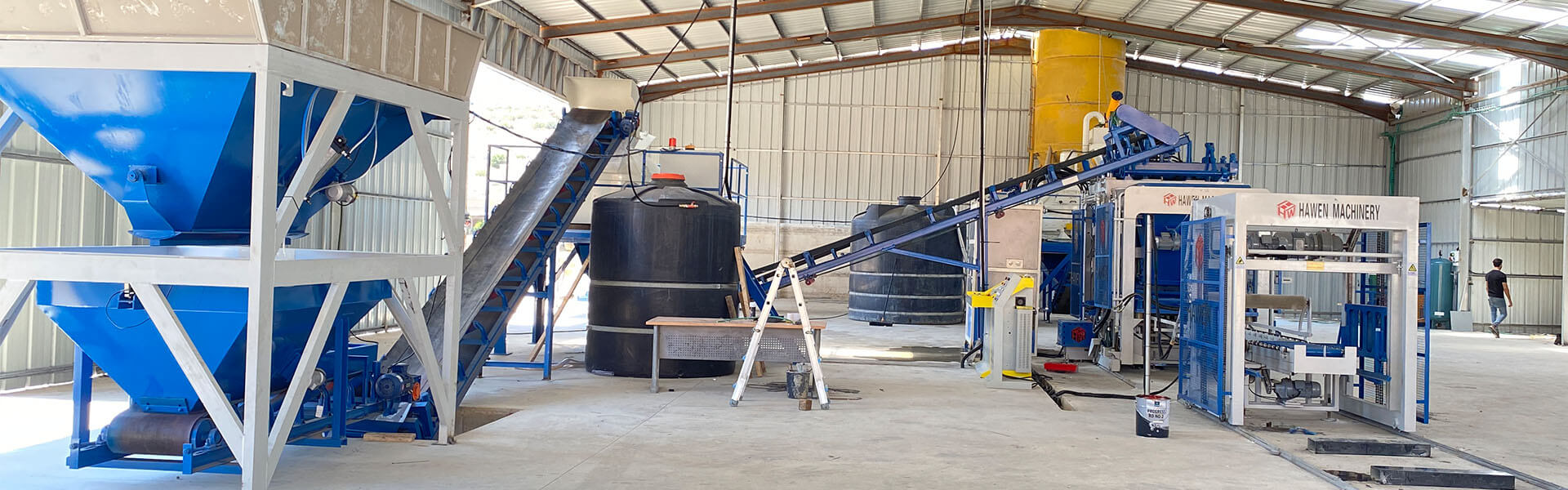
Power capacity is often forgotten during expansion planning. Additional conveyors, cubers, batching equipment, mixers, compressors, or handling systems may require more power. The buyer should discuss future electrical load with the supplier and local electrician before civil work and wiring are finalized.
Expansion planning table
| Expansion item | What to reserve | Why it matters |
|---|
| Offline cuber | Cured block return route, cuber space, finished stack removal, and pallet return. | Makes labor-saving upgrades easier later. |
| More pallets | Storage area, curing yard space, stack height, and forklift route. | Supports higher daily output without stopping the host machine. |
| More moulds | Mould storage, lifting tools, product testing area, and recipe records. | Allows product range expansion with less confusion. |
| Power upgrade | Electrical load, cable route, cabinet space, and grounding plan. | Avoids expensive electrical rework when adding equipment. |
Space, power, and flow reservations depend on the actual site, local electrical code, and the final equipment configuration. Confirm reserved dimensions and future load with the supplier and a qualified local engineer before civil work begins.
FAQ
Should buyers pay for all future equipment at the beginning?
Not necessarily. The buyer can start with a practical configuration while reserving space, power, and flow direction for later upgrades.
What is the most common expansion mistake?
A common mistake is filling the first layout too tightly. Later, there is no space for a cuber, more pallets, or improved finished block handling.
Can mould expansion affect plant layout?
Yes. More moulds require storage, lifting tools, recipe records, and sometimes different pallets or handling methods depending on product type.
Conclusion
Concrete block plant expansion should be considered during the first layout review. Buyers should reserve space for cuber installation, more pallets, larger curing yard, additional moulds, improved handling, and future electrical load. The next step is to ask the supplier for a phased layout plan so the first investment can support later growth without major reconstruction.
Planning a block plant that may grow in stages? Share your site dimensions, target block types, expected output phases, and available power so the supplier can prepare a phased layout review before the first civil work is fixed.






 Tel: +86-13905968794
 Email: export@hwmachines.com
 MP/WhatsApp: +86-13905968794
 Manufacturer Address:Nanan,Quanzhou City,Fujian Province,China