Choosing between manual and automatic block handling is a plant design decision, not just an equipment upgrade. The host machine may form blocks efficiently, but green blocks still need to be stacked, cured, unloaded, packed, and shipped — and if that loop is slower than the machine, the plant will never reach stable daily output. This guide is for buyers planning a concrete block plant who need to decide how blocks will move after demoulding.
Key decision principle: match the handling method to daily output, product weight, labor availability, pallet circulation, curing yard space, and future expansion — then confirm stacker height, pallet strength, cuber space, and forklift routes before fixing the layout.
Why the handling method shapes the whole plant layout
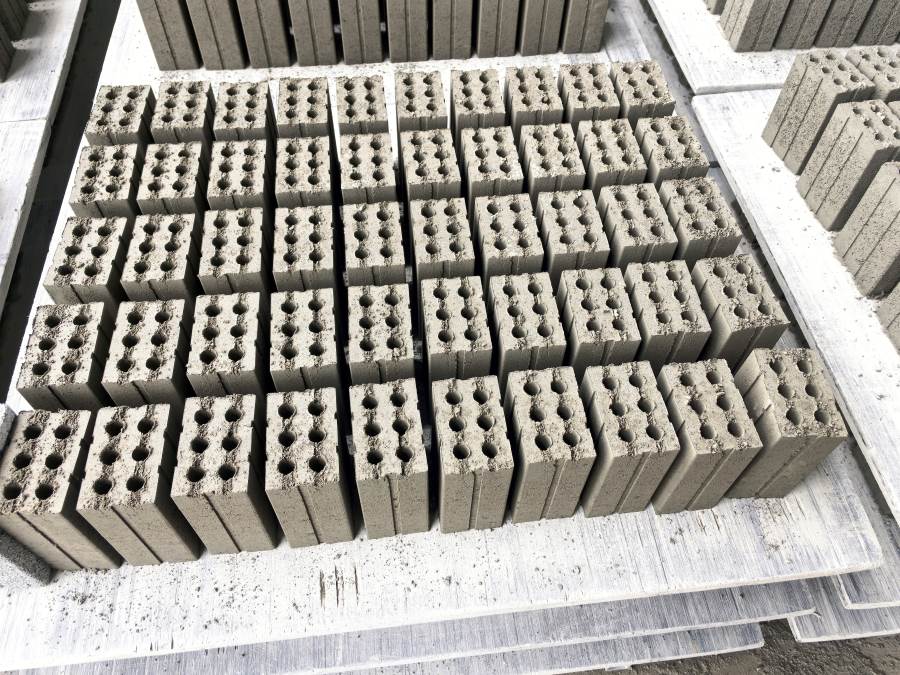
Block handling affects the entire plant, not one station. Green blocks leave the machine on pallets and must reach curing without damage. Cured blocks must be separated from pallets, and empty pallets must return to the pallet feeder. If this loop is not planned, the host machine can sit waiting even when batching, mixing, and forming are ready.
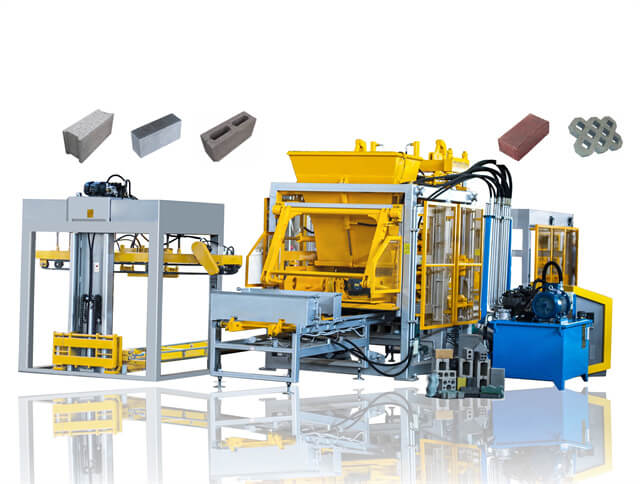
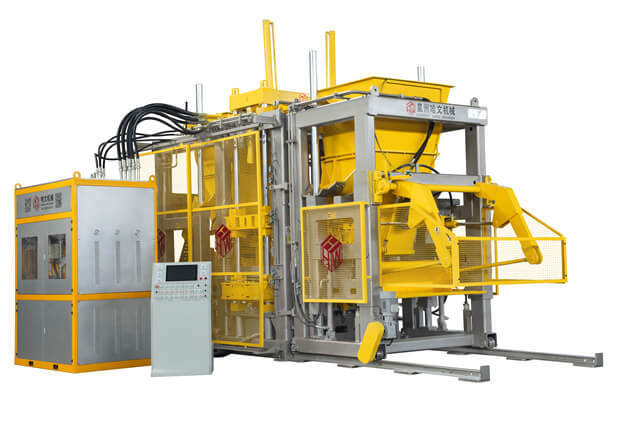
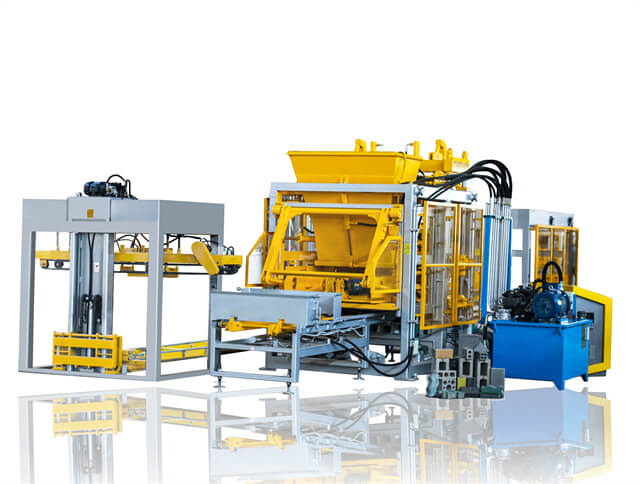
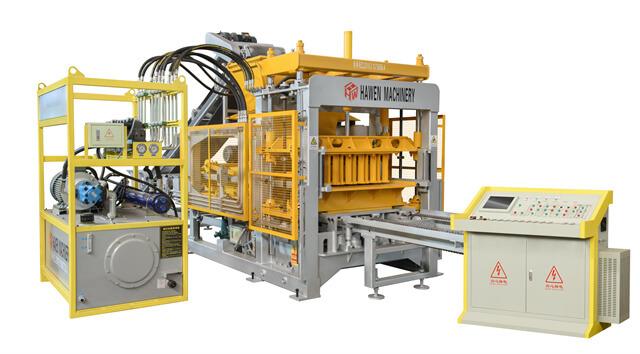
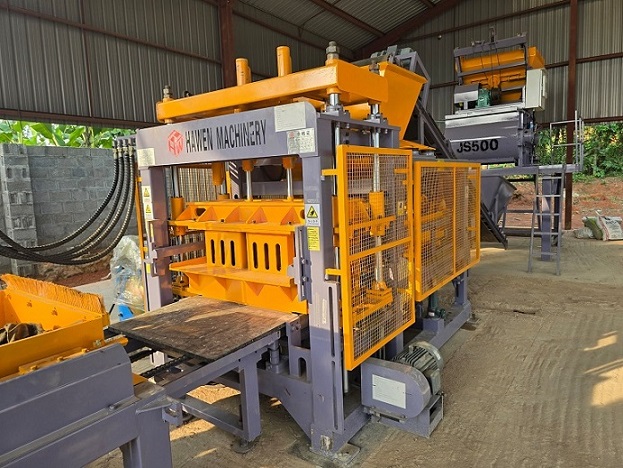
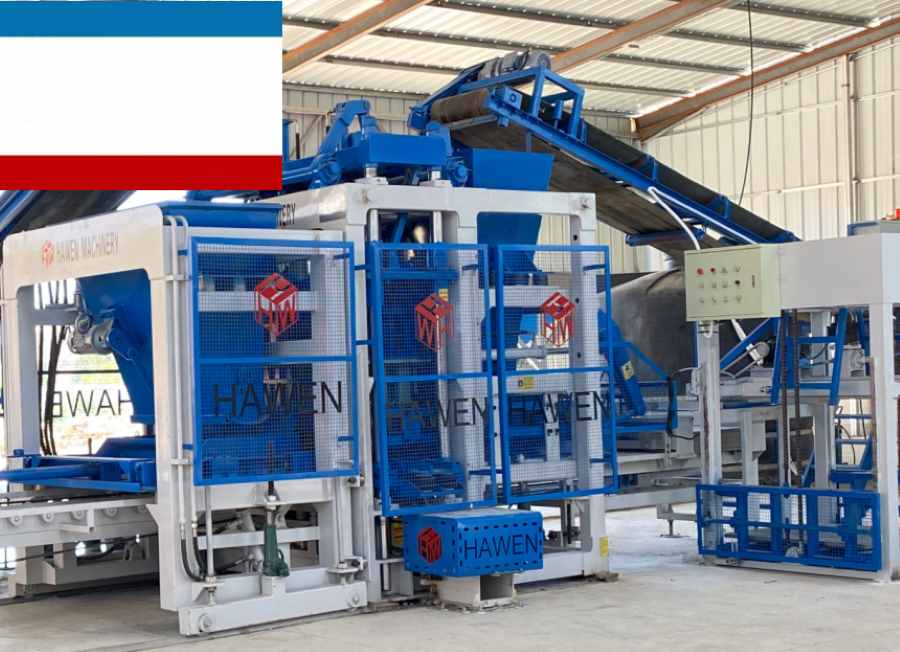
When reviewing a QT8 automatic concrete paver fly ash brick making machine, buyers should ask how blocks will be handled after demoulding. The answer directly affects pallet quantity, stacker choice, curing yard size, and labor requirement.
Manual handling: labor and output limits
Manual handling can be practical for lower or moderate output plants. Workers unload cured blocks, stack finished products, and return pallets. This reduces equipment cost, but it requires enough trained workers and a clear yard arrangement. Product weight matters: kerbstones and large solid blocks are harder to handle manually than standard hollow blocks.
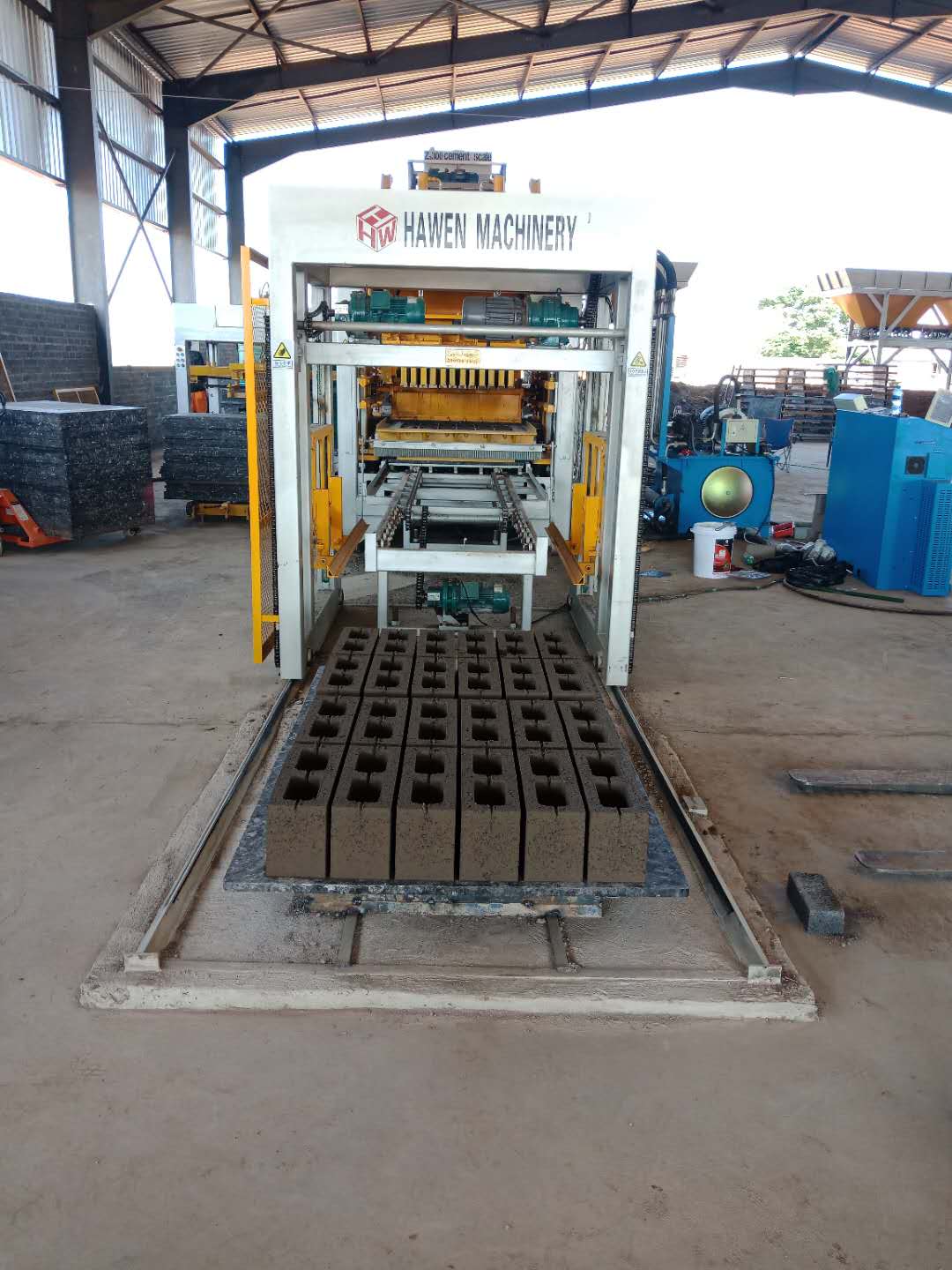
A practical observation is that manual handling often works during short production runs but becomes a bottleneck over long shifts. Workers slow down, pallets may not return fast enough, and finished stacks can occupy too much yard space. Buyers should calculate labor capacity, not only machine output.
Automatic stacker, cuber, and pallet return
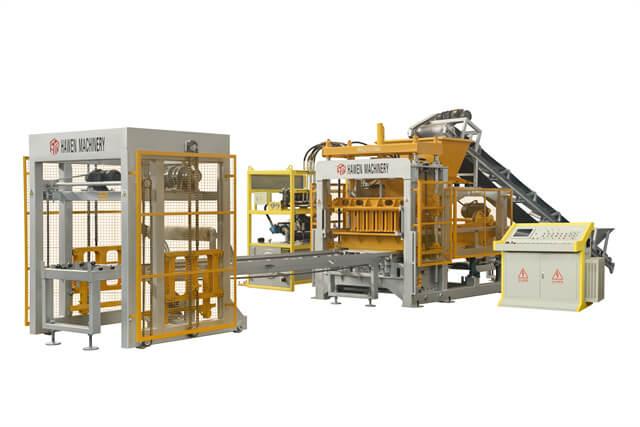
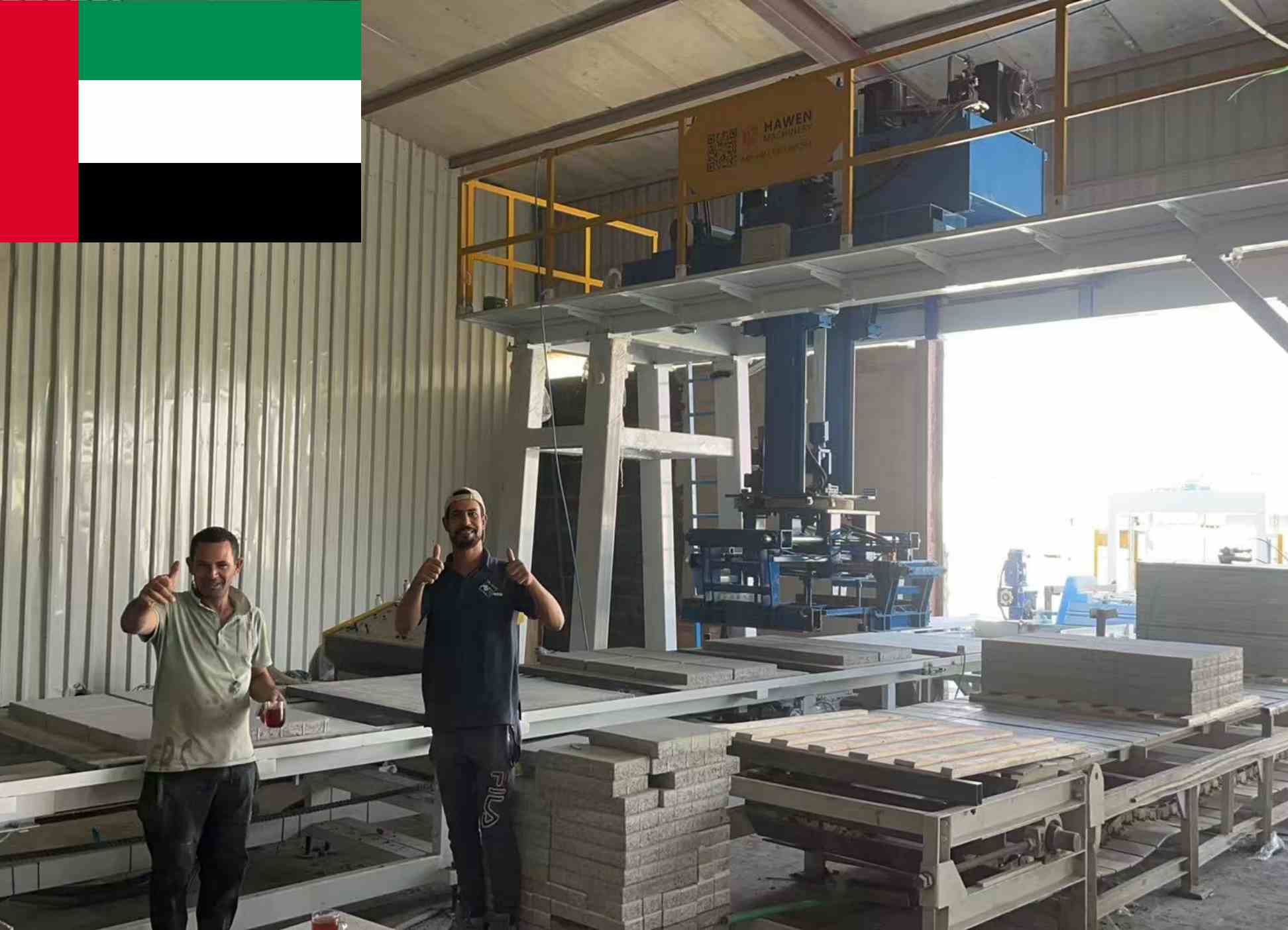
Automatic handling usually starts with a stacker. The stacker collects green block pallets and prepares them for curing yard movement. For higher output lines, an offline cuber can separate cured blocks from pallets and stack finished products for shipment, reducing labor intensity and improving packing consistency.

Automatic systems still need planning. Confirm stacker height, pallet strength, the cured block return route, cuber space, forklift access, and product size range. Hollow blocks, pavers, and kerbstones may need different gripping or stacking methods. Automation should match the real product plan rather than being added as a general upgrade. For higher-output lines, an automatic offline palletizing system is one option to review against the same criteria.
Handling method comparison
| Handling method | Suitable condition | Risk to review |
|---|
| Manual unloading | Moderate output, lower labor cost, simple product range. | Labor fatigue, slow pallet return, inconsistent stacking. |
| Automatic stacker | Automatic host machine with regular green block movement. | Stack height, pallet strength, and forklift access must match. |
| Offline cuber | Higher output, stronger packing requirement, labor-saving target. | Needs space, return route, product range matching, and operator training. |
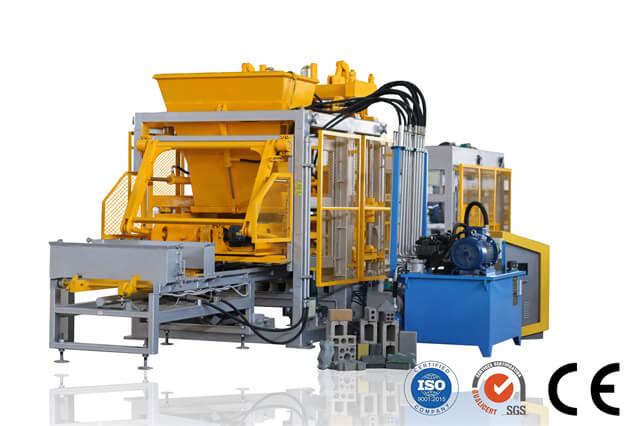
Stacker height, pallet strength, cuber capacity, and layout clearances are machine- and site-specific. Confirm these values with the equipment supplier and your plant engineering team before finalizing the configuration.
FAQ
Is manual handling enough for an automatic block machine?
It can be enough for moderate output, but buyers should calculate labor speed, pallet return, product weight, and curing yard space before deciding.
When should buyers consider an offline cuber?
An offline cuber is more useful when daily output is high, labor cost is rising, or finished block packing needs to be more consistent.
Can automation be added later?
Sometimes yes, but space and layout should be reserved early. Adding an offline cuber later is harder if the curing yard and pallet return route were not planned.
Conclusion
Manual and automatic block handling should be selected according to output, product weight, labor cost, pallet circulation, curing yard space, and future expansion. Before confirming the plant configuration, review green block movement, cured block unloading, empty pallet return, stacker height, cuber space, and forklift routes.
Planning a block plant and unsure where manual handling ends and automation begins? Share your target daily output, product types and weights, available labor, and curing yard dimensions with our team, and we will help you review the handling configuration against your layout.





 Tel: +86-13905968794
 Email: export@hwmachines.com
 MP/WhatsApp: +86-13905968794
 Manufacturer Address:Nanan,Quanzhou City,Fujian Province,China