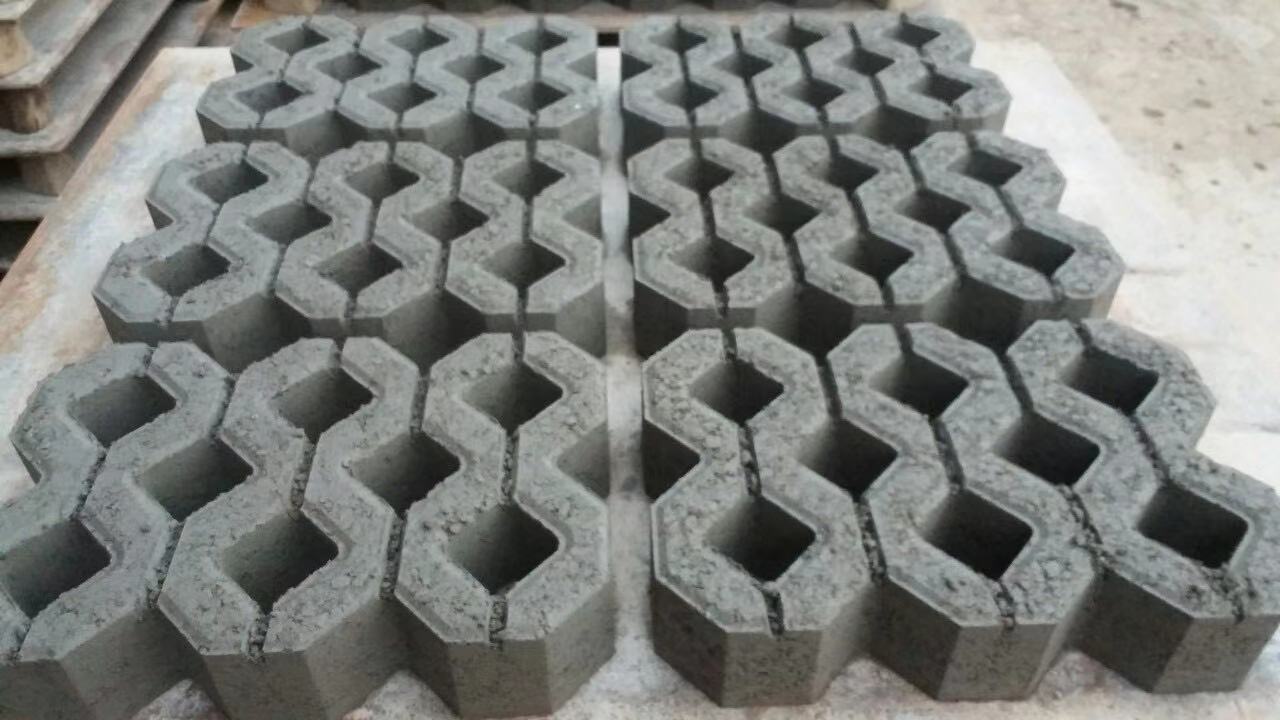
Cement silo and mixer matching decides how stable an automatic concrete block making plant really is. The host machine forms the blocks, but it can only work with the semi-dry concrete that the batching and mixing system delivers. When cement feeding is slow, water dosing drifts, or mixer discharge does not match the host machine cycle, both block quality and daily output suffer.
This guide is for buyers and plant planners who are specifying or reviewing the material preparation side of a block plant. The cement silo, screw conveyor, aggregate batching machine, JS concrete mixer, water control, belt conveyor, and host machine should be reviewed as one system, because a strong block machine cannot compensate for poor mixing, inaccurate dosing, or delayed feeding.
Key principle: match the material preparation chain to the host machine cycle before signing off on capacity. Silo capacity, screw conveyor layout, cement weighing, water adjustment, mixer size, and discharge route all set the practical limit on output and consistency.
Why silo and mixer matching matters
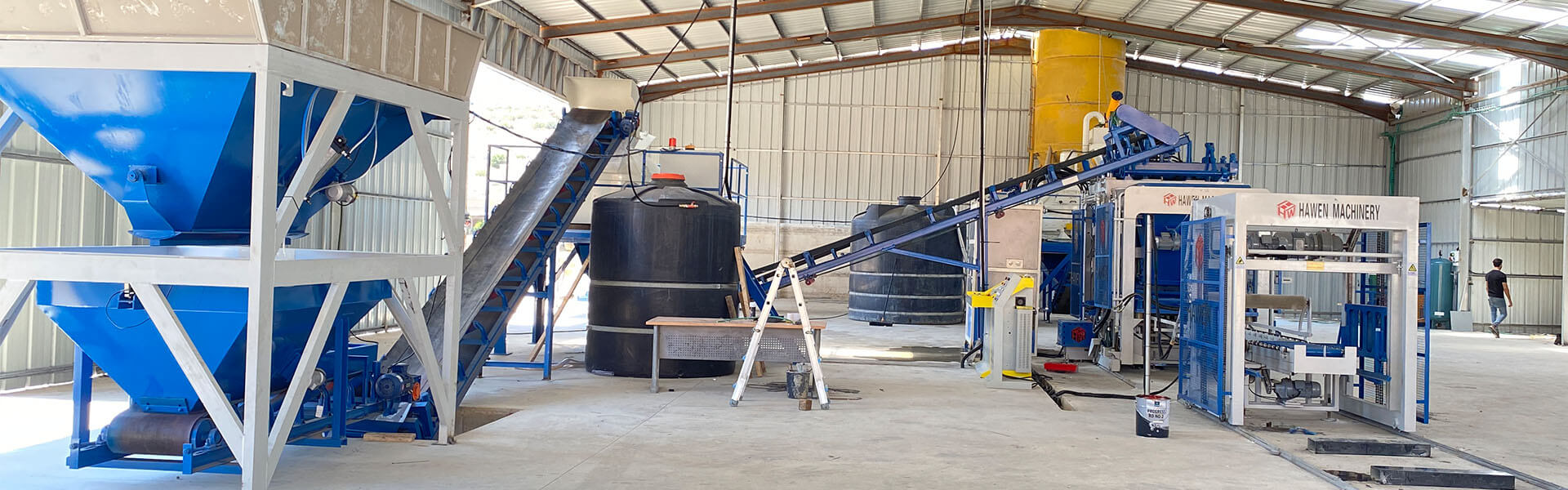
The cement silo stores cement and feeds it through the screw conveyor into the mixer. The mixer combines cement, sand, stone powder, crushed stone, fly ash, and water into semi-dry concrete. If cement delivery is inconsistent, block strength and surface quality may vary. If the mixer is too small, the host machine waits for material and rated capacity cannot be reached.
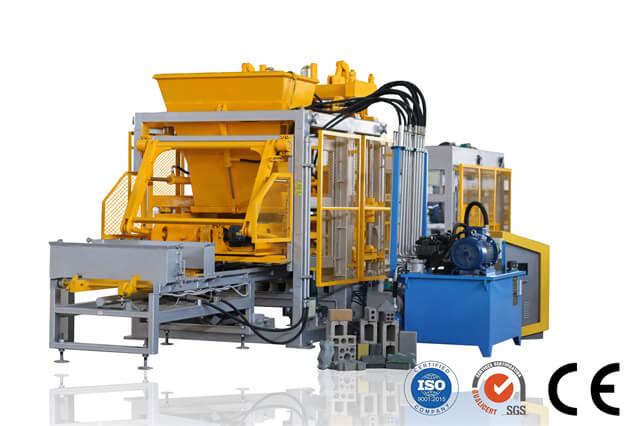
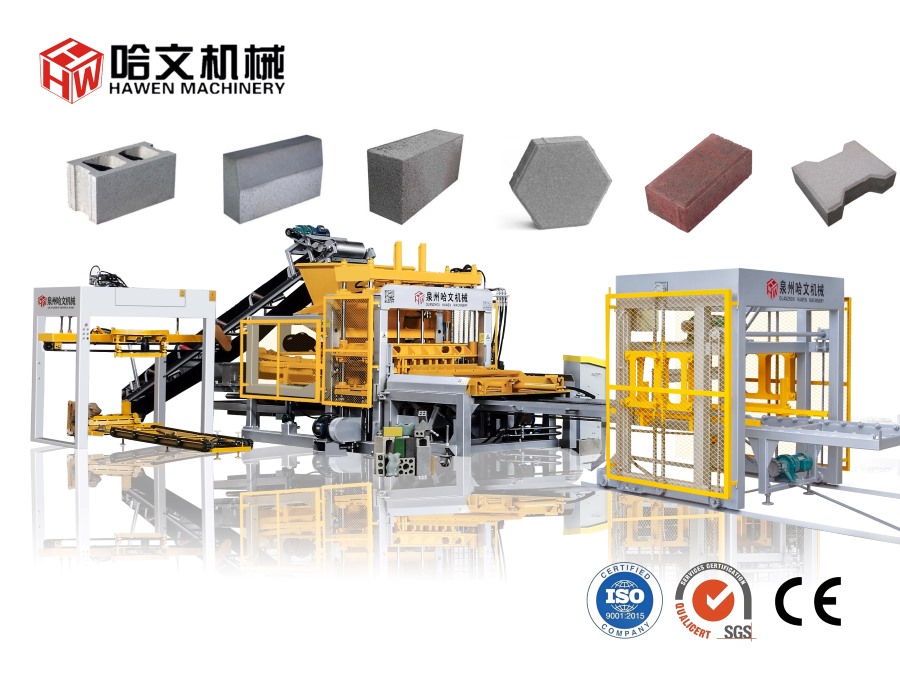
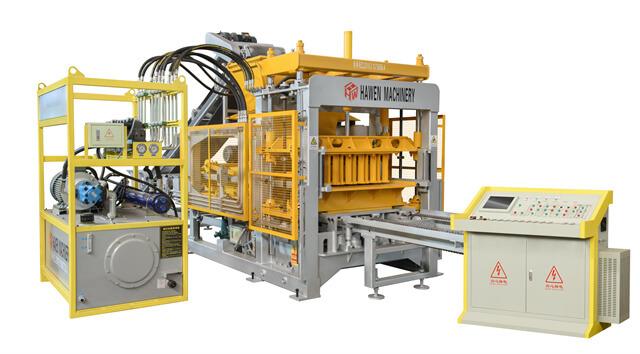
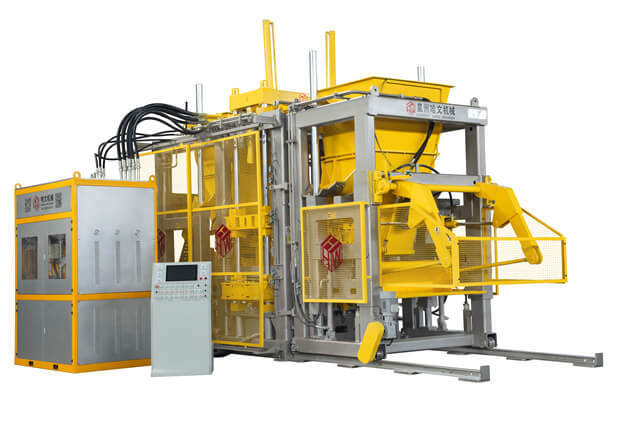
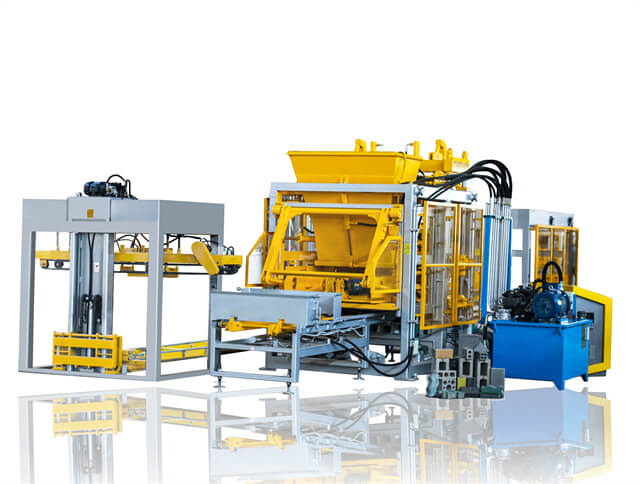
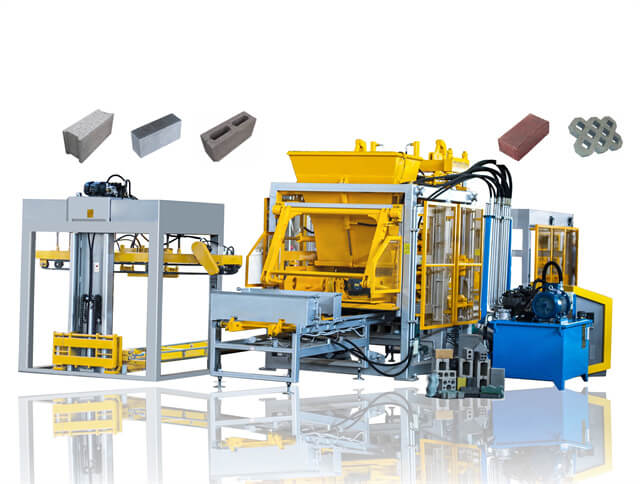
When checking a QT8 automatic concrete paver fly ash brick making machine, buyers should not review the host machine alone. The mixer model, cement silo capacity, screw conveyor angle, aggregate batching accuracy, and material transfer route should also be confirmed. The same logic applies to any QT block machine, because the forming cycle depends on a steady supply of consistent concrete.
Cement feeding, water control, and mixing time
Cement feeding should be stable and suitable for the mixer cycle. Check silo position, screw conveyor length, conveyor angle, motor power, cement scale, and dust control. If the silo is poorly placed, cement truck access and maintenance may become difficult after installation. Cement silo bridging and screw conveyor blockage are common causes of interrupted feeding, and both are easier to prevent at the layout stage than to fix later.
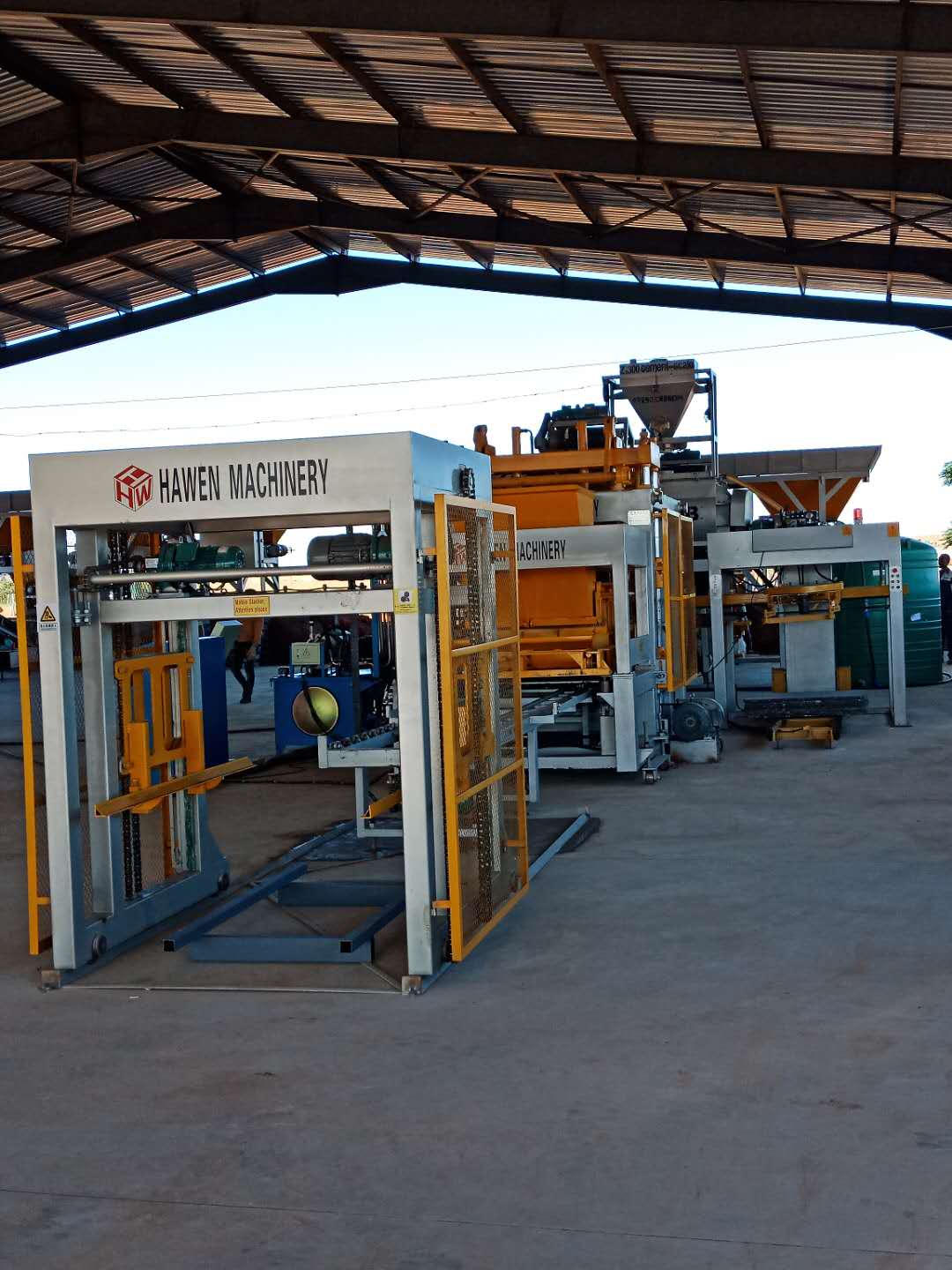
Water control is equally important. Semi-dry concrete needs careful moisture adjustment. Too much water may cause deformation after demoulding, while too little water may create rough surfaces and weak corners. Operators should adjust water according to aggregate moisture instead of relying only on a fixed setting, and should record the adjustment so the next shift can repeat it.
Mixer discharge and host machine feeding
The mixer discharge should match the host machine feeding rhythm. If material remains too long after mixing, moisture and consistency may change. If the belt conveyor angle is not suitable, material may segregate or spill. The hopper should receive material evenly so the mould can be filled without repeated manual correction.
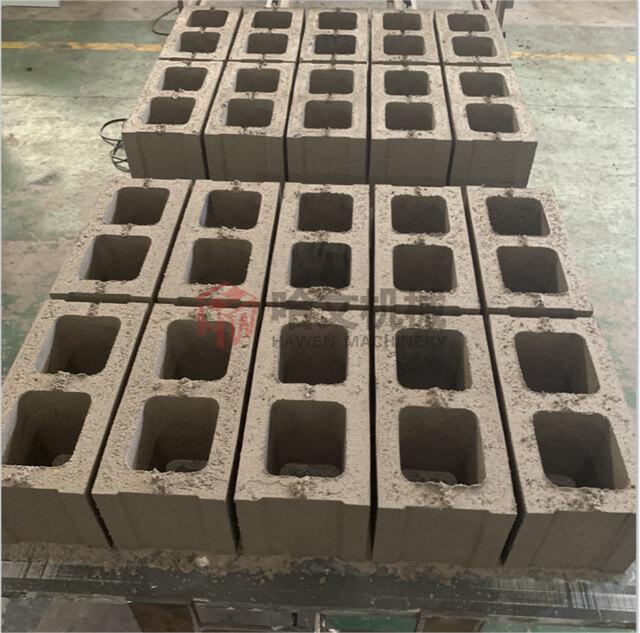
A practical installation observation is that material preparation problems often appear as block defects. Rough surfaces, broken corners, unstable height, or poor demoulding may come from batching and mixing, not only from the mould or vibration system. Buyers should review the material route before changing machine settings, and treat the mixer, silo, and conveyor as part of the quality control chain rather than as separate equipment.
Silo and mixer review table
| Review item | What to check | Buyer meaning |
|---|
| Cement silo | Capacity, foundation, truck access, screw conveyor position, and dust control. | Supports stable cement supply and easier installation. |
| Screw conveyor | Length, angle, motor power, feeding stability, and maintenance access. | Prevents slow or inconsistent cement feeding. |
| Mixer | Mixer model, blade condition, liner plates, discharge gate, and cycle time. | Improves concrete consistency and host machine feeding. |
| Water control | Water dosing method and adjustment for aggregate moisture. | Reduces demoulding defects and unstable block quality. |
Exact silo capacity, screw conveyor length and angle, mixer model, and cycle time must be confirmed against the selected host machine and site layout. Ask the supplier or engineering team to verify these values for your project instead of assuming they carry over from another plant.
FAQ
Is a cement silo necessary for every block plant?
Not every small plant requires a silo, but automatic production usually benefits from stable cement storage and feeding, especially when daily output is higher.
Can poor mixing cause block cracks?
Yes. Uneven cement distribution, wrong moisture, or poor aggregate mixing can reduce early strength and create cracks or weak corners after demoulding.
Should mixer capacity match the host machine?
Yes. If the mixer cannot supply material fast enough, the host machine waits and rated capacity cannot be used.
Conclusion
Cement silo and mixer matching should be reviewed before buying an automatic concrete block making plant. Check silo capacity, screw conveyor position, cement feeding, water control, mixer size, discharge route, and host machine feeding rhythm as one connected system. The next step is to compare the material preparation system with the selected machine capacity and product plan, and to confirm the layout details with the supplier before installation.
Planning a block plant or reviewing an existing material preparation line? Share your target block types, expected daily output, available site space, and current silo or mixer configuration so the Hawen team can help you check whether the feeding and mixing system matches your host machine. You can also review the concrete block machine catalog to compare configurations before the technical discussion.






 Tel: +86-13905968794
 Email: export@hwmachines.com
 MP/WhatsApp: +86-13905968794
 Manufacturer Address:Nanan,Quanzhou City,Fujian Province,China