How Does the Mould Affect the Quality of Concrete Blocks and Pavers?In concrete block production, many manufacturers pay close attention to the block machine, vibration system and raw material ratio. However, one important part is often underestimated: the mould.
The mould directly determines the shape, size, surface finish and dimensional accuracy of concrete blocks and paving stones. Even with a high-quality block machine, poor mould design or worn mould parts can lead to unstable product quality.
For block factories, choosing the right mould is not only about producing different block types. It also affects production efficiency, product appearance, maintenance cost and long-term profitability.
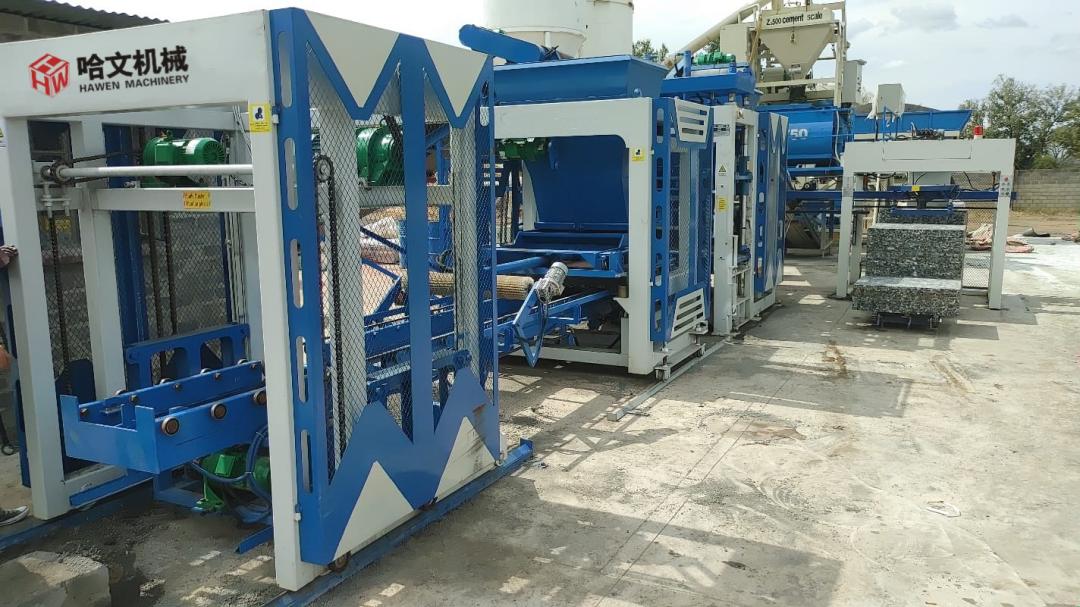
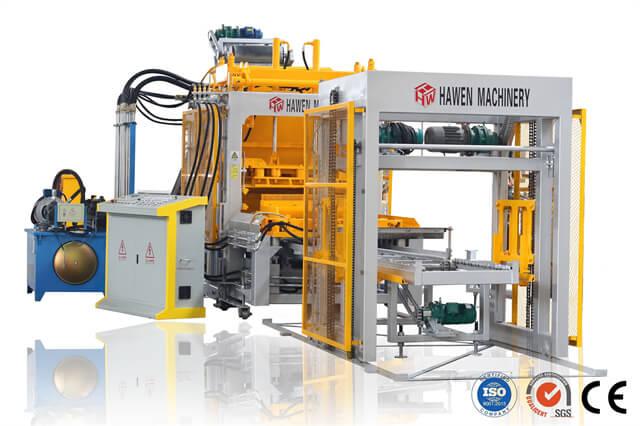
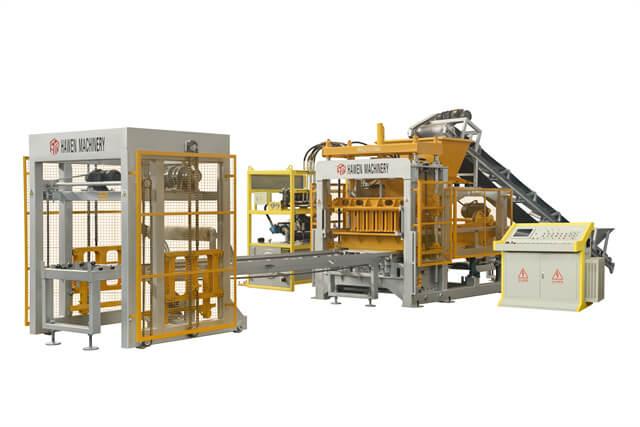
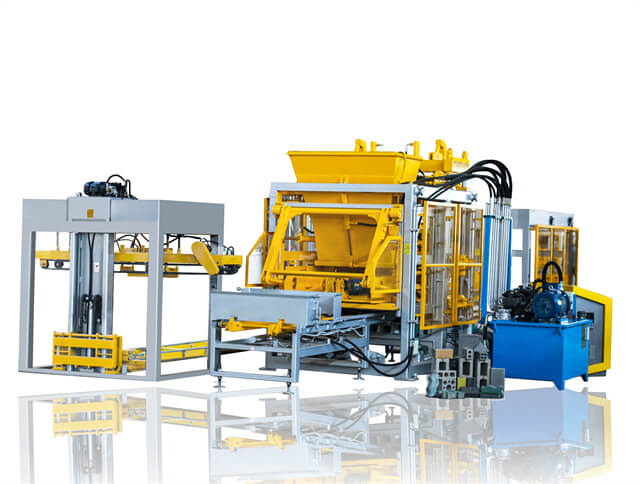
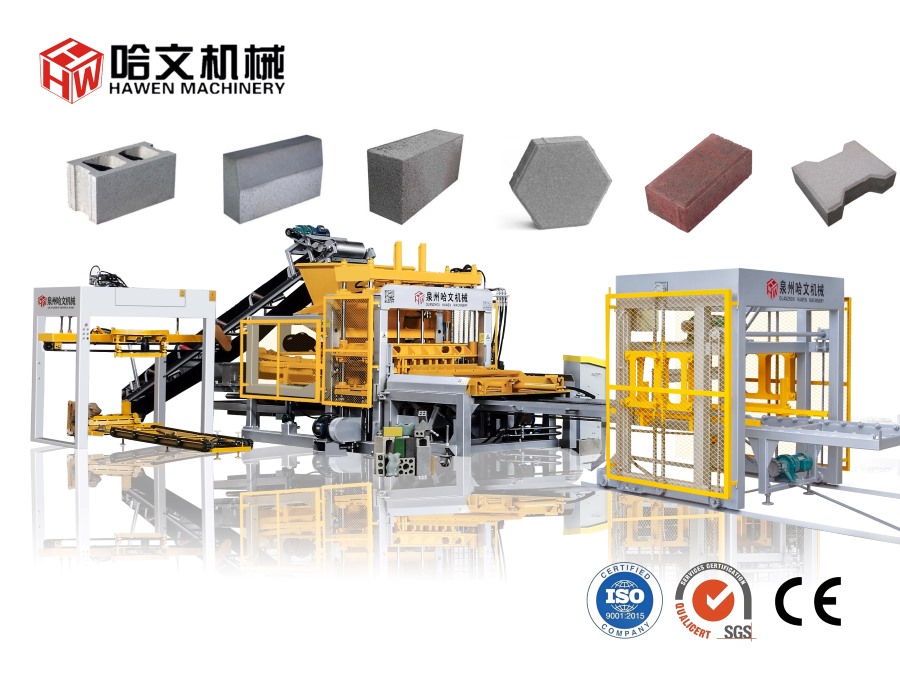
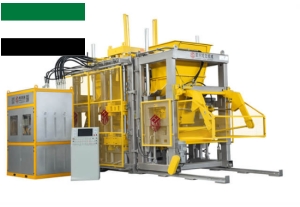
HAWEN concrete block machine equipped with mould system for producing hollow blocks, solid blocks and paving stones.
What Is a Concrete Block Mould?
A concrete block mould is the forming part of a block making machine. It shapes fresh concrete materials into hollow blocks, solid blocks, paving stones, kerbstones and other concrete products.
During production, concrete materials are fed into the mould box. Then vibration and pressure compact the materials inside the mould cavity. After demoulding, the green blocks are transferred to pallets for curing.
Different moulds can be installed on the same machine to produce different block types, depending on machine model, pallet size and production requirements.
For example, a modern concrete block machine can work with various moulds to manufacture hollow blocks, interlocking pavers, solid bricks and other customized concrete products.
Why Is Mould Quality Important?
1. Controls Block Size Accuracy
The mould cavity determines the final size of the block. If the mould is inaccurate or deformed, the finished blocks may have size differences.
Accurate block dimensions are especially important for masonry construction and paving projects, because poor size consistency can affect installation quality.
2. Improves Surface Appearance
A well-machined mould can produce blocks with cleaner edges, smoother surfaces and better overall appearance.
For paving stones and decorative blocks, mould quality has a direct influence on market value.
3. Supports Better Compaction
Good mould design allows vibration energy to transfer evenly through the concrete materials.
This helps improve density, reduce weak corners and increase product strength.
4. Reduces Production Waste
If a mould causes sticking, uneven filling or difficult demoulding, rejection rates may increase.
A durable and well-designed mould helps factories reduce broken blocks and improve production stability.
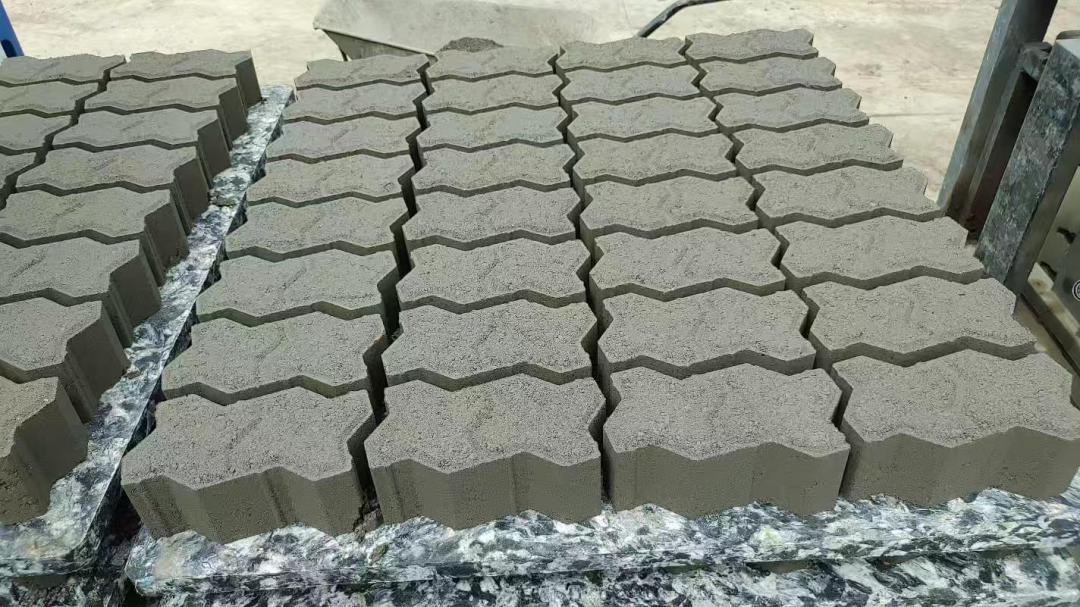
Different concrete products can be produced by changing moulds, including hollow blocks, solid blocks and paving stones.
Common Mould Materials and Heat Treatment
Concrete block moulds need to withstand strong vibration, pressure and abrasion during daily production. Therefore, mould material and processing technology are very important.
High-quality moulds are usually made from wear-resistant steel and processed by precise machining. Heat treatment is also commonly used to improve hardness and service life.
| Mould Factor | Influence on Production |
|---|
| Steel quality | Affects wear resistance and mould life |
| Machining accuracy | Affects block size and surface quality |
| Heat treatment | Improves hardness and durability |
| Welding quality | Affects mould strength and stability |
How Mould Design Affects Block Production
Mould design is not only about the external shape of the block. It also needs to consider material flow, vibration transmission, demoulding performance and product strength.
Hollow Block Moulds
Hollow block moulds require accurate core design. The core position affects wall thickness, block weight and compressive strength.
Paver Moulds
Paver moulds often require higher surface quality and accurate edges. For colored paving stones, stable mould filling is very important for appearance consistency.
Kerbstone Moulds
Kerbstone moulds usually need stronger structure because the product size and weight are larger than common blocks.
Problems Caused by Poor or Worn Moulds
When a mould is poorly designed, incorrectly processed or used for too long without maintenance, several production problems may appear:
- Block size inconsistency
- Rough surface finish
- Broken corners and damaged edges
- Difficult demoulding
- Uneven block density
- Higher rejection rate
- Shorter mould service life
In some cases, manufacturers may mistakenly think the problem comes from the block machine, but the real reason is mould wear or improper mould design.
| Mould Problem | Possible Result |
|---|
| Worn mould cavity | Oversized or irregular blocks |
| Poor core alignment | Uneven wall thickness |
| Rough mould surface | Difficult demoulding |
| Weak mould structure | Deformation during production |
Mould Maintenance Tips for Block Factories
Proper mould maintenance can extend service life and keep production quality stable.
- Clean the mould after production
- Remove concrete residue from mould cavities and cores
- Check bolts and connection parts regularly
- Inspect mould wear and deformation
- Avoid strong impact during mould replacement
- Store unused moulds in a dry place
- Use suitable release methods when necessary
For factories producing many different products, it is also important to choose moulds that match the machine model, pallet size and vibration system.
Conclusion
The mould is one of the most important parts of a concrete block production line.
It directly affects block size, appearance, strength, demoulding performance and production efficiency. A high-quality mould can help manufacturers produce more stable products and reduce waste during daily operation.
When choosing a concrete block machine, factories should not only compare machine capacity and automation level, but also pay attention to mould design, material quality and after-sales support.
With the right machine and mould combination, block manufacturers can produce a wide range of concrete products with stable quality and better market competitiveness.
FAQ
Can one block machine produce different types of blocks?
Yes. Many block machines can produce different blocks by changing moulds, such as hollow blocks, solid blocks, pavers and kerbstones.
How long can a concrete block mould be used?
The service life depends on mould material, heat treatment, production frequency, raw materials and maintenance conditions.
Why do blocks have broken corners after demoulding?
Possible reasons include improper material ratio, insufficient vibration, poor demoulding performance or mould wear.
Does mould quality affect block strength?
Yes. Mould design affects material filling, compaction and density, which are closely related to block strength.
Can customized block moulds be made?
Yes. Customized moulds can be designed according to product size, shape, local market requirements and machine specifications.





 Tel: +86-13905968794
 Email: export@hwmachines.com
 MP/WhatsApp: +86-13905968794
 Manufacturer Address:Nanan,Quanzhou City,Fujian Province,China