How Does Raw Material Batching Affect Concrete Paver Quality?
Author:HAWEN Block MachineFROM:Brick Production Machine ManufacturerTIME:2026-07-22
MENU
Concrete Paver Production Guide
How Does Raw Material Batching Affect Concrete Paver Quality?
In concrete paver production, stable product quality starts before vibration and pressing. Accurate raw material batching directly affects paver density, surface finish, corner strength, demolding performance, and long-term durability.
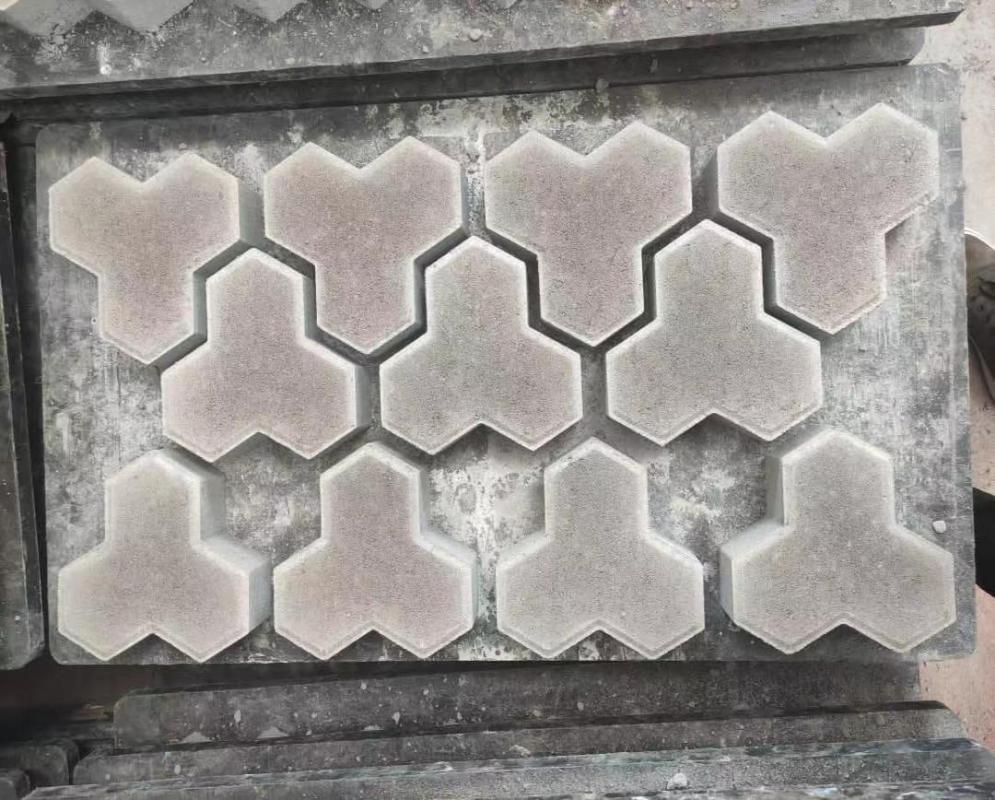
Fresh interlocking pavers produced by a concrete block making machine.
Why Batching Matters in Concrete Paver Production
Many buyers first focus on the block machine model, hydraulic pressure, vibration table, or mold design. These are important, but the quality of a concrete paver actually starts from raw material batching.
A stable concrete mix helps the machine fill the mold evenly, compact the material efficiently, and demold pavers with clean edges. If batching is inaccurate, even a high-performance concrete block making machine may produce pavers with color difference, weak corners, rough surfaces, or unstable height.
Stable StrengthAccurate batching helps maintain a consistent cement-to-aggregate ratio.
Better SurfaceProper material proportion improves mold filling and surface compactness.
Lower WasteRepeatable formulas reduce rejected products and unnecessary cement use.
What Materials Are Used for Concrete Pavers?
Concrete pavers are usually made from cement, sand, stone powder, fine aggregate, coarse aggregate, water, and sometimes pigment or additives. Different factories may use different raw material sources, such as river sand, crushed sand, quarry dust, or local gravel.
A good paver mix needs to balance several goals:
Enough cement paste to bond the aggregates.
Suitable aggregate grading for a compact structure.
Controlled moisture for good mold filling and immediate demolding.
Stable material flow for continuous automatic production.
Surface quality that matches local market requirements.
How Does Aggregate Gradation Affect Paver Density?
Aggregate gradation means the size distribution of sand, stone powder, and gravel in the mix. Good gradation allows smaller particles to fill the gaps between larger particles. This improves density and reduces voids inside the paver.
If the aggregate is too coarse, the paver may have a rough surface and chipped edges. If the material is too fine, the mix may require more cement and water, increasing cost and reducing production stability.
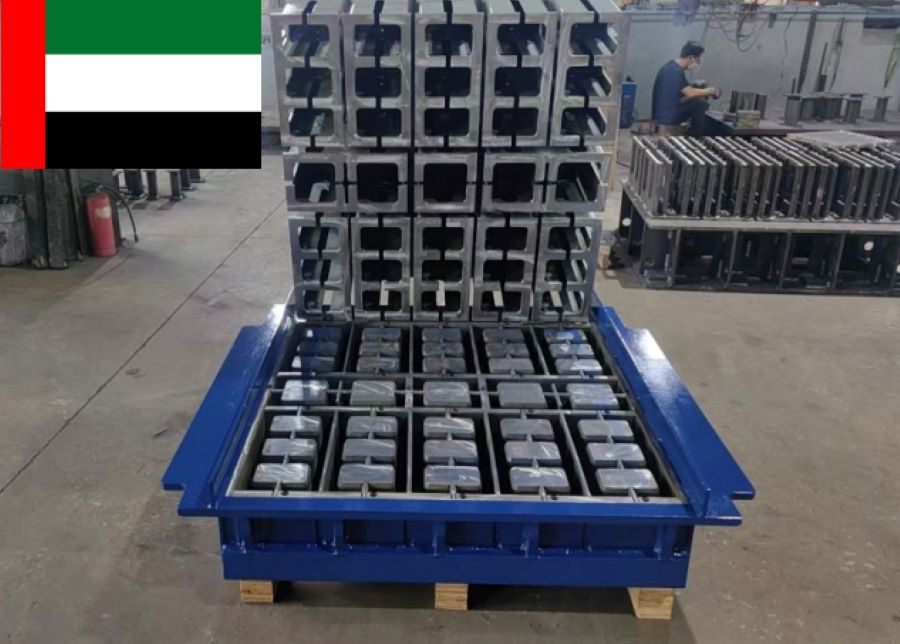
For interlocking pavers and special-shaped paving blocks, proper gradation is especially important. A well-designed concrete block mould can perform well only when the material can flow and compact evenly inside the mold cavity.
Why Is Moisture Control Critical?
Concrete pavers made by a block machine normally use a semi-dry concrete mix. This mix is not fluid like ready-mix concrete. It must be dry enough to demold immediately, but wet enough to compact tightly under vibration and pressure.
For many production problems, the first thing to check is not the machine parameter, but the moisture condition of sand and aggregate.
If the mix is too dry, common problems include rough surface, weak corners, poor green strength, uneven compaction, and breakage during transfer.
If the mix is too wet, factories may see mold sticking, deformation after demolding, height variation, surface marks, and unstable curing performance.
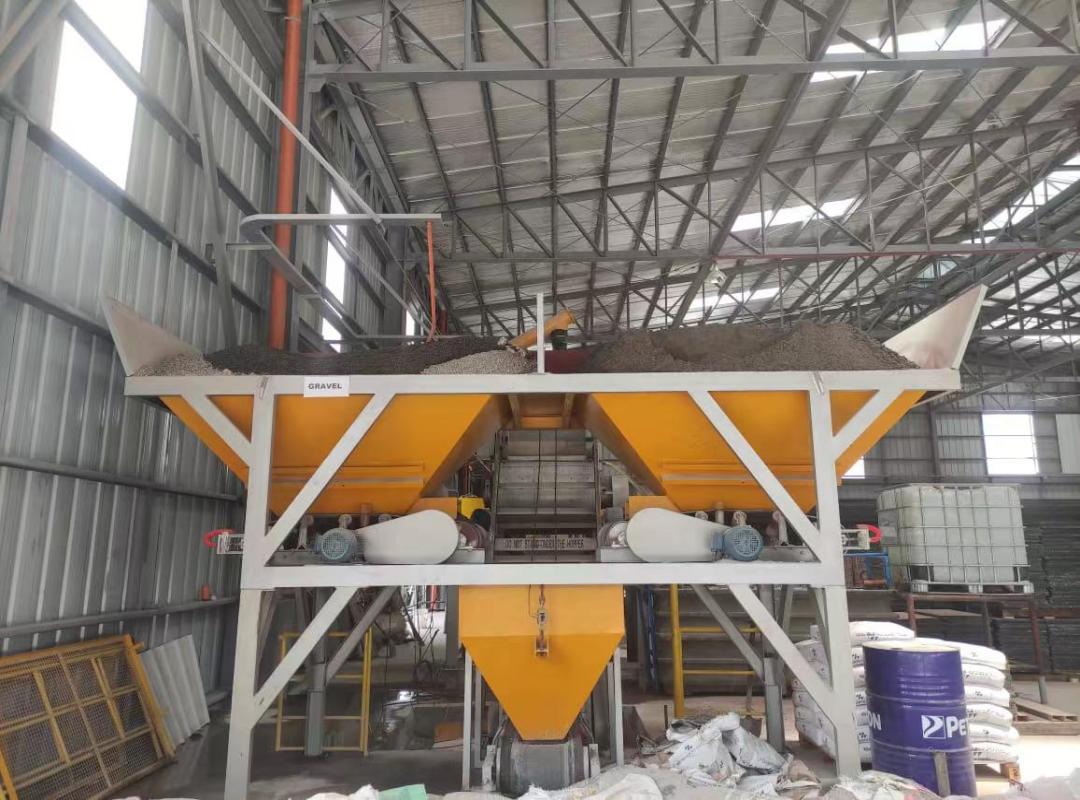
Aggregate batching system helps improve formula accuracy and production repeatability.
How Does a Batching Machine Improve Accuracy?
The batching machine measures aggregates according to the formula set by the operator. Compared with manual loading, automatic batching improves repeatability and reduces variation between production cycles.
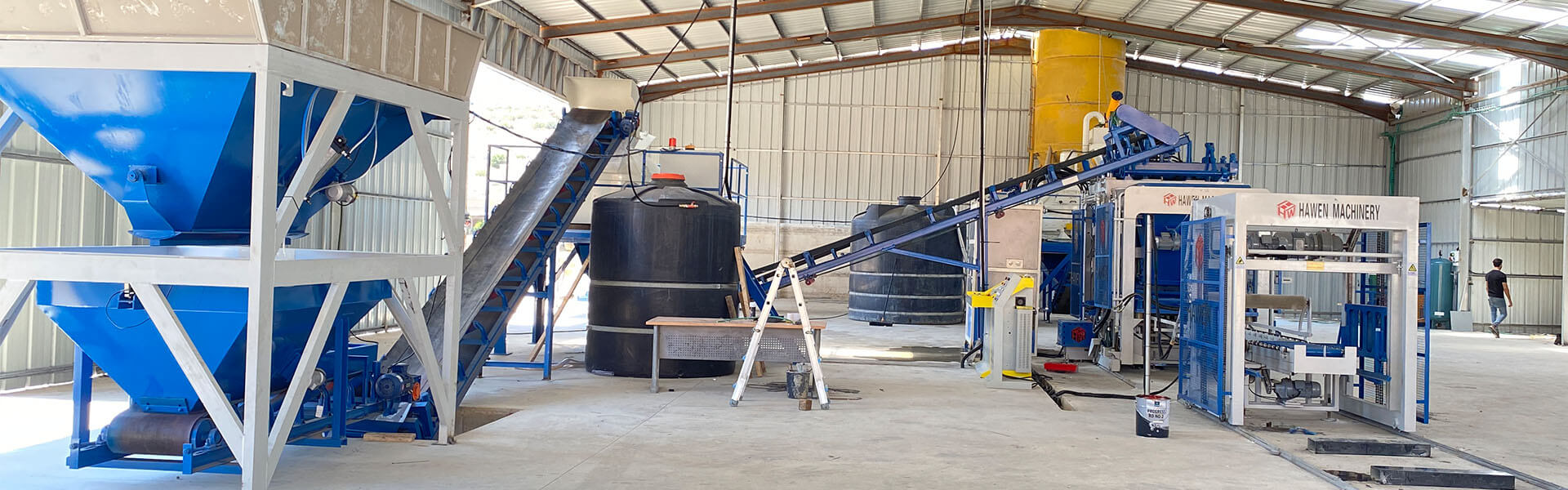
In a complete block production line, the batching machine usually works with the concrete mixer, conveyor, cement silo, and main forming machine. If batching is unstable, the mixer cannot produce a consistent mixture. If the mix is unstable, the block machine cannot maintain stable forming quality.
Unstable batching often creates quality issues that appear later on the production pallet. Operators may think the problem comes from the mold, vibration motor, hydraulic pressure, or pallet condition, but the root cause may be material inconsistency.
Different paver colors in the same production batch.
Some pavers are dense while others are loose.
Irregular height after demolding.
Broken corners during stacking or transfer.
Surface texture changes from cycle to cycle.
Cement consumption increases without clear strength improvement.
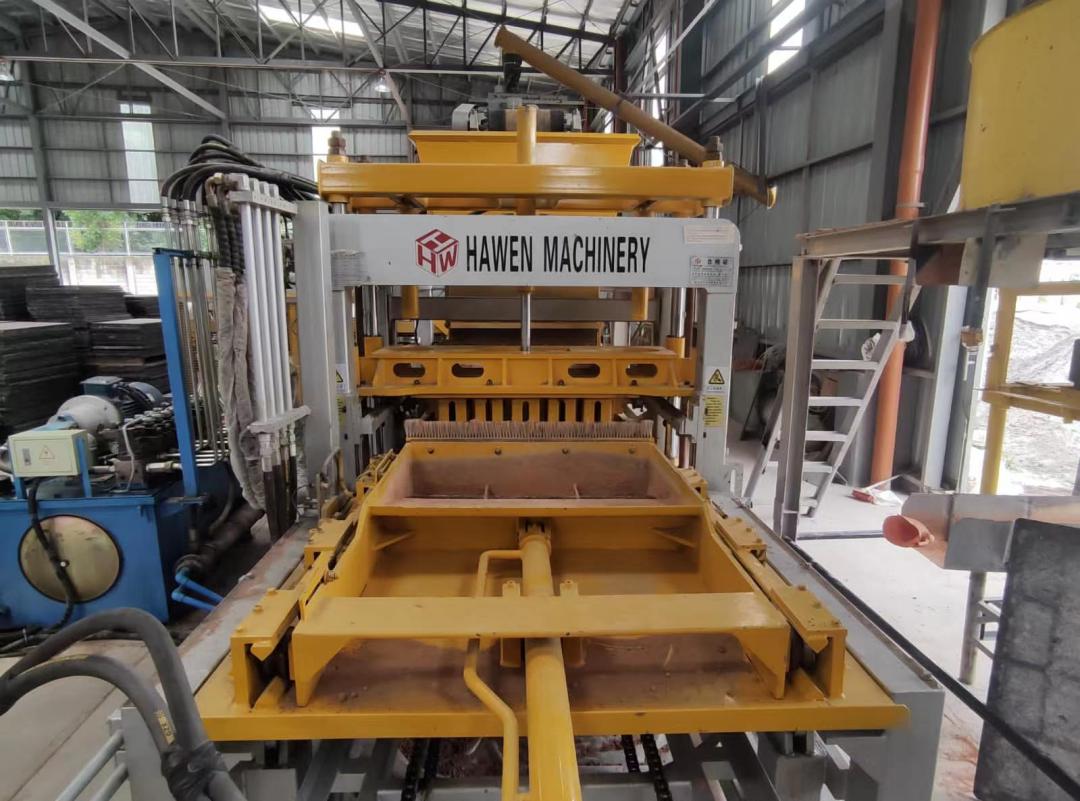
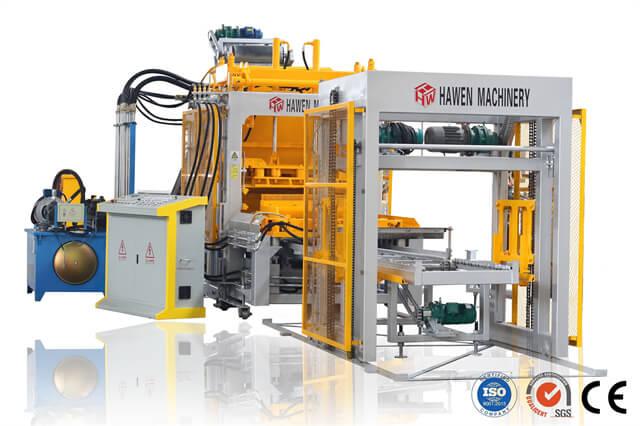
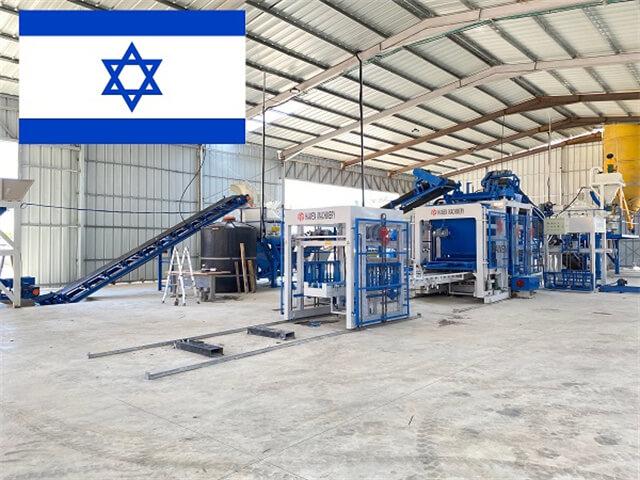
HAWEN concrete block making machine installed in a customer production site.
How Do Mold and Vibration Work Together with Batching?
Batching, mold design, and vibration are connected. The mold defines the shape of the paver, and the vibration system compacts the concrete. But both depend on the mix being suitable.
For example, a paver mold with complex interlocking edges needs material that can fill narrow areas quickly. If the mix is too dry or poorly graded, vibration may not fully compact the edges. If the mix is too wet, the paver may lose shape after demolding.
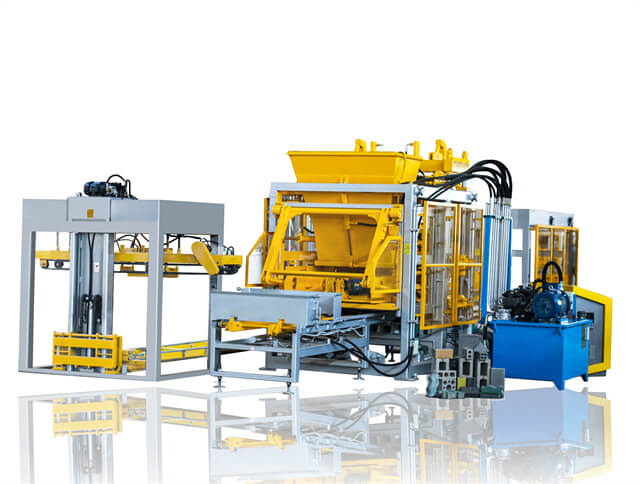
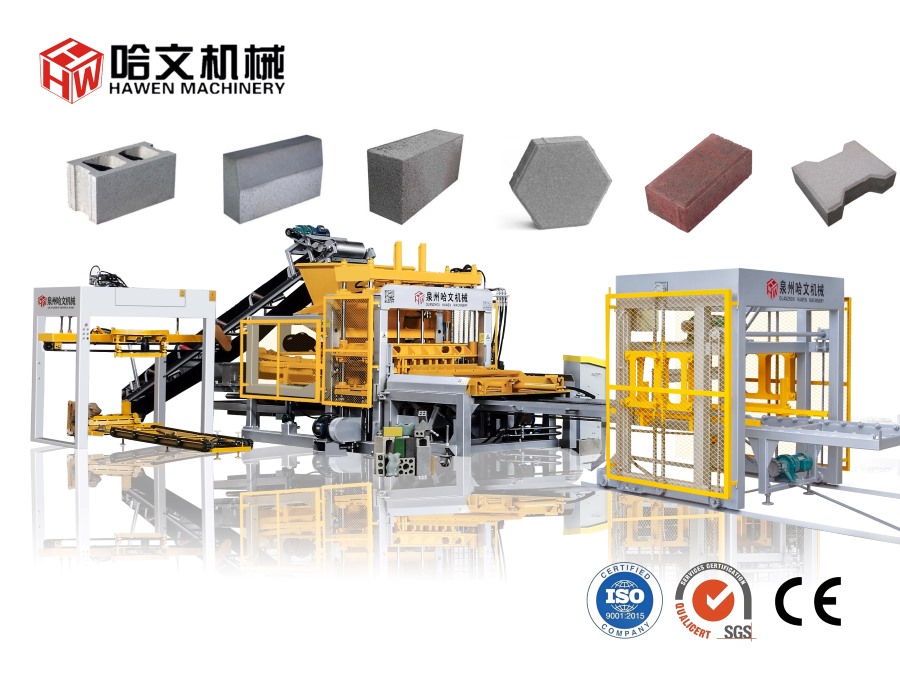
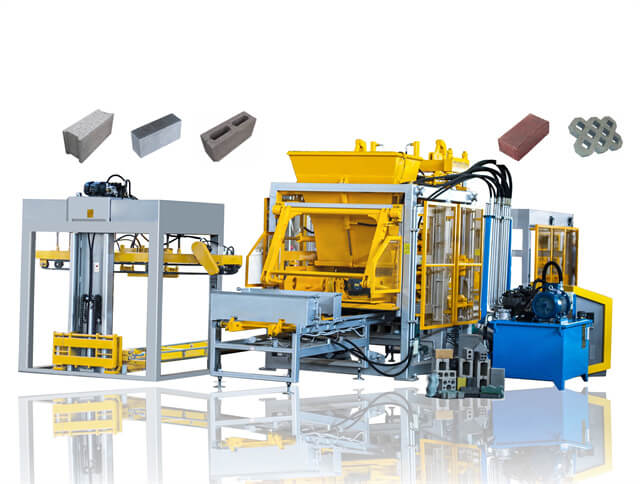
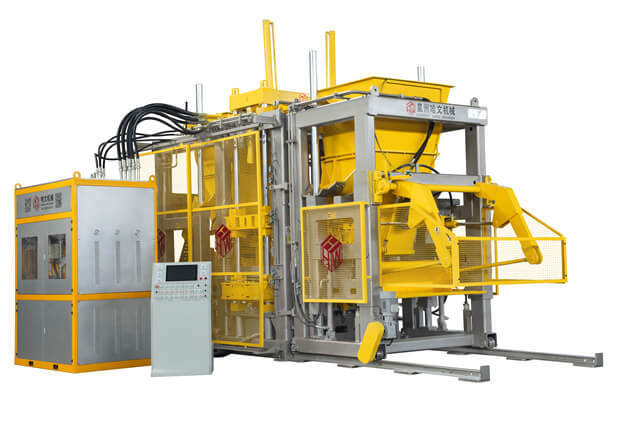
A reliable automatic concrete block making machine uses coordinated vibration, hydraulic pressure, feeding, and demolding actions to improve product consistency. However, stable batching remains the foundation.
What Are Practical Tips for Better Paver Production?
To improve paver quality, a factory should build a clear raw material control system instead of relying only on operator experience.
Test sand and aggregate moisture regularly.
Keep aggregate stockpiles separated by size.
Avoid mixing wet and dry materials randomly.
Calibrate the batching machine periodically.
Keep a stable mixing time for each formula.
Record formula changes and production results.
Check paver surface, height, and green strength every shift.
Adjust water content gradually instead of making sudden large changes.
FAQ
Does better batching reduce cement consumption?
Yes. Accurate batching and good aggregate gradation can improve compactness and reduce unnecessary cement waste. However, cement ratio should not be reduced blindly. Strength testing is still necessary.
Can one block machine produce different paver shapes?
Yes. By changing molds, one machine can produce interlocking pavers, hollow blocks, solid blocks, curbstones, and other concrete products. The machine model and pallet size should match the target products.
Why do concrete pavers have weak corners?
Weak corners may come from dry material, poor aggregate grading, insufficient vibration, mold wear, uneven feeding, or early handling before enough green strength is achieved.
Is automatic batching necessary for a small factory?
For small production, manual batching may be possible. But when the factory needs stable quality, higher output, and lower labor dependence, automatic batching becomes very important.
How can I choose the right concrete block making machine?
The right machine depends on product type, daily capacity, automation level, land area, labor cost, budget, and local raw materials. Visit HAWEN’s concrete block making machine page to explore related solutions.
Conclusion
Concrete paver quality is not determined by one single machine parameter. It is the result of stable batching, proper mixing, suitable moisture, accurate mold design, effective vibration, and good curing management.
For investors and block factories, understanding batching is the first step toward producing stronger, more consistent, and more competitive concrete pavers. HAWEN can provide complete solutions including batching system, mixer, block machine, mold, pallet system, curing design, and after-sales support.





 Tel: +86-13905968794
 Email: export@hwmachines.com
 MP/WhatsApp: +86-13905968794
 Manufacturer Address:Nanan,Quanzhou City,Fujian Province,China