Bottom marks and pallet lines on concrete blocks are easy to overlook until customers complain. The top surface may look acceptable, but the bottom face shows grooves, stains, uneven texture, or pressure lines. For hollow blocks, bottom defects can affect seating and appearance. For pavers and architectural products, they can reduce customer confidence. A professional block machine plant should control bottom quality as part of the whole forming process.
Bottom marks are usually not caused by one factor. They can come from dirty pallets, bent pallets, excessive moisture, poor compaction, mold wear, harsh demoulding, or early handling. This article gives practical solutions for factories using automatic block making machine lines.
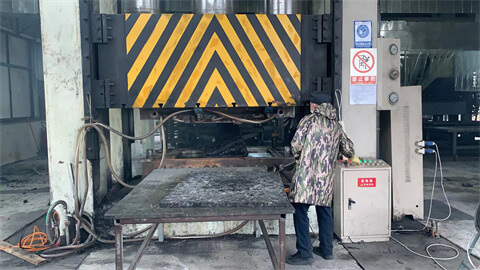
What bottom marks mean
Bottom marks show that the fresh product did not sit on a stable, clean, and compatible surface during forming and early curing. The mark may copy the pallet surface. It may also appear because the mix was too wet and pressed into small surface defects. In some cases, vibration movement creates fine lines when the pallet or mold does not support the product evenly.
Operators should describe the defect before changing settings. Straight lines often point to pallet surface or pallet movement. Random rough marks may point to old concrete buildup. Soft bottom deformation may point to high moisture or weak early strength. Chipped bottom edges can point to demoulding or handling shock.
Pallet flatness and cleanliness
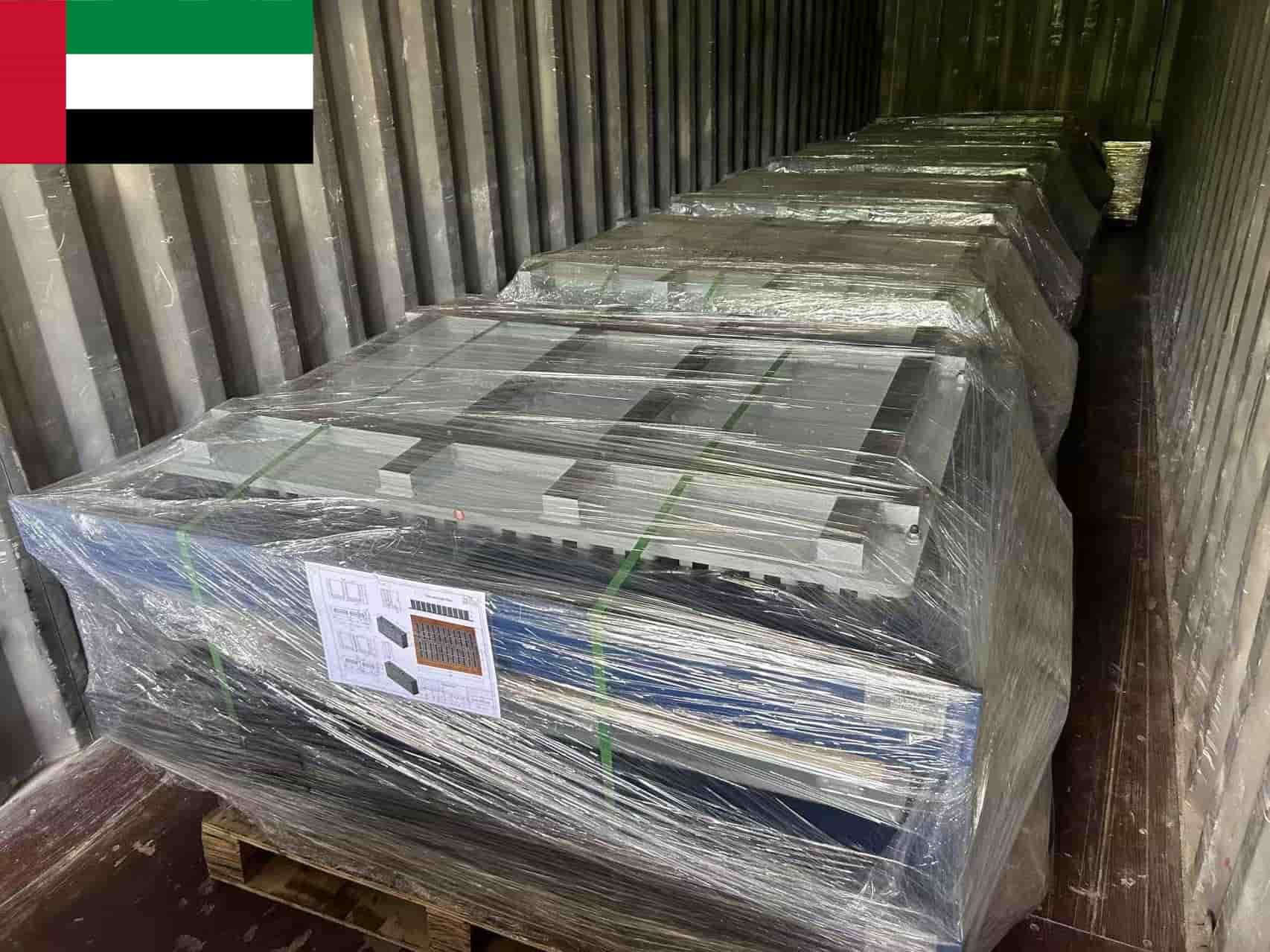
The pallet is the bottom mold of the product. A flat GMT pallet helps support fresh blocks evenly. If the pallet is warped, cracked, stained, or covered with hardened concrete, the fresh mix will copy those defects. Pallet inspection should be a normal production routine, not an occasional repair task.
Cleaning is equally important. Fine cement paste can build up on the pallet surface. If it hardens, it creates local high points. Those high points may cause lines, pressure marks, or corner damage. Factories should define a cleaning method that removes buildup without damaging the pallet surface.
Pallet storage also matters. Pallets should be stacked correctly and kept away from conditions that cause bending or contamination. A good pallet can still create defects if it is stored badly or mixed with damaged pallets.
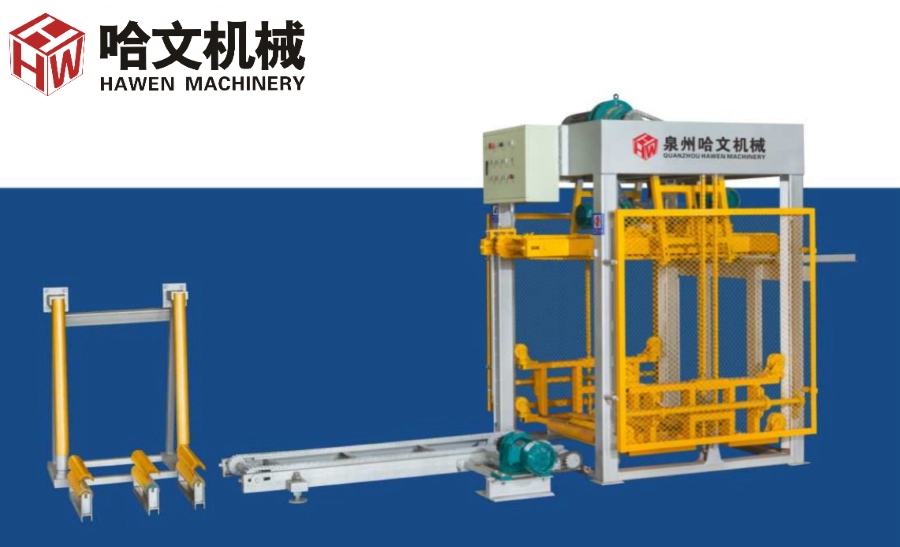
Mix, vibration, and demoulding
Moisture has a direct effect on bottom quality. A mix that is too wet can press into pallet texture and hold marks. A mix that is too dry may not compact fully against the pallet, creating rough bottom surfaces. The concrete mixer and batching machine should produce repeatable material before the operator changes machine settings.
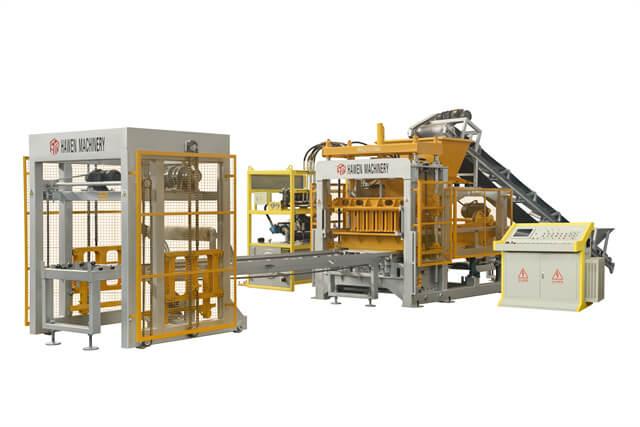
Vibration must compact the mix without causing movement between product and pallet. Hawen Machinery uses a four-shaft vibration box with external eccentric blocks. This design reduces vibration resistance and supports uniform compaction. When the pallet is flat and the mix is correct, the brick machine can form a tighter bottom face with fewer lines.
Demoulding should be smooth. Harsh movement can drag the product, chip lower edges, or disturb the bottom surface. Hawen block machines use a hydraulic station with Japanese YUKEN proportional and directional valves and an American ALBERT hydraulic pump, supporting controlled movement during pressing and demoulding.
Mold and product design
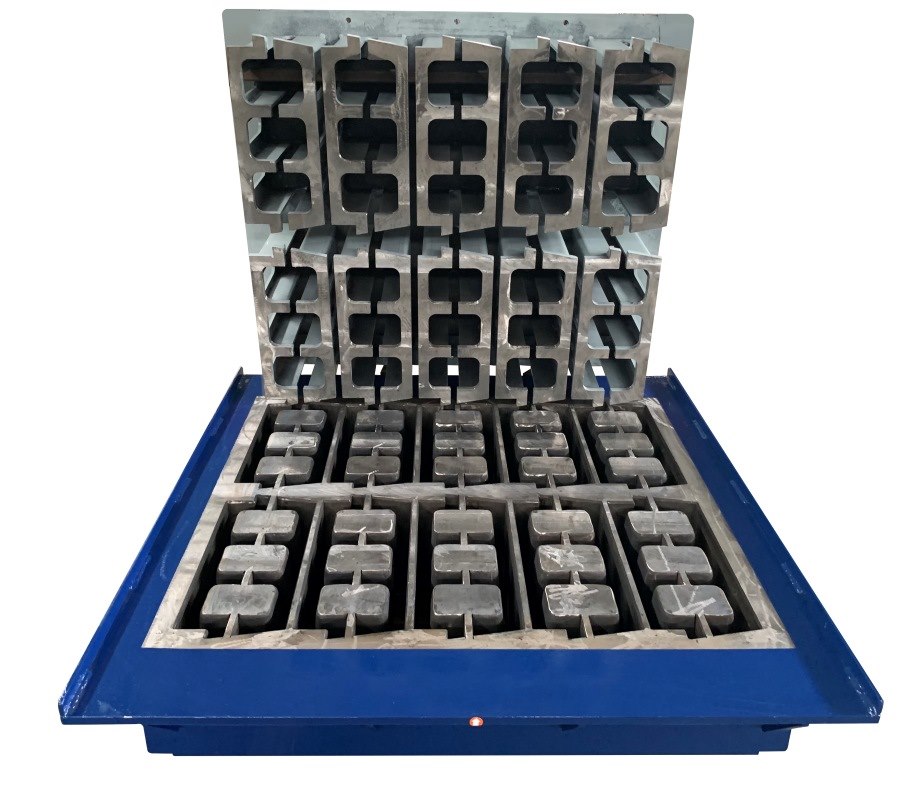
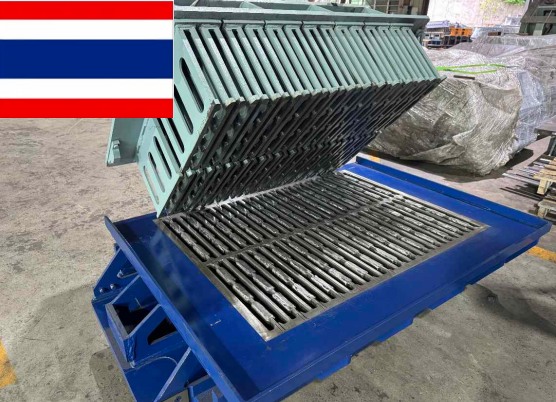
The mold and pallet must work as a matched pair. A worn hollow block mould may create uneven lower edges. An interlocking paver mould with small detail areas may need tighter moisture and cleaner pallet support. A concrete block mould should be inspected for wear, alignment, and correct contact with the tamper head.
Hawen Machinery designs molds compatible with Masa, Hess, Zenith, Poyatos, Besser, Tiger, Columbia, Quadra, Omag, and other recognized block machine platforms. The molds are built according to original specifications, heat-treated for wear resistance, and checked at HRC59-61 hardness. This helps maintain dimensional accuracy and clean edge formation over long production runs.
Handling and curing
Bottom marks can become worse after the product leaves the machine. If green blocks are moved too early, the bottom surface may deform. If pallets are stacked unevenly, weight can concentrate on lower products. If curing areas are dirty or wet, stains and surface differences may appear.
The automatic offline palletizing system can reduce random manual impact after curing. However, automation should be matched with product maturity. If blocks are still too weak, even a careful palletizer may leave damage.
Electrical and control consistency also helps. Hawen Machinery integrates a SIEMENS S7-200 PLC with a touch panel and remote monitoring function. This allows production status to be observed and parameters to be reviewed when bottom defects repeat.
Hawen Machinery practical solution
When bottom marks appear, Hawen Machinery recommends checking the process in order: pallet surface, pallet flatness, mix moisture, vibration setting, mold wear, demoulding movement, and curing handling. This avoids random adjustment and helps the plant find the real cause faster.
A clean bottom surface is a sign of process maturity. It tells the buyer that the plant controls not only the visible face, but also the hidden contact points where quality is often lost. When pallets, molds, mixing, vibration, and handling all support one another, the brick making machine produces blocks that look professional from every side.
FAQ
Why do my blocks show straight lines on the bottom?
Straight lines often come from pallet surface marks, pallet joints, contamination, or movement during vibration.
Can wet mix cause bottom marks?
Yes. A wet mix can copy pallet texture and deform more easily during early handling.
How often should pallets be checked?
They should be checked as a routine production task. Remove bent, cracked, dirty, or badly worn pallets immediately.
Do bottom marks affect strength?
Some marks are cosmetic, but marks caused by poor compaction, deformation, or cracks may indicate a deeper quality problem.
Can mold wear create bottom defects?
Yes. Worn lower edges or poor alignment can create rough bottoms, chipped edges, and unstable dimensions.
How can Hawen help solve repeated bottom marks?
Hawen can review pallet condition, mold fit, mix moisture, vibration parameters, hydraulic movement, and handling flow to locate the cause.





 Tel: +86-13905968794
 Email: export@hwmachines.com
 MP/WhatsApp: +86-13905968794
 Manufacturer Address:Nanan,Quanzhou City,Fujian Province,China