Many block factories start with a small or semi-manual machine. It is a practical beginning, but rising orders eventually expose the limits: unstable output, high labor dependence, uneven quality, slow pallet handling, and difficult curing management. Upgrading to an automatic block machine line can improve consistency, but the upgrade should be planned in stages. Buying a larger machine without preparing materials, pallets, curing space, and operators can create a new bottleneck.
This guide explains how to move from manual block making to an automatic brick making machine line with less disruption and clearer investment logic.
Why factories upgrade
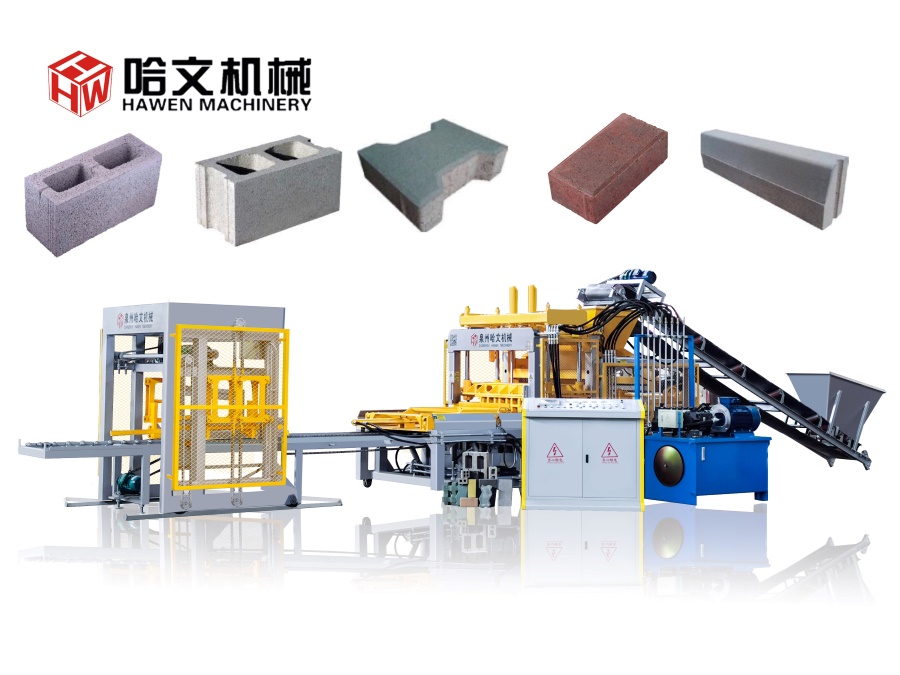
Factories usually upgrade for three reasons: higher demand, stricter quality requirements, and rising labor cost. Manual production can work for small local orders, but it becomes difficult when customers ask for consistent height, cleaner edges, and reliable delivery schedules. An automatic brick machine helps standardize feeding, vibration, demoulding, pallet movement, and production rhythm.
Automation also improves management visibility. Instead of relying only on operator experience, the plant can control cycle time, batch flow, pallet supply, and machine status more systematically. The result is not only more blocks. It is a plant that becomes easier to supervise.
Audit the current plant
Before choosing a new machine, audit the existing factory. Check available land, power supply, water supply, aggregate storage, cement storage, curing area, pallet quantity, forklift route, and product demand. This prevents a common mistake: selecting a machine based on output while ignoring the support system needed to reach that output.
The raw material section is often the first limitation. An automatic line needs stable feeding from the batching machine, reliable cement discharge, and a mixer that can keep pace with the forming machine. If the old plant still loads materials manually with poor accuracy, the new block making machine will not show its real value.
Product strategy also matters. A factory producing mainly hollow blocks may choose a different configuration from a factory producing interlocking pavers and kerbstones. Mold plan, pallet type, and curing space should follow the actual sales plan.
Choose the right upgrade stage
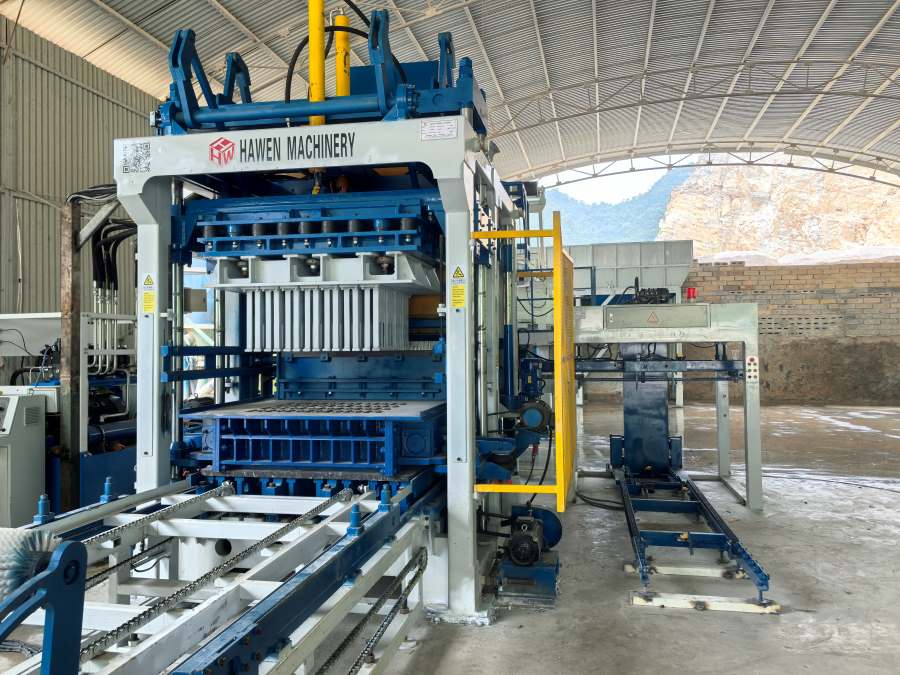
Not every factory needs the largest line immediately. A staged upgrade can be more practical. Some customers first improve mixing and batching. Others upgrade the main machine and keep simpler downstream handling. Larger plants may add automatic pallet supply, curing transfer, and palletizing at the same time.
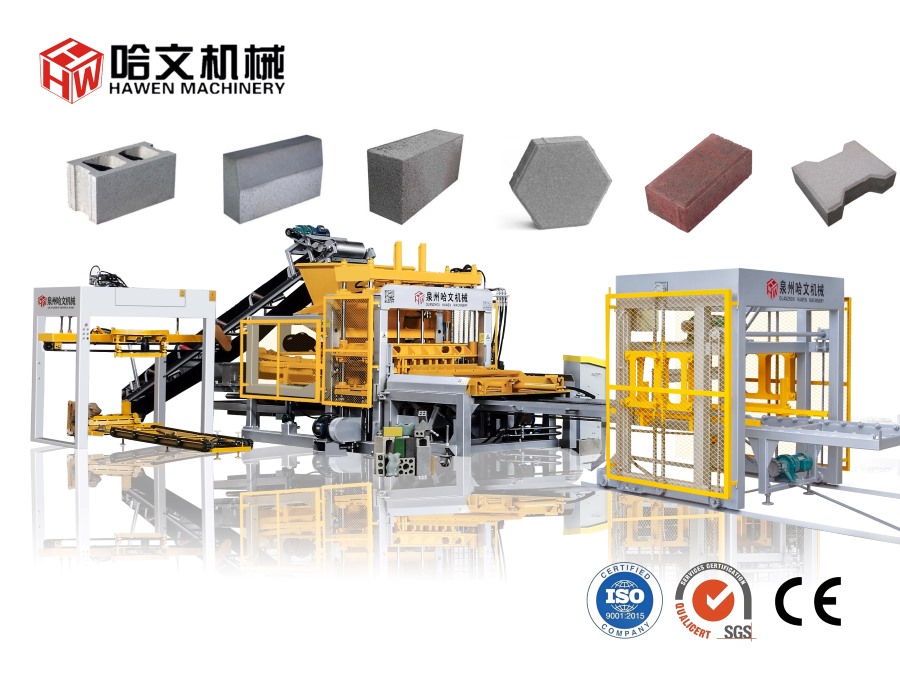
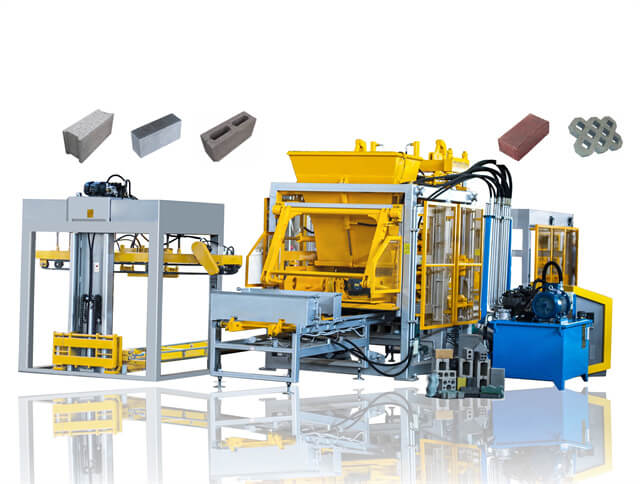
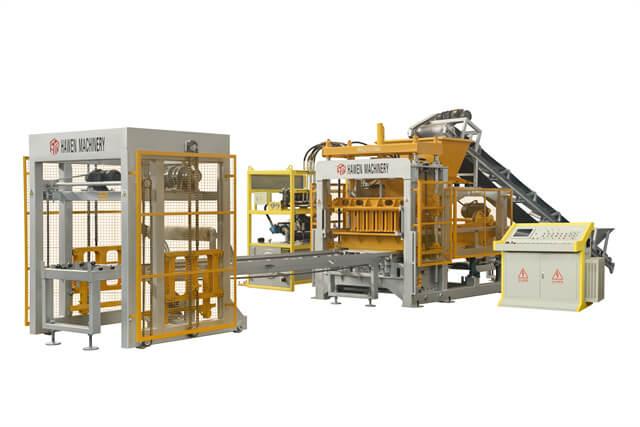
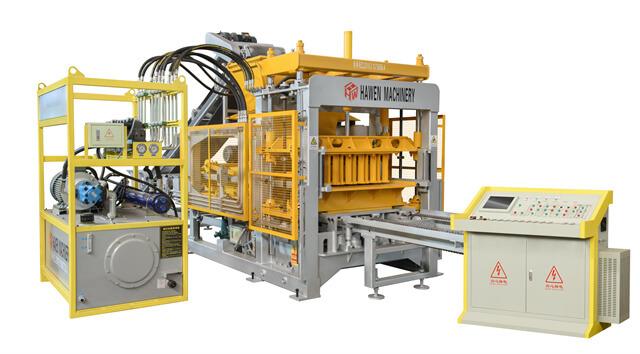
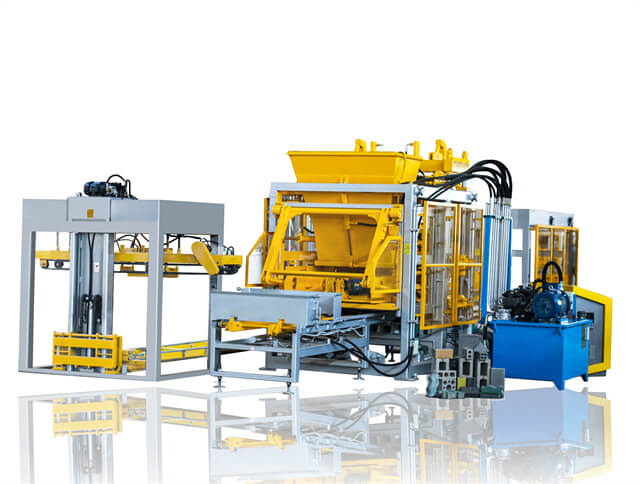
A block making machine with stable vibration and hydraulic control can deliver a clear improvement over manual forming. A higher-capacity automatic concrete paver block machine may be suitable when the factory already has strong demand, good material supply, and enough curing area.
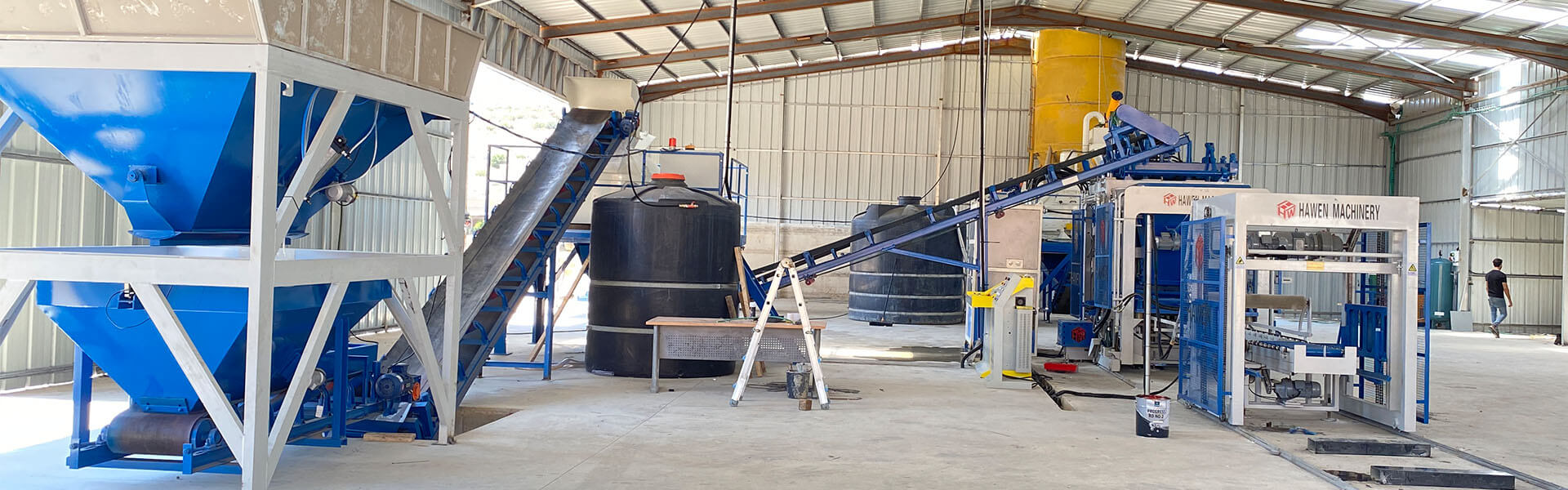
The mixer should be selected together with the machine. A concrete mixer that is too small will make the machine wait. A cement silo that is poorly arranged will slow batching. Automation works only when the whole line shares the same rhythm.
Automation bottlenecks to avoid
The most common bottleneck is pallet flow. Automatic production needs enough clean, flat pallets. A GMT pallet can support stable product forming and reduce deformation risks. If the plant does not have enough pallets, the machine may stop even when all other equipment is ready.
Another bottleneck is curing space. More output requires more organized curing. If products are moved too often or stacked too early, damage increases. The factory should plan curing racks, forklift routes, and finished product areas before the machine arrives.
Downstream handling should not be forgotten. An automatic pallet provider helps keep pallet supply steady, while an automatic palletizing system can reduce manual stacking pressure after curing. These upgrades may be added at the beginning or reserved for the second stage, depending on budget and production target.
Training and production changeover
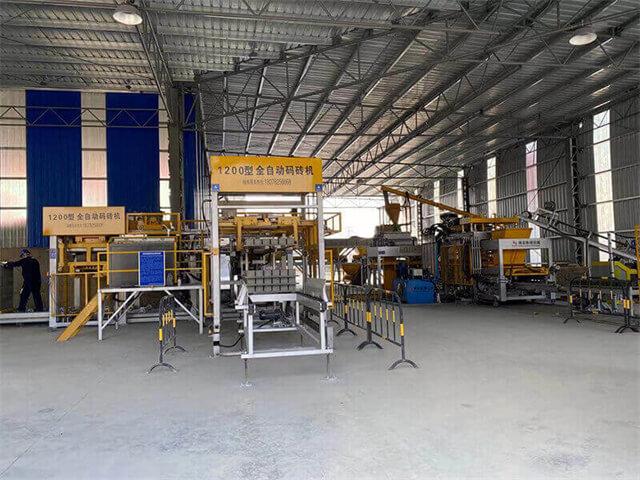
Automation changes the operator role. Instead of only moving material or blocks, operators must understand batching, moisture, mold changeover, control panel operation, sensor checks, and daily maintenance. Training should begin before full production. A short trial period with common products is better than switching all orders to the new line immediately.
Molds should be prepared according to market demand. A hollow block mould may be used for daily volume, while an interlocking paver mould can open a higher-value product range. Mold changeover should be scheduled, not improvised during busy production.
Hawen Machinery upgrade path
Hawen Machinery can help customers compare upgrade stages based on land, power, labor, target products, and budget. The recommended solution may include batching, mixing, forming, pallet supply, curing flow, and palletizing. The aim is to create a line that customers can run every day, not only a machine with attractive specifications.
Hawen block machines use a hydraulic station with Japanese YUKEN proportional and directional valve components and an American ALBERT hydraulic pump. The control system integrates a SIEMENS S7-200 PLC, a touch panel, and remote monitoring functions. These features support stable operation, easier adjustment, and faster support when production parameters need review.
Upgrading from manual production is a turning point for a factory. Done carelessly, it only adds complexity. Done with a clear process plan, it turns a local workshop into a dependable production system where quality, output, and customer confidence grow together.
FAQ
Should I upgrade directly to a fully automatic line?
Only if raw materials, power, pallets, curing space, and demand can support it. Some factories benefit from a staged upgrade.
What is the first bottleneck after upgrading?
Pallet supply, curing space, and material batching are common bottlenecks. They should be checked before selecting the machine.
Can old molds be used on a new machine?
Sometimes, but fixing points, mold height, tamper head, and pallet size must be checked carefully.
How long should operators train before full production?
Training should cover control operation, moisture adjustment, mold changeover, cleaning, daily inspection, and emergency stops before regular orders are moved to the new line.
Does automation reduce labor completely?
No. It reduces repetitive manual work and improves consistency, but trained operators and maintenance staff remain essential.
Can Hawen Machinery design a phased upgrade?
Yes. Hawen can recommend a practical upgrade path from machine selection to mixing, pallet supply, curing, and palletizing.






 Tel: +86-13905968794
 Email: export@hwmachines.com
 MP/WhatsApp: +86-13905968794
 Manufacturer Address:Nanan,Quanzhou City,Fujian Province,China