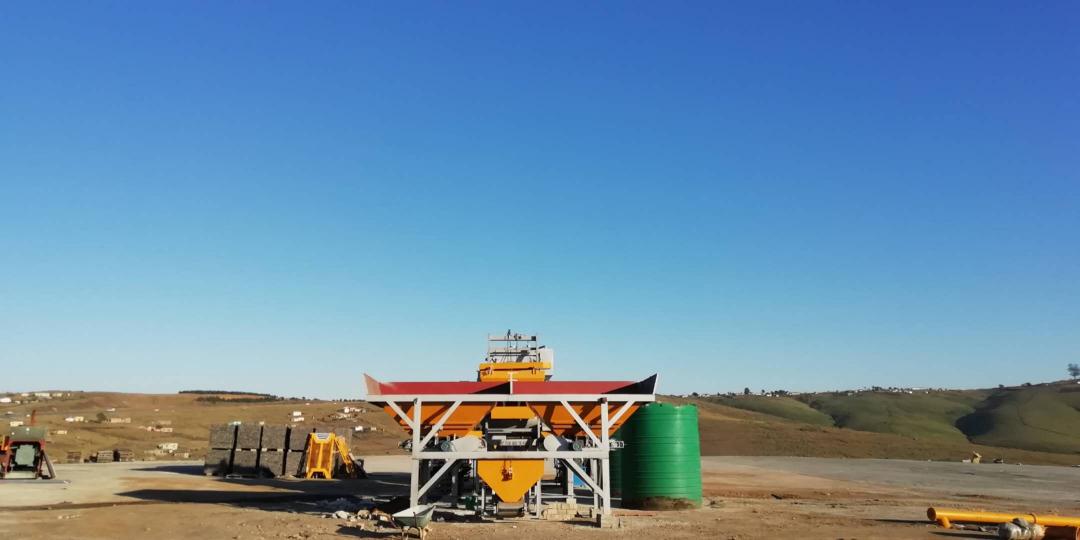
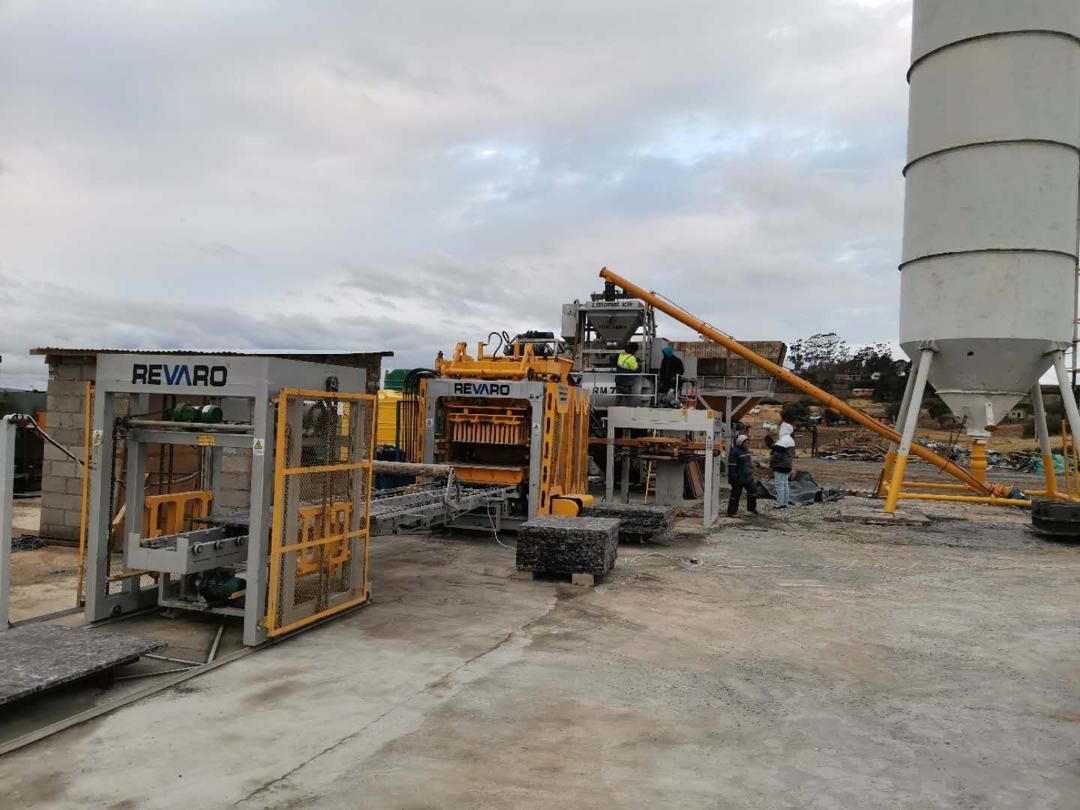
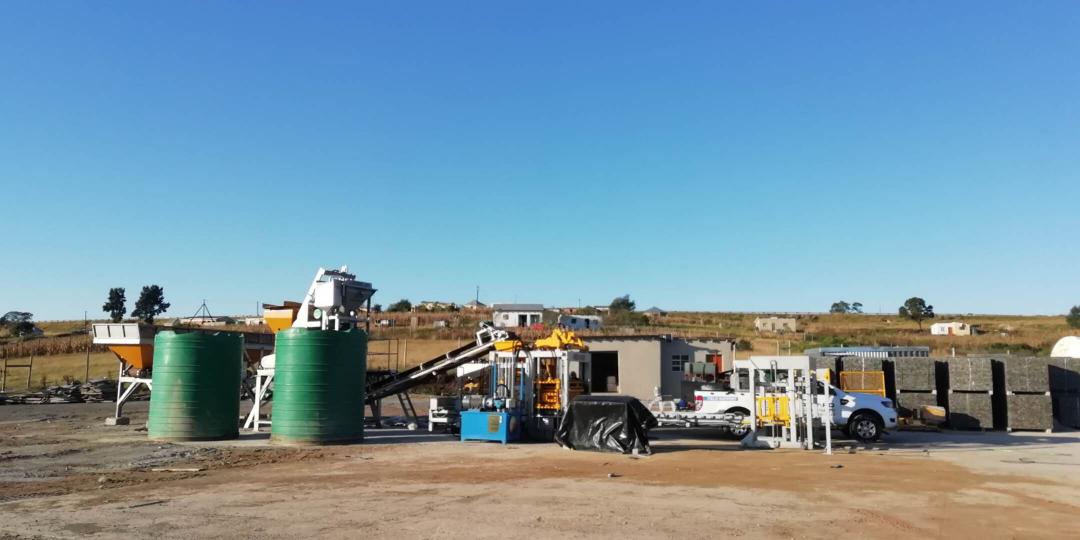
A QT10-15 automatic concrete block machine project is not only a machine purchase. It is a site planning decision that connects aggregate storage, batching, mixing, pallet circulation, curing space, forklift routes, water supply, cement silo position, finished block storage, and operator access. The South Africa Umtata site photos show a useful example of this type of project because the production line is installed in an open yard with visible batching equipment, water tanks, block machine, pallet handling area, and finished block stacks.
For buyers comparing automatic block making machine proposals, this kind of site view is more useful than a single machine photo. It helps answer practical questions: where should the batching machine stand, how much space is needed around the host machine, how should wet blocks move after demoulding, and what should be checked before installation acceptance? This article uses the Umtata project as a field-based reference, without treating it as a universal template. Every factory still needs its own product list, local materials, curing method, labor plan, and daily output target.
Field Layout Review for Automatic Block Production
Why site layout should be reviewed before machine selection
Many buyers begin by asking for the output of a block machine model. Output is important, but it is not the only capacity limit. A QT10-15 line can only work steadily when raw materials can reach the mixer on time, fresh blocks can leave the machine safely, pallets can return without delay, and cured blocks can be removed from the production area. If any of these movements is restricted, the machine may wait even when its technical capacity is higher.
The Umtata site view shows why layout review matters. The line is arranged with batching and water supply on one side, the forming machine in the central working zone, and finished block stacks around the yard. This arrangement gives the buyer a real way to discuss movement, not only machine parameters. The buyer can ask where the forklift turns, where operators stand during mould change, how pallets are stored, and how trucks enter the finished product area.
A layout review should be done before the foundation is built. At this stage, changes are still inexpensive. After installation, a wrong conveyor direction, narrow forklift aisle, or poorly placed water tank can become a daily operating problem. The review should include product size, mould drawings, pallet dimensions, curing method, cement delivery, aggregate loading equipment, and the expected number of shifts per day.
Installation observation: A practical site review follows one full production cycle. Start from aggregate loading, then trace batching, mixing, material feeding, vibration forming, wet block transfer, curing, unloading, pallet return, and finished block loading. If the path cannot be explained clearly on the drawing, the plant layout is not ready for final confirmation.
Batching machine, water tanks, and aggregate feeding distance
The batching area controls the first part of block quality. Aggregates must be stored, loaded, weighed, and delivered to the mixer consistently. In the Umtata photos, the batching machine with storage bins is positioned with enough open space around it for material handling. This is useful because aggregate feeding is a repeated operation, not a one-time installation activity. Loader access, pile height, drainage, and ground strength all affect daily production.
Water supply is also visible in the site photos. Water tanks near the batching and mixing zone shorten the supply path and make it easier to manage mixing water. Buyers should confirm whether the water source can support peak production, whether the piping is protected from vehicle movement, and whether operators can adjust water addition when aggregate moisture changes. In concrete block production, small changes in moisture can influence mould filling, compaction, demoulding stability, and early block strength.
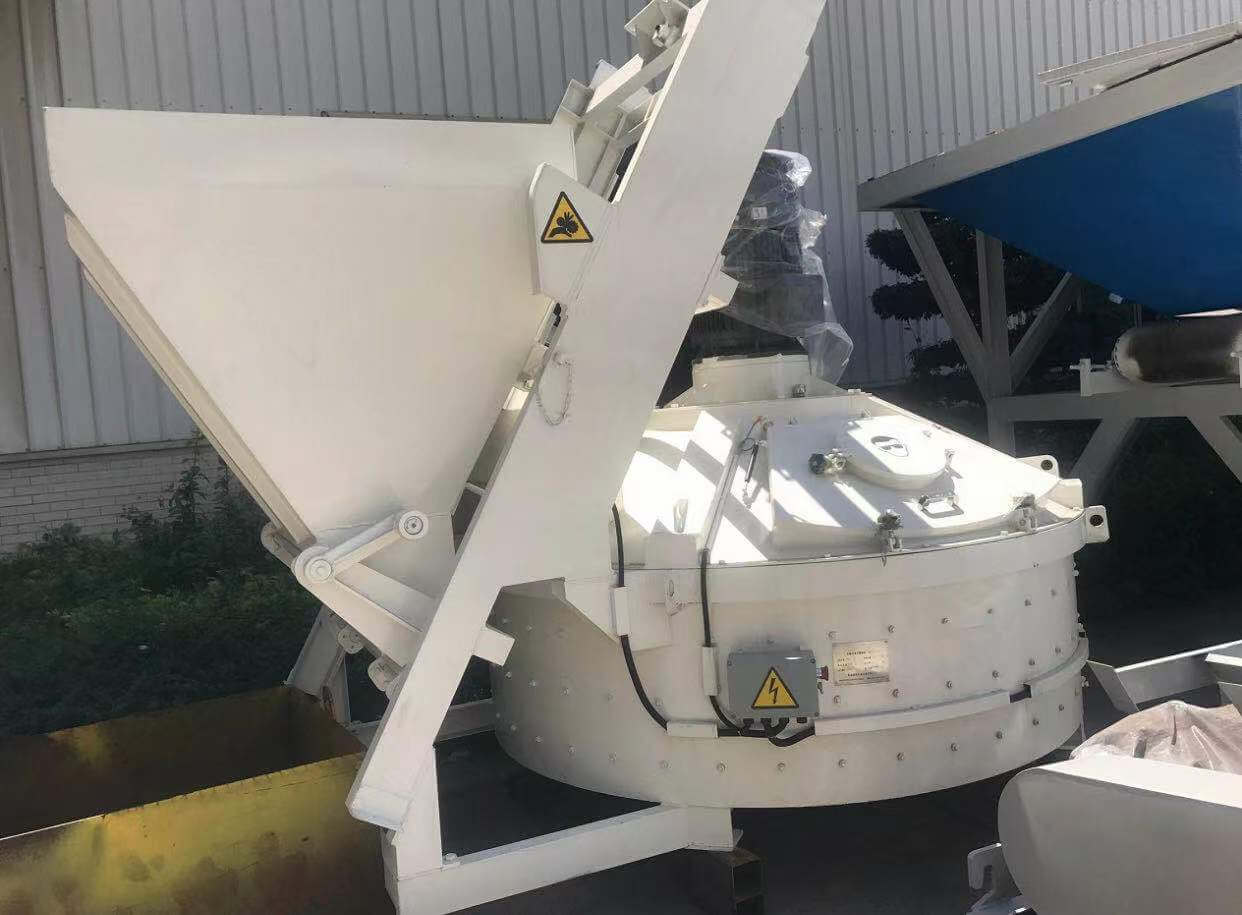
The batching machine should not be placed only according to the shortest conveyor route. It should be placed where aggregates can be loaded safely and where maintenance access remains open. Storage bins, belt conveyors, water tanks, electrical cabinets, and cement feeding equipment need enough space for inspection. A compact layout may look efficient on paper, but it can become difficult when the buyer needs to clean spilled material, repair a belt, or adjust a weighing sensor.
Host machine zone for vibration, mould change, and operator access
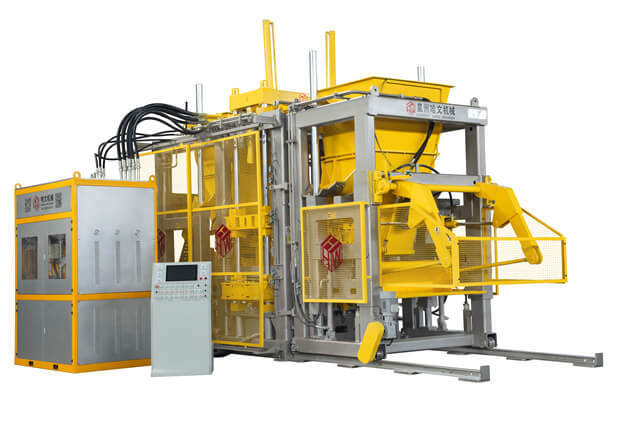
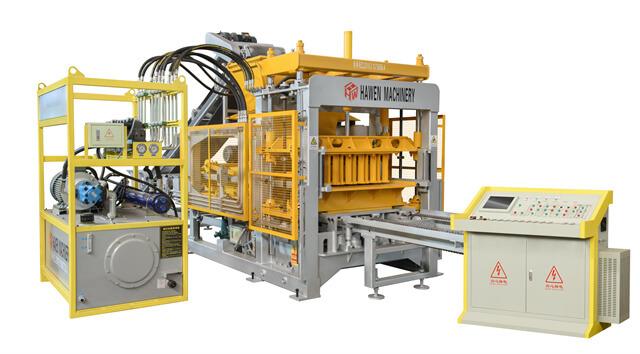
The host machine zone is the technical center of the plant. It includes the forming machine, mould, pallet feeder, vibration table, hydraulic system, control area, and immediate conveyors. The buyer should reserve space around this zone for operators and maintenance, not only for the machine footprint. Mould change, sensor adjustment, hydraulic inspection, and pallet feeder maintenance all require access from different sides of the machine.
For a QT10-15 type automatic concrete block machine, vibration forming places high demand on foundation stability and machine alignment. The machine should sit on a prepared foundation that matches supplier drawings. If the ground is uneven or the foundation lacks strength, vibration may transfer poorly, bolts may loosen faster, and product height consistency may become harder to control. Foundation review is therefore part of production quality control.
Buyers also need to consider the control position. The operator should be able to observe material feeding, mould filling, demoulding, and wet block discharge without standing in a dangerous path. Emergency access should remain clear. If the plant uses local operators who are new to automatic block production, the first production period should include training on mould cleaning, pallet feeding, mix adjustment, alarm handling, and daily lubrication checks.
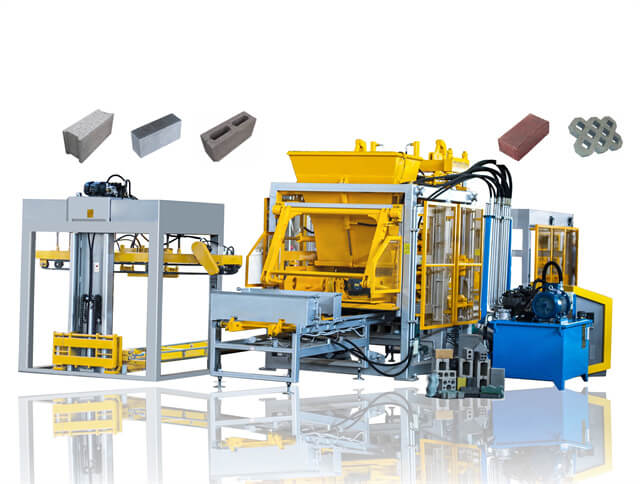
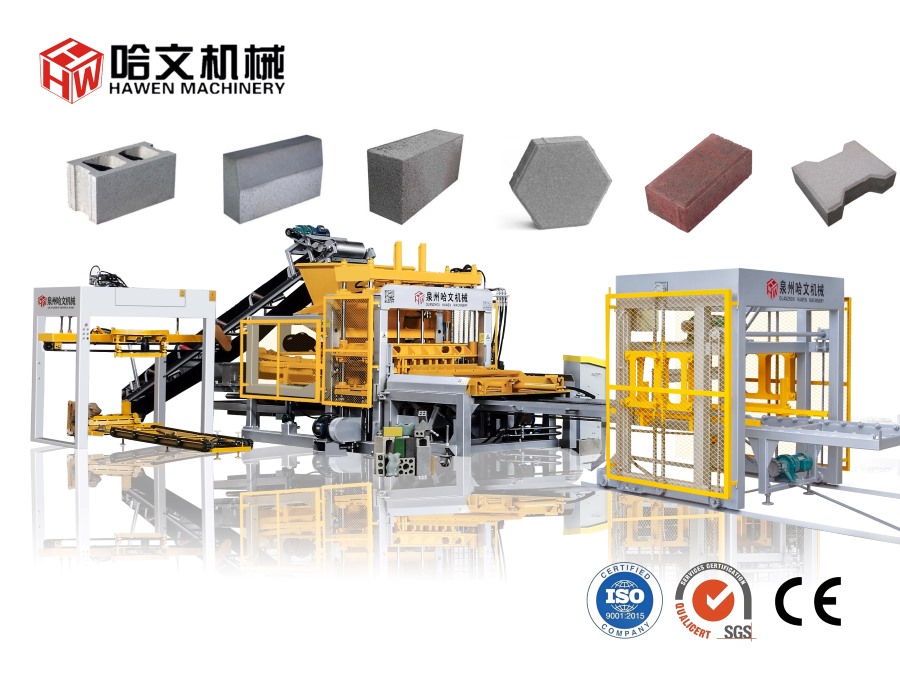
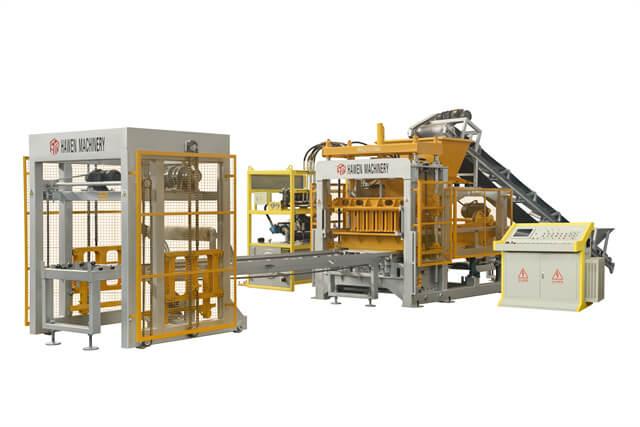
When comparing equipment, it is reasonable to review the QT10 automatic solid cement block machine together with the full feeding, pallet, and curing system. A strong host machine cannot deliver stable daily output if the surrounding flow is not planned with the same care.
Pallet movement and curing space after demoulding
After demoulding, fresh blocks have shape but limited strength. They must move on pallets without impact, twisting, or unnecessary vibration. The Umtata line photos show the wet product area close to the host machine and a yard around the line where product stacks can be arranged. This helps buyers think about pallet flow as a controlled route rather than an accessory detail.
Pallet quantity should be calculated from machine cycle time and curing duration. If the line produces many pallets per hour but the curing area is small, production will stop even when the machine is ready. If there are not enough pallets, operators may rush unloading and move fresh products too early. Both situations can reduce block quality and make the advertised capacity unrealistic.
Curing space should be planned for product type. Hollow blocks, solid blocks, pavers, and curb stones may have different weights, stacking heights, and curing sensitivity. Buyers should define whether curing will be done on open ground, curing racks, covered areas, or a dedicated chamber. Open-yard curing may be simple, but it requires attention to rain, sun exposure, wind, drainage, and forklift movement around fresh products.
Finished block yard planning for forklift and truck loading
The finished block yard is often treated as a storage area, but it affects the whole production rhythm. If finished blocks are not removed efficiently, curing space becomes occupied, pallets cannot return, and the forming machine may stop. In the Umtata photos, finished block stacks are visible near the production area, which makes the relationship between production and storage easy to see.
Forklift routes should be wide enough for turning and should not cross operator walking paths more than necessary. The loading route for trucks should be separated from the raw material feeding route when the site allows it. This reduces congestion and keeps the production line less dependent on shipment timing. A buyer planning regular delivery to construction sites should reserve a loading area that can hold finished cubes or stacks without blocking the block machine.
Finished block storage also needs ground preparation. Uneven ground can tilt stacks, damage corners, and make forklift pickup unsafe. Drainage is important because standing water can weaken storage surfaces and create mud around the yard. If the plant sells pavers or visible-face products, storage cleanliness becomes part of product presentation and resale confidence.
Site acceptance checks before regular production
Before regular production begins, buyers should use an acceptance checklist that links machine performance with site movement. The first successful blocks are not enough. The plant should prove that it can repeat batching, mixing, forming, transfer, curing, unloading, and pallet return under realistic operating conditions.
| Acceptance area | What to check | Buyer decision value |
|---|
| Batching system | Aggregate bin loading, weighing response, belt tracking, and water addition | Confirms whether the mix can remain stable during continuous production |
| Host machine | Mould filling, vibration, demoulding, pallet feeding, and product height consistency | Shows whether the machine is aligned and adjusted for the selected products |
| Wet block transfer | Smooth pallet movement, no impact at transfer points, enough waiting space | Reduces corner damage and early cracking after demoulding |
| Yard logistics | Forklift turning, finished stack location, truck loading route, and drainage | Prevents storage congestion from limiting machine output |
| Operator training | Alarm response, lubrication, mould cleaning, mix adjustment, and daily inspection | Improves production stability after the supplier leaves the site |
How buyers can compare supplier layout proposals
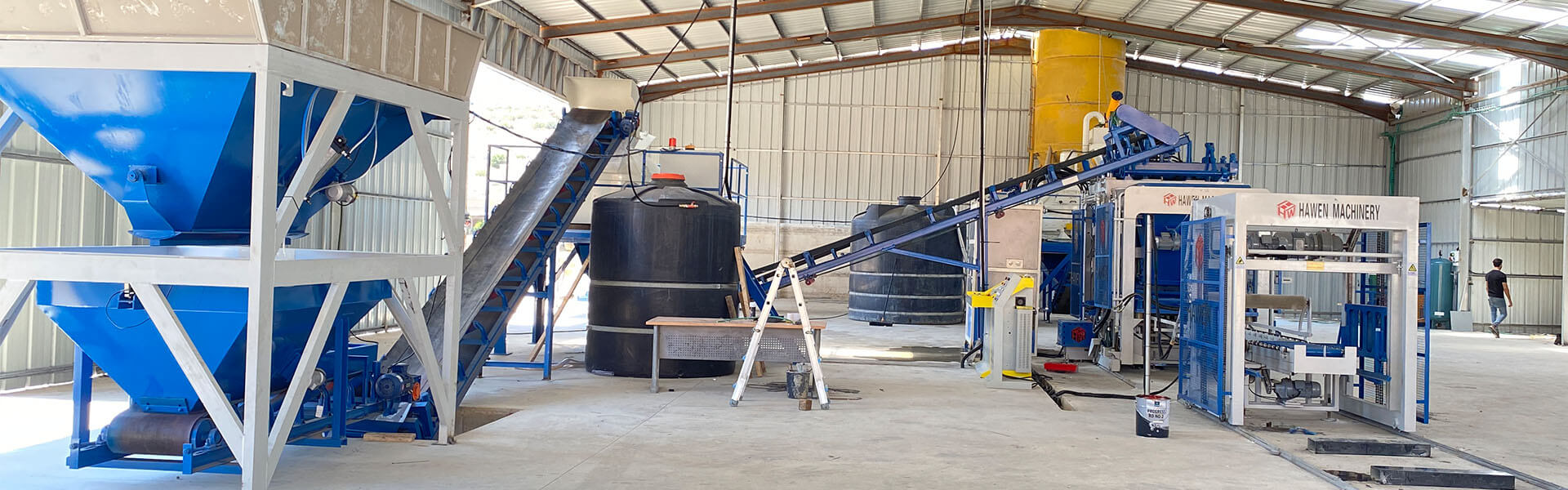
When two suppliers offer similar machine models, the better proposal is often the one that explains the whole production system more clearly. Buyers should ask for a layout drawing that includes the batching machine, mixer, cement silo, water tanks, host machine, pallet route, curing space, finished product yard, forklift aisle, electrical room, and operator position. A drawing that only shows the machine footprint is not enough for project approval.
Buyers should also compare whether the proposal matches local conditions. In a South African open-yard site, ground preparation, water management, aggregate supply, forklift movement, and spare parts planning may be as important as the host machine specification. In another market, indoor curing, labor availability, or limited land may become the main constraint. The supplier should adapt the line rather than repeat a fixed arrangement.
The most useful supplier discussion is specific. Ask how many pallets are needed for the target output, how the line restarts after an interruption, where damaged pallets are removed, how the operator adjusts moisture, how mould change is handled, and how finished blocks leave the yard. These questions show whether the supplier understands production behavior, not only equipment sales.
FAQ
Is a QT10-15 automatic concrete block machine suitable for an open-yard plant?
Yes, it can be suitable when the foundation, drainage, aggregate storage, water supply, pallet route, curing area, and electrical protection are planned correctly. Open-yard production needs more attention to weather, ground condition, and forklift movement than a fully enclosed plant.
How much space should be reserved around the block machine?
The required space depends on the line configuration, but buyers should reserve room for mould change, operator access, pallet feeding, wet block discharge, hydraulic inspection, electrical cabinet access, and emergency movement. The machine footprint alone is not enough for layout approval.
Why are batching machine and water tank positions important?
They influence mix consistency and daily operating convenience. If aggregates are difficult to load or water supply is unstable, block quality may change even when the forming machine is well adjusted.
What should be checked during site acceptance?
Buyers should check batching accuracy, water addition, mould filling, demoulding stability, product height, wet block transfer, curing space, forklift movement, pallet return, operator training, and basic maintenance access.
Can one layout produce hollow blocks, pavers, and solid blocks?
One line can often produce several products by changing moulds, but the layout must account for different product weights, curing time, pallet quantity, stacking method, and finished yard space. Product variety should be discussed before final layout approval.
Conclusion
The South Africa Umtata site photos show why an automatic concrete block machine project should be reviewed as a complete production system. Batching, water supply, host machine access, pallet movement, curing space, finished block storage, and forklift routes all influence daily output and product quality. A buyer who checks only machine capacity may miss the real limits of the plant.
Before confirming a QT10-15 or similar automatic block production line, buyers should ask the supplier to explain the full material and pallet flow on a project-specific layout drawing. The next step is to verify foundation requirements, curing space, pallet quantity, forklift routes, and acceptance tests before shipment or installation. This approach makes the purchase decision more practical and reduces the risk of solving layout problems after the machine has already arrived on site.





 Tel: +86-13905968794
 Email: export@hwmachines.com
 MP/WhatsApp: +86-13905968794
 Manufacturer Address:Nanan,Quanzhou City,Fujian Province,China