Servo vibration has become an important upgrade direction for high-capacity concrete block machines, especially where factories need more stable density, cleaner edges, shorter adjustment time, and better repeatability between different moulds. In a conventional block machine, vibration is normally generated by ordinary electric motors driving eccentric shafts through a vibration table, vibration box, belt, coupling, or gearbox-style mechanical structure. This arrangement is proven and widely used, but its control accuracy is limited by mechanical inertia, fixed motor behavior, and the time needed to accelerate or stop rotating masses.
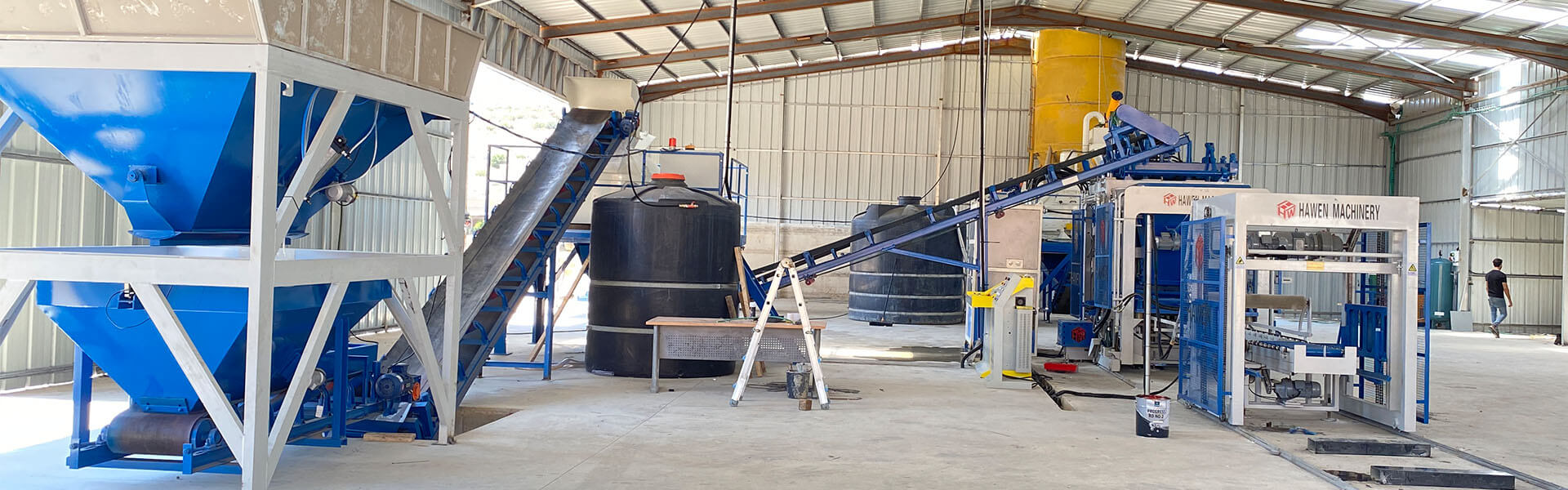
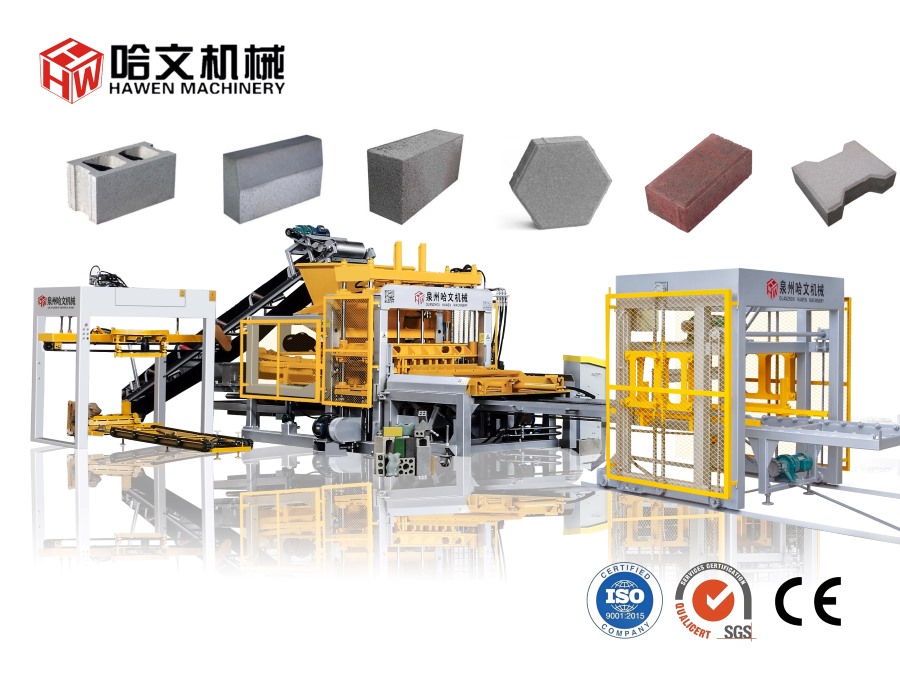
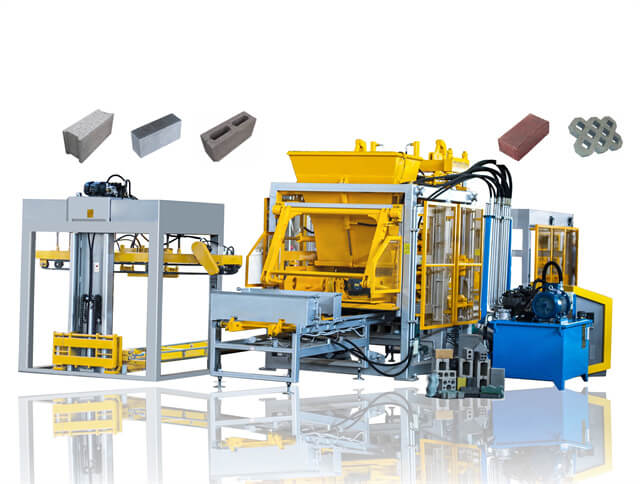
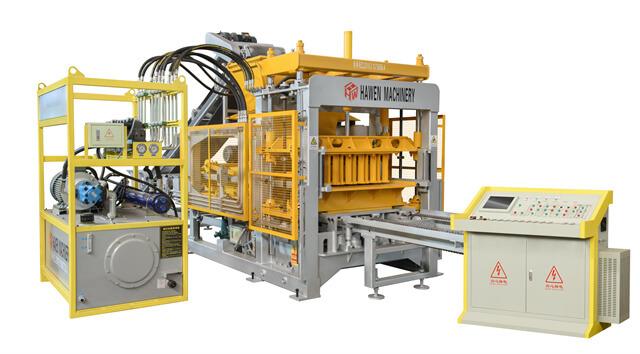
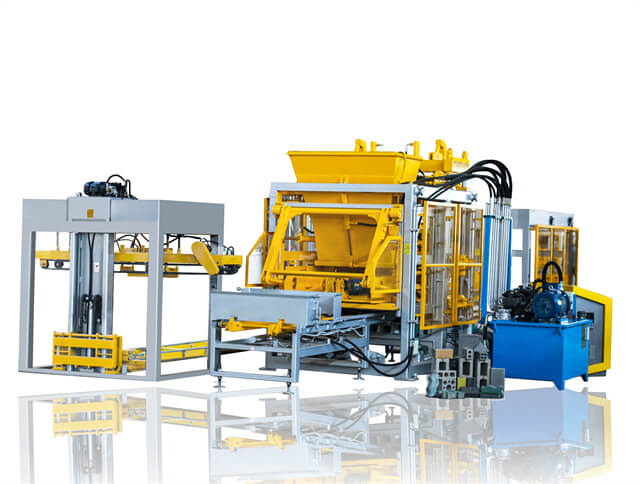
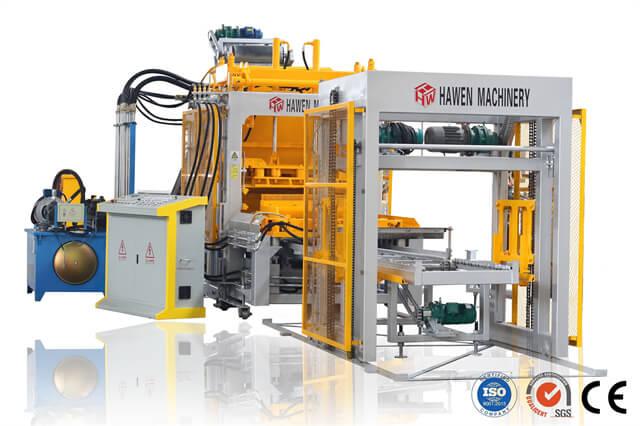
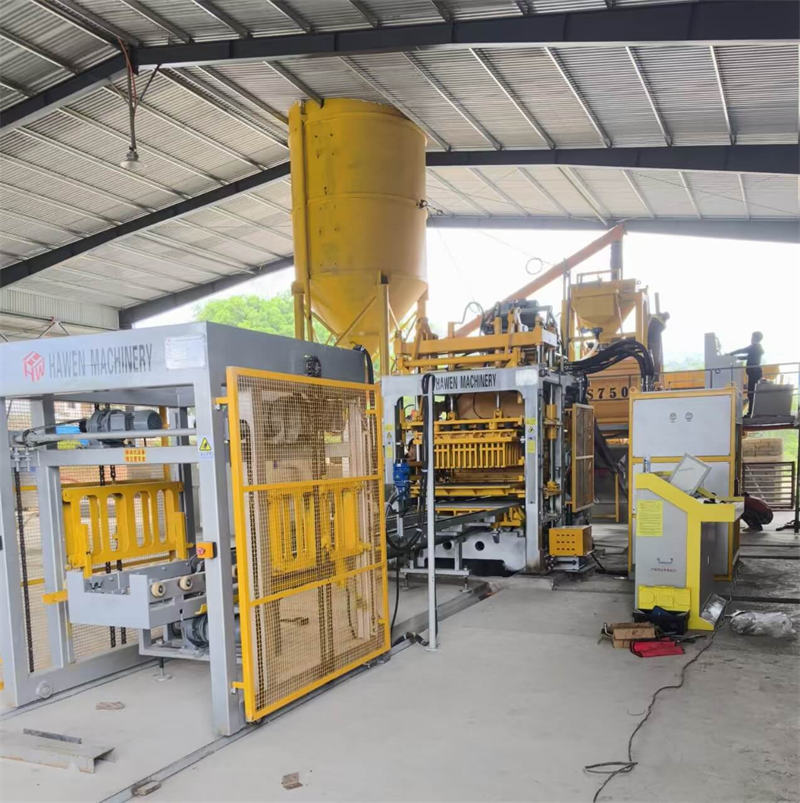
A servo vibration system uses servo motors, servo drives, electronic synchronization, and programmed speed curves to control the vibration process more precisely. Instead of treating vibration as on-off action, the machine can divide the forming cycle into stages: pre-vibration during feeding, main vibration during pressing, frequency adjustment, and rapid stop before demoulding. On advanced models such as a servo vibration concrete block machine, this control logic supports dense pavers, kerbstones, hollow blocks, and products that require consistent appearance.
The practical question is: if a servo motor can vibrate the machine, why can it work without the traditional vibration box? The answer is not that a servo motor magically replaces all structure. In some designs, servo motors and eccentric vibration units create controlled vibration at the table or mould area, while electronic control replaces part of the old synchronization work.
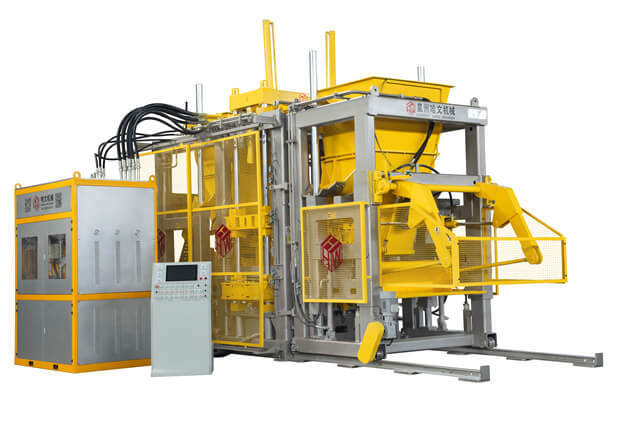
In concrete block production, vibration is used to move a low-slump concrete mix into the mould cavities, reduce internal voids, help the aggregates settle, and support the hydraulic press head during compaction. The mix is not fluid like ready-mix concrete. It is usually relatively dry, because the fresh blocks must stand after demoulding and keep their shape on the pallet. This means vibration must be strong enough to overcome friction between particles, but controlled enough to avoid segregation, surface tearing, pallet bouncing, or excessive wear on the mould.
A servo vibration motor is not simply a stronger motor. Its main value is controllability. The servo drive can command motor speed, acceleration, deceleration, phase relationship, and response time with much higher precision than an ordinary asynchronous motor. In block making, this allows the control system to match vibration behavior to product type: hollow blocks need controlled compaction around thin webs, pavers need uniform surface compacting, and kerbstones need stable energy across larger cavities.
For a buyer, vibration quality is not measured only by motor power. Two motors with the same kilowatt rating can produce different results if one system cannot hold frequency under load, stop quickly, or transmit energy evenly through the frame. Servo vibration should be evaluated with motor torque, drive capacity, eccentric mass, mounting position, frame rigidity, PLC program, pallet support, and mould design.
How a traditional motor and vibration box create compaction
Traditional block machines often use ordinary vibration motors or ordinary motors connected to eccentric shafts. The eccentric mass rotates and generates centrifugal force. When the rotating eccentric forces are arranged correctly, the vibration table moves with a controlled pattern, and the concrete inside the mould becomes denser under combined vibration and pressure. Many reliable machines use two motors, four shafts, or other mechanical layouts to produce adequate forming energy.
The vibration box has an important mechanical role. It houses shafts, bearings, gears, eccentric blocks, or related transmission elements, and it helps keep the rotating parts synchronized. In a four-shaft vibration box, the shaft relationship helps create a stable vibration direction and reduce unwanted horizontal shaking.
However, a traditional vibration box also brings mechanical constraints. The system has rotating mass, bearing load, lubrication requirements, gear wear, coupling alignment, and mechanical delay during acceleration and stopping. For many products this is acceptable, but for precise forming cycles, the delayed response can affect height control, demoulding stability, and energy use.
Ordinary motors are also less flexible in speed control. If frequency conversion is used, the system can change speed, but it still does not offer the same dynamic response and position-related control as a servo system. Adjustment often depends on vibration time, eccentric block setting, feeding time, press head timing, and mix moisture, which can be slow when a factory changes block types frequently.
Why servo motors control vibration better than ordinary motors
The first advantage of servo vibration is faster response. A servo motor can accelerate quickly to the programmed speed and reduce speed quickly when the vibration stage ends. In block forming, these short transitions matter because the total cycle may be only around 15 to 22 seconds on many automatic machines. Faster response helps the machine use vibration when it is needed and remove it when demoulding requires stability.
The second advantage is repeatability. Servo drives use feedback control, so the motor follows a commanded speed or position profile instead of only receiving power. When the concrete mix load changes slightly, the servo system can better maintain the intended output, which is valuable for pavers where small vibration differences may affect texture, corners, or thickness.
The third advantage is programmable vibration stages. A factory may use lower vibration during initial filling, increase energy during pressing, then stop sharply before the mould lifts. With servo control, the PLC can store recipes for hollow blocks, solid blocks, pavers, grass blocks, kerbstones, or face-mix products, so operators adjust from a known recipe instead of starting from rough mechanical settings each time.
The fourth advantage is electronic synchronization. If the machine uses multiple servo motors, the control system can coordinate their speed and phase. This is central to understanding why some servo systems can avoid a traditional vibration box. The servo drives can perform part of the timing and synchronization function electronically, while the mechanical structure focuses on supporting and transmitting vibration energy. This reduces reliance on gears or long shaft transmission systems, depending on the machine design.
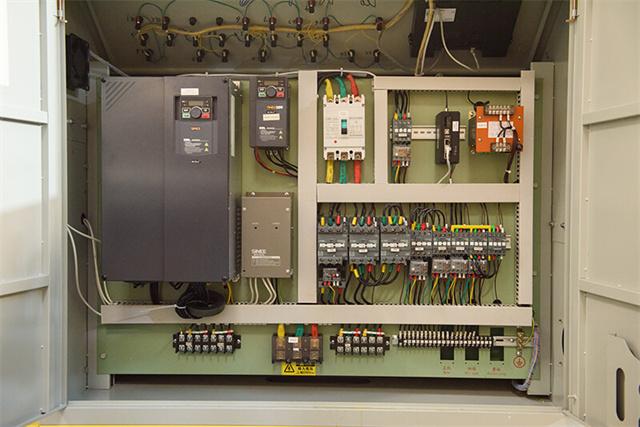
Why some servo systems do not need a traditional vibration box
A traditional vibration box is mainly needed because ordinary motors cannot independently create a precisely coordinated vibration pattern. Mechanical shafts and gears organize eccentric forces into useful movement. In a servo vibration design, each servo motor can be controlled by the drive and PLC with a defined speed and phase relationship. When eccentric units are installed directly on the vibration table, vibration beam, or forming frame, the system can create compaction force without a separate enclosed vibration box.
This does not mean every servo block machine has no vibration box. Some use servo motors with an optimized vibration table, some connect servo motors to eccentric units, and some keep a mechanical vibration structure with better motor control. The accurate statement is that servo technology makes it possible to design a machine without the conventional mechanically synchronized vibration box, because synchronization can be handled electronically.
Removing the traditional vibration box can reduce certain mechanical maintenance points. There may be fewer gears, fewer long shafts, fewer belt or coupling alignment issues, and less dependence on oil bath lubrication inside a vibration box. If the vibration source is mounted near the forming zone, less energy may be lost in intermediate transmission parts. In practice, the benefit still depends on frame stiffness, bearing selection, eccentric design, and how well the machine absorbs unwanted vibration outside the mould area.
The main engineering idea is direct, controlled energy delivery. A servo motor does not remove the need for eccentric force; vibration still requires rotating eccentric mass or another vibration mechanism. What changes is how the force is commanded and synchronized. A true servo vibration system should show clear control logic, not just a standard motor renamed as servo.
Density, surface quality, and mould life effects
The biggest production reason to consider servo vibration is density consistency. Concrete block strength depends on mix design, cement content, aggregate gradation, moisture, pressing force, curing, and vibration. Servo vibration does not correct a poor mix, but it can help the same qualified mix compact more consistently from cycle to cycle.
Surface quality can also improve because vibration can be matched to the product. Too little vibration may leave rough surfaces and loose corners. Too much vibration may cause segregation, surface cracking, or face-mix disturbance. Servo control gives the operator a more repeatable adjustment window.
Mould life is influenced by steel material, heat treatment, cavity design, aggregate size, moisture, press head alignment, and cleaning practice. Vibration control also matters because harsh uncontrolled vibration can increase impact between the press shoe, mould, pallet, and frame.
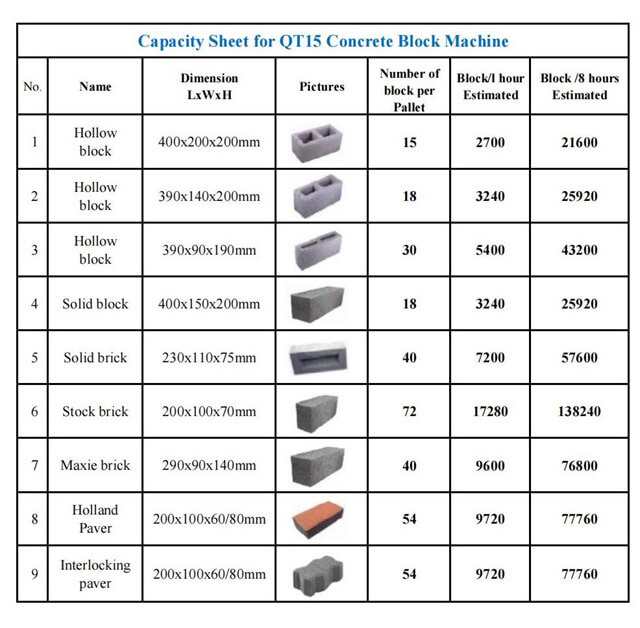
Comparison table for machine buyers
| Evaluation point | Ordinary motor with traditional vibration box | Servo vibration motor system |
|---|
| Vibration control | Usually controlled by motor power, frequency converter, eccentric block setting, and vibration time. | Controlled by servo drive, PLC recipe, speed curve, acceleration, deceleration, and electronic synchronization. |
| Start and stop response | Slower response because of mechanical inertia in shafts, gears, couplings, and eccentric assemblies. | Faster response, useful for short forming cycles and stable demoulding. |
| Synchronization method | Mainly mechanical synchronization through the vibration box or shaft arrangement. | Electronic synchronization between servo drives can reduce dependence on a traditional vibration box. |
| Maintenance focus | Bearings, gears, oil seals, belts, couplings, eccentric blocks, and lubrication inside the vibration structure. | Servo drives, motor cooling, cables, encoders, electrical cabinet environment, and vibration unit bearings. |
| Best fit | General hollow block, solid block, and paver production where cost control and proven mechanical simplicity are priorities. | High-output plants, frequent mould changes, premium paver or kerbstone production, and factories needing recipe repeatability. |
The table should not be read as saying one system is always better. Ordinary motor systems remain suitable where products are simple, operators are experienced, and spare parts support is easy. Servo vibration becomes more attractive when the plant needs faster adjustment, more consistent product quality, or a higher level of automation.
Supplier verification before ordering
Before ordering a servo vibration machine, buyers should ask the supplier to explain the vibration structure in detail. The most important question is where the servo motors are mounted and how vibration force reaches the mould and pallet. If the supplier says the machine does not use a vibration box, ask what mechanical parts replace the shaft box and how electronic synchronization is verified during testing.
Buyers should also request the servo drive brand, motor power, number of servo motors, control method, and whether the PLC stores product recipes. The HAWEN product range includes standard vibration machines as well as servo models, so comparing a standard block making machine category page with a servo model can help clarify which design level is being discussed.
Testing with real material is more useful than only watching an empty machine run. During a material test, observe filling level, pallet stability, finished block height, edge condition, demoulding behavior, and whether vibration stops before mould lifting. If possible, measure block weight from several positions on the pallet to check uniformity.
For spare parts planning, ask which parts are special to the servo system. Servo drives, encoders, cables, cooling fans, brake resistors, bearings, and eccentric units may require different maintenance habits from a traditional vibration box. A serious supplier should provide wiring diagrams and fault-code guidance.
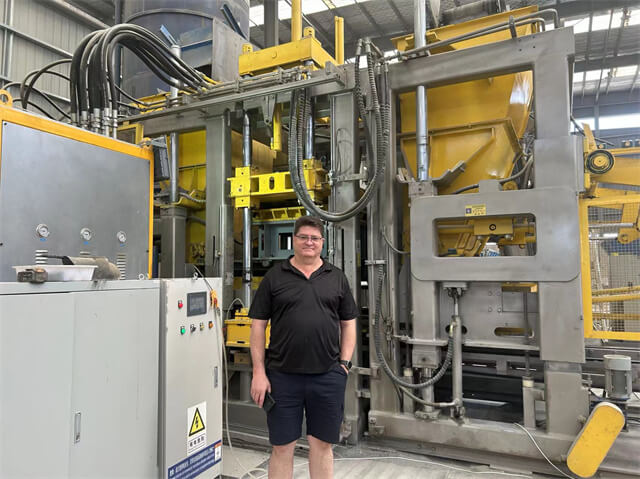
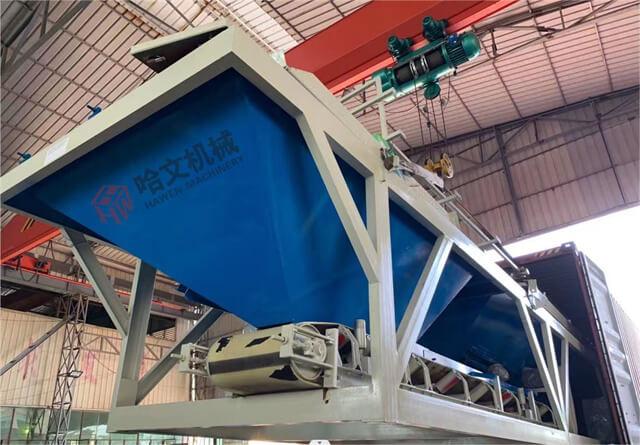
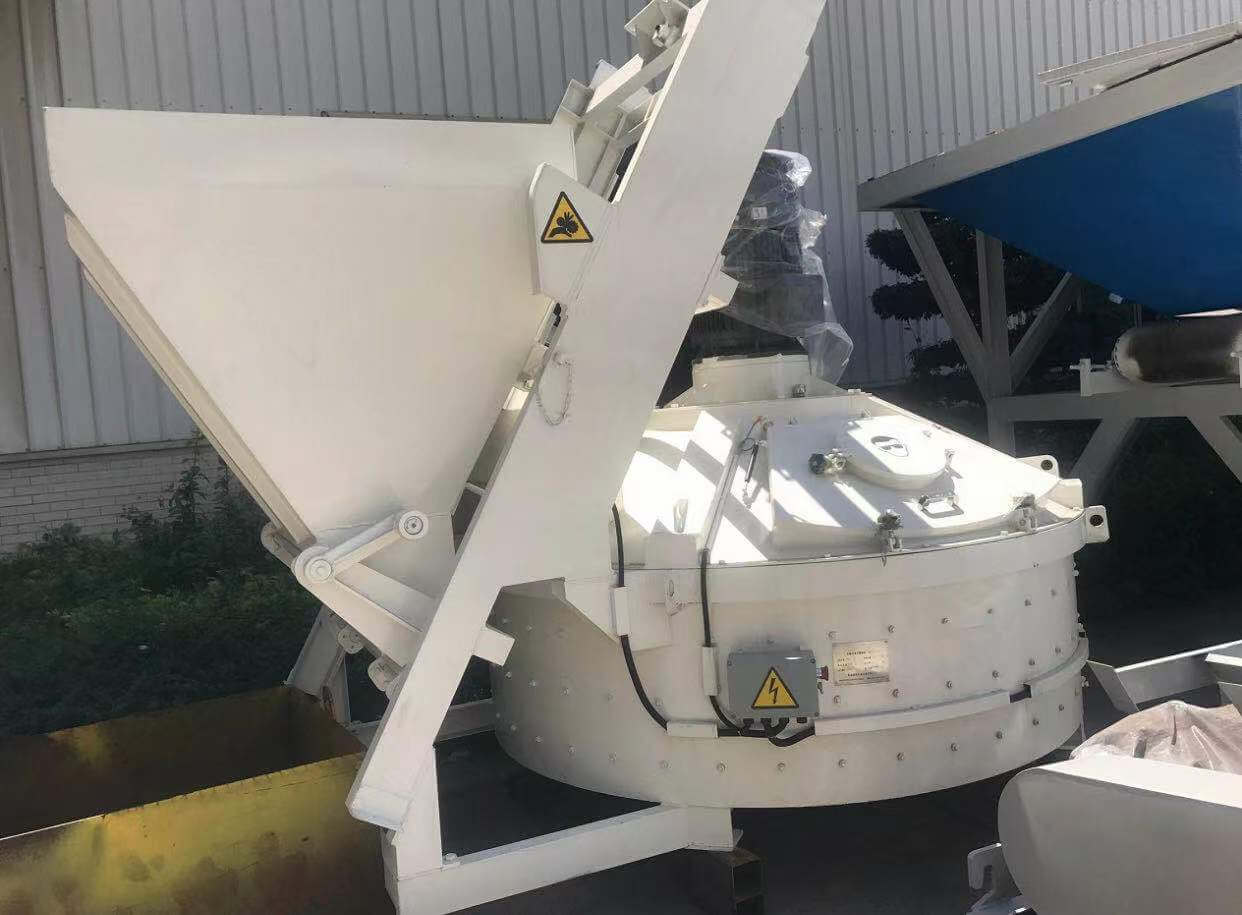
Internal equipment matching should also be checked. Servo vibration cannot perform well if the batching system creates unstable aggregate ratios, the mixer leaves dry pockets, the pallet is warped, or the mould is worn. In a complete line, the concrete mixer, batching machine, production pallet, mould, hydraulic press, and PLC control must work together.
FAQ
Does a servo vibration motor always mean the machine has no vibration box?
No. Some servo vibration block machines are designed without a traditional mechanical vibration box, while others still use a mechanical vibration structure together with servo control. The correct question is how the machine synchronizes the eccentric force and how vibration energy is transmitted to the mould area.
Why can servo vibration stop faster than ordinary motor vibration?
A servo drive controls motor motion with feedback and programmed deceleration. Traditional systems usually have more mechanical inertia from shafts, gears, belts, and eccentric assemblies, so vibration may continue briefly after power is reduced.
Will servo vibration automatically make stronger blocks?
Not automatically. Stronger blocks still depend on cement content, aggregate gradation, moisture, compaction pressure, curing, and mould condition. Servo vibration helps by making compaction more repeatable and easier to tune for each product.
What should I check during a servo vibration machine test?
Check block height, surface texture, edge sharpness, demoulding stability, pallet movement, vibration start-stop response, recipe storage, motor temperature, and finished block weight distribution across the pallet.
Conclusion
Servo vibration motors offer clear advantages over ordinary motors in control response, repeatability, programmable vibration stages, and electronic synchronization. These advantages are important in concrete block production because vibration is not only a force; it is a timed forming action that must match feeding, pressing, demoulding, mould design, and mix behavior. A traditional vibration box remains a proven solution, but it relies more heavily on mechanical synchronization and carries more inertia and mechanical maintenance points.
The reason some servo systems can operate without a traditional vibration box is that synchronization can be handled electronically by servo drives, while the vibration units can be mounted closer to the forming area. The servo motor does not remove the need for eccentric force or strong machine structure. It changes how vibration is generated, controlled, synchronized, and stopped. For buyers, the next step is to ask for the actual vibration layout, servo motor quantity, drive parameters, test videos with material, and product samples made from the moulds they plan to use.





 Tel: +86-13905968794
 Email: export@hwmachines.com
 MP/WhatsApp: +86-13905968794
 Manufacturer Address:Nanan,Quanzhou City,Fujian Province,China