Concrete block strength is not created by one ingredient or one machine setting. It is the final result of raw material quality, mixture design, moisture condition, mixing uniformity, mold filling, vibration compaction, product geometry, curing, and test control. A change at any stage can alter the internal density and cementitious bond that allow a block to resist load.
For a block factory, strength has both an engineering and a commercial meaning. Blocks must satisfy the applicable project or local standard, but they must also be consistent enough to reduce rejects, customer complaints, breakage, and unnecessary cement consumption. Simply adding more cement is rarely the most economical way to improve performance. The better approach is to understand how strength develops and control the variables that influence it.
What Concrete Block Strength Really Means
When manufacturers discuss block strength, they usually mean compressive strength: the maximum compressive load carried by a specimen divided by the specified loaded area. However, the exact calculation, specimen preparation, loading direction, conditioning, and reporting method depend on the applicable test standard and product type. A hollow masonry unit cannot always be interpreted in the same way as a solid brick or concrete paver.
Strength should also be distinguished from green strength. Green strength is the ability of a freshly demolded unit to retain its shape during pallet movement and early handling. Final compressive strength develops through cement hydration during curing. A block may stand firmly after demolding yet produce a low later test result if hydration, binder dosage, or curing is inadequate. Conversely, a suitable mix may have good strength potential but be damaged before curing because the fresh product is too wet or poorly compacted.
Density, water absorption, dimensions, and visible integrity provide useful supporting information, but none should automatically replace compression testing. Higher density often indicates better compaction, yet a heavy block can still be weak when the cement is inactive, the water balance is wrong, or curing is poor. Surface smoothness is also not proof of internal quality. Strength decisions should be based on representative samples and a defined test procedure.
The required value is determined by product classification, intended use, local regulations, and contract specifications. Load-bearing masonry, non-load-bearing partitions, paving units, and kerbstones perform different functions. A factory should identify the correct requirement before designing the mixture or comparing machine output. Producing strength far beyond the requirement may consume additional cement without creating equivalent commercial value.
Raw Material Quality and Aggregate Grading
Cement quality is fundamental because hydrated cement paste binds aggregate particles into a solid matrix. Cement that is damp, lumpy, contaminated, incorrectly stored, or held for excessive time may lose useful activity. Factories should protect cement from moisture, rotate stock, identify each delivery, and investigate changes in setting or strength instead of assuming that all bags or silo deliveries behave identically.
Aggregate forms most of the block volume and creates the load-carrying skeleton. Strong, clean, appropriately sized particles generally support better performance than aggregate containing clay, organic matter, excessive dust, soft particles, or uncontrolled recycled material. Contamination can interfere with bonding and change water demand. Recycled or industrial by-product materials may be usable, but their variability and absorption should be evaluated through trials rather than treated as direct replacements by mass.
Particle-size distribution affects both void content and compactability. A balanced grading allows smaller particles to occupy spaces between larger particles. This creates a denser structure with less paste required to fill voids. Too many coarse particles can leave open spaces and rough edges, while excessive fines increase surface area and water demand. Both conditions can lower strength even if the nominal cement dosage remains unchanged.
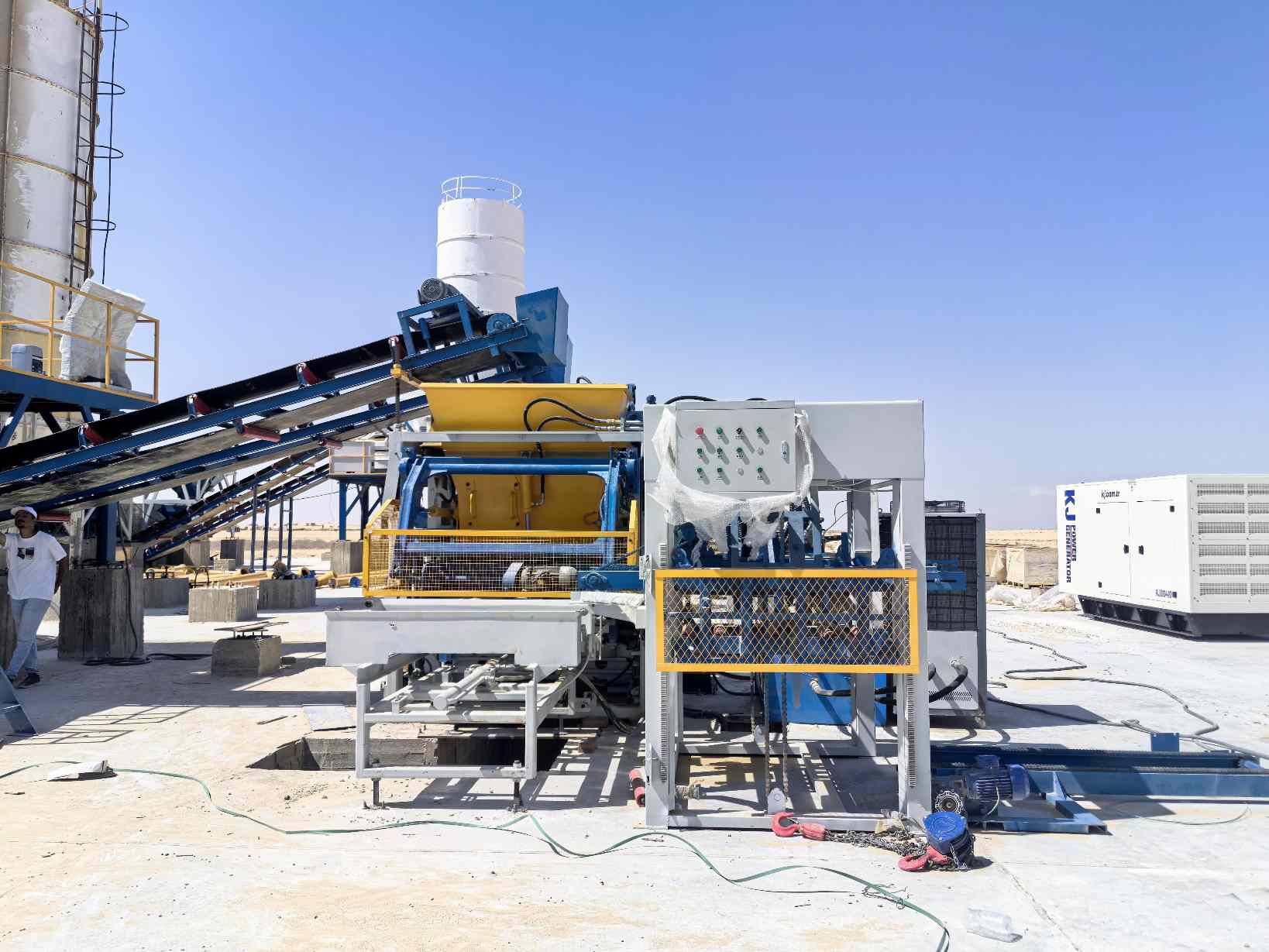
Sand moisture must be measured because surface water enters the mixture as part of the total water. After rain, the same loader bucket can introduce substantially more water than during dry weather. Aggregate absorption also matters: porous material can remove water from the paste during mixing. Reliable production therefore uses controlled stockpiles, repeatable grading checks, moisture correction, and clean mixing water.
Mix Proportions and Effective Water Content
The cement-to-aggregate relationship determines how much binding paste is available to coat particles and connect the compacted skeleton. Insufficient binder commonly reduces strength and edge durability. Excess binder, however, increases cost, heat, shrinkage potential, and sensitivity to moisture. The most suitable dosage should be established by laboratory or controlled plant trials for the actual materials and target product.
Water has two competing roles. It is required for cement hydration and also changes the way a zero-slump mix moves under vibration. Too little effective water can prevent complete hydration and make the material difficult to compact. Too much water leaves additional capillary pores after hardening and can cause sticking, deformation, segregation, or slow early strength. The goal is not the driest possible mixture but a stable moisture window that supports both compaction and hydration.
Operators should avoid controlling water only by a fixed number of liters per batch. The effective quantity includes added water, aggregate surface moisture, water contained in admixtures, and water absorbed by porous materials. Temperature and waiting time can also change fresh behavior through evaporation. A recipe should therefore include a correction method and observable acceptance indicators, not merely a pump time.
Supplementary cementitious materials, pigments, and chemical admixtures can change strength development and workability. Their performance depends on source, fineness, chemistry, compatibility, dosage, and curing condition. A substitution that reduces early strength may still achieve suitable later strength, but only verified data can support that decision. Changes should be introduced one variable at a time and documented.
Mixing, Vibration, and Compaction Density
Correct ingredients do not guarantee strength unless they are distributed uniformly. Short mixing can leave pockets with different cement and moisture contents. Excessive mixing may increase temperature, alter moisture, or reduce output without benefit. Mixer capacity, blade condition, loading sequence, batch size, and discharge completeness should be controlled so each cycle reaches a repeatable state.
During forming, vibration reduces particle friction and helps trapped air escape. Pressure from the tamper head assists consolidation and controls product height. Strength generally improves when compaction reduces harmful voids and creates uniform density, but vibration force alone is not the target. Frequency, amplitude, duration, synchronization, mold seating, pallet support, and feed distribution determine how energy reaches each cavity.
Insufficient compaction leaves large internal voids, weak corners, loose surfaces, and variable mass. Excessive vibration can reduce productivity and, with an unsuitable wet mixture, encourage paste migration or sticking. If blocks in different cavities have different masses or strengths, operators should inspect feeder coverage, mold level, vibration distribution, pallet stiffness, and tamper alignment before changing the cement dosage.
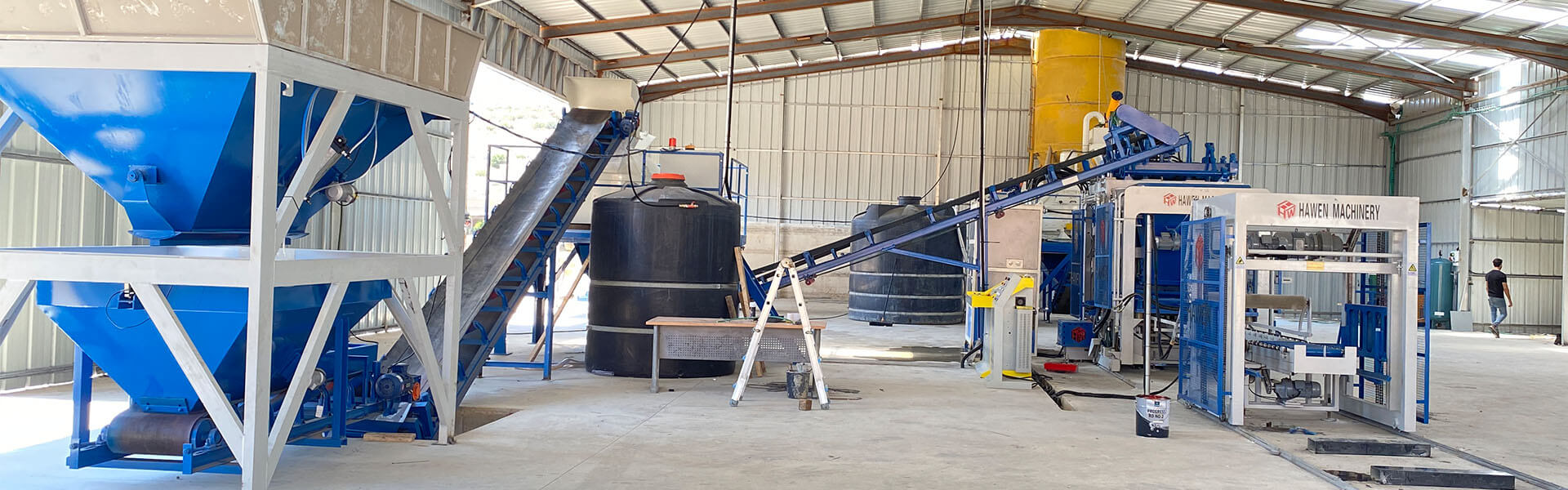
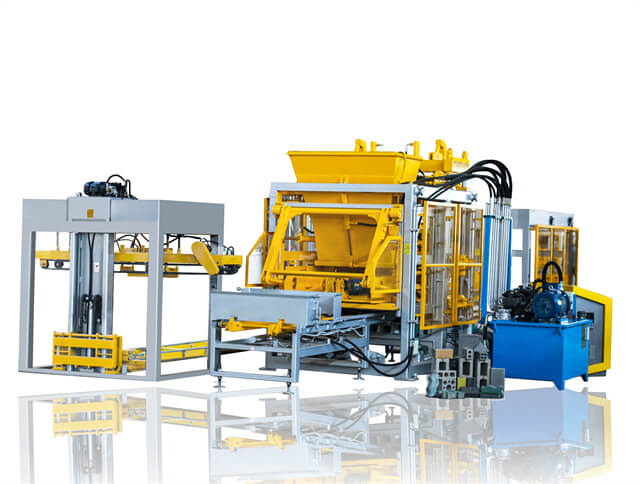
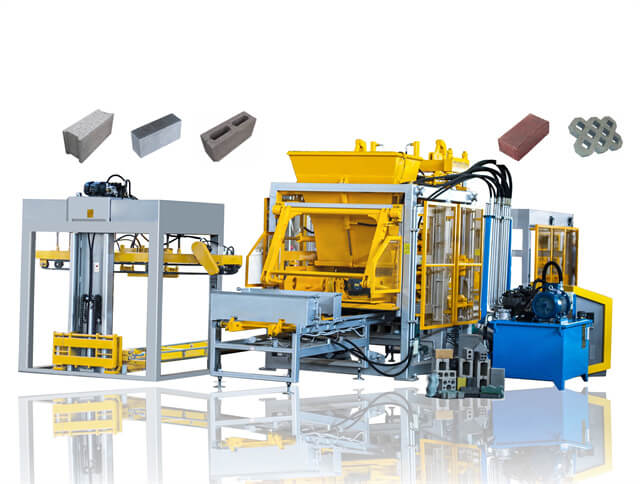
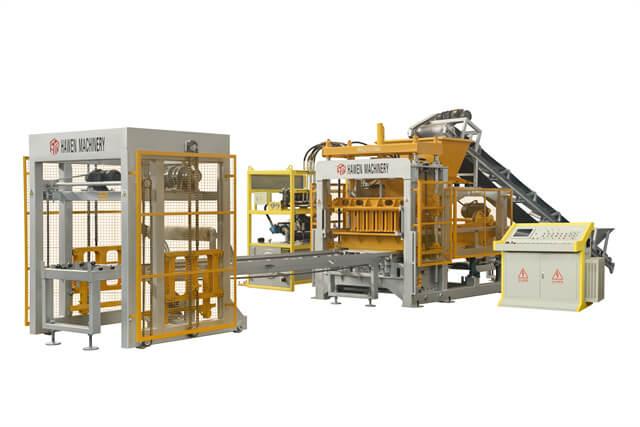
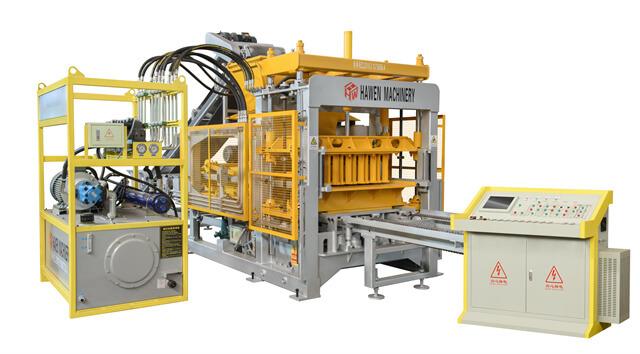
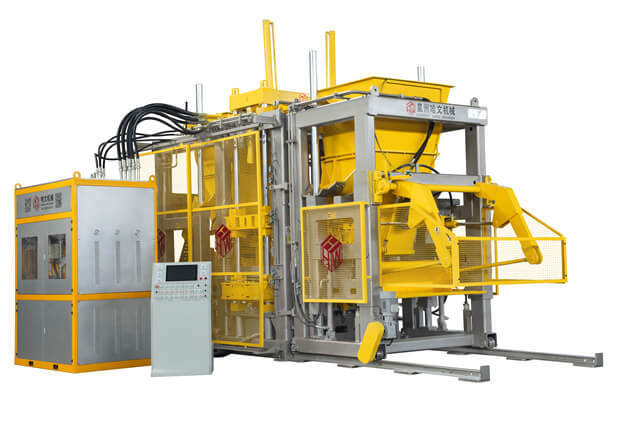
An automatic block making machine should allow repeatable control of feeding, vibration, pressing, product height, and recipe settings. Buyers should evaluate these functions with their intended block size and local raw materials. Catalogue cycle time is not a strength guarantee; stable compaction across every cavity is more meaningful than the fastest isolated production cycle.
Mold, Product Geometry, and Dimensional Control
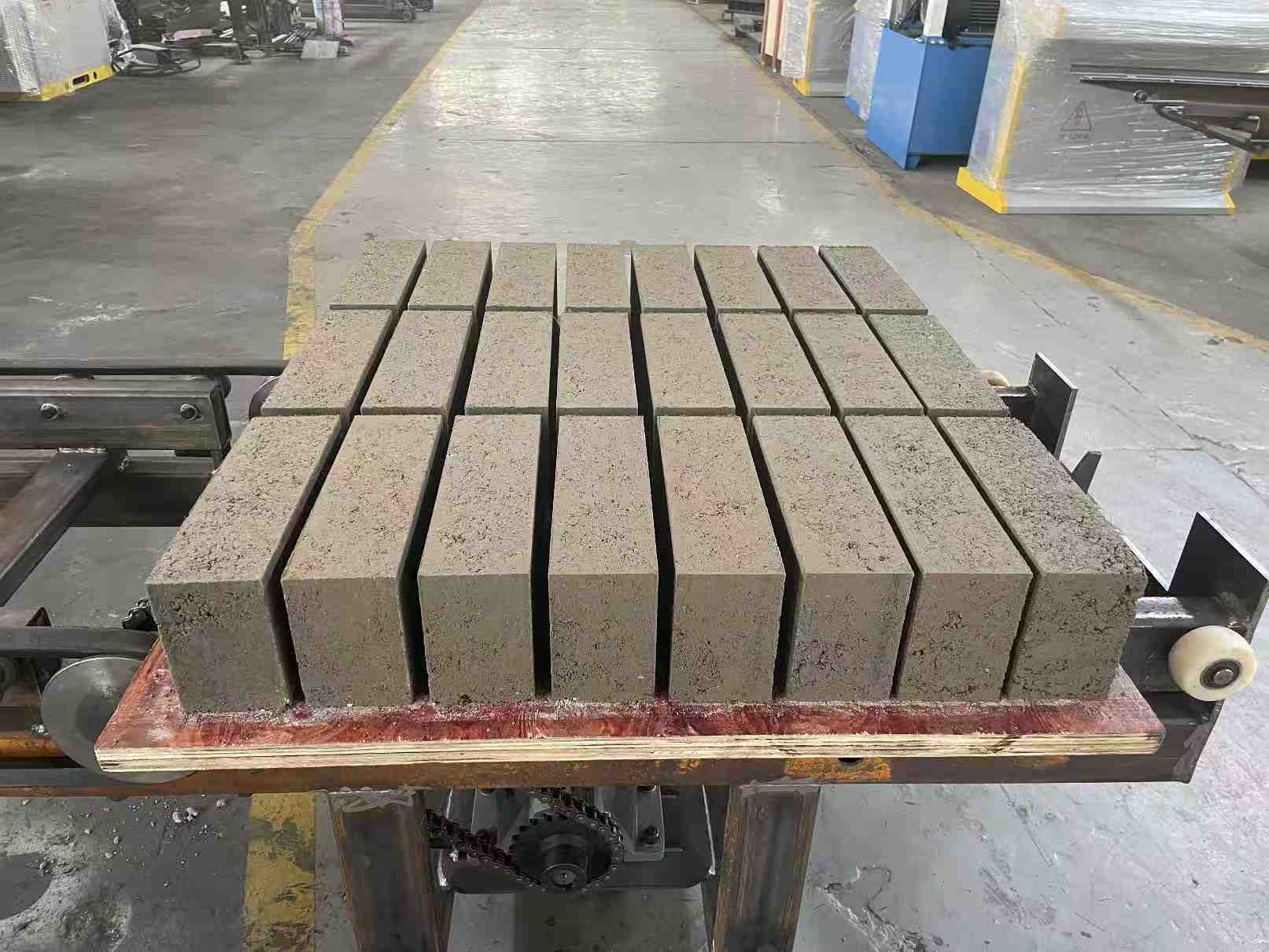
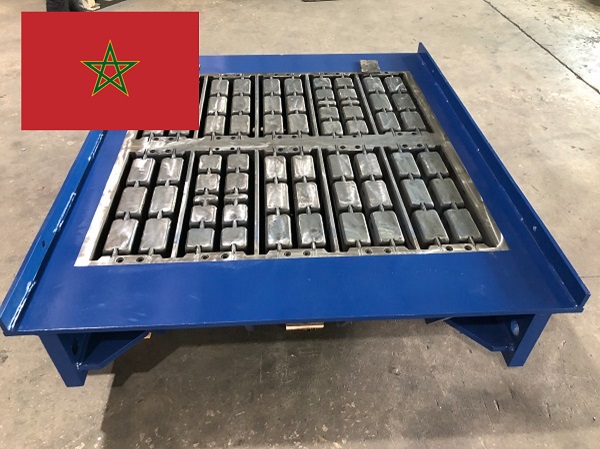
The mold determines cavity geometry, wall thickness, web thickness, surface definition, and the distribution of concrete within each unit. Thin hollow-block webs are more difficult to fill than a simple solid shape. Complex pavers may include corners or narrow sections that require a suitable aggregate size and feeding pattern. A mixture that performs well in one product may not compact uniformly in another.
Mold wear can gradually change dimensions and material volume. Worn cavity surfaces, damaged liners, loose fasteners, poor tamper-shoe clearance, or incorrect installation can create uneven density and local weakness. The defect may repeat in the same cavity or location on every pallet. Cavity-by-cavity mass and dimension records are therefore useful for separating a mold-related issue from random material variation.
Block dimensions also affect how test results should be interpreted. Hollow ratio, net area, gross area, height-to-thickness relationship, and loading face can influence the reported value. Samples must match the specified product and test method. Comparing results from two different shapes without understanding the calculation basis can lead to incorrect conclusions about machine or mix performance.
Curing Age and Storage Conditions
Cement-based blocks gain strength through hydration, not simple drying. Hydration requires moisture and occurs over time. If fresh blocks are exposed to strong sun, dry wind, freezing conditions, or uncontrolled heat, water can be lost or hydration can be disturbed before adequate strength develops. Early protection is especially important because the product has a high surface-area-to-volume ratio.
Good curing maintains appropriate moisture and temperature for the selected materials and product. The exact method may involve controlled chambers, covered storage, misting, or another verified system. Direct water application must not damage green surfaces. Blocks should also be protected from impact and premature stacking while early strength remains low.
Test age must be recorded. Results at an early age should not be compared directly with results from a later age. Temperature history, humidity, cement type, and supplementary materials can change the rate of strength gain. When investigating a complaint, compare specimens produced, cured, conditioned, and tested under equivalent conditions.
Storage after curing remains relevant. Repeated wetting, contamination, poor stacking, forklift impact, or loading before sufficient strength can damage otherwise acceptable units. A complete quality system follows the block from demolding through curing, cubing, storage, and delivery rather than treating the machine discharge point as the end of production.
Strength Testing and Factory Diagnosis
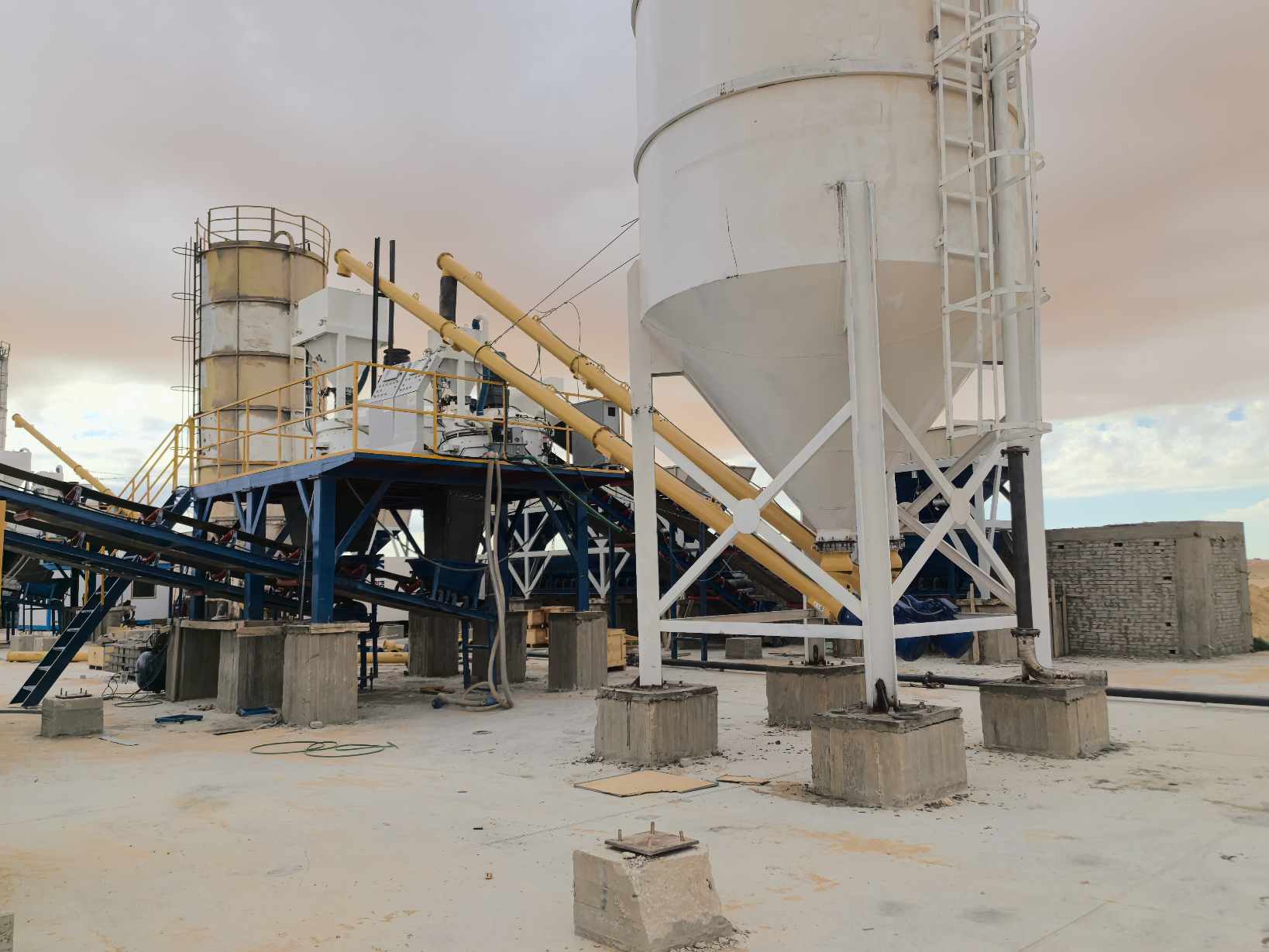
Compression testing is reliable only when sampling and preparation are controlled. Samples should represent normal production, not specially selected ideal blocks. Record production date, batch, mold, cavity or pallet position, curing location, test age, dimensions, mass, and visible condition. The testing machine should have suitable capacity, aligned platens, verified calibration, and the loading rate required by the applicable standard.
One isolated result should be interpreted carefully. Review the individual values, average, variation, failure pattern, density, and related production records. A consistently low average suggests a systematic mix, compaction, or curing problem. A wide spread may indicate batching variation, uneven filling, different curing exposure, inconsistent specimen preparation, or testing error.
| Observed result | Likely factor groups | Priority checks |
|---|
| All samples are consistently low | Binder dosage, cement activity, moisture balance, compaction, curing | Batch weights, cement storage, density, curing records, test method |
| Large variation within one batch | Poor mixing, uneven feeding, cavity variation, sampling or testing error | Mixing time, cavity mass, mold seating, specimen preparation |
| Good early handling but low later strength | Low hydration water, inactive binder, rapid drying, unsuitable replacement materials | Effective water, cement batch, covered curing comparison, mix trials |
| Weakness repeats in one cavity | Mold wear, feed distribution, local vibration, tamper alignment | Map samples by cavity, compare mass and dimensions, inspect fasteners |
| Blocks near curing-area edges are weaker | Uneven humidity, sunlight, wind, temperature variation | Map curing positions and compare protected samples from the same batch |
Corrective trials should change one factor at a time whenever practical. Increasing cement, water, vibration, and curing duration simultaneously may improve a result, but it does not reveal the controlling cause. A disciplined trial matrix records the baseline, adjustment, fresh behavior, block mass, dimensions, curing condition, and test result. This creates transferable production knowledge instead of temporary operator judgment.
Frequently Asked Questions
Does more cement always produce stronger blocks?
No. Cement dosage is important, but poor grading, excess water, inadequate compaction, or improper curing can limit the benefit. Beyond an optimized level, additional cement may increase cost and shrinkage without a proportional strength gain.
Why can blocks from the same recipe have different strength?
The written recipe may be unchanged while aggregate moisture, batch accuracy, mixing, mold filling, vibration, product mass, curing exposure, or testing varies. Strength consistency depends on actual process conditions rather than recipe numbers alone.
Is a heavier concrete block always stronger?
Not necessarily. For identical geometry and materials, stable higher density may indicate better compaction. However, mass alone cannot confirm cement activity, hydration, curing quality, or compliance with the required test method.
Which is more important, vibration or hydraulic pressure?
They perform connected functions. Vibration helps particles rearrange and air escape, while the tamper and hydraulic system support consolidation and height control. Their effectiveness also depends on moisture, grading, feeding, mold condition, and pallet support.
How can a factory improve strength without wasting cement?
Start by stabilizing aggregate grading and moisture, verifying batch accuracy, improving mixing and compaction uniformity, controlling curing, and checking test reliability. Optimize cement content only after these variables are understood through controlled trials.
Conclusion
The main factors affecting concrete block strength are raw material quality, aggregate grading, binder proportion, effective water content, mixing uniformity, feeding, vibration compaction, mold and product geometry, curing, handling, and test control. These factors interact. A strong mixture can be weakened by poor compaction or curing, while advanced machinery cannot fully correct contaminated aggregate or inaccurate batching.
Stable strength comes from managing the complete process and maintaining traceable records. Factories should define product-specific requirements, verify local materials, control moisture and batching, monitor cavity-level consistency, protect early curing, and test representative samples using the correct method. This systematic approach is more dependable than adding cement or changing machine pressure whenever a low result appears, and it supports both product reliability and economical production.





 Tel: +86-13905968794
 Email: export@hwmachines.com
 MP/WhatsApp: +86-13905968794
 Manufacturer Address:Nanan,Quanzhou City,Fujian Province,China