Professional focus: how to diagnose low green strength in concrete blocks before changing machine pressure, replacing a mold, or increasing cement blindly.
Low green strength is one of the most important problems in concrete block production, but it is also one of the easiest to misunderstand. Green strength means the ability of a freshly formed block to keep its shape after demolding, pallet movement, and early handling before full curing strength develops. A block with poor green strength may slump, crack, lose corners, deform at the bottom, or break during transfer. The operator may describe the product as "too soft," "not compact," or "easy to damage." The common reaction is to increase cement, increase pressure, or slow down the machine. Sometimes that helps. Often it only hides the real cause.
Professional diagnosis should treat green strength as a process result, not a single material property. The block machine forms the product through a combination of dry-cast concrete moisture, aggregate grading, cement paste, vibration, pressure, mold filling, pallet support, and early curing protection. If any one of these is unstable, the fresh block may fail before the final strength test can even matter. This article explains how a block factory can inspect low green strength in a more systematic way, especially when producing hollow blocks, solid blocks, interlocking pavers, kerbstones, and related concrete masonry products.
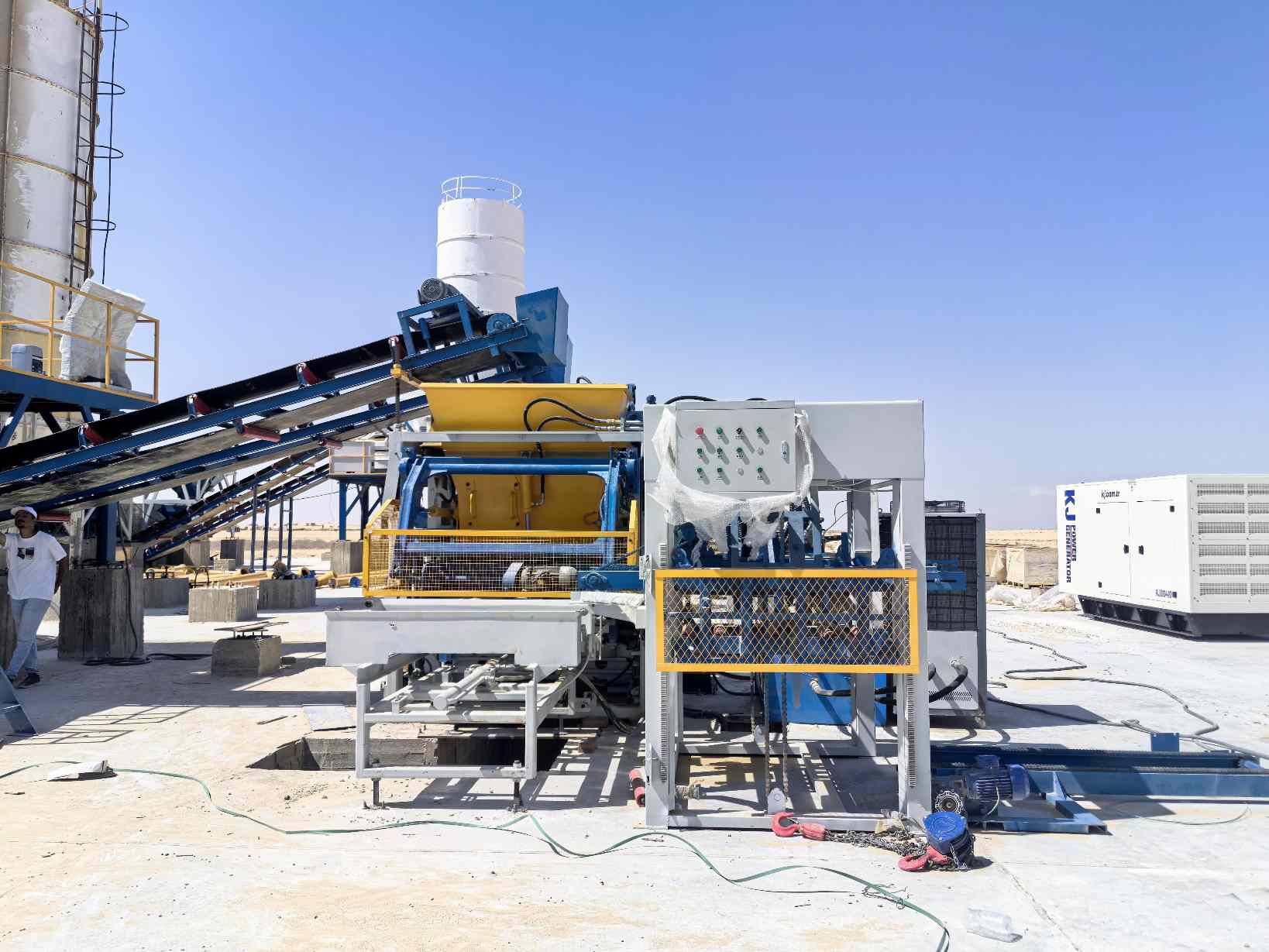
Why green strength matters before final compressive strength
Final compressive strength is usually measured after curing, but sellable production begins much earlier. A fresh block must survive demolding, pallet movement, stacking or rack transfer, and the first curing period. If the green block is damaged in this early stage, later compressive strength may become irrelevant because the product is already rejected. This is especially true for hollow blocks with thin webs and pavers with sharp edges.
Green strength is different from final strength. A block can have enough cement to reach good final strength but still have poor early handling strength if the moisture is too high, the material is not compacted correctly, or the fresh product is moved too aggressively. The opposite can also happen: a block may stand well after demolding because it is dry, but later show weak bonding or low final strength because there was not enough moisture for proper cement hydration.
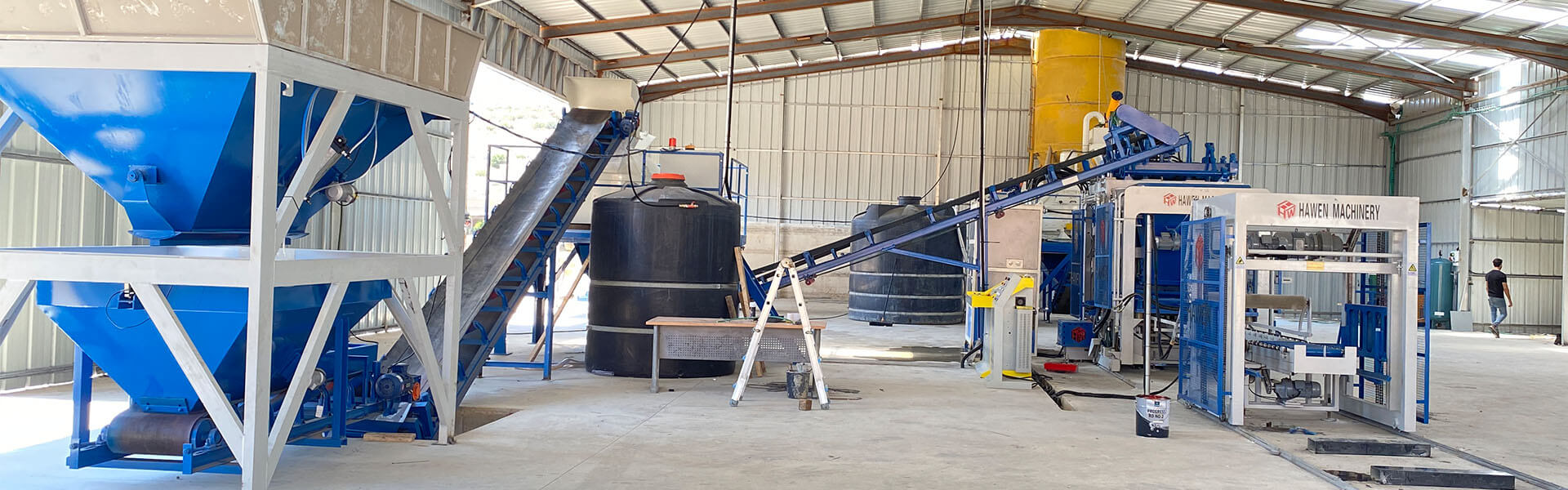
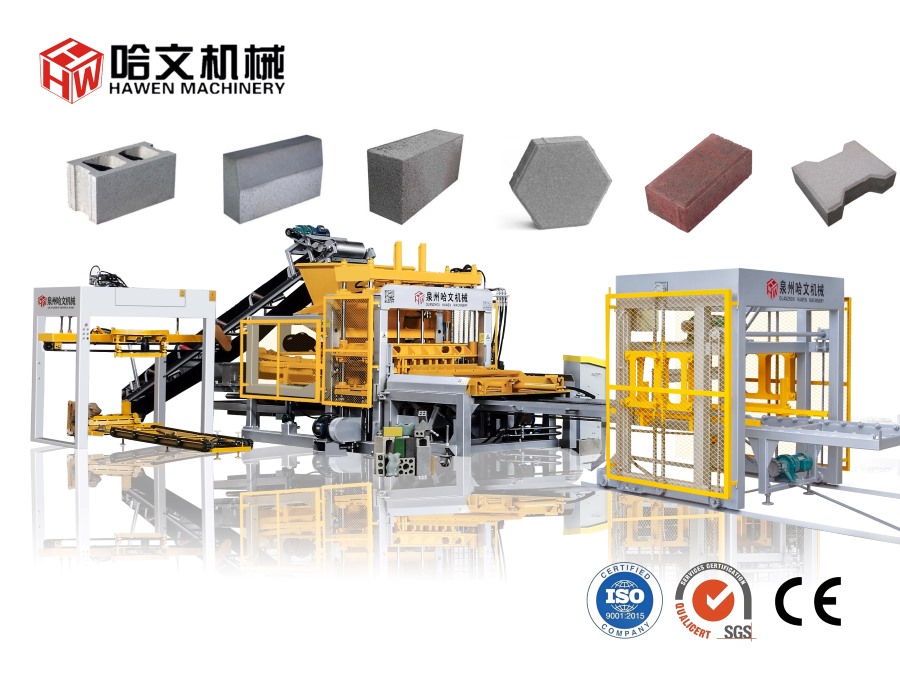
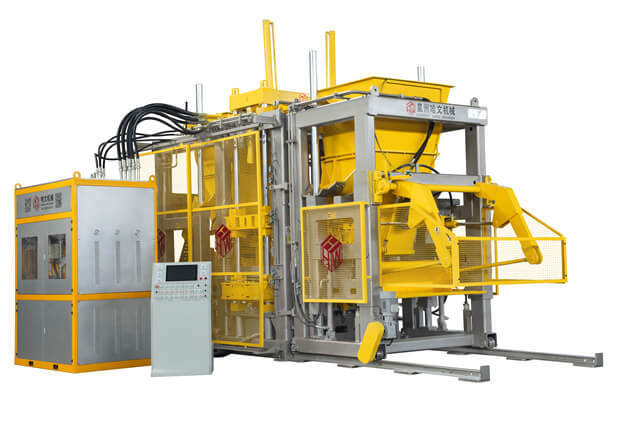
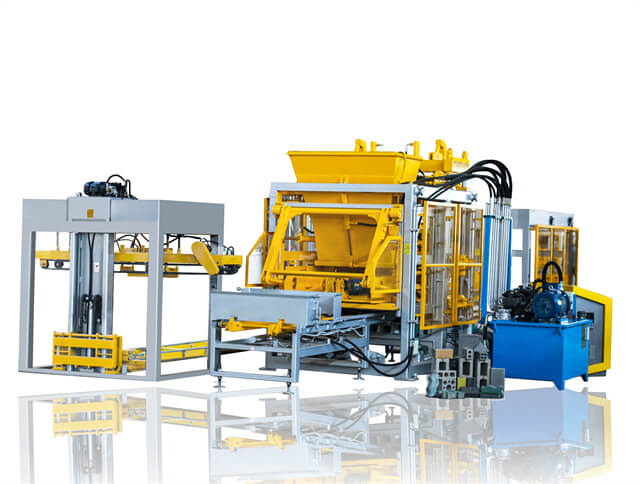
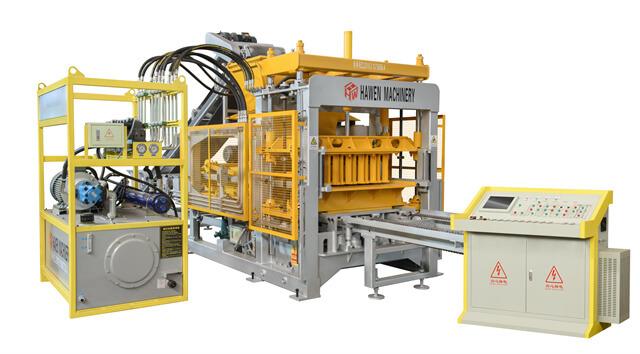
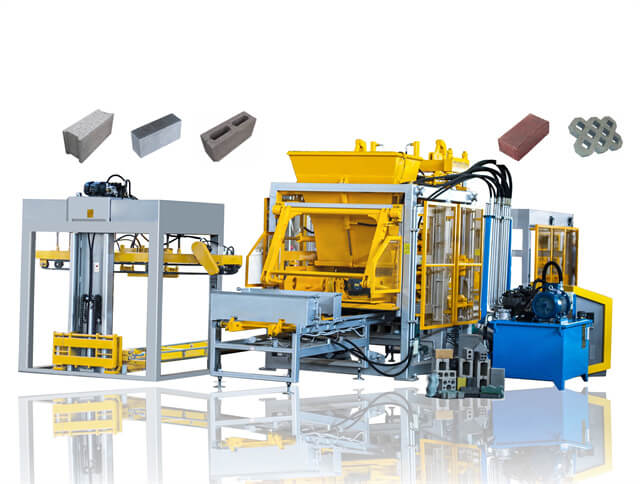
For buyers comparing an automatic block production line, this distinction is important. A short demonstration may show that blocks can leave the mold, but the buyer should also ask what happens after pallet transfer and after early curing. When considering a QT6-15 cement paver brick production machine, for example, the discussion should include product height, pallet size, curing space, handling method, and the raw material condition, not only cycle time and rated capacity.
The first ten minutes after demolding
The first ten minutes after demolding often reveal the source of low green strength. If the block loses shape immediately while still on the pallet, the mix may be too wet, the forming pressure may be insufficient, or the vibration may have failed to lock the material. If the block looks stable at first but breaks during pallet transfer, the issue may be handling vibration, pallet movement, conveyor impact, or weak edge support. If the block remains stable for an hour but cracks later, curing and moisture loss should be inspected.
A simple field method is to observe one pallet of blocks at three moments: immediately after demolding, after transfer to the curing area, and after the first early curing period. Record whether the defect appears at the top face, bottom face, corner, side wall, or hollow core. A defect that appears in the same mold position repeatedly points toward mold filling, tamper alignment, cavity cleaning, or local vibration. A defect that appears randomly after movement points more toward handling or green strength variation.
Operators should avoid changing several variables at once during this inspection. If water, vibration time, pressure, and feeding time are all changed together, the factory may not know which adjustment helped or harmed the result. One controlled adjustment at a time gives better evidence. This is slower for one hour, but faster than several days of guessing.
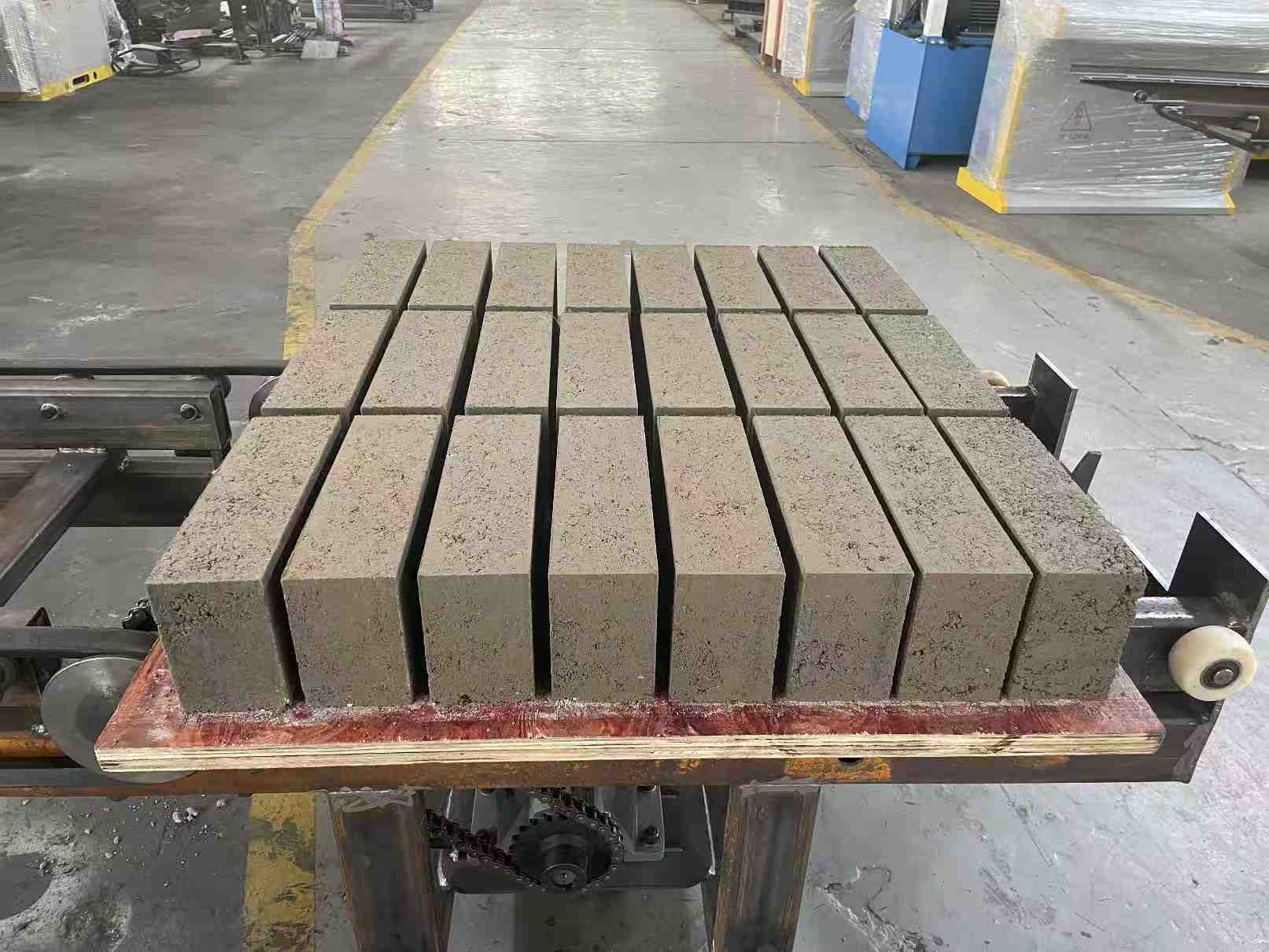
Moisture window for dry-cast concrete blocks
Dry-cast concrete used in block machines has a narrow moisture window. It must contain enough water to support cement hydration and compaction, but not so much water that the block slumps after demolding. If the mix is too dry, the block may stand at first but have loose corners, open texture, poor bonding, and weak edges. If the mix is too wet, the block may look dense but deform, stick to the mold, or collapse during pallet movement.
The correct moisture range depends on aggregate shape, sand fines, cement type, admixture, product height, and vibration energy. A mix that works for a thick hollow block may not work for a thin paver. A mix that works in the morning may behave differently in the afternoon if the sand stockpile dries under sun or absorbs rain. This is why moisture judgment should not rely only on a fixed water number. Operators need visual and handling checks, and factories with higher quality requirements should record moisture behavior by batch.
One practical observation is how the mix responds inside the mold. If it does not flow into corners, dry material or poor grading may be the cause. If it pumps, smears, or sticks, moisture may be too high. If the top surface closes but the block breaks at the lower edge, the material may be compacting unevenly or the pallet may be influencing vibration transfer. Moisture diagnosis should always be connected with product geometry and machine movement.
Vibration, pressure, and material locking
Vibration helps particles settle into a denser arrangement. Pressure helps shape and compress the material. In a block machine, these two actions must work together. If vibration is too weak or too short, material may not fill corners and hollow block webs may remain loose. If vibration is too aggressive for the moisture condition, the mix may separate or the fresh block may lose stability. If pressure is increased without proper filling, the top may look compact while lower sections remain weak.
Material locking means the fresh block has enough internal friction and compaction to hold its shape after the mold releases. This is not only a pressure number. It depends on particle grading, water, cement paste, vibration energy, and mold geometry. A tall product needs stronger internal stability than a low paver. A hollow block with thin webs needs controlled filling around core boxes. A kerbstone or large solid product may need different vibration behavior because material volume is higher.
A professional machine adjustment should start from the defect pattern. If corners are loose, inspect feeding and vibration before simply increasing pressure. If the block sticks, inspect moisture and mold cleanliness before increasing demolding speed. If height varies across the pallet, inspect feed distribution, pallet flatness, and mold alignment. Machine settings matter, but settings are most useful when they respond to a specific observation.
Pallet transfer damage that looks like weak mix
Not every broken green block has a weak mix. Sometimes the block is damaged after forming because the pallet transfer is too rough. Fresh products can be affected by sudden stops, vibration on the conveyor, uneven pallet support, or stacking before the block has enough early stability. The defect may look like a material problem, but the cause is mechanical handling after demolding.
The easiest test is to compare blocks before and after transfer. If the block leaves the mold with clean edges but later shows chipped corners, the transfer path needs inspection. Check whether the pallet hits a stop, whether the conveyor shakes, whether the pallet bends, and whether the operator moves fresh pallets too quickly. For high-output plants, the handling system must be matched to the machine capacity. Otherwise, the machine may produce blocks faster than the curing and transfer system can safely accept them.
Pallet condition is part of this issue. A dirty or uneven pallet can create bottom marks, height variation, and stress points in green blocks. If defects follow certain pallets, replacing the mold or changing the mix will not solve the problem. Marking pallets during a test run is a simple way to separate pallet-related defects from machine-related defects.
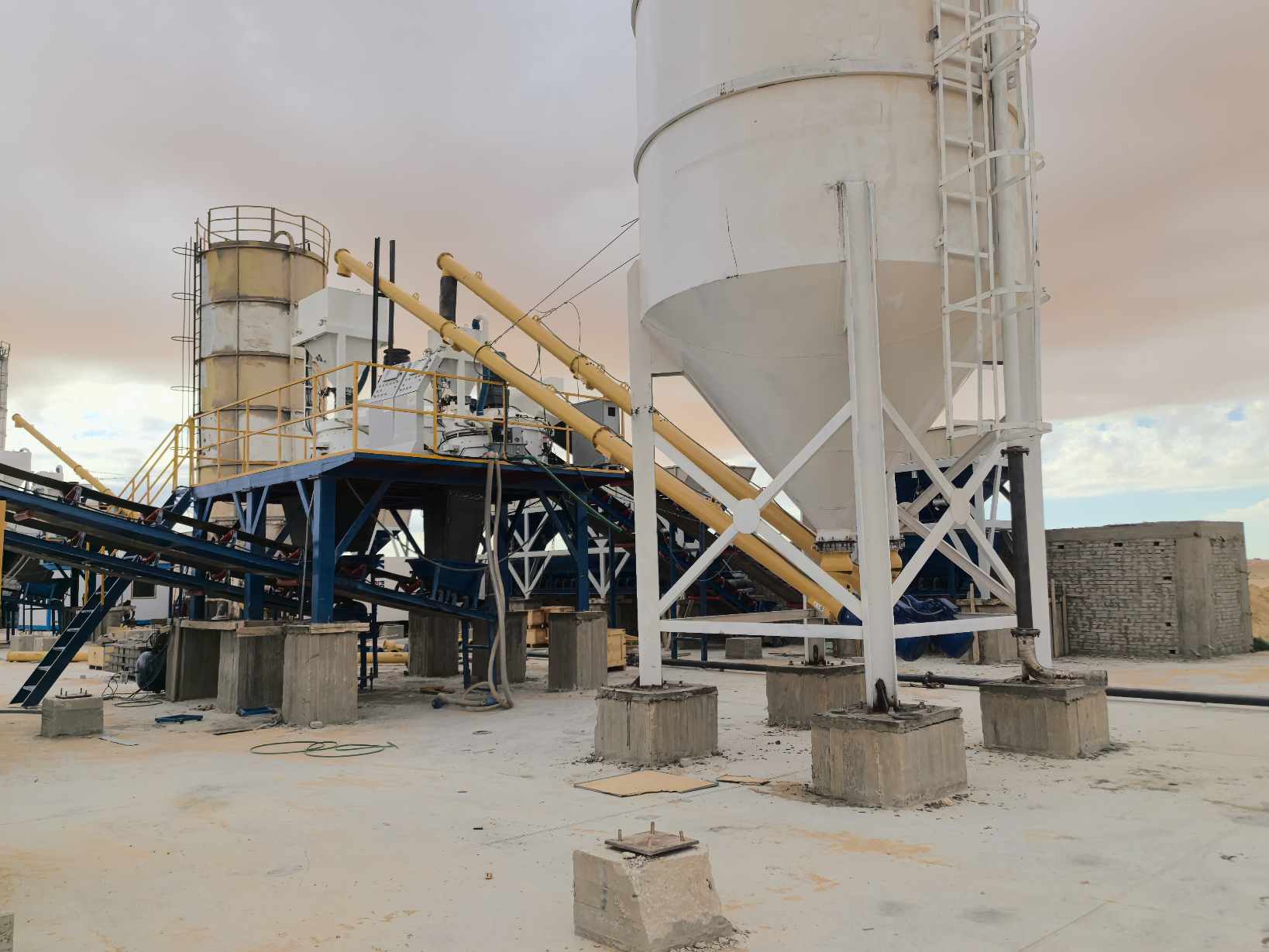
Curing control before strength complaints
Curing begins immediately after forming. If fresh blocks lose moisture too quickly, cement hydration is affected and surface weakness may appear. If blocks are exposed to sun, wind, or uneven humidity, the same batch may develop different color and strength performance. A block that looked acceptable at demolding may become weak, cracked, or powdery after poor early curing.
Factories should check curing conditions before assuming the machine has a forming problem. Compare blocks from the same production time placed in different curing positions. If blocks near the edge of the yard become weaker or lighter in color, drying exposure may be the cause. If blocks covered properly perform better than uncovered blocks, moisture protection needs improvement. If blocks from all curing positions are weak, then mix design, compaction, cement, or machine settings deserve deeper review.
Curing capacity also affects production planning. A machine with higher output requires enough pallets, curing racks, floor space, and handling equipment. If fresh blocks are crowded, moved too early, or stacked incorrectly, green strength problems may increase. Buyers should therefore include curing layout in the machinery discussion, not treat it as an afterthought.
Diagnostic table for low green strength
The table below gives a practical inspection order for common green strength problems. It is designed for factory observation, supplier discussion, and production troubleshooting.
| Observed symptom | Likely area to inspect first | Practical check |
|---|
| Block slumps immediately after demolding | Excess moisture, insufficient compaction, weak material locking | Reduce moisture slightly and compare shape stability without changing several settings at once. |
| Corners break during pallet transfer | Handling shock, low green strength, rough transfer path | Inspect blocks before and after transfer, and watch for sudden pallet movement. |
| Loose texture around hollow block webs | Poor mold filling, dry mix, unsuitable aggregate size, weak vibration | Check material flow around core boxes and compare web density by mold position. |
| Bottom face damage repeats on certain pallets | Pallet flatness, pallet surface residue, pallet stiffness | Mark pallets and confirm whether defects follow the same pallet numbers. |
| Blocks crack or become powdery after early curing | Rapid drying, poor humidity control, weak mix design, low cement hydration | Compare covered and uncovered blocks from the same batch and record curing location. |
Factory records that reduce guesswork
Green strength diagnosis becomes much easier when the factory records a few variables every day. Useful records include sand moisture condition, water addition, cement batch, product type, mold number, cycle time, vibration setting, pallet group, weather condition, curing location, and the time when defects first appear. The purpose is not to create paperwork for its own sake. The purpose is to make patterns visible.
For example, if weak corners appear only after rain changes sand moisture, the material side deserves attention. If defects repeat on one mold cavity, local mold filling or wear should be inspected. If damage appears only after transfer, the conveyor and pallet movement should be checked. If cracking appears mostly near the curing yard entrance, wind and sun exposure may be drying the surface too quickly. These observations are often more valuable than general advice.
Factories that sell multiple products should keep separate records for each product. A setting that works for a 200 mm hollow block may not work for a 60 mm paver. A kerbstone mold may require a different material behavior from a small interlocking paver. Treating all products as the same process can create repeated quality problems.
FAQ
Does low green strength always mean the cement content is too low?
No. Low green strength can come from excess moisture, poor aggregate grading, weak compaction, rough pallet transfer, dirty pallets, or poor early curing. Cement content is important, but increasing cement without diagnosis may raise cost without solving the real problem.
Why do blocks look stable at demolding but break during transfer?
This often means the blocks have enough shape to leave the mold but not enough resistance to handling shock. Check pallet movement, conveyor impact, transfer speed, pallet flatness, and whether the mix has enough early stability for the product height and weight.
Can a dry mix create green strength problems?
Yes. A dry mix may stand after demolding, but corners and hollow block webs can be loose if the material does not compact and bond correctly. It may also reduce final hydration quality if there is not enough moisture for cement reaction.
Should vibration time be increased when blocks are weak?
Only after observing the defect pattern. More vibration may improve filling in some dry or poorly compacted mixes, but it may also cause segregation or instability when moisture is high. Adjust vibration together with moisture and material behavior, not as a blind correction.
What should buyers ask suppliers about green strength?
Buyers should ask how the machine, mold, pallet, transfer system, and curing layout work together for the target products. They should also provide block dimensions, product photos, raw material information, target output, and curing plan before expecting a reliable configuration recommendation.
Conclusion
Low green strength is not a single problem with a single answer. It can start from moisture, aggregate grading, mold filling, vibration, pressure, pallet support, transfer impact, or curing exposure. The most useful diagnostic method is to observe when the defect appears and whether it follows a mold position, a pallet, a material batch, or a curing location.
For production teams, the next step is to test one variable at a time and record the result. For buyers, the next step is to discuss the block machine as a complete production system, including mold design, pallet quality, material condition, transfer method, and curing layout. A machine that forms blocks quickly is valuable only when the fresh products can survive the first handling stage and develop stable strength during curing.





 Tel: +86-13905968794
 Email: export@hwmachines.com
 MP/WhatsApp: +86-13905968794
 Manufacturer Address:Nanan,Quanzhou City,Fujian Province,China