Concrete block manufacturing cost per block is the total production expenditure assigned to each sellable masonry unit. It includes more than cement, sand, and aggregate: electricity, direct labor, pallets, mould wear, maintenance, rejected products, equipment depreciation, and factory overhead can materially change the result. A useful calculation therefore begins with a clearly defined cost boundary and divides total cost by acceptable output rather than theoretical machine output.
This method helps block producers compare product designs, production shifts, raw-material recipes, and automation levels on a common basis. It also prevents a frequent purchasing error: selecting a machine because its purchase price is lower while overlooking labor demand, reject rate, downtime, mould life, or energy consumption. The framework below is intended for feasibility studies and internal planning; local quotations, material trials, tax rules, and accounting policies should replace the illustrative assumptions before an investment decision is made.
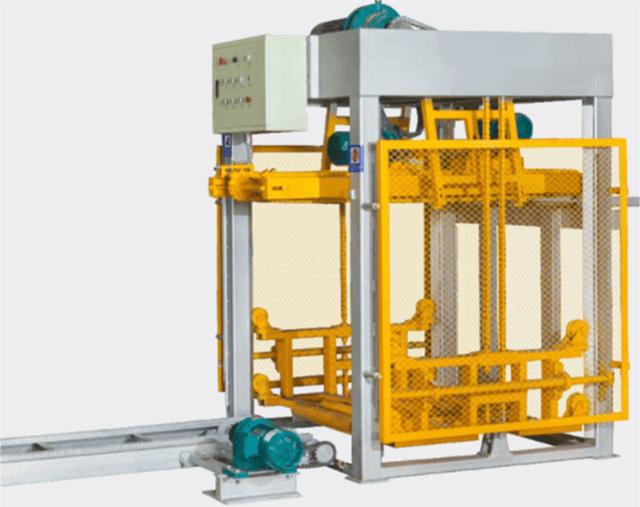
Cost Model Fundamentals
Cost Boundary and Key Terms
The first step is to decide which activities belong inside the calculation. A forming-only cost may cover batching through demoulding, while a factory-gate cost may also include curing, cubing, packaging, internal transport, quality inspection, and loading preparation. Delivery freight and dealer margin are normally calculated separately because they vary by destination and sales channel.
| Term | Definition | Buyer significance |
|---|
| Variable cost | Expense that changes substantially with production volume, such as cement, aggregate, pigment, power, and some labor. | Shows the immediate cost of producing an additional block. |
| Fixed cost | Expense allocated over time, including depreciation, rent, salaried supervision, and some administrative overhead. | Falls per block when sellable output rises, provided capacity is available. |
| Rated output | Nominal production based on pieces per mould and stated cycle time. | Should not be used as the denominator without an efficiency allowance. |
| Sellable output | Products that remain acceptable after forming, handling, curing, and inspection. | Provides the most practical denominator for unit cost. |
| Reject rate | Percentage of formed products that cannot be sold at the intended grade. | Increases material and processing cost carried by every acceptable unit. |
Definition note: Cost per block and selling price per block are not interchangeable. Selling price must also account for finance expense, tax, sales administration, distribution, market risk, and the producer's required margin.
A practical factory-gate calculation uses sellable output as the denominator:
Unit manufacturing cost = (daily variable cost + daily fixed-cost allocation) / daily sellable output.
Daily sellable output can be estimated from production data:
Sellable output = pieces per mould x cycles per hour x effective operating hours x acceptance rate.
Effective operating hours should exclude planned breaks, mould changes, cleaning, material shortages, and normal minor stoppages. Acceptance rate should reflect both immediate forming defects and later losses from curing cracks, edge damage, dimensional variation, or handling.
Material cost should be calculated from measured consumption rather than recipe percentages alone. If one batch produces several pallets, weigh or record the cement, aggregate, water, pigment, and admixture used, then divide the batch cost by the number of acceptable products. Moisture correction is important because wet aggregate changes both measured mass and required water.
Worked Calculation Example
The following example demonstrates the method for one production day. The values are hypothetical and are not supplier quotations or universal industry averages. Currency is shown in US dollars only to make the arithmetic easy to follow.
Method note: Packaging, outbound freight, tax, sales commission, and profit are excluded from this example. Include them only when calculating delivered cost or selling price.
Cost Drivers and Product Scenarios
Major Cost Drivers
Raw-material recipe: Cement is commonly one of the largest variable-cost components. Reducing cement dosage without laboratory or production verification can create hidden losses through weak edges, low density, poor curing performance, and customer rejection. Cost control should focus on consistent aggregate grading, moisture measurement, accurate batching, and repeatable compaction rather than uncontrolled recipe reduction.
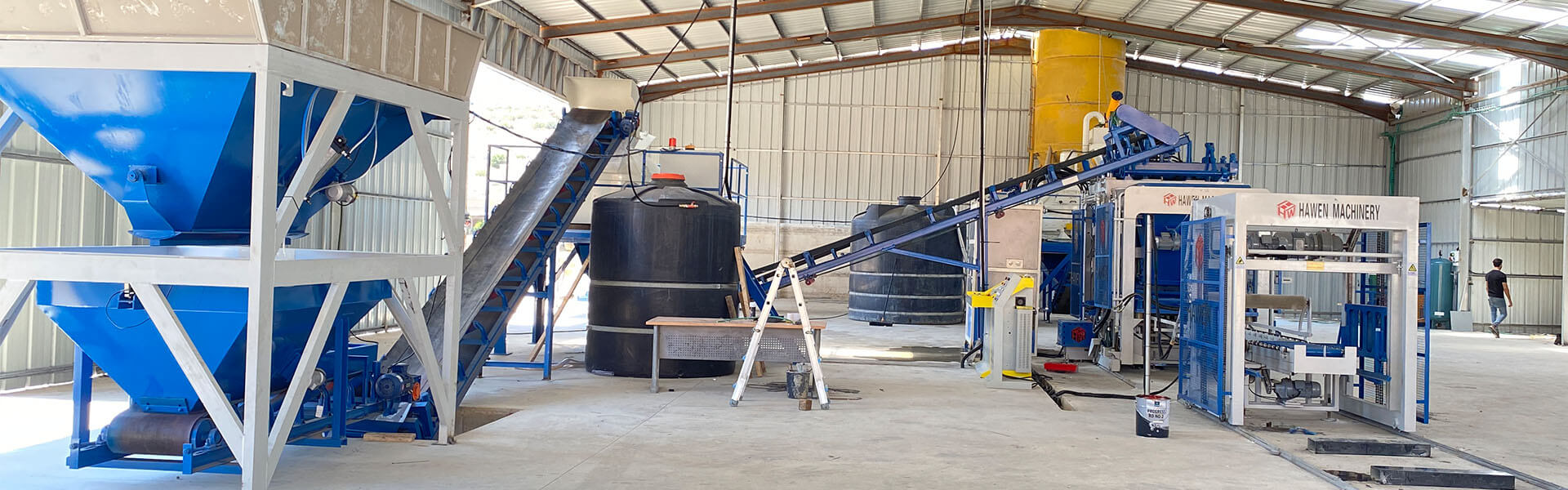
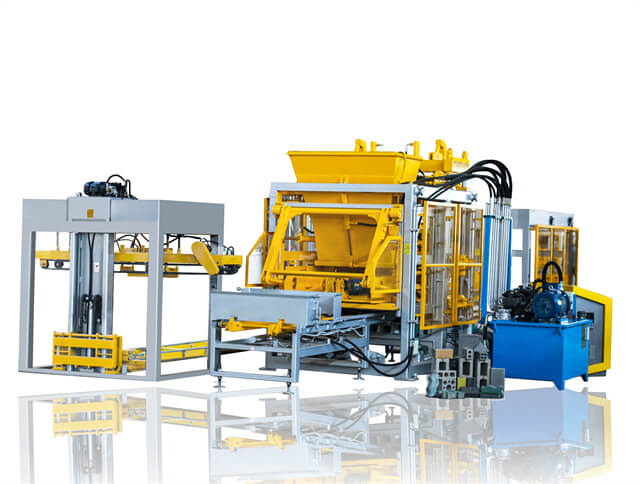
Cycle stability: A short catalogue cycle does not automatically produce a low unit cost. Unstable feeding or insufficient vibration can increase rejects. Stable cycles from an appropriately configured automatic concrete paver block machine may reduce unit cost through repeatability, but only when the mixer, conveyors, pallet circulation, curing capacity, and operators can support the line.
Labor structure: Automation can reduce repetitive handling and improve process consistency, but it does not remove all labor. A realistic plan includes batching supervision, machine operation, quality checks, forklift movement, maintenance, mould changes, curing control, and finished-product loading.
Energy: Electricity cost depends on installed motor power, actual load factor, operating hours, compressor demand, and local tariff structure. Record power at the meter during representative production rather than multiplying every motor's rated power by the full shift.
Downtime: When production stops, wages, rent, finance cost, and some energy demand continue while output falls. Preventive maintenance, critical spare parts, sensor cleaning, lubrication, and planned mould inspection can therefore reduce unit cost even when they add visible maintenance expense.
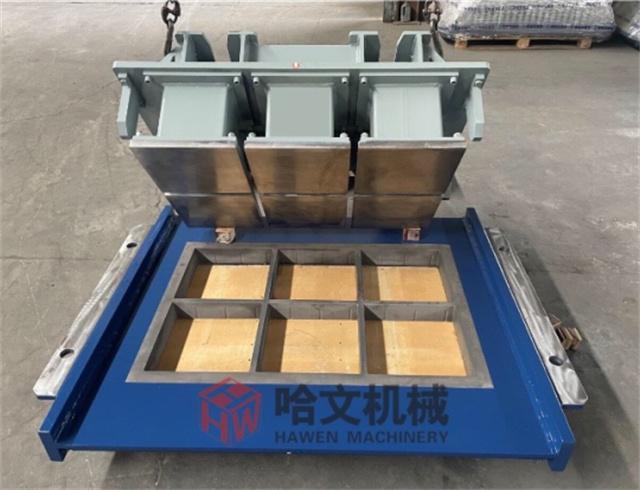
Pallet and mould life: Pallets and moulds are production assets with finite service lives. Their cost per block equals purchase and refurbishment cost divided by expected acceptable production. Product geometry, material abrasiveness, vibration settings, cleaning practice, and handling all influence that life.

Cost Differences by Product Type
Cost should be calculated separately for each sellable product. A factory producing hollow blocks, solid bricks, colored pavers, and kerbstones cannot accurately apply one average unit cost to every item.
| Product scenario | Important cost variables | Useful reporting unit |
|---|
|







 Tel: +86-13905968794
 Email: export@hwmachines.com
 MP/WhatsApp: +86-13905968794
 Manufacturer Address:Nanan,Quanzhou City,Fujian Province,China