The concrete block manufacturing industry continues to attract entrepreneurs and investors worldwide due to its relatively stable market demand, scalable production capacity, and attractive profit potential. Whether producing hollow blocks, solid bricks, paving stones, kerbstones, or other precast concrete products, one question remains at the center of every investment decision:
How long does it take to recover the investment in a block plant?
The answer depends on far more than the initial purchase price of a block machine. Production efficiency, product mix, market demand, operational management, and equipment reliability all play decisive roles in determining the payback period.
This article explores the key factors that influence investment recovery and explains how investors can shorten the path toward profitability.
Understanding Investment Recovery in a Block Plant
Investment recovery, often referred to as the payback period, represents the amount of time required for cumulative profits to equal the total capital invested in a project.
For a block manufacturing facility, the total investment generally includes:
Block machine or brick machine acquisition
Land and factory construction
Raw material inventory
Labor recruitment and training
Electrical installation and infrastructure
Transportation and logistics
Molds and auxiliary equipment
Working capital for initial operations
Many first-time investors focus exclusively on machine costs. In reality, the profitability of a block making machine project depends on the performance of the entire production ecosystem.
Note: A lower equipment price does not necessarily translate into a faster return on investment. Frequent downtime and inconsistent product quality often create hidden costs that far exceed the initial savings.
Factor 1: Production Capacity Determines Revenue Potential
The most direct factor affecting investment recovery is production capacity.
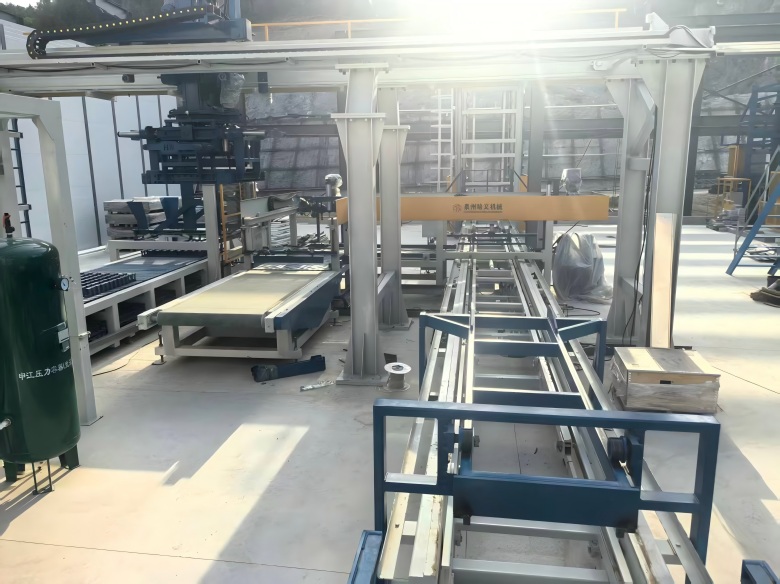
A small manual brick making machine may require a relatively low initial investment, but its output is limited. Conversely, a fully automatic block machine can generate significantly higher daily production volumes, allowing fixed costs to be distributed across more products.
For example:
Small semi-automatic production lines suit local markets and startup businesses.
Medium-sized automatic block making machine systems provide a balance between investment and output.
Fully automatic production plants target large-scale infrastructure and commercial construction projects.
When evaluating payback periods, investors should focus on:
Daily production volume
Equipment utilization rate
Product selling price
Market absorption capacity
A machine that produces more blocks than the market can absorb may not generate faster returns despite its higher capacity.
Factor 2: Product Mix Significantly Influences Profit Margins
Not all concrete products generate identical profits.
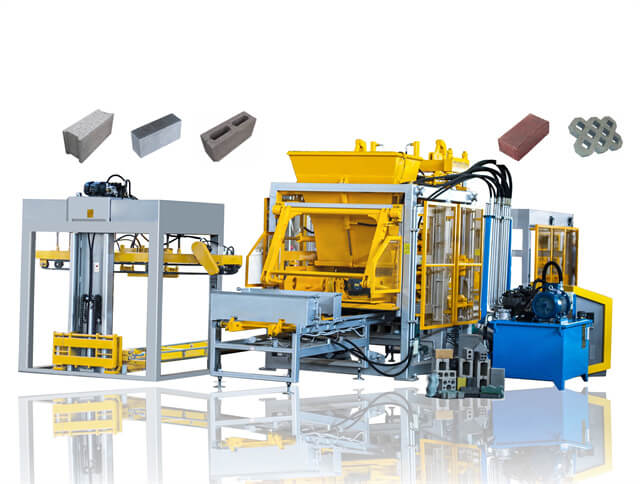
Many successful manufacturers diversify production by using interchangeable molds to produce:
Hollow blocks
Solid blocks
Interlocking pavers
Curbstones
Retaining wall blocks
Landscaping products
Decorative paving products often command higher margins than standard masonry units.
A modern block machine capable of rapid mold changes allows manufacturers to respond quickly to evolving market demand, thereby maximizing equipment utilization and improving overall profitability.
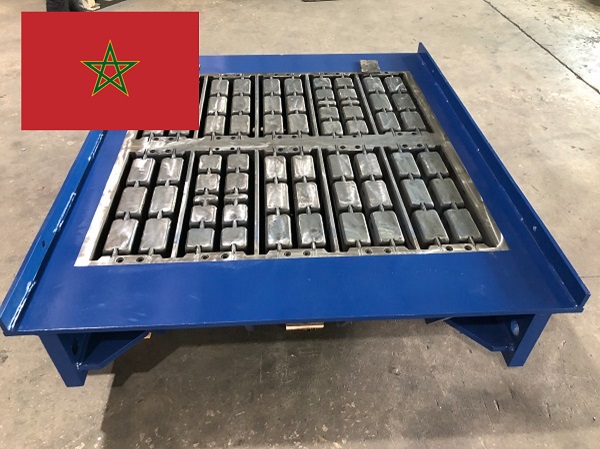
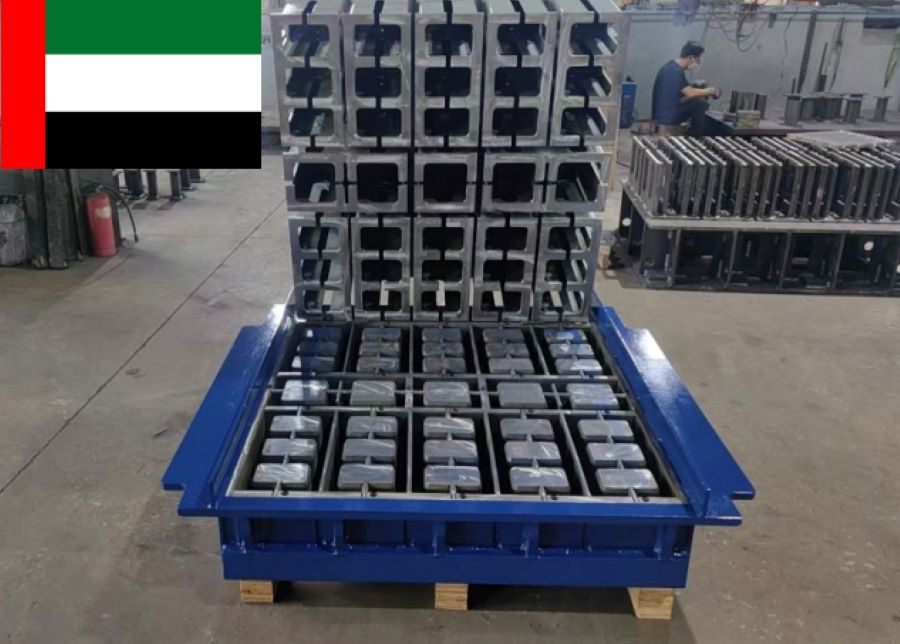
At Hawen Machinery, we manufacture molds compatible with major industry brands, including Masa, Hess, Zenith, Poyatos, Besser, Tiger, Columbia, Quadar, Omag, and others. Produced according to original specifications, these molds ensure precise installation and stable production performance. Each mold undergoes professional heat treatment to improve wear resistance, while hardness testing typically reaches HRC60–62, extending service life under demanding operating conditions.
Factor 3: Raw Material Efficiency Has a Direct Impact on Profit
In block production, raw materials account for a substantial portion of operating expenses.
Even a modest reduction in cement consumption can generate significant savings over time.
This is where machine design becomes particularly important.
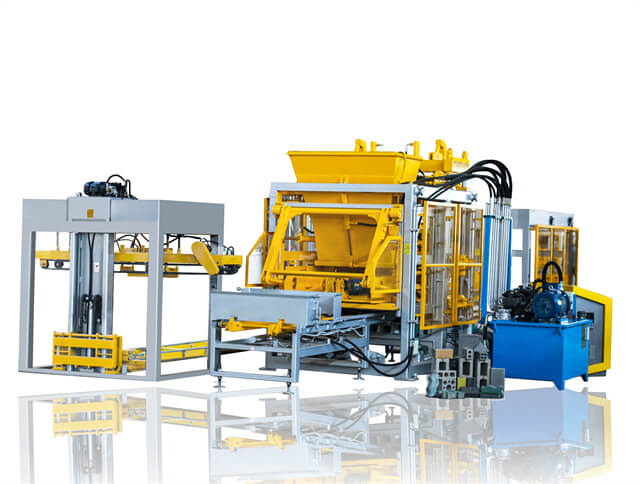
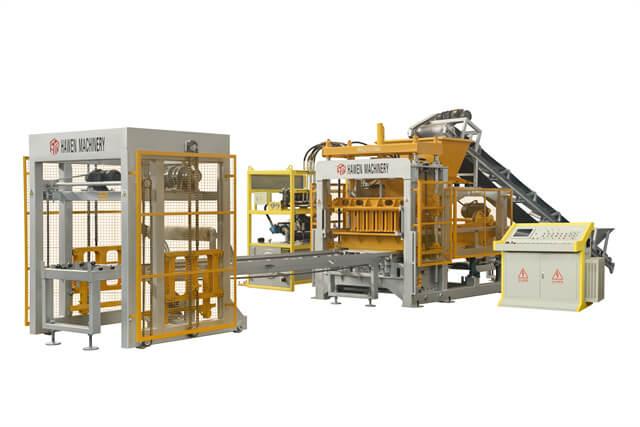
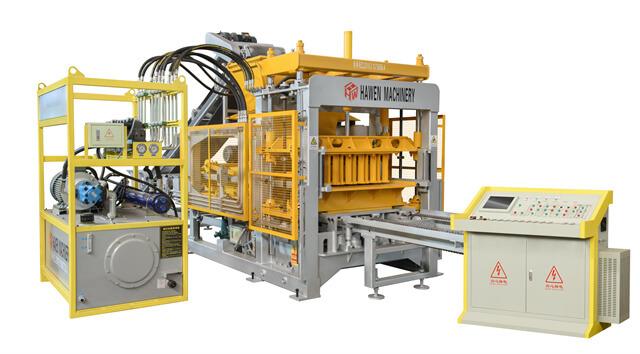
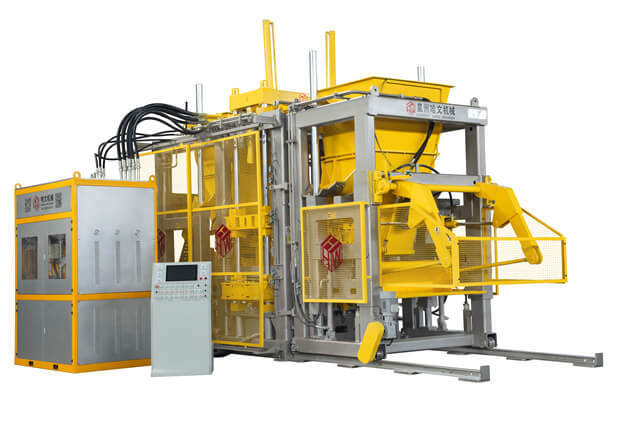
Hawen Machinery adopts a four-shaft vibration box structure with externally mounted eccentric blocks. This engineering configuration minimizes vibration resistance, promotes more uniform compaction, and improves material distribution throughout the mold cavity. As a result, producers can achieve consistent product strength while reducing unnecessary cement consumption and enhancing overall production efficiency.
Over several years of operation, improvements in material utilization can dramatically shorten the investment recovery cycle.
Factor 4: Equipment Reliability Reduces Hidden Costs
Unexpected downtime is one of the most underestimated threats to profitability.
When a brick machine stops operating, losses extend beyond repair expenses. Production interruptions can delay deliveries, affect customer relationships, and reduce overall plant productivity.
Reliable hydraulic systems are therefore essential.
In Hawen Machinery equipment, the hydraulic station incorporates premium Japanese YUKEN proportional and directional valves alongside high-performance American ALBERT hydraulic pumps. This combination delivers accurate hydraulic control, strong load-bearing capability, and long-term operational stability even under intensive production schedules.
For investors, equipment reliability translates directly into higher uptime and faster capital recovery.
Factor 5: Automation Reduces Labor Dependency
Labor costs continue to rise in many regions around the world.
Modern block plants increasingly rely on automation to improve consistency and reduce operational expenses.
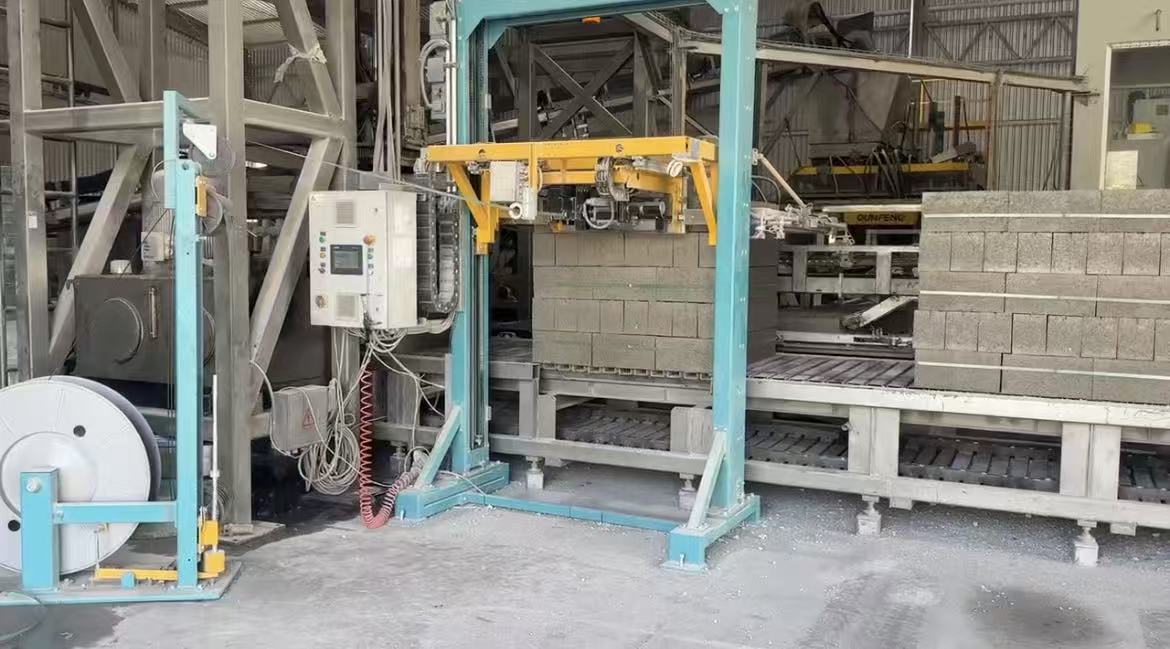
A fully automated production line may include:
Automatic batching system
Automatic mixer
Automatic feeding system
Forming machine
Elevator and lowerator
Finger car system
Curing chamber
Automatic cuber
Automatic packaging system
By minimizing manual intervention, manufacturers can reduce labor requirements while maintaining stable production quality.
Although automation increases initial investment, it often accelerates long-term returns through improved efficiency and lower operating costs.
Factor 6: Intelligent Control Systems Improve Overall Performance
Operational efficiency depends not only on mechanical components but also on intelligent process management.
Hawen Machinery integrates a SIEMENS S7-200 PLC control platform with a user-friendly touch-screen interface and remote monitoring functions. Through this system, our engineers can monitor the operating status of customers' block machines in real time, remotely adjust key parameters, identify potential issues at an early stage, and support stable production quality.
This level of operational transparency helps manufacturers reduce troubleshooting time and maximize equipment utilization.
Typical Payback Periods in the Industry
Although every market differs, general industry experience suggests the following ranges:
Plant Type Typical Payback Period
Small Manual Plant 12–24 Months
Semi-Automatic Plant 10–18 Months
Fully Automatic Plant 8–15 Months
Large Commercial Plant 6–12 Months
These estimates depend heavily on market demand, production efficiency, product pricing, and management practices.
A well-managed factory with stable orders can recover its investment considerably faster than an inefficient operation with inconsistent sales channels.
How to Shorten the Investment Recovery Period
Investors seeking faster returns should focus on several practical strategies:
1. Select Equipment According to Market Demand
Avoid purchasing oversized equipment that exceeds actual market requirements.
2. Diversify Product Offerings
Use multiple molds to manufacture various concrete products throughout the year.
3. Improve Material Management
Monitor mix designs carefully to reduce waste and optimize cement consumption.
4. Prioritize Equipment Reliability
Choosing a dependable block making machine often yields greater long-term value than selecting the lowest-priced option.
5. Strengthen Sales Channels
A factory with stable customers will always recover investment faster than one relying solely on occasional orders.
The Real Secret Behind Fast Investment Recovery
Many newcomers assume that investment recovery is determined solely by machine price. In reality, successful block manufacturing is a comprehensive system involving technology, market positioning, production management, quality control, and operational discipline.
The fastest-returning factories are rarely those that spend the least. Instead, they are the factories that produce consistently, minimize waste, maintain stable product quality, and adapt quickly to changing market conditions.
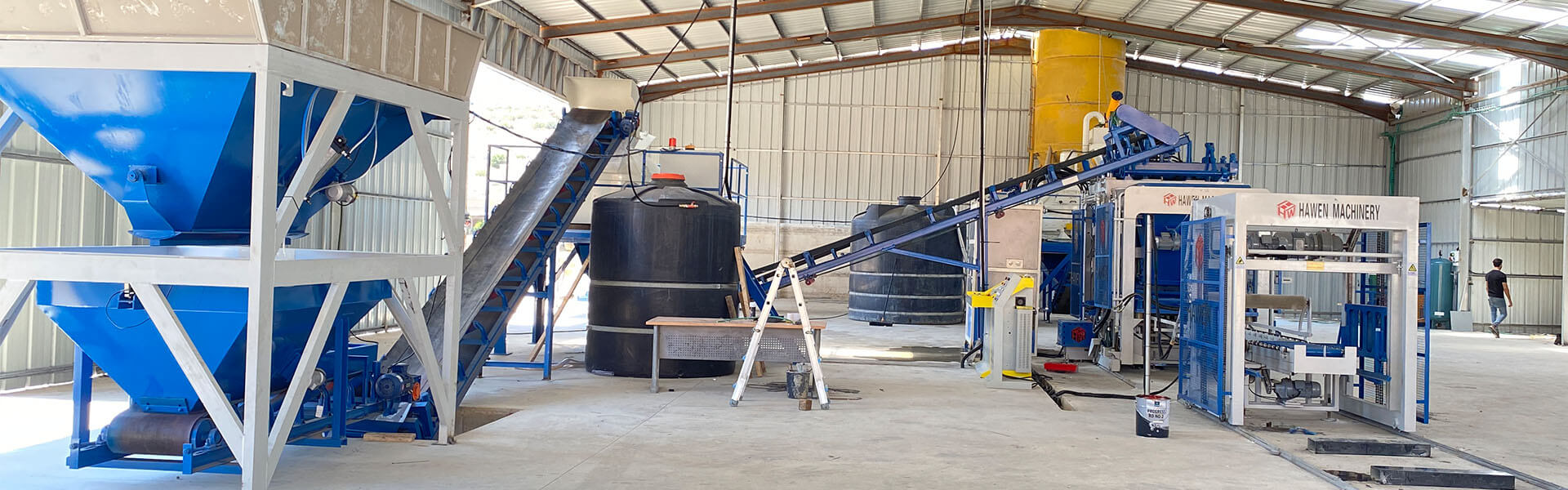
At Hawen Machinery, we believe a block machine is not merely a piece of equipment. It is the cornerstone of a long-term manufacturing enterprise. When advanced engineering, reliable automation, efficient material utilization, and professional technical support converge, the result is more than concrete products—it is sustainable profitability, business resilience, and enduring competitive advantage.
As global demand for infrastructure, housing, and urban development continues to expand, the most valuable investment is not simply buying a machine. It is building a production system capable of generating value year after year, transforming raw materials into opportunity, and converting ambition into lasting industrial success.
FAQ
1. What is the most important factor affecting the payback period of a block plant?
Production efficiency and market demand are usually the two most influential factors. Even the most advanced brick machine cannot generate fast returns without sufficient sales volume.
2. Can a small block factory recover investment quickly?
Yes. If the local market demand is strong and operational costs are controlled effectively, a small factory can often achieve a competitive payback period despite its lower production capacity.
3. Is a fully automatic block machine worth the higher investment?
For businesses planning long-term growth, fully automatic systems often provide better returns through higher productivity, reduced labor costs, improved product consistency, and lower operating expenses.
4. How can I increase profit margins in block production?
Optimizing mix designs, reducing waste, expanding product varieties, improving equipment utilization, and maintaining consistent product quality are among the most effective approaches.
5. Should I buy the cheapest block making machine available?
Not necessarily. The lowest purchase price may lead to higher maintenance costs, lower production efficiency, and longer downtime. Total lifecycle value is generally more important than initial acquisition cost alone.





 Tel: +86-13905968794
 Email: export@hwmachines.com
 MP/WhatsApp: +86-13905968794
 Manufacturer Address:Nanan,Quanzhou City,Fujian Province,China