How to Start Block Production with Limited Budget
Author:HAWEN Block MachineFROM:Brick Production Machine Manufacturer
TIME:2026-04-30
Entering the concrete block manufacturing industry does not necessarily require substantial capital outlay. What it demands, instead, is a disciplined allocation of resources, a clear understanding of production fundamentals, and a pragmatic approach to equipment selection. For small and medium investors, the central question is not how much to invest, but how to invest with precision.
This article outlines a structured pathway to initiate block production under financial constraints—without compromising product quality or long-term scalability.
1. Start with a Minimal Yet Functional Production Configuration
A common misconception among first-time investors is that higher automation guarantees better returns. In reality, over-investment at the initial stage often leads to prolonged payback periods and underutilized capacity.
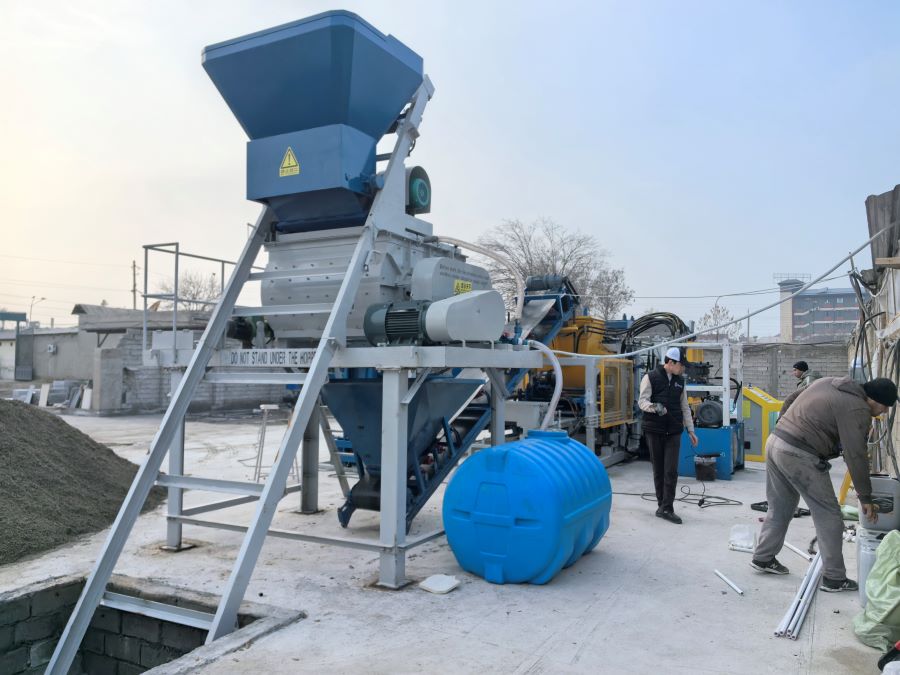
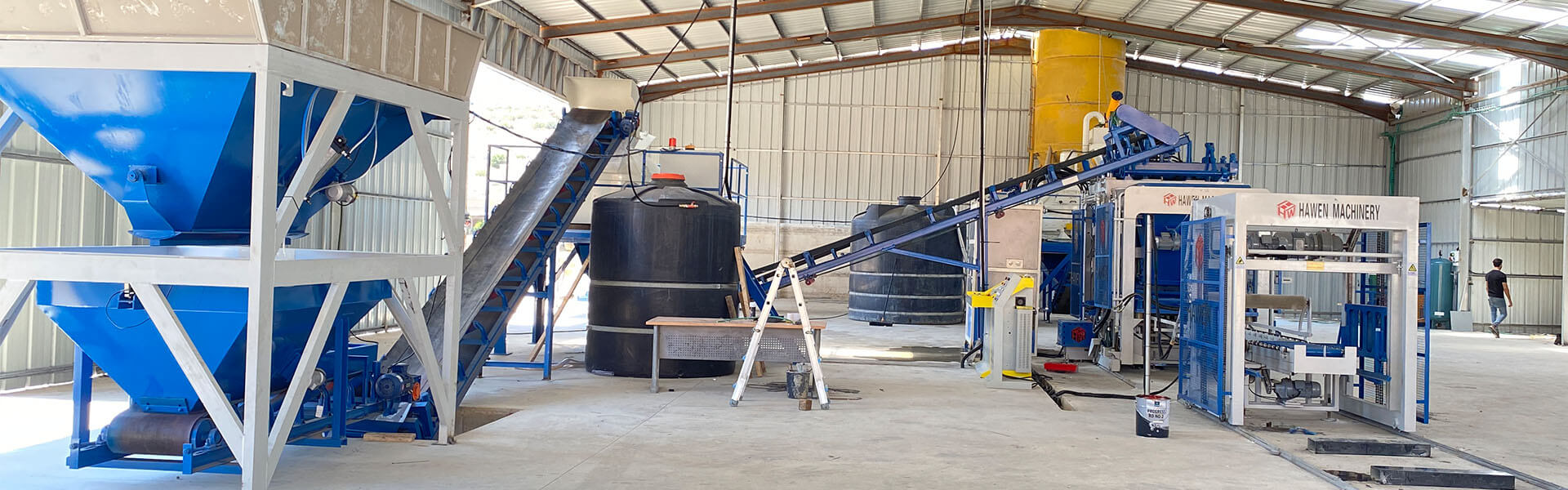
A cost-efficient setup typically includes:
A basic batching system (manual or semi-automatic)
A pan or planetary mixer for uniform material blending
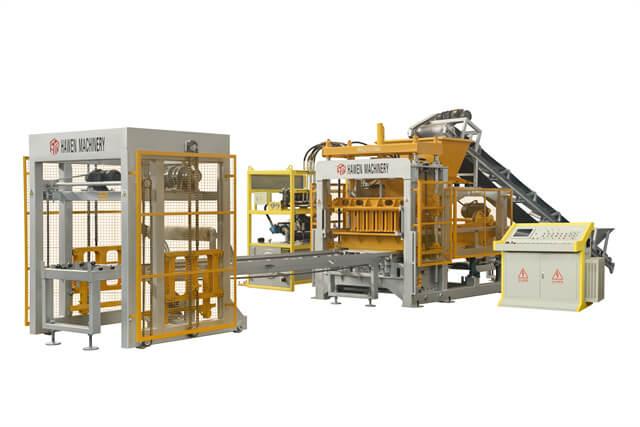
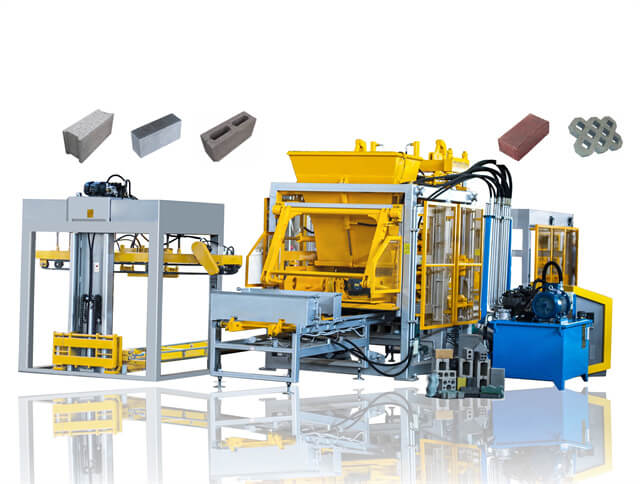
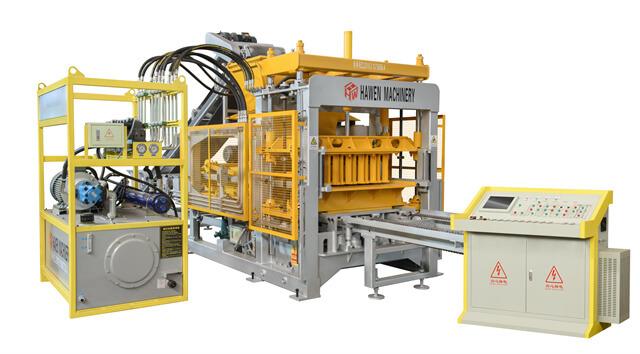
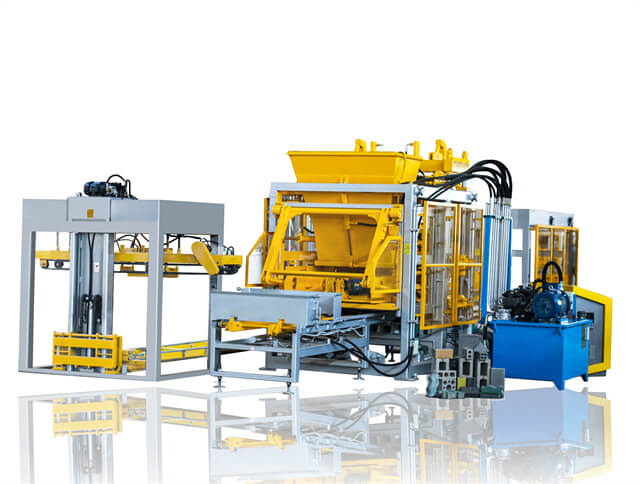
A block making machine (manual, semi-automatic, or entry-level automatic)
Simple stacking solutions (manual stacking or basic stacker)
This configuration ensures operational continuity while maintaining manageable capital expenditure.
Note: Early-stage profitability is often determined more by equipment utilization rate than by automation level.
2. Optimize Raw Material Usage to Reduce Cost Pressure
Material cost—particularly cement—accounts for a substantial proportion of total production expenses. Therefore, optimizing the mix design is not optional; it is imperative.
Key strategies include:
Adjusting aggregate gradation to improve packing density
Maintaining controlled moisture content to avoid overuse of cement
Ensuring consistent mixing time to prevent material segregation
A well-balanced mix can significantly enhance compressive strength while reducing cement consumption—a dual benefit that directly improves margins.
3. Focus on Compaction Quality Rather Than Machine Size
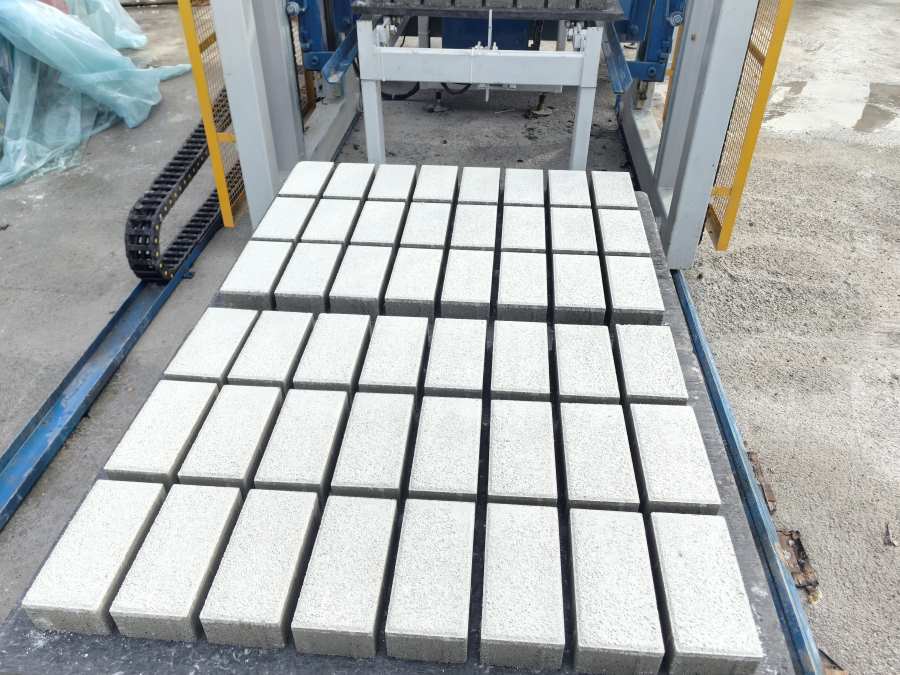
In block production, compaction quality is a decisive variable. Even with a modest machine, poor compaction will result in weak, inconsistent blocks.
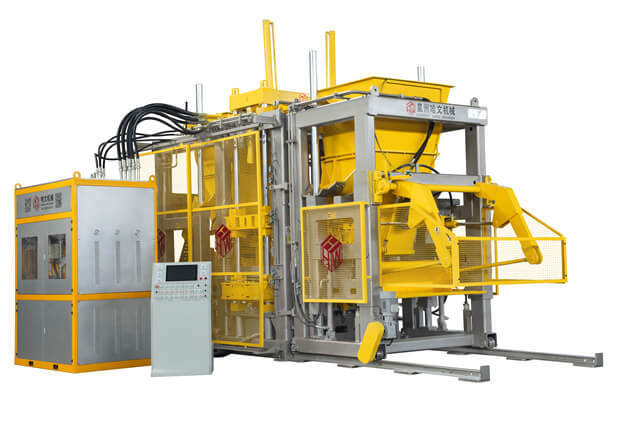
At Hawen Machinery, for instance, a four-shaft vibration box configuration is employed, with eccentric weights arranged externally to the housing. This structural design reduces internal resistance during vibration, enabling more efficient energy transfer. The result is uniform compaction, lower cement demand, and improved production efficiency.
This illustrates a critical principle: engineering design often outweighs machine scale.
4. Select Durable Moulds to Avoid Hidden Costs
Moulds are frequently underestimated in budget planning, yet they have a direct impact on product quality and operational stability.
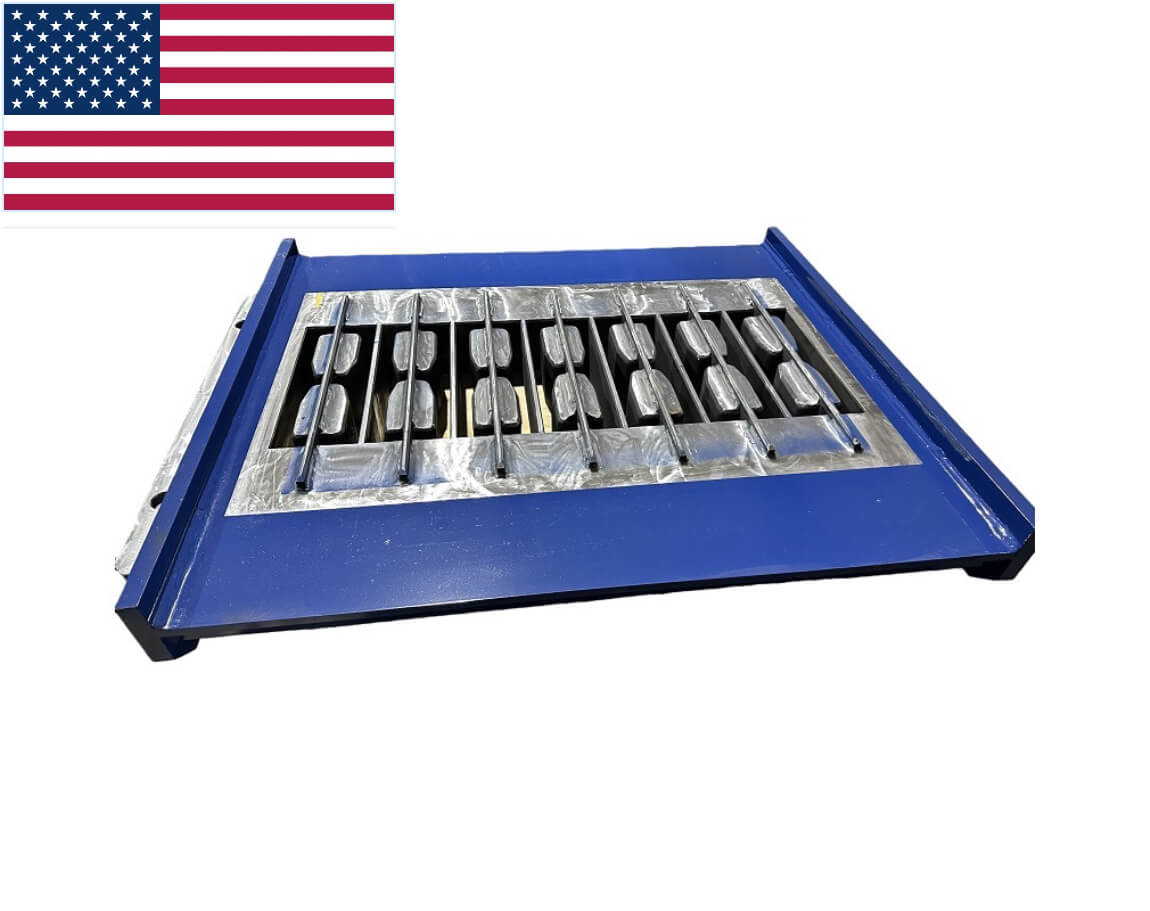
Hawen Machinery designs moulds compatible with major international brands such as MASA, HESS, ZENITH, POYATOS, BESSER, and TIGER. Manufactured according to original specifications, these moulds ensure precise alignment, smooth demoulding, and consistent block geometry across different platforms.
In addition, all moulds undergo heat treatment to enhance wear resistance, with hardness levels controlled within HRC 60–62.
Note: This range provides an optimal balance between abrasion resistance and structural toughness, preventing premature failure.
Investing in reliable moulds reduces replacement frequency and minimizes production interruptions.
5. Prioritize Control System Simplicity and Reliability
For budget-conscious operations, the control system should be intuitive rather than overly complex.
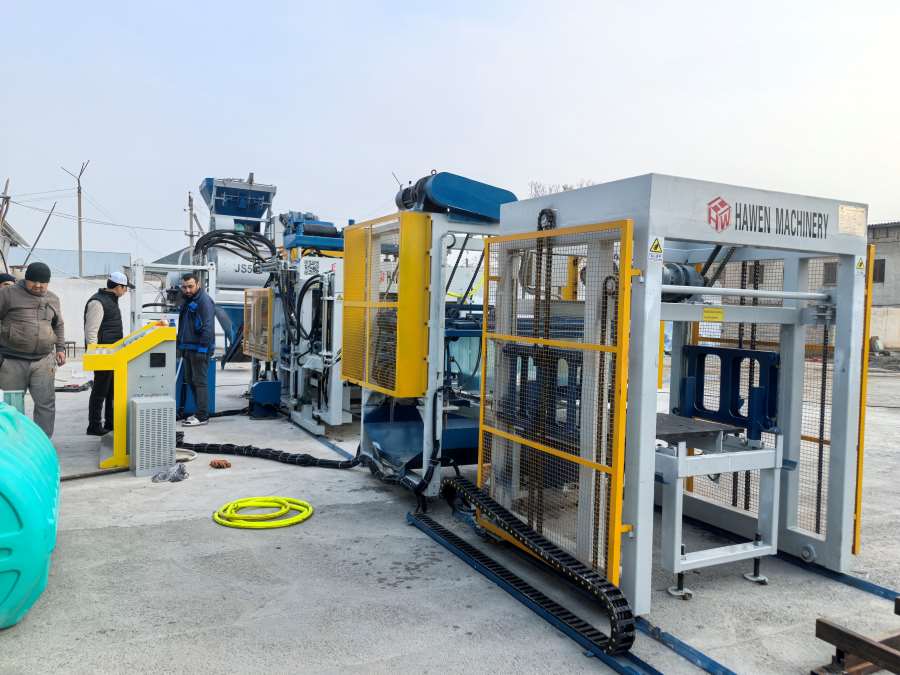
Hawen Machinery integrates a SIEMENS S7-200 PLC system combined with a user-friendly touch interface and remote monitoring functionality. This setup allows operators to:
Monitor real-time machine status
Adjust production parameters with precision
Maintain consistent output quality
Remote diagnostics further reduce maintenance costs by enabling timely intervention without on-site delays.
6. Avoid Overcapacity and Scale Gradually
One of the most common strategic errors is investing in production capacity that exceeds market demand. Idle machines not only generate no revenue but also incur maintenance and depreciation costs.
A phased expansion strategy is more sustainable:
Start with limited output aligned with local demand
Stabilize product quality and customer base
Reinvest profits into automation and capacity upgrades
This incremental approach reduces financial risk while preserving operational flexibility.
7. Ensure Reliable Hydraulic Performance
Although often overlooked in budget planning, the hydraulic system plays a critical role in machine stability and longevity.
In Hawen block machines, hydraulic configurations typically incorporate proportional and directional control valves from well-established Japanese manufacturers such as YUKEN, paired with robust hydraulic pumps sourced from reputable American suppliers. This combination ensures precise control, high load-bearing capability, and long-term durability under continuous operation.
A stable hydraulic system minimizes downtime and reduces the likelihood of costly repairs.
Conclusion: Efficiency Is the True Form of Investment
Starting block production with limited capital is not a disadvantage—it is, in many cases, a strategic advantage. Constraints enforce discipline. They compel operators to focus on efficiency, consistency, and resource optimization.
In an industry often driven by scale, it is easy to overlook a fundamental truth: profitability is not determined by how much you produce, but by how well you produce it.
Those who begin with clarity, invest with precision, and operate with discipline will find that growth is not something to chase—it is something that emerges naturally from a well-structured system.
FAQ
1. What is the minimum equipment required to start block production?
A basic setup includes a mixer, a small block making machine, a simple batching method, and manual or semi-automatic stacking. This is sufficient for initial operations.
2. How can I reduce cement consumption without affecting block strength?
By optimizing aggregate grading, controlling moisture content, and improving compaction efficiency, you can maintain strength while reducing cement usage.
3. Is it better to invest in automation at the beginning?
Not necessarily. Starting with a simpler system reduces financial risk. Automation can be introduced gradually as production stabilizes.
4. How important are moulds in small-scale production?
Extremely important. High-quality moulds ensure consistent block dimensions, reduce defects, and extend service life, ultimately lowering long-term costs.





 Tel: +86-13905968794
 Email: export@hwmachines.com
 MP/WhatsApp: +86-13905968794
 Manufacturer Address:Nanan,Quanzhou City,Fujian Province,China