In modern concrete block manufacturing, the hydraulic system is not merely an auxiliary unit; it is the central nervous system of force transmission and motion control. From mold pressing to pallet lifting, from feeding cart movement to cycle synchronization, nearly every critical operation depends on hydraulic precision.
Yet in many factories, hydraulic failures remain a recurrent bottleneck—causing unplanned downtime, inconsistent block quality, and escalating maintenance costs. Preventing such failures is therefore not a matter of routine servicing alone, but a systematic discipline combining design, operation, and maintenance.
1. Understand the Root Causes of Hydraulic Failures
Before mitigation comes diagnosis. Most hydraulic failures in block machines can be traced to three fundamental issues:
(1) Contamination of Hydraulic Oil
Microscopic particles, water ingress, or oxidation residues can severely impair valve responsiveness and pump efficiency. Over time, contamination leads to abrasive wear and erratic pressure fluctuations.
Note: Even minor contamination can disrupt proportional valve accuracy, which directly affects block density consistency.
(2) Thermal Instability
Hydraulic systems operating under continuous high load tend to accumulate heat. Excessive oil temperature reduces viscosity, weakens lubrication, and accelerates component degradation.
(3) Improper Pressure Calibration
Inconsistent or poorly calibrated pressure settings can result in under-compaction or overloading, both of which compromise equipment lifespan and product quality.
2. Choose a High-Quality Hydraulic Configuration from the Start
Prevention begins at the design stage. A well-engineered hydraulic station significantly reduces long-term failure risks.
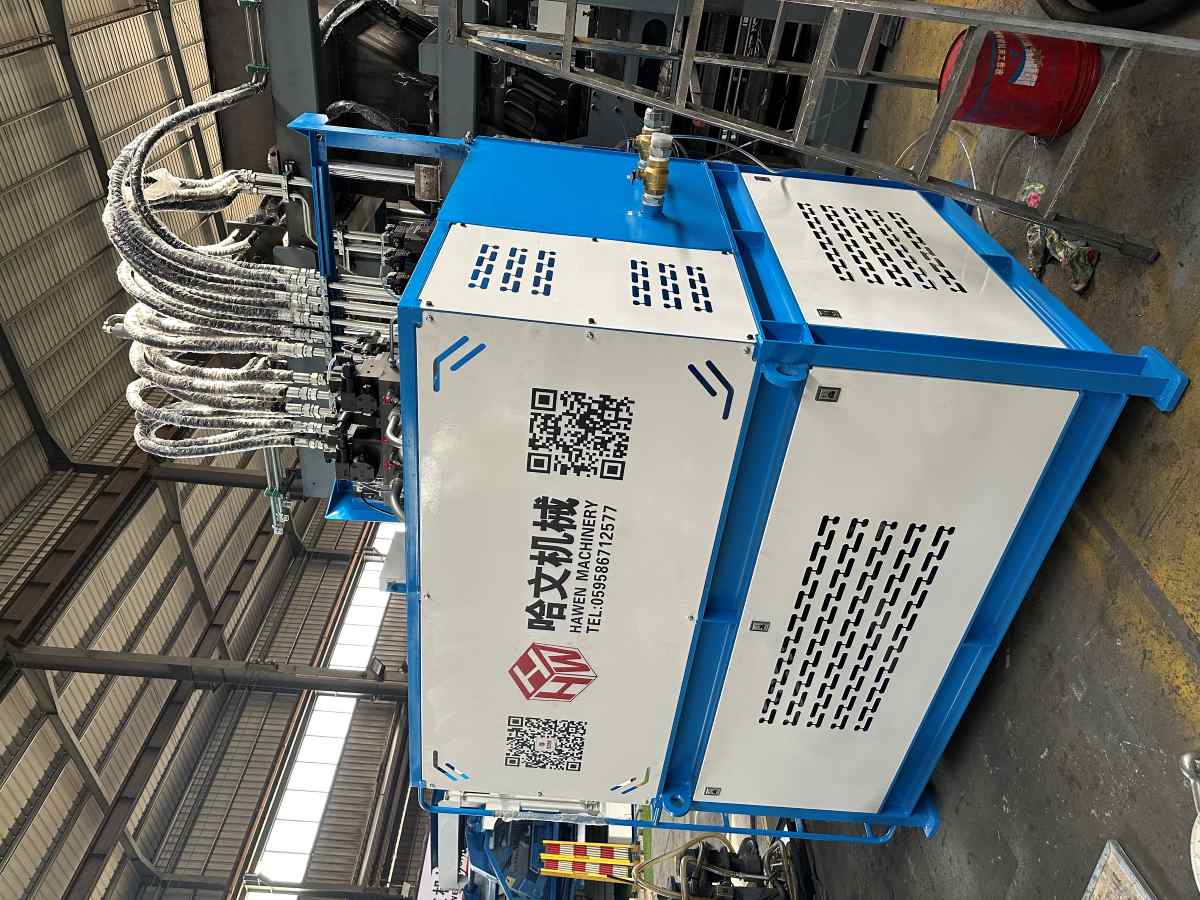
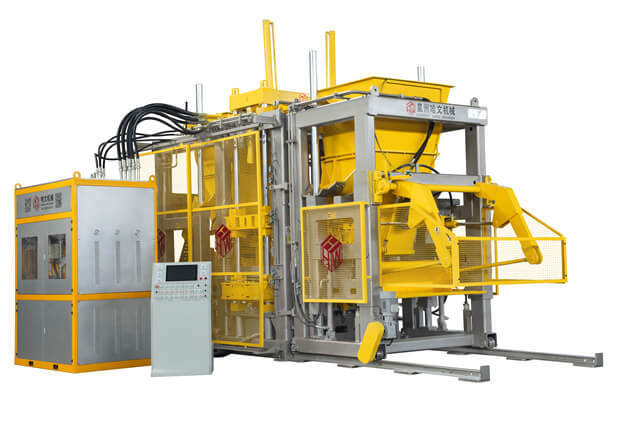
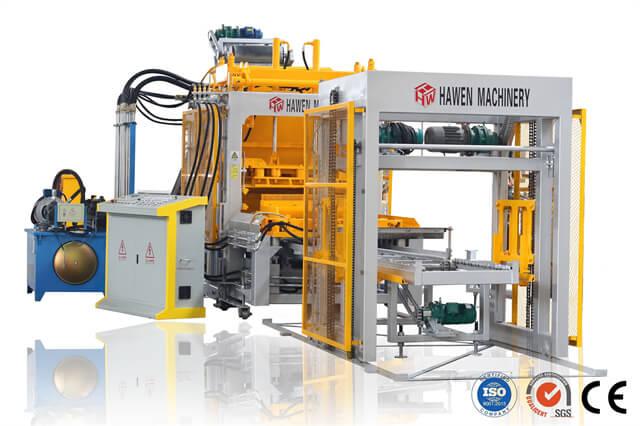
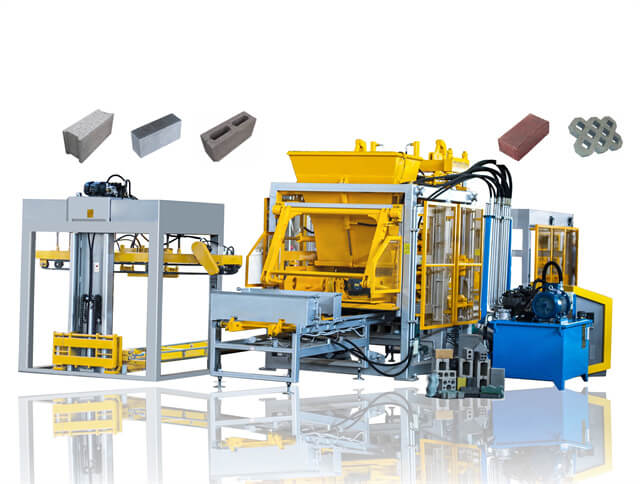
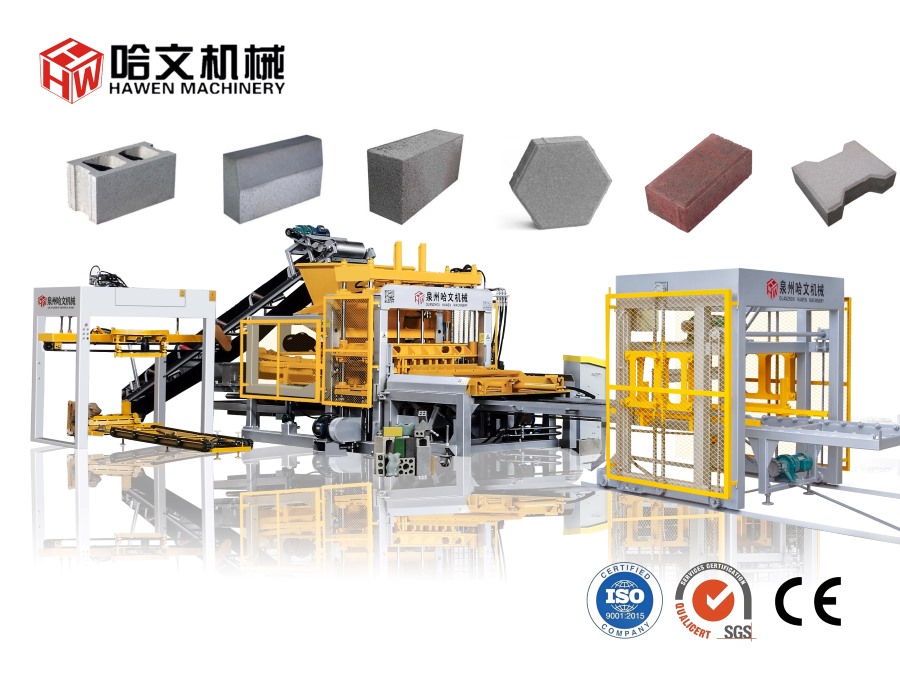
At Hawen Machinery, the hydraulic unit integrates precision-engineered Japanese-made proportional and directional control valves alongside a high-performance pump sourced from the United States. This configuration enables refined flow modulation, stable pressure output, and sustained durability under intensive production cycles.
More importantly, the system is designed with load adaptability, ensuring that pressure remains consistent even when production conditions fluctuate. This is particularly crucial for high-capacity block lines where cycle stability directly affects output efficiency.
3. Maintain Oil Cleanliness and Filtration Discipline
Oil is the lifeblood of the hydraulic system. Maintaining its purity is non-negotiable.
Practical Measures:
Replace hydraulic oil at recommended intervals based on operating hours
Use multi-stage filtration systems to remove fine contaminants
Regularly inspect seals and pipelines to prevent external ingress
A disciplined filtration strategy can extend component lifespan exponentially, while also preserving system responsiveness.
4. Control Temperature Through Cooling Mechanisms
Thermal management is often underestimated, yet it is one of the most decisive factors in hydraulic reliability.
Advanced block machines are typically equipped with oil cooling units integrated into the hydraulic circuit. These devices regulate oil temperature within an optimal range, preventing thermal degradation and ensuring consistent viscosity.
Annotation: Stable oil temperature not only protects components but also stabilizes forming pressure, which directly influences block compressive strength.
5. Ensure Precision in Feeding Cart Movement
In high-speed block production, the feeding cart (material feeder) operates under frequent start-stop cycles. Any instability in its motion can lead to uneven material distribution and mechanical stress.
A refined approach involves servo-controlled hydraulic valves regulating the movement of the feeding cart, ensuring smooth acceleration, precise positioning, and consistent material delivery to the mold.
This seemingly minor detail has a disproportionate impact on:
Material uniformity
Mold filling consistency
Overall system synchronization
6. Integrate Intelligent Control for Real-Time Monitoring
Hydraulic failures rarely occur without warning. The challenge lies in detecting early signals.
Hawen Machinery incorporates a SIEMENS S7-200 PLC system paired with an intuitive touch interface and remote monitoring capability. Through this architecture, operators and engineers can:
Monitor real-time pressure, temperature, and cycle data
Adjust operational parameters remotely
Identify anomalies before they escalate into failures
Such predictive control transforms maintenance from reactive troubleshooting to proactive optimization.
7. Align Hydraulic Performance with Vibration Efficiency
Although hydraulics provide force, vibration ensures compaction. The two must operate in harmony.
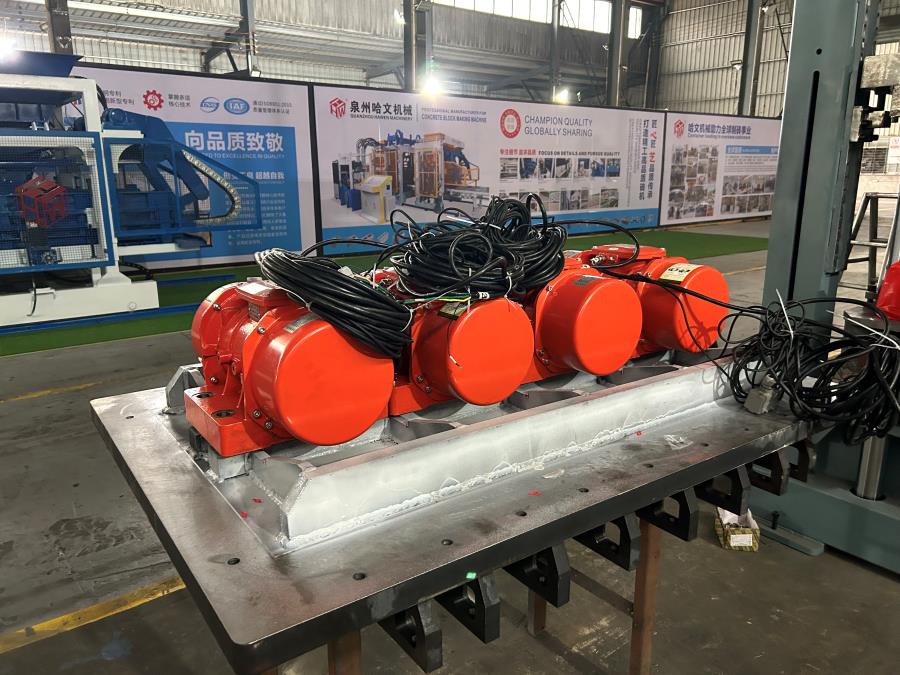
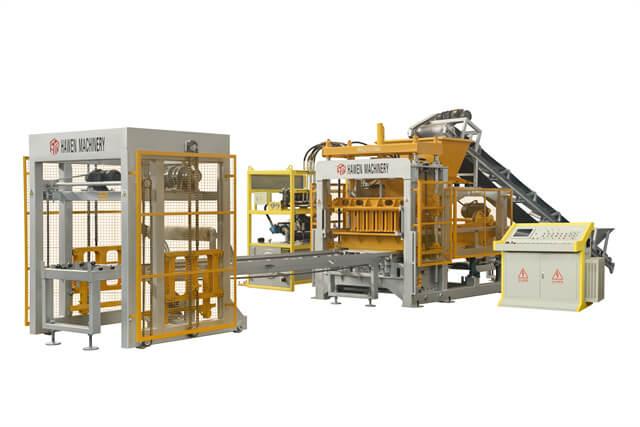
Hawen Machinery employs a four-shaft vibration box design with externally positioned eccentric blocks, reducing internal resistance during vibration. This configuration enhances compaction uniformity while lowering cement consumption and improving production efficiency.
When hydraulic pressure and vibration frequency are properly synchronized, the result is:
Higher block density
Reduced internal defects
Improved structural integrity
8. Do Not Overlook Mold Condition and Compatibility
Hydraulic pressure ultimately acts on the mold. If the mold is worn or poorly fitted, even a perfectly functioning hydraulic system cannot guarantee product quality.
Hawen Machinery manufactures molds compatible with leading global brands such as MASA, HESS, ZENITH, POYATOS, BESSER, and TIGER. These molds are produced according to original specifications and undergo heat treatment processes to enhance wear resistance.
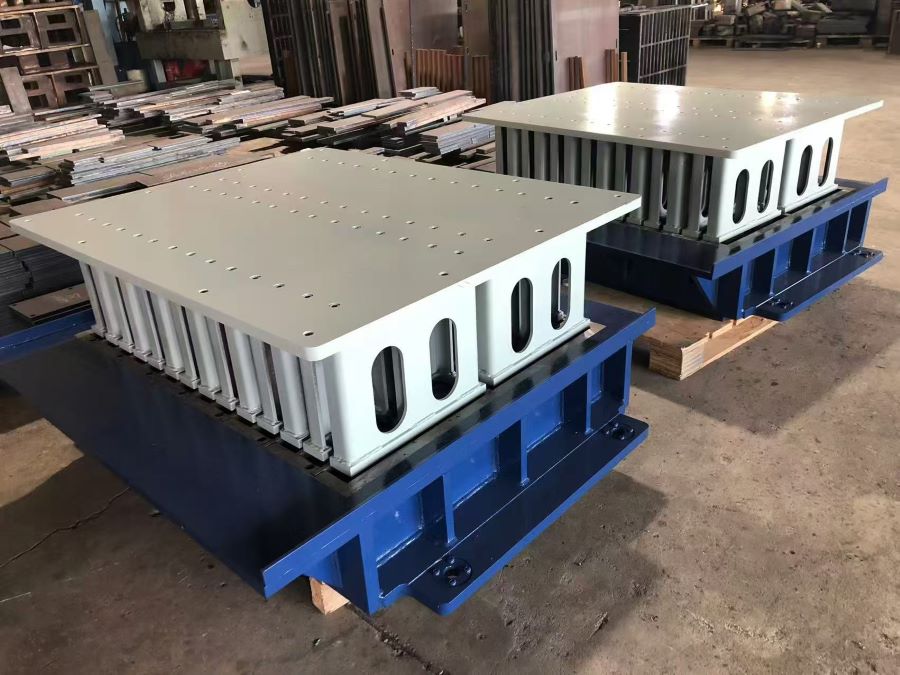 A well-maintained mold ensures:
Even force distribution
Reduced mechanical stress on hydraulic components
Consistent block geometry
A well-maintained mold ensures:
Even force distribution
Reduced mechanical stress on hydraulic components
Consistent block geometry
9. Establish a Preventive Maintenance Culture
Technology alone cannot eliminate failures. Human discipline remains indispensable.
A robust preventive maintenance plan should include:
Daily inspection of oil levels and leakage points
Weekly pressure calibration checks
Periodic replacement of seals and filters
Scheduled system diagnostics
Factories that institutionalize such practices tend to experience lower downtime and higher long-term profitability.
Conclusion: From Failure Prevention to System Intelligence
Preventing hydraulic system failures is not about addressing isolated issues; it is about building an integrated, resilient production ecosystem. Every element—oil cleanliness, thermal control, valve precision, intelligent monitoring—must function in concert.
In an increasingly competitive construction materials market, reliability is no longer a secondary attribute; it is a strategic asset. A block machine that operates consistently does more than produce blocks—it safeguards production continuity, stabilizes quality, and ultimately protects investment returns.
When hydraulic systems are engineered with foresight and maintained with rigor, they cease to be a source of risk and become a foundation of confidence. And in industrial manufacturing, confidence is not abstract—it is measurable, repeatable, and profoundly valuable.
FAQ
1. What is the most common cause of hydraulic failure in block machines?
The most frequent cause is oil contamination, which leads to valve blockage, pump wear, and unstable pressure output.
2. How often should hydraulic oil be replaced?
It depends on operating conditions, but generally every 2,000–3,000 working hours or as recommended by the manufacturer, with regular filtration checks in between.
3. Why is oil temperature control so important?
Excessive temperature reduces oil viscosity and accelerates component wear, resulting in loss of pressure stability and increased failure risk.
4. Can control systems help prevent hydraulic failures?
Yes. Advanced PLC systems enable real-time monitoring and predictive maintenance, allowing operators to detect anomalies before they become critical issues.






 Tel: +86-13905968794
 Email: export@hwmachines.com
 MP/WhatsApp: +86-13905968794
 Manufacturer Address:Nanan,Quanzhou City,Fujian Province,China