How to Reduce Downtime in Block Production Lines
Author:HAWEN Block MachineFROM:Brick Production Machine Manufacturer
TIME:2026-04-03
In modern concrete block manufacturing, downtime is not merely an operational inconvenience; it is a silent profit eroder. Every minute a production line stands idle translates into lost output, delayed deliveries, and diminished competitiveness. Therefore, reducing downtime is not a reactive task—it is a strategic imperative embedded in equipment selection, process design, and maintenance philosophy.
1. Diagnose Before You Optimize: Understanding Downtime Sources
Before implementing solutions, manufacturers must first identify the root causes of downtime. Broadly, these fall into three categories:
Mechanical failures (e.g., wear of molds, vibration system imbalance)
Electrical or control faults (e.g., PLC errors, sensor misalignment)
Operational inefficiencies (e.g., improper material mix, untrained operators)
A data-driven diagnostic approach—leveraging real-time monitoring and historical logs—allows operators to transition from guesswork to precision. Note: Plants that quantify downtime causes typically reduce stoppages by over 20% within the first optimization cycle.
2. Preventive Maintenance: From Routine to Predictive
Preventive maintenance is often discussed, yet frequently under-executed. The real shift lies in moving toward predictive maintenance, where components are serviced based on condition rather than schedule.
Key practices include:
Regular inspection of wear-prone components such as molds and vibration shafts
Monitoring hydraulic pressure stability to prevent sudden system failure
Scheduled calibration of sensors and actuators
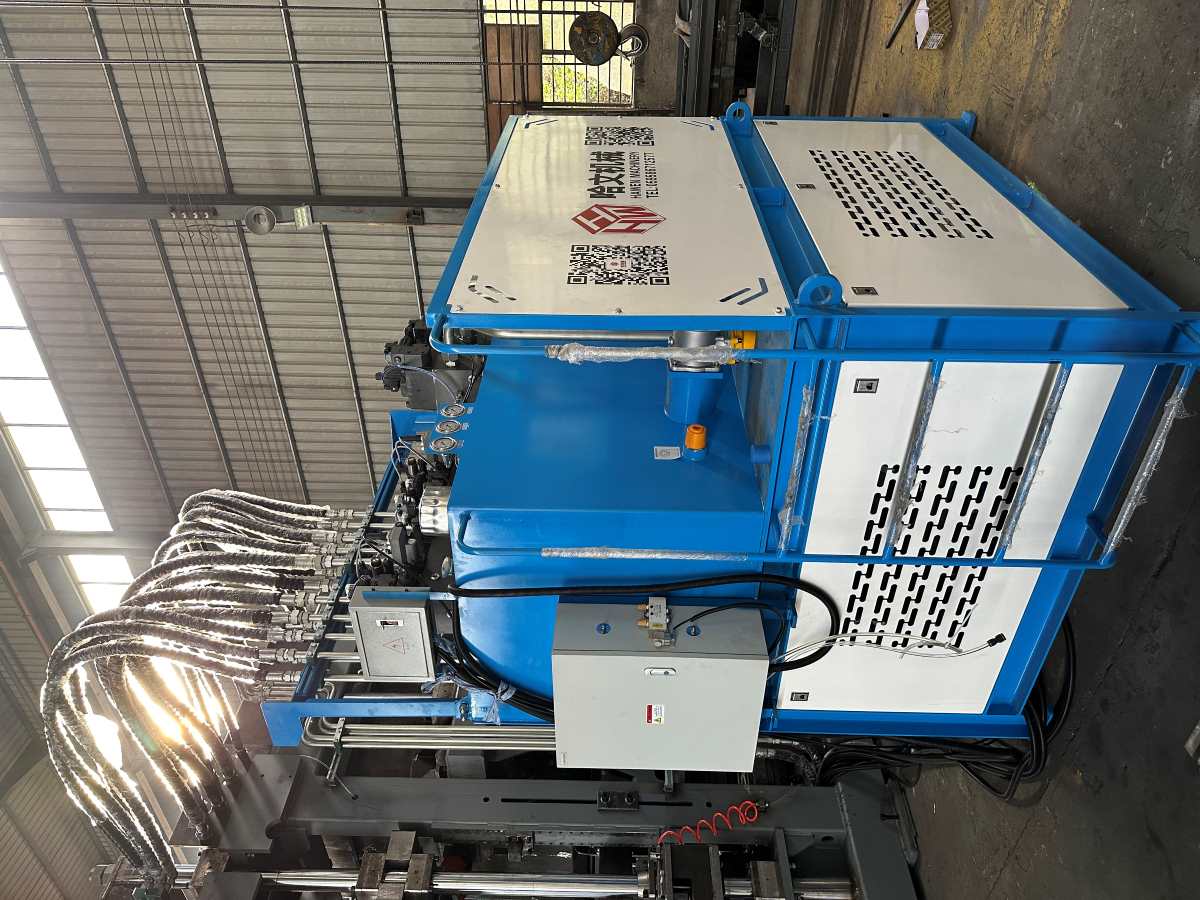
When it comes to hydraulic reliability, equipment quality becomes decisive. In advanced systems, high-performance components—such as precision-engineered proportional and directional valves paired with robust pump units—ensure stable pressure output and minimize unexpected shutdowns under heavy load conditions.
3. Optimize the Vibration System for Stability and Efficiency
The vibration system is the heart of any block machine. Instability here directly leads to inconsistent compaction, increased wear, and frequent stoppages.
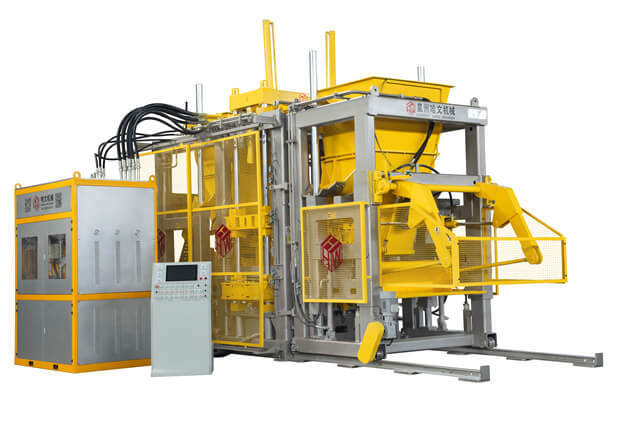
Hawen Machinery adopts a four-shaft vibration box design, with eccentric blocks positioned externally. This configuration significantly reduces internal resistance, ensures uniform force distribution, and enhances compaction efficiency. As a result, not only is downtime reduced, but cement consumption is also optimized—an often-overlooked cost factor.
Technical insight: External eccentric configuration lowers heat accumulation inside the vibration box, extending bearing life and reducing maintenance intervals.
4. Intelligent Control Systems: The Backbone of Continuous Operation
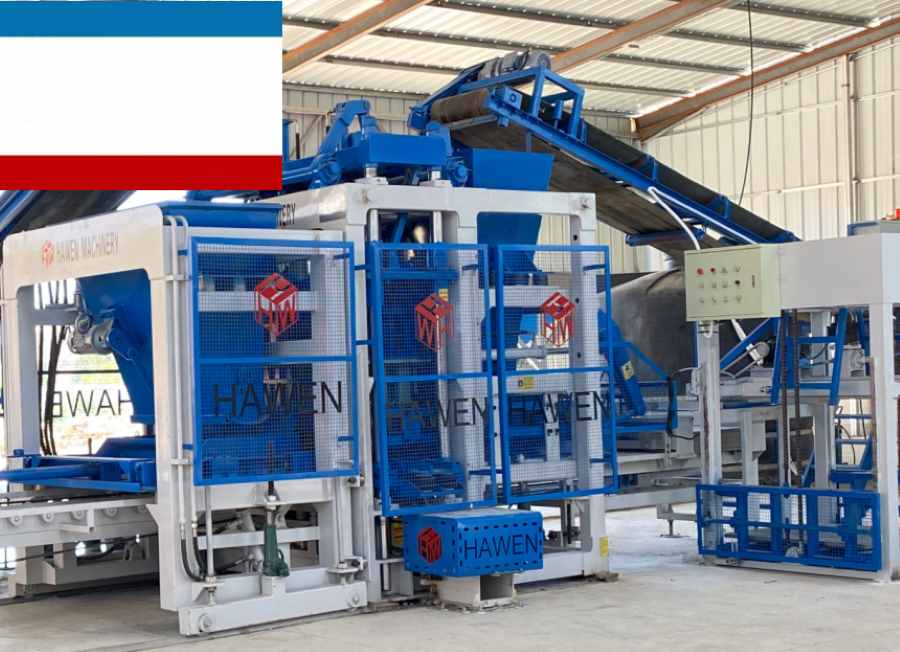
A fragmented control system is a common bottleneck in block production lines. Modern plants increasingly rely on integrated automation to ensure seamless operation.
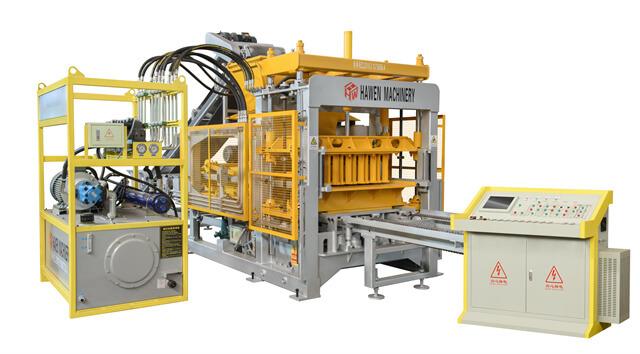
Hawen Machinery incorporates a SIEMENS S7-200 PLC, combined with an intuitive touch panel and remote monitoring functionality. This architecture enables operators to:
Monitor real-time machine status
Adjust parameters remotely
Diagnose faults proactively
Such systems transform maintenance from reactive troubleshooting into proactive system management, significantly reducing unplanned downtime.
5. Mold Quality and Compatibility: The Overlooked Factor
Molds are often underestimated in downtime discussions, yet they directly influence both product quality and machine stability.
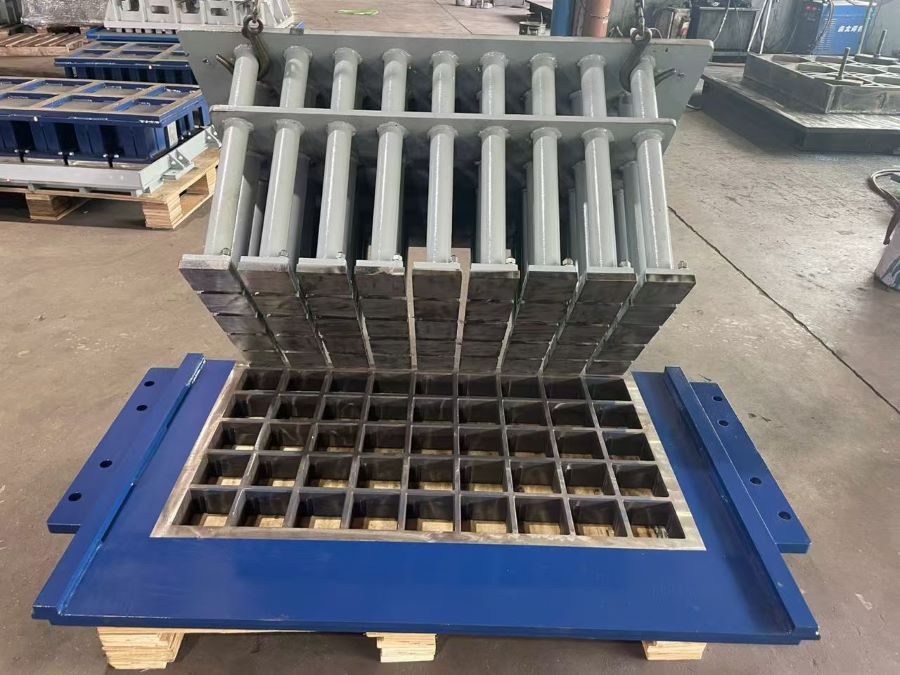
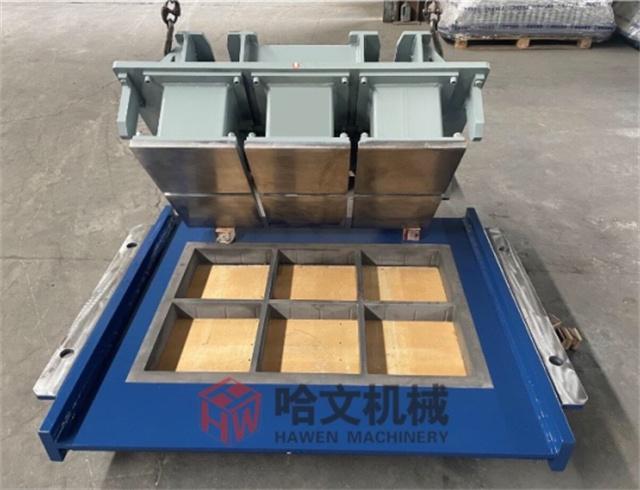
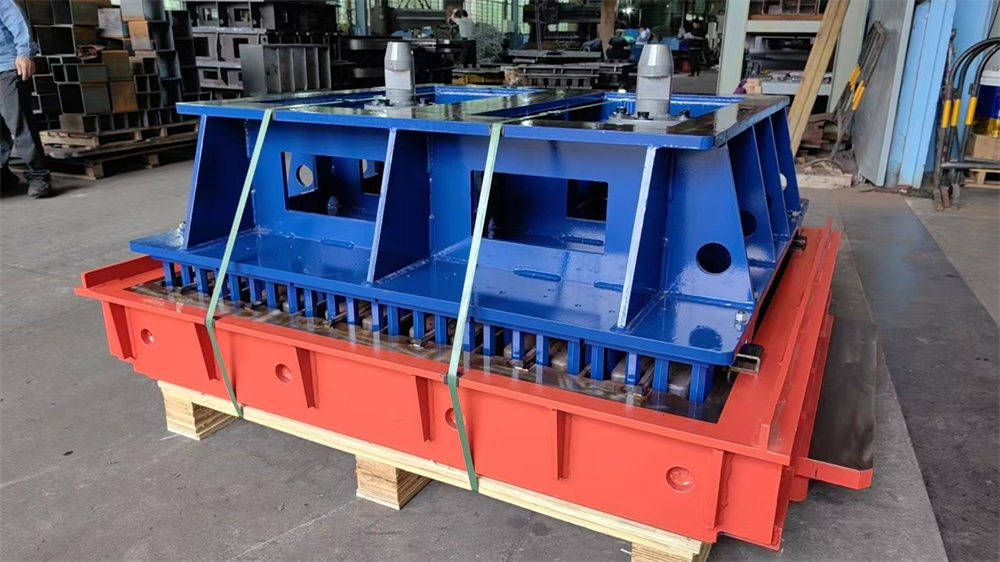
Hawen Machinery designs molds compatible with globally recognized brands such as MASA, HESS, ZENITH, POYATOS, BESSER, and TIGER. By adhering to original specifications and applying rigorous heat treatment processes, these molds achieve:
Precise alignment with host machines
Reduced friction during demolding
Extended service life
The result is smoother operation and fewer interruptions caused by misalignment or premature wear.
6. Streamline Material Handling and Feeding Systems
Material inconsistency is a hidden source of downtime. Poorly controlled feeding systems can lead to block defects, machine jams, or repeated adjustments.
To mitigate this:
Ensure uniform aggregate grading and moisture content
Optimize feeder car movement and synchronization
Apply secondary feeding techniques where higher surface quality is required
A stable material flow not only improves product consistency but also reduces the need for frequent machine stoppages.
7. Operator Training: The Human Factor
Even the most advanced machinery cannot compensate for inadequate operator expertise. Skilled operators can:
Detect anomalies early
Adjust parameters efficiently
Prevent minor issues from escalating into major failures
Investing in structured training programs often yields one of the highest returns in downtime reduction.
Conclusion: From Downtime Reduction to Operational Excellence
Reducing downtime is not a single intervention but a systemic upgrade. It requires the convergence of robust machinery, intelligent control systems, disciplined maintenance, and skilled human operation.
At a deeper level, the pursuit of minimal downtime reflects a broader transformation—from fragmented production to integrated, intelligent manufacturing ecosystems. In such systems, every component communicates, every parameter is optimized, and every interruption is anticipated rather than endured.
Ultimately, the goal is not merely to keep machines running, but to ensure they run consistently, efficiently, and intelligently—turning production lines into engines of sustained value creation rather than sources of intermittent disruption.
FAQ
1. What is the most common cause of downtime in block production lines?
Mechanical wear and inadequate maintenance are the primary causes, especially in molds and vibration systems.
2. How often should maintenance be performed?
Routine checks should be conducted daily, while predictive maintenance schedules depend on equipment usage and monitored data trends.
3. Can automation completely eliminate downtime?
No system can eliminate downtime entirely, but advanced automation and remote monitoring can significantly reduce its frequency and duration.
4. Does mold quality really affect downtime?
Yes. Poor-quality molds lead to misalignment, increased friction, and frequent machine stoppages, directly impacting production continuity.





 Tel: +86-13905968794
 Email: export@hwmachines.com
 MP/WhatsApp: +86-13905968794
 Manufacturer Address:Nanan,Quanzhou City,Fujian Province,China