The failure of new concrete block factories within their first year is neither incidental nor unpredictable. In most cases, it is the result of systemic misjudgments across investment planning, production management, and market positioning. While the demand for concrete blocks remains robust in many developing and emerging markets, the transition from investment to sustainable operation proves far more complex than anticipated.
This article examines the principal reasons behind early-stage failure and outlines practical, engineering-informed strategies to improve survival and long-term viability.
1. Misjudging Market Demand
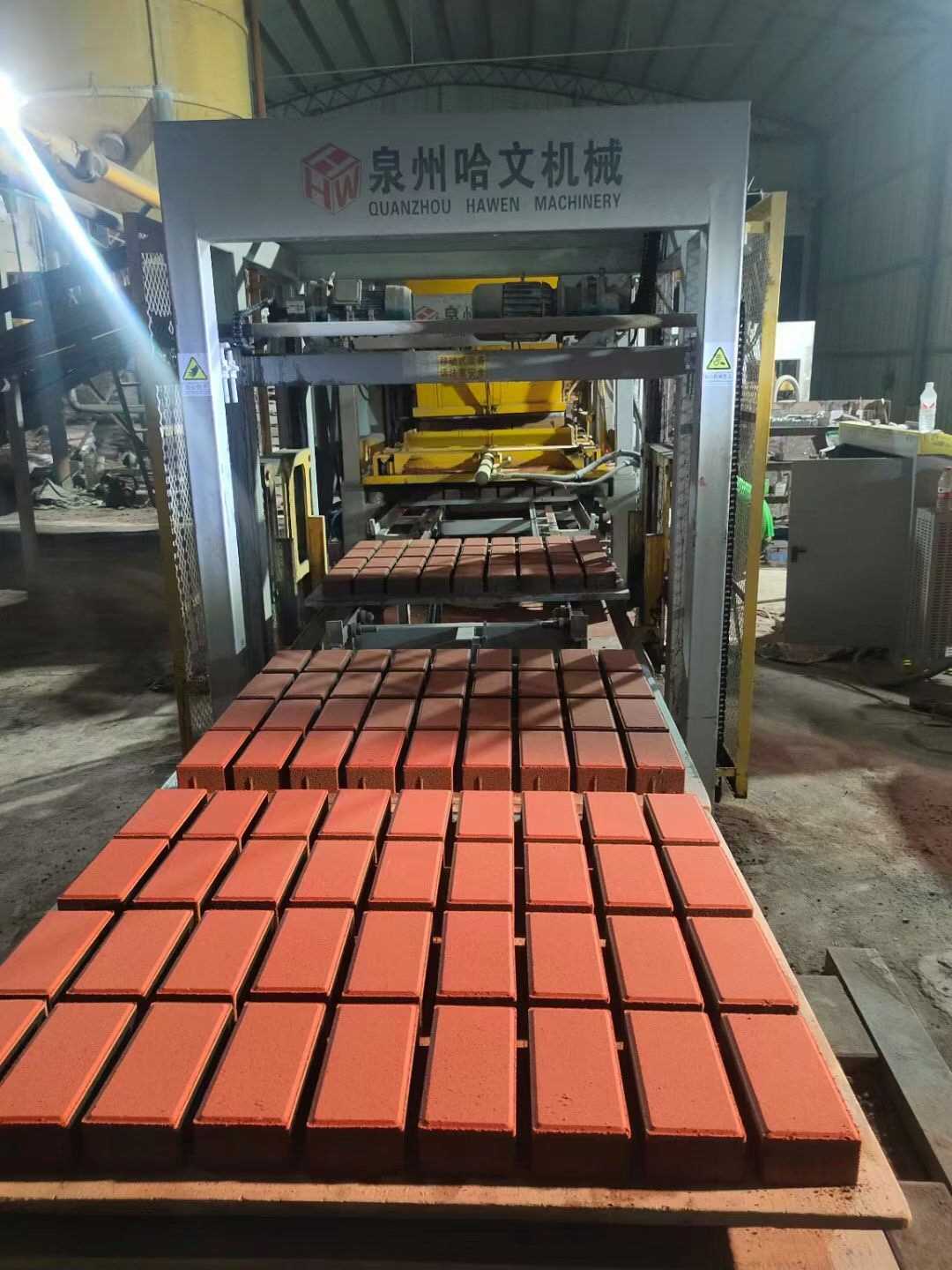
A common strategic error is overestimating demand or misunderstanding local construction preferences. Not all markets require the same block types, sizes, or quality levels.
Typical consequences:
overproduction of unsellable inventory
mismatch between product specifications and market needs
 Recommended approach:
conduct detailed market feasibility studies
align production capacity with realistic demand projections
adapt product portfolio to local construction practices
Annotation: Market failure is often mistaken for production failure, when in reality it originates from poor initial positioning.
Recommended approach:
conduct detailed market feasibility studies
align production capacity with realistic demand projections
adapt product portfolio to local construction practices
Annotation: Market failure is often mistaken for production failure, when in reality it originates from poor initial positioning.
2. Underestimating Operational Complexity
Many investors assume that block manufacturing is a straightforward process. In reality, it requires precise coordination of materials, machinery, and process parameters.
Common pitfalls:
lack of technical expertise among operators
absence of standardized operating procedures
Solution:
invest in operator training and technical support
implement structured production workflows
3. Choosing Inappropriate Equipment
Selecting equipment based solely on price rather than performance often leads to low efficiency and inconsistent quality.
High-performance machinery integrates multiple systems to ensure stability. For example:
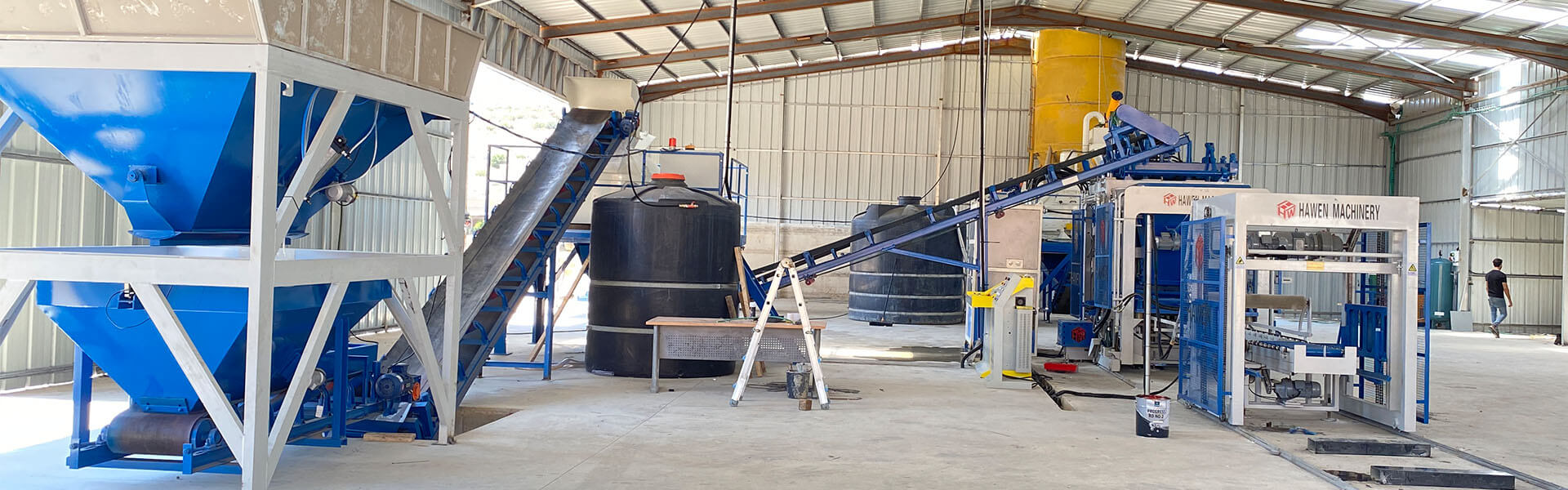
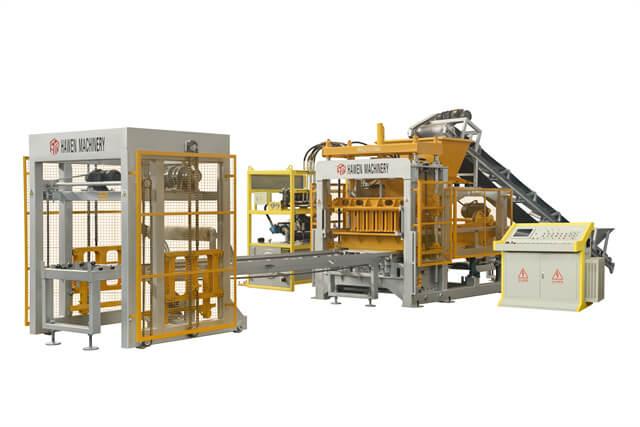
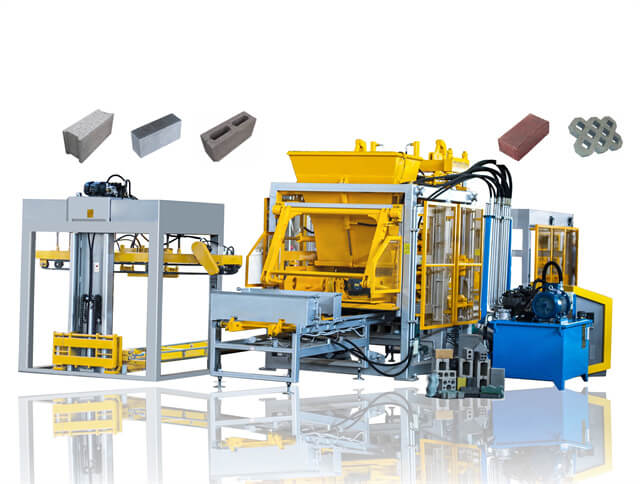
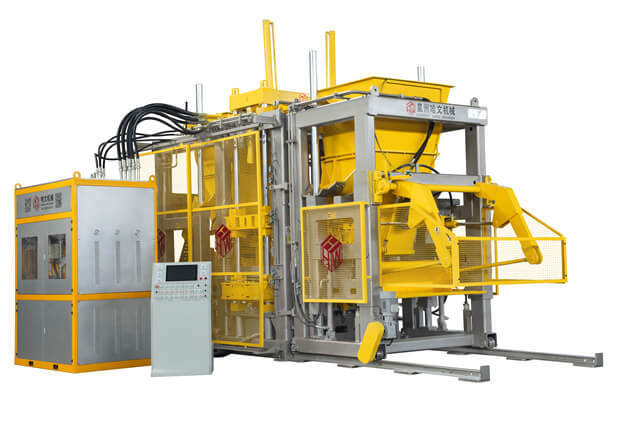
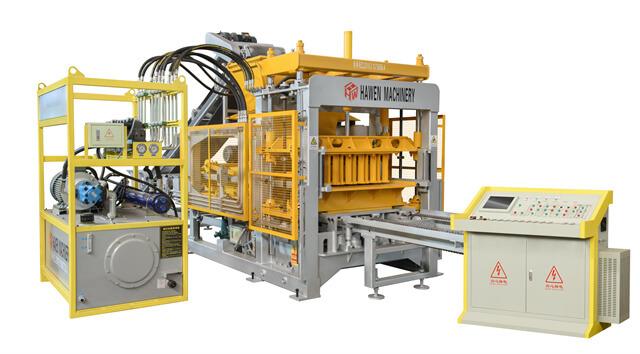
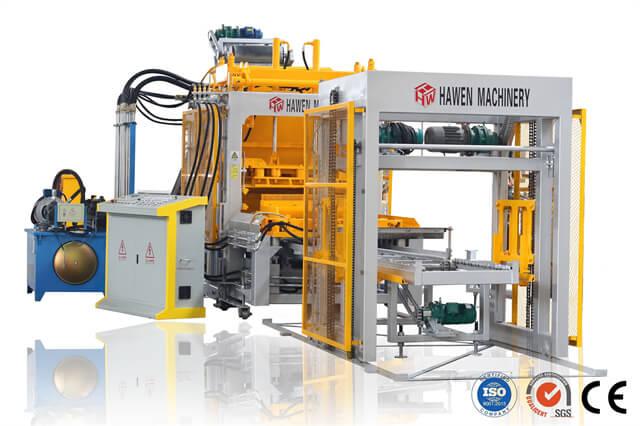
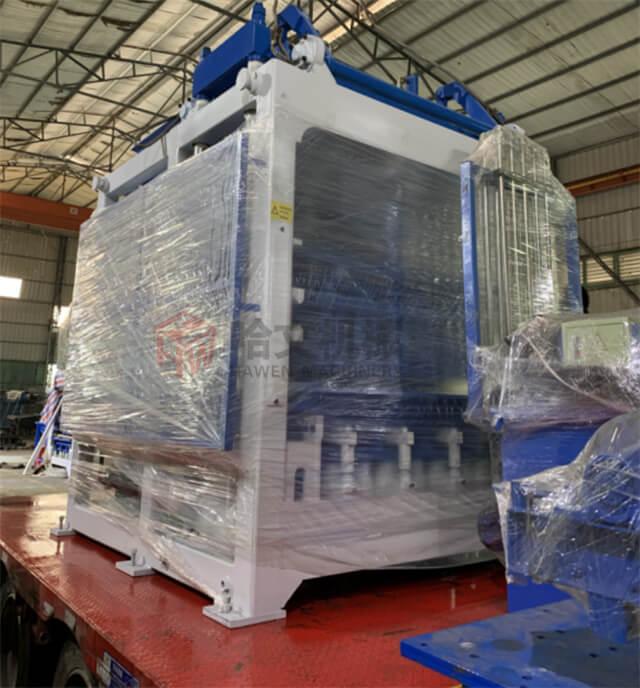
Hawen Machinery adopts a four-shaft vibration box design with externally positioned eccentric blocks, reducing resistance, ensuring uniform compaction, and improving efficiency while lowering cement consumption
The hydraulic system combines precision-controlled Japanese proportional and directional valves with durable American hydraulic pumps, delivering stable pressure and long-term reliability
Key insight:
Equipment should be evaluated based on total lifecycle performance, not initial cost.
4. Lack of Process Control and Automation
Factories that rely heavily on manual operation struggle to maintain consistent quality and efficiency, especially during scale-up.
Hawen Machinery integrates a SIEMENS S7-200 PLC system, equipped with an intuitive touch panel and remote monitoring capabilities. This enables:
real-time tracking of machine performance
precise parameter adjustments
consistent production outcomes across shifts
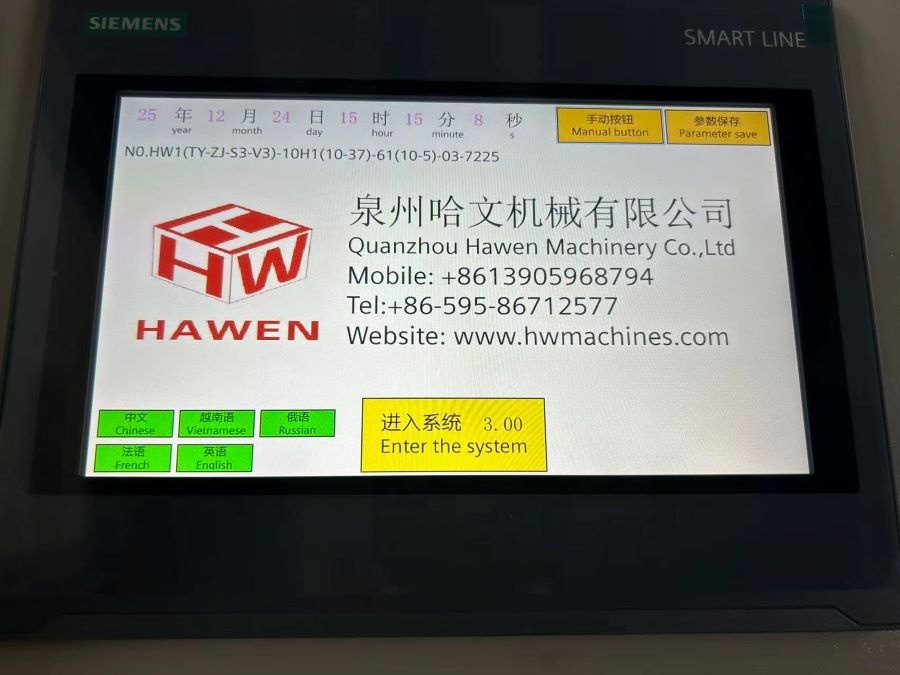
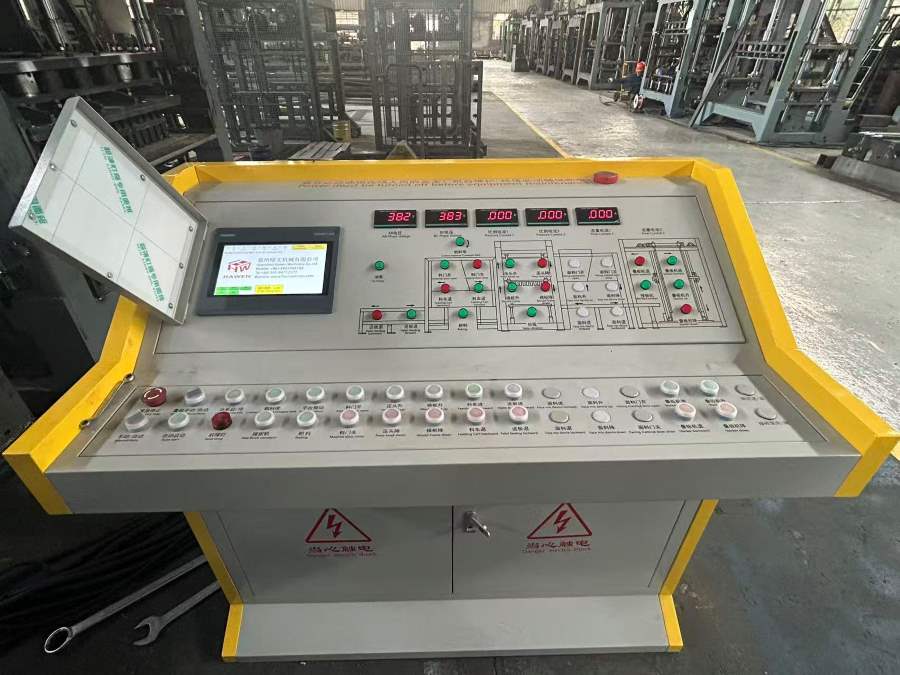 Annotation: Automation is not a luxury; it is a prerequisite for scalable and repeatable manufacturing.
5. Poor Mold Quality and Product Inconsistency
Inconsistent block dimensions and surface defects often stem from inferior or poorly maintained molds.
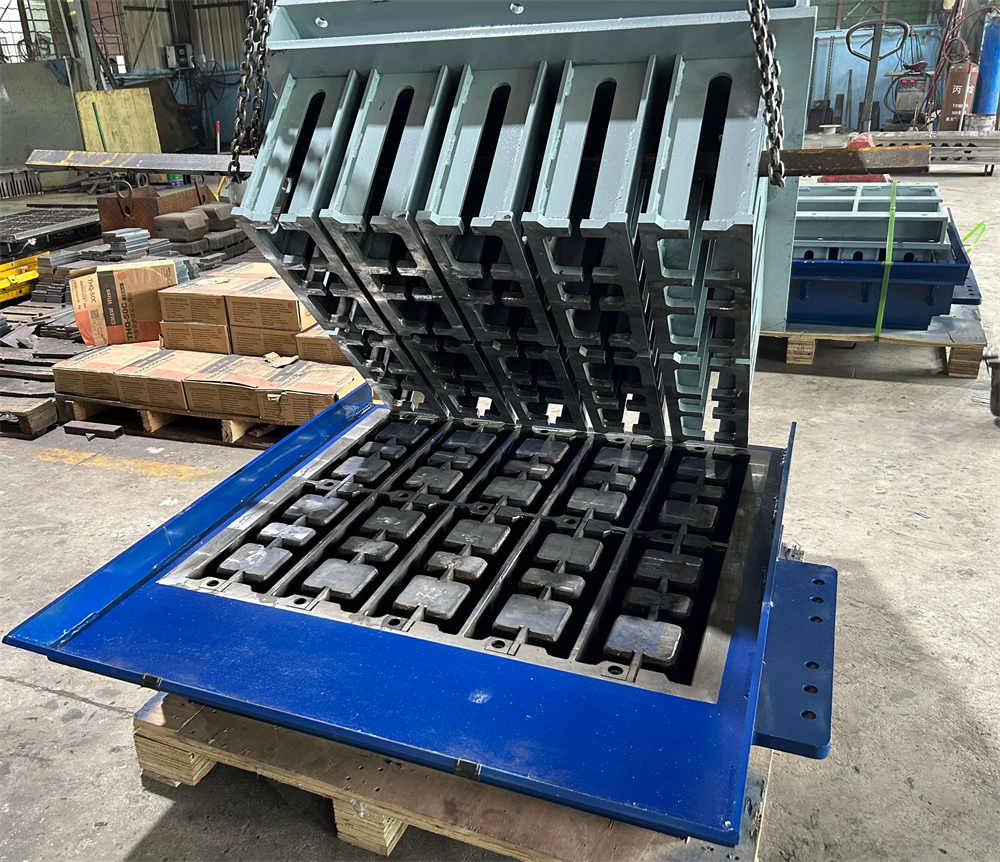
Hawen Machinery designs molds compatible with leading brands such as MASA, HESS, ZENITH, POYATOS, BESSER, TIGER, all of which undergo heat treatment to ensure durability and precision.
Common issues:
rapid mold wear leading to dimensional deviation
incompatible molds affecting machine performance
Solution:
invest in high-quality molds
implement regular inspection and maintenance routines
6. Neglecting Cost Control and Cash Flow Management
Even technically sound factories can fail due to financial mismanagement.
Typical mistakes:
underestimating raw material and labor costs
overextending initial investment
insufficient working capital
Solution:
establish a detailed cost structure
maintain adequate cash reserves for at least the first operational cycle
7. Ignoring Curing and Post-Production Processes
Production does not end at forming. Inadequate curing leads to reduced strength and increased rejection rates, directly impacting profitability.
Solution:
standardize curing conditions
ensure proper handling and storage before delivery
8. Lack of Integrated Production Planning
Many new factories operate with fragmented processes rather than a cohesive production system.
inconsistent material feeding disrupts uniformity
unsynchronized vibration and pressure affect compaction
poor logistics reduce overall efficiency
Solution:
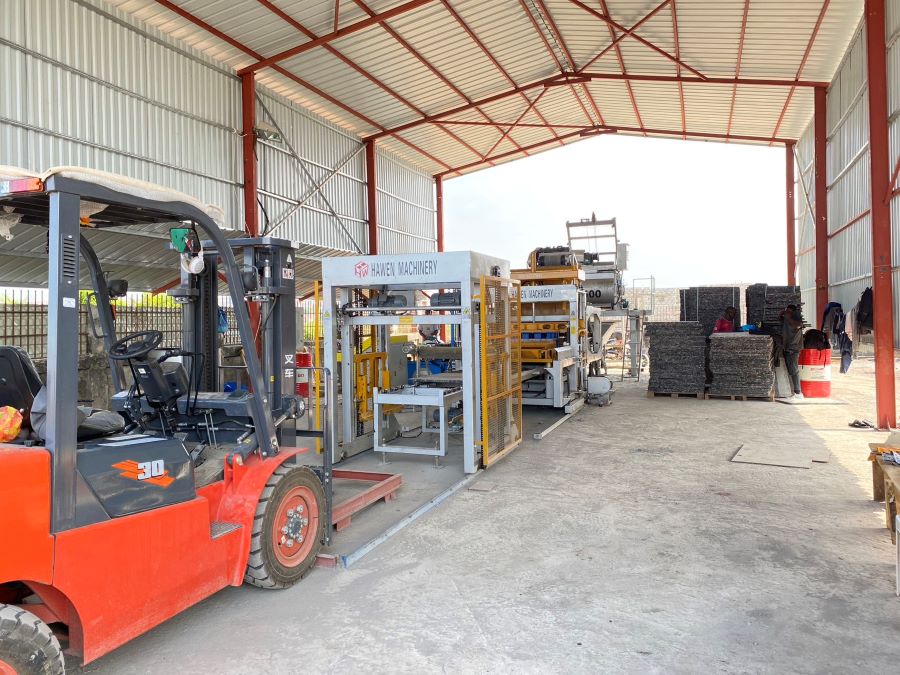
Adopt an integrated approach where each stage of production is aligned and optimized collectively.
 From Survival to Sustainable Growth
The first year of a block factory is not merely a trial period; it is a critical phase that determines long-term viability. Success depends on the ability to transform an initial investment into a stable, efficient, and market-aligned production system.
Hawen Machinery supports this transition by offering solutions that integrate advanced vibration technology, precise hydraulic systems, intelligent PLC control, and high-quality molds, enabling manufacturers to reduce risk and accelerate operational maturity.
In a competitive and increasingly standardized construction industry, failure is rarely due to a lack of opportunity. Rather, it arises from the inability to synchronize technology, management, and market understanding.
Ultimately, the factories that survive—and thrive—are those that move beyond fragmented decision-making toward system-level thinking, where every element of production is deliberately engineered to deliver consistent value. In this transformation, block manufacturing evolves from a speculative venture into a disciplined industrial enterprise, capable of sustaining growth, adapting to market dynamics, and defining its own standards of excellence.
From Survival to Sustainable Growth
The first year of a block factory is not merely a trial period; it is a critical phase that determines long-term viability. Success depends on the ability to transform an initial investment into a stable, efficient, and market-aligned production system.
Hawen Machinery supports this transition by offering solutions that integrate advanced vibration technology, precise hydraulic systems, intelligent PLC control, and high-quality molds, enabling manufacturers to reduce risk and accelerate operational maturity.
In a competitive and increasingly standardized construction industry, failure is rarely due to a lack of opportunity. Rather, it arises from the inability to synchronize technology, management, and market understanding.
Ultimately, the factories that survive—and thrive—are those that move beyond fragmented decision-making toward system-level thinking, where every element of production is deliberately engineered to deliver consistent value. In this transformation, block manufacturing evolves from a speculative venture into a disciplined industrial enterprise, capable of sustaining growth, adapting to market dynamics, and defining its own standards of excellence.
FAQ: Why New Block Factories Fail
1. What is the primary reason new block factories fail?
The most common reason is a combination of poor market analysis and inadequate process control, rather than a single technical issue.
2. How important is equipment selection in the first year?
It is critical. High-quality equipment ensures consistent production, lower maintenance costs, and better long-term returns.
3. Can automation improve the survival rate of new factories?
Yes. Automation enhances consistency, efficiency, and scalability, which are essential for early-stage success.
4. How much working capital is needed for a new factory?
Factories should maintain sufficient capital to cover raw materials, labor, and operational costs for several production cycles.
5. What role does training play in factory success?
Proper training ensures that operators can utilize equipment effectively and maintain consistent production quality.





 Tel: +86-13905968794
 Email: export@hwmachines.com
 MP/WhatsApp: +86-13905968794
 Manufacturer Address:Nanan,Quanzhou City,Fujian Province,China