What Not to Do When Operating a Block Machine
Author:HAWEN Block MachineFROM:Brick Production Machine Manufacturer
TIME:2026-03-28
In concrete block manufacturing, operational excellence is not only defined by what should be done, but equally by what must be avoided. Many production inefficiencies and quality defects originate not from equipment limitations, but from improper operating practices that undermine otherwise capable systems.
This article outlines the most critical mistakes to avoid when operating a block machine, providing a structured framework to help manufacturers achieve stable performance, consistent quality, and prolonged equipment lifespan.
1. Do Not Ignore Raw Material Variability
A common but costly mistake is treating raw materials as inherently stable. In reality, fluctuations in moisture content, aggregate grading, and cement quality can significantly alter production outcomes.
Why this matters:
Uncontrolled material variation leads to inconsistent workability, uneven compaction, and ultimately variable block strength.
What to do instead:
Continuously monitor material conditions
Adjust mix design dynamically based on real-time data
Annotation: Assuming material consistency is one of the most underestimated risks in block production.
2. Do Not Operate with Improper Vibration Settings
Vibration is the core mechanism for achieving density and structural integrity. Incorrect frequency, amplitude, or duration can result in under-compacted or segregated blocks.
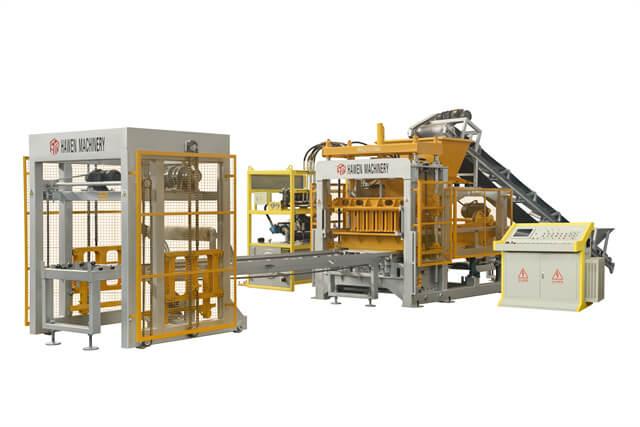
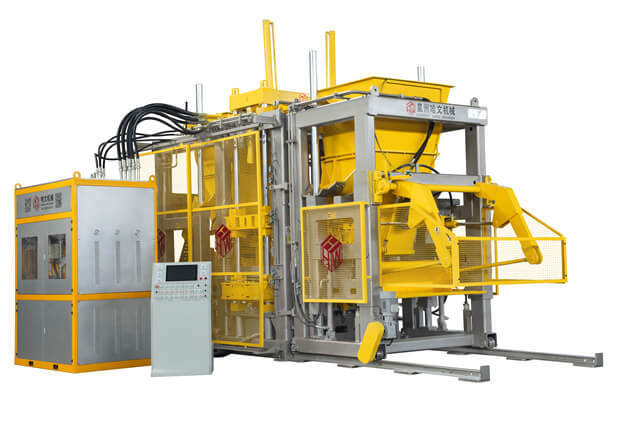
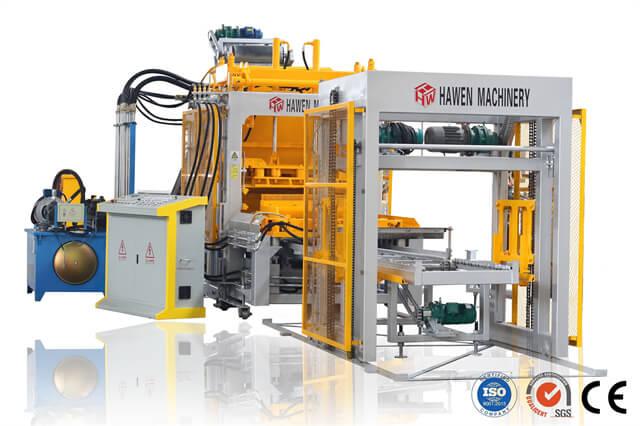
Hawen Machinery adopts a four-shaft vibration box design with eccentric blocks positioned outside the housing, which reduces resistance during vibration, ensures uniform compaction, and lowers cement consumption while improving overall efficiency.
What to avoid:
excessive vibration that causes material segregation
insufficient vibration leading to internal voids
3. Do Not Overlook Hydraulic System Stability
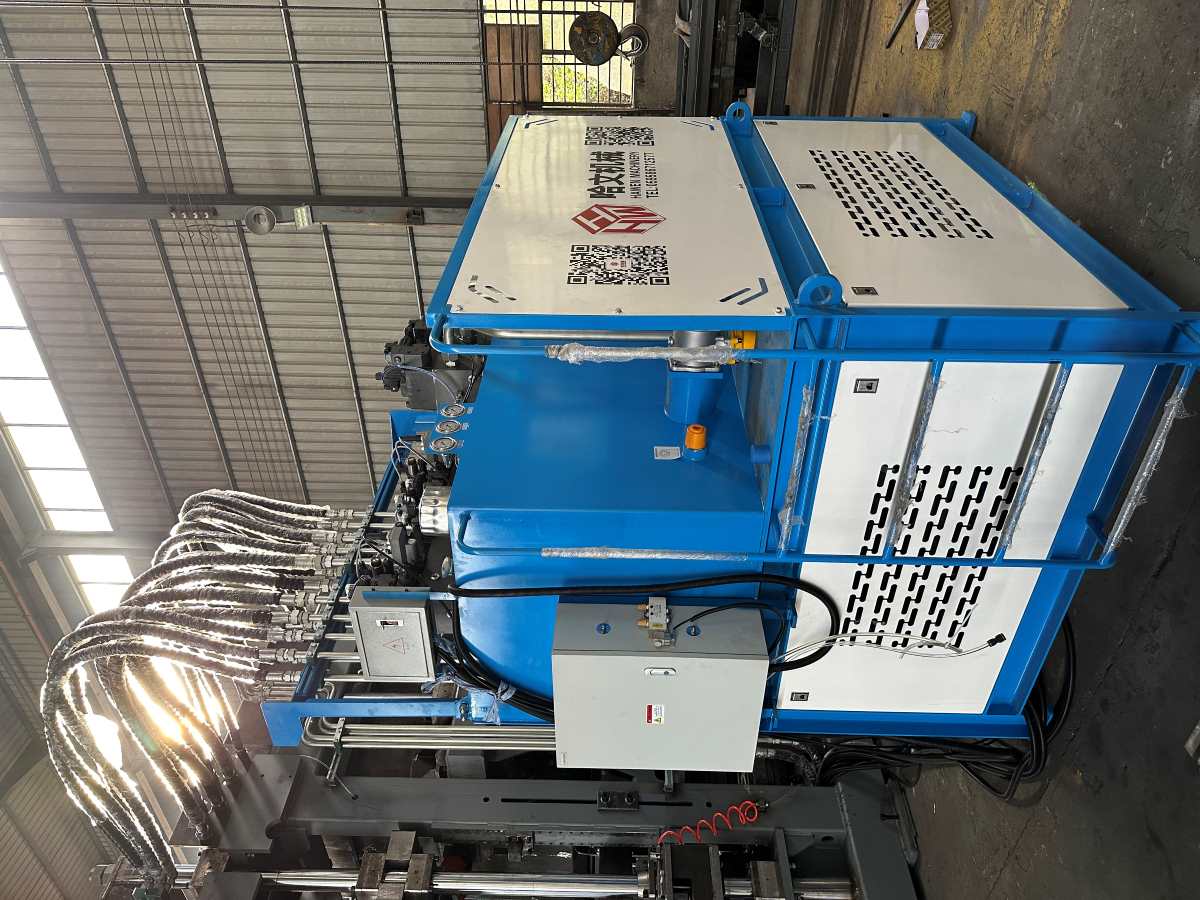
Operating a block machine without ensuring hydraulic stability is a fundamental error. The hydraulic system governs forming pressure, mold movement, and synchronization.
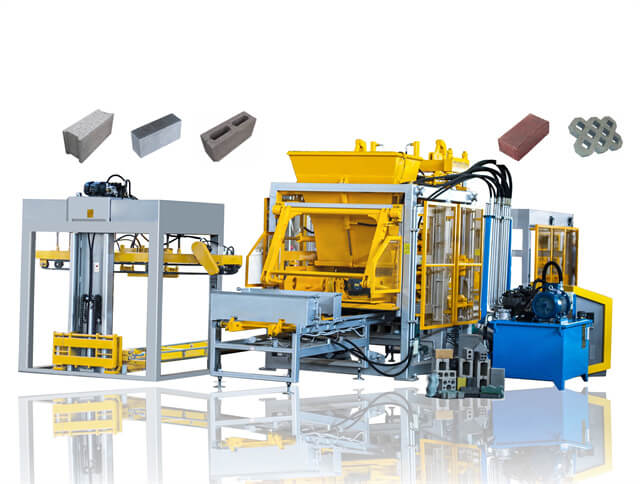
Hawen Machinery integrates high-precision proportional and directional valves sourced from Japan alongside robust hydraulic pumps from the United States, enabling accurate pressure control, high load capacity, and long-term operational reliability.
 What to avoid:
running the machine with fluctuating pressure
neglecting signs of hydraulic lag or leakage
Best practice:
Maintain stable pressure conditions, especially during high-speed production cycles.
What to avoid:
running the machine with fluctuating pressure
neglecting signs of hydraulic lag or leakage
Best practice:
Maintain stable pressure conditions, especially during high-speed production cycles.
4. Do Not Rely Solely on Manual Adjustments
Manual intervention, while sometimes necessary, introduces operator-dependent variability that compromises consistency.
Hawen Machinery integrates a SIEMENS S7-200 PLC system with an intuitive touch interface and remote monitoring capabilities. This system allows operators to monitor real-time performance, optimize parameters remotely, and ensure consistent production quality.
Annotation: Transitioning from manual control to automated systems is essential for reducing variability at scale.
5. Do Not Use Worn or Improperly Installed Molds
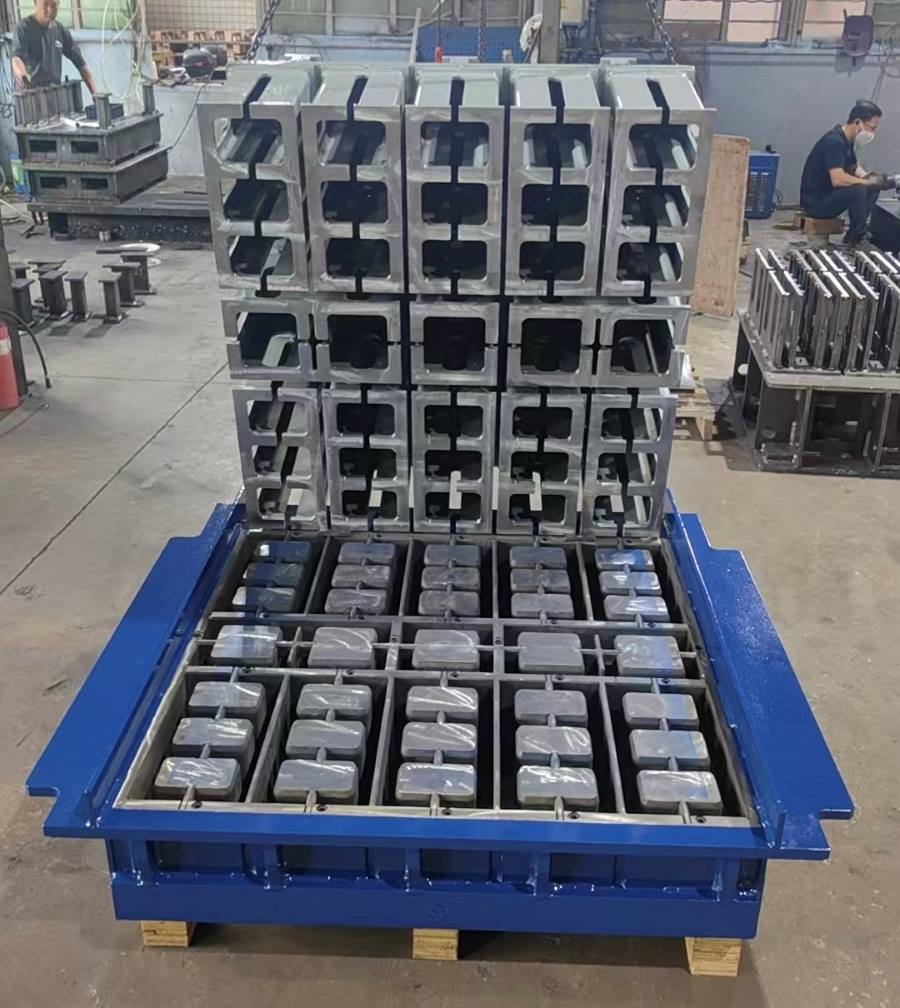
Molds are critical to dimensional accuracy and surface finish. Using worn or misaligned molds leads to defects that cannot be corrected later in the process.
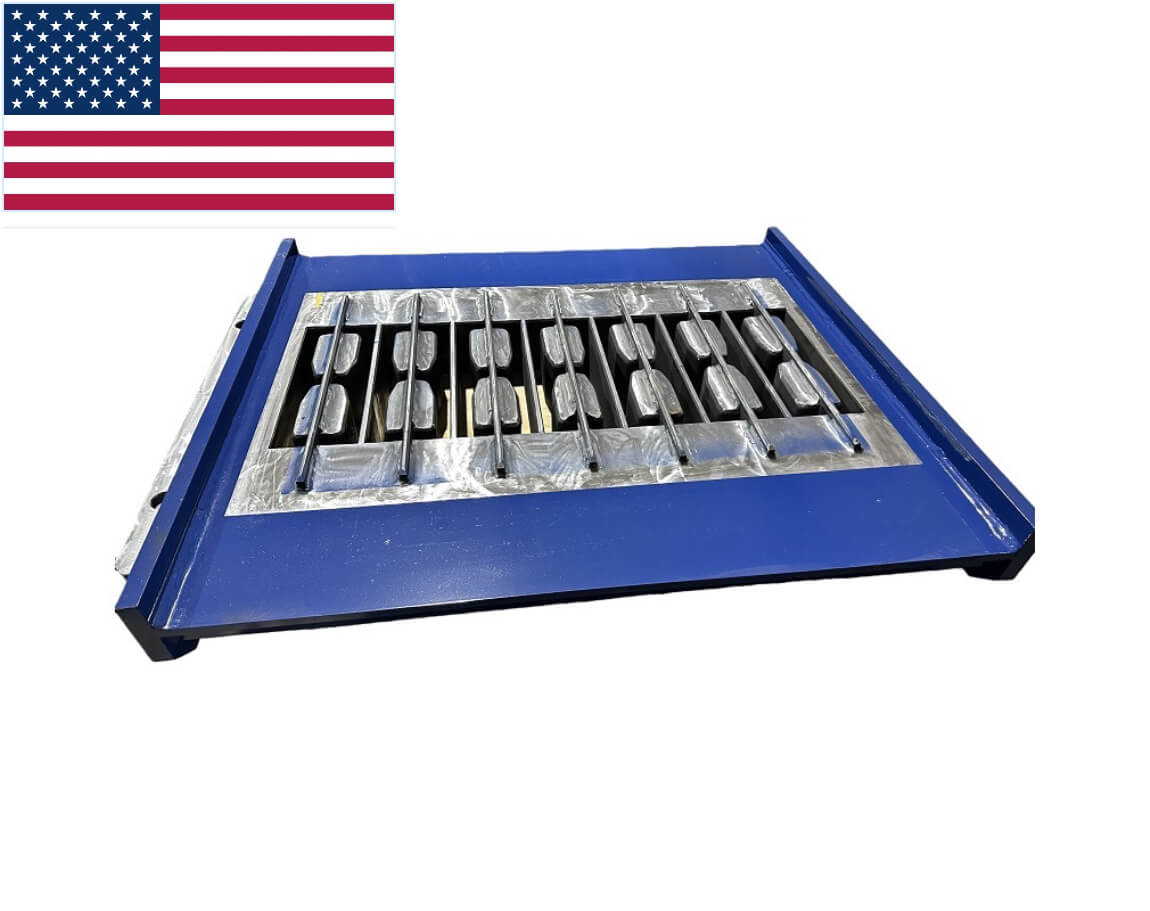
Hawen Machinery designs molds compatible with leading brands such as MASA, HESS, ZENITH, POYATOS, BESSER, TIGER, all of which undergo heat treatment to ensure durability and precision.
 What to avoid:
continuing production with visibly worn molds
improper installation leading to misalignment
What to avoid:
continuing production with visibly worn molds
improper installation leading to misalignment
6. Do Not Neglect Equipment Maintenance
Skipping routine maintenance may save time in the short term but results in progressive performance degradation.
Common consequences:
reduced vibration efficiency
unstable hydraulic performance
increased downtime due to unexpected failures
Recommended approach:
Implement a preventive maintenance schedule covering vibration systems, hydraulic components, and molds.
7. Do Not Ignore Curing Requirements
A frequent misconception is that quality is determined solely during forming. In reality, curing plays a decisive role in achieving final strength and durability.
What to avoid:
insufficient curing time
exposure to uncontrolled environmental conditions
Solution:
Maintain consistent curing environments with controlled temperature and humidity.
8. Do Not Treat the Production Line as Isolated Units
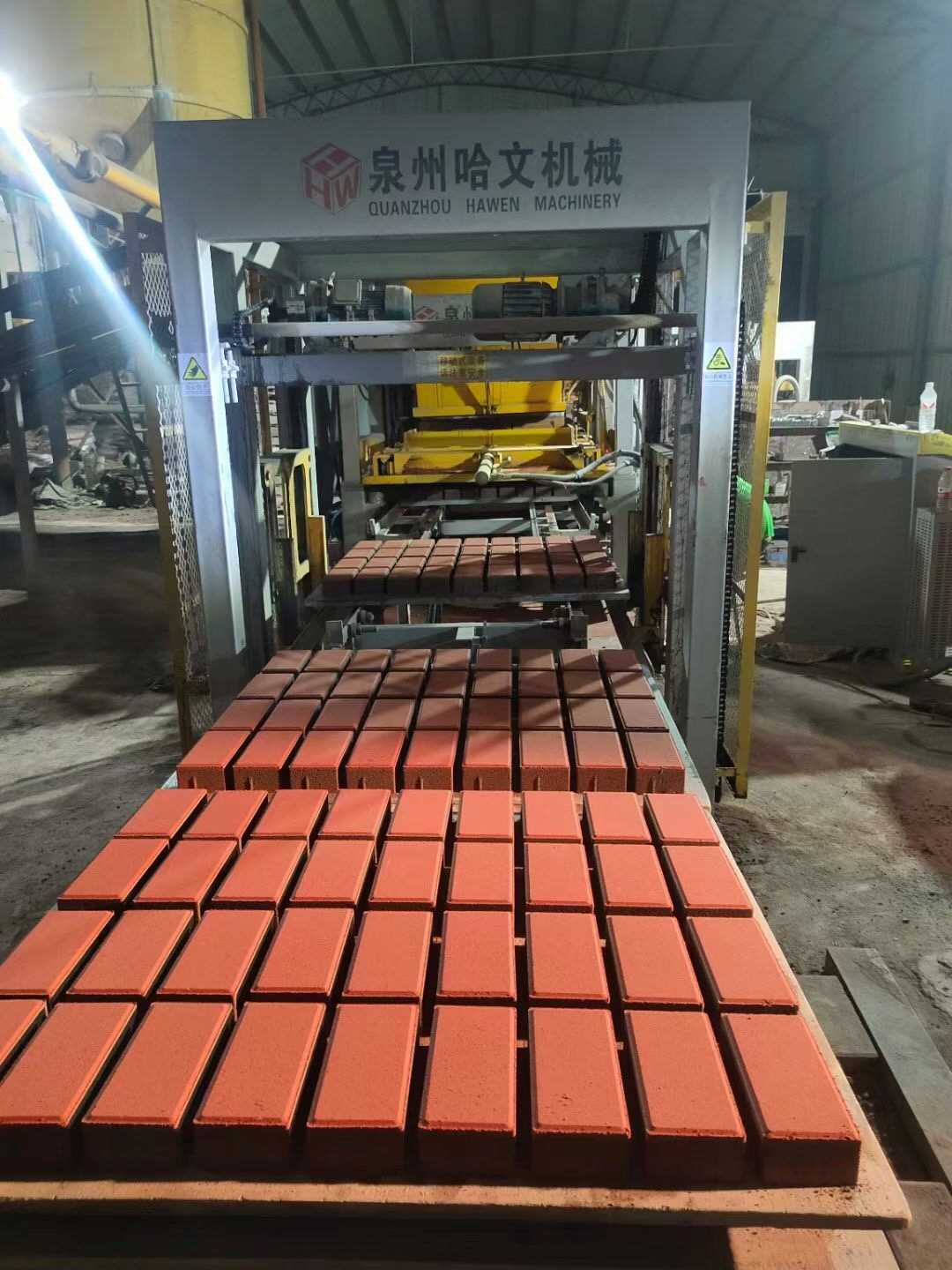
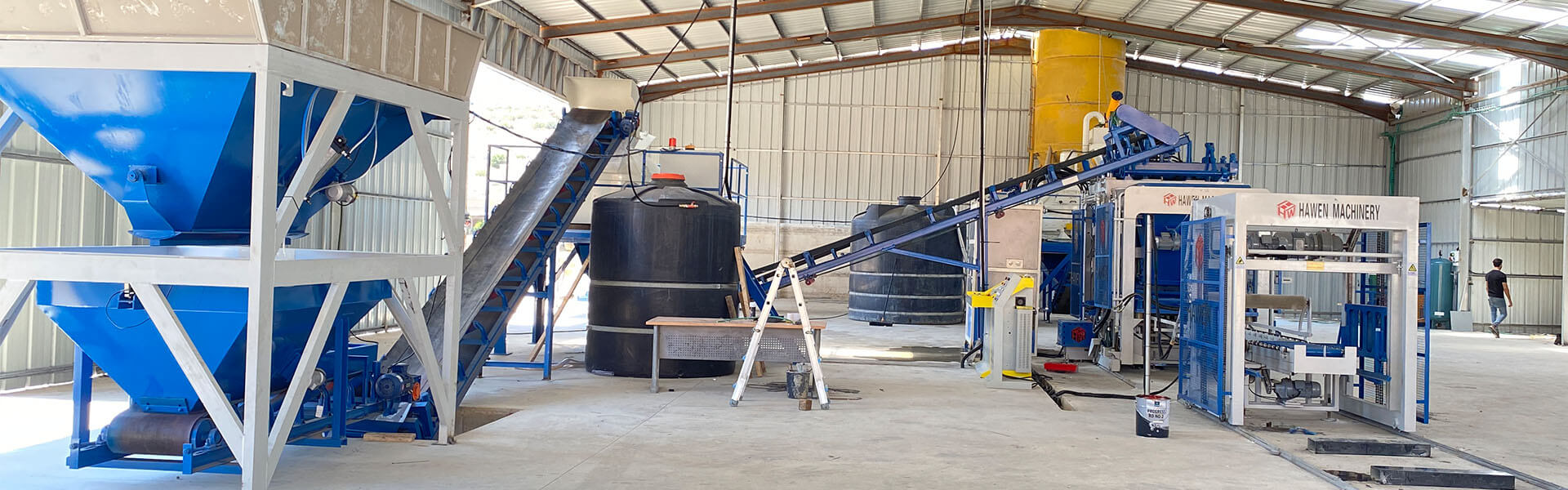
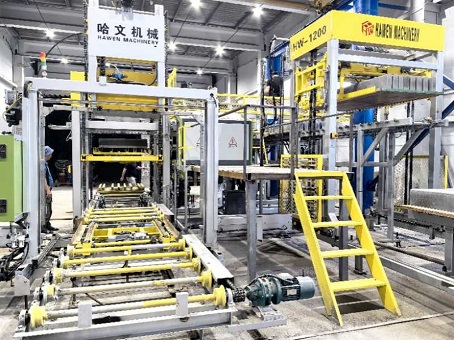
One of the most subtle yet impactful mistakes is viewing each stage of production independently. In reality, block manufacturing is a highly integrated process.
inconsistent feeding disrupts uniformity
unsynchronized vibration and pressure affect compaction
improper curing undermines earlier precision
 What to do instead:
Adopt a systems-oriented approach where all processes are coordinated and optimized collectively.
What to do instead:
Adopt a systems-oriented approach where all processes are coordinated and optimized collectively.
From Avoiding Errors to Engineering Precision
Avoiding operational mistakes is not merely about preventing defects; it is about establishing a disciplined production philosophy. Modern block manufacturing demands a transition from reactive operation to predictive and controlled processes, where variability is minimized at its source.
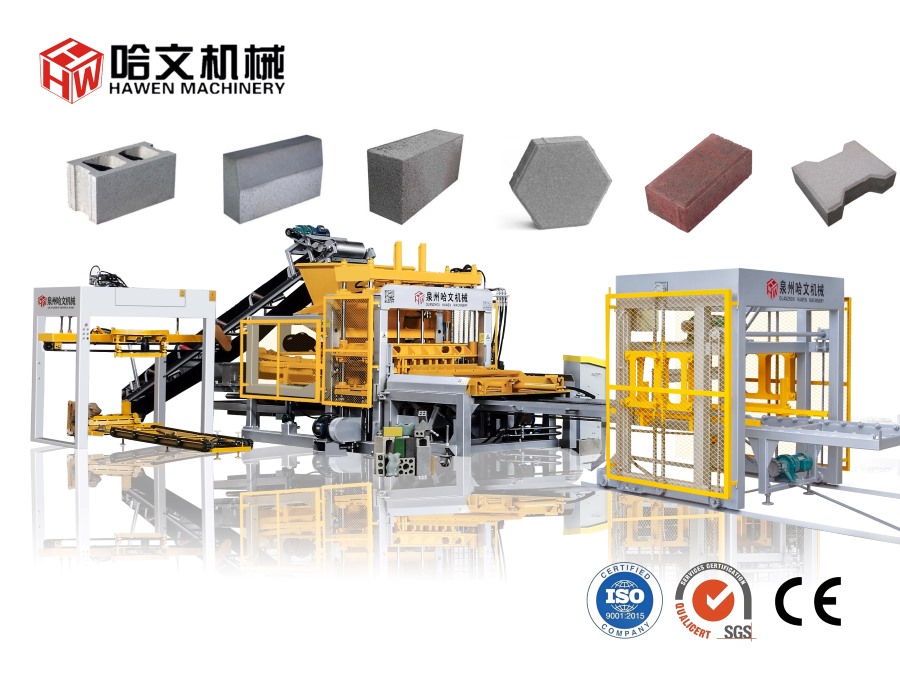
Hawen Machinery reflects this evolution by integrating advanced vibration technology, stable hydraulic systems, intelligent PLC control, and precision-engineered molds, enabling manufacturers to operate with confidence and consistency.
In an industry where structural integrity and large-scale demand intersect, operational discipline becomes a defining factor. The difference between average and exceptional production lies not in isolated improvements, but in the ability to eliminate systemic inefficiencies and standardize excellence.
Ultimately, mastering what not to do is a crucial step toward mastering what must be done. It is through this disciplined restraint that manufacturers achieve not only higher quality, but also greater reliability, efficiency, and long-term competitiveness in a demanding global market.
FAQ: Operating a Block Machine
1. What is the most common operator mistake in block production?
Ignoring material variability and operating with incorrect vibration settings are among the most common and impactful mistakes.
2. Can improper operation damage the machine?
Yes. Incorrect settings, poor maintenance, and unstable hydraulic conditions can lead to accelerated wear and unexpected failures.
3. How can operators ensure consistent results?
By combining standardized procedures, automated control systems, and regular maintenance, operators can significantly improve consistency.
4. Is automation enough to prevent operational mistakes?
Automation reduces human error, but proper setup, monitoring, and maintenance remain essential.
5. Why is process integration important in machine operation?
Because each stage of production affects the next, integrated control ensures uniformity, efficiency, and overall product quality.





 Tel: +86-13905968794
 Email: export@hwmachines.com
 MP/WhatsApp: +86-13905968794
 Manufacturer Address:Nanan,Quanzhou City,Fujian Province,China