In contemporary construction manufacturing, efficiency is no longer determined by a single piece of equipment. It is the outcome of a meticulously orchestrated system in which each component performs a defined role within a continuous, synchronized workflow. Against this backdrop, the block machine should not be perceived as an isolated unit, but rather as the pivotal node within a fully integrated production line.
This article examines how block machines are embedded into complete production ecosystems, and why such integration has become indispensable for manufacturers seeking both scale and consistency.
1. From Standalone Equipment to System Thinking
Historically, block production relied on fragmented processes. Raw materials were handled manually, curing was inconsistent, and logistics between stages often created bottlenecks. This model, while functional at a small scale, is inherently inefficient.
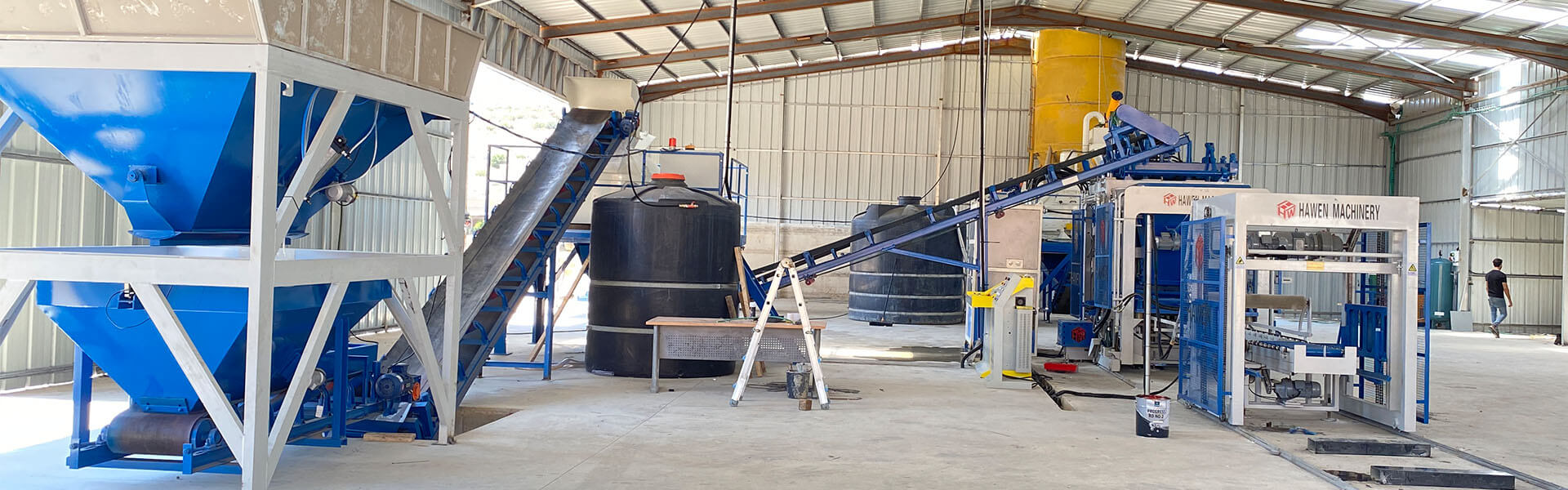
Modern production lines adopt a systems-oriented approach. Each segment—batching, mixing, conveying, forming, curing, and packaging—is interlinked. The block machine operates at the core, but its performance is contingent upon upstream precision and downstream coordination.
Note: A high-performance block machine without synchronized material supply will inevitably suffer from idle cycles and reduced output.
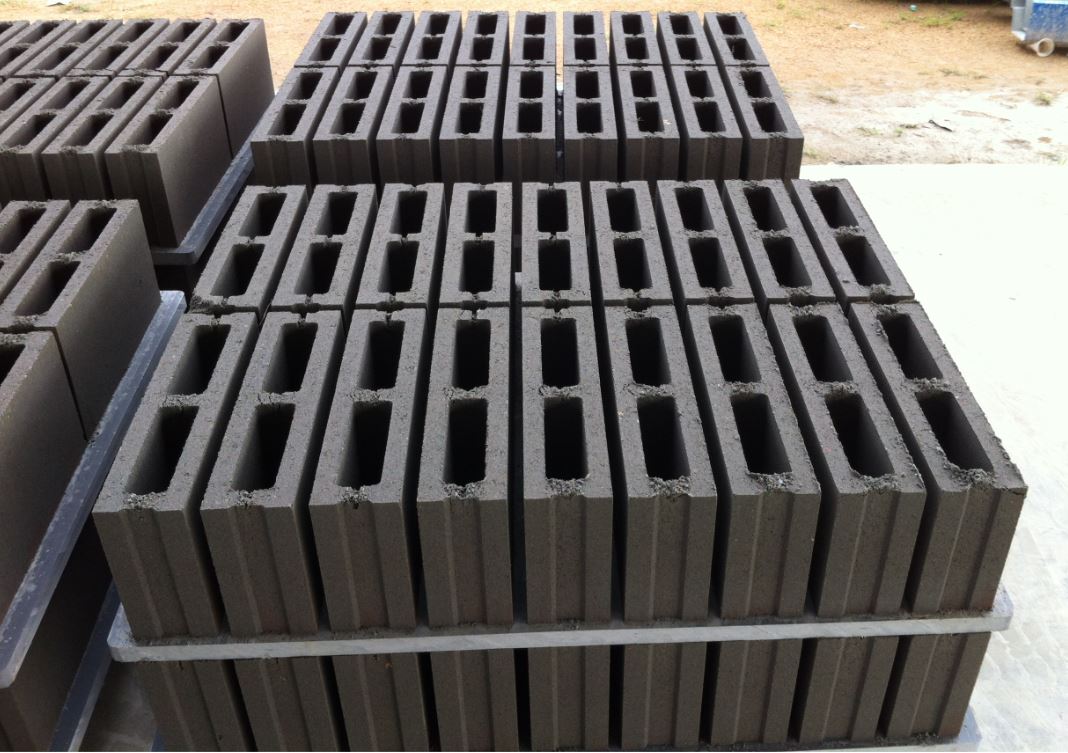
2. Material Preparation: The Foundation of Consistency
Integration begins at the very first stage—raw material handling. Automated batching systems ensure precise proportioning of aggregates, cement, and water. These materials are then transferred to high-efficiency mixers, where homogeneity is critical.
A stable and uniform mixture directly influences compaction quality during molding. Any fluctuation in moisture or gradation can compromise block strength and dimensional accuracy.
Thus, the block machine is not merely a consumer of materials; it is highly sensitive to input quality, making upstream integration essential.
3. The Core Node: Block Machine Operation
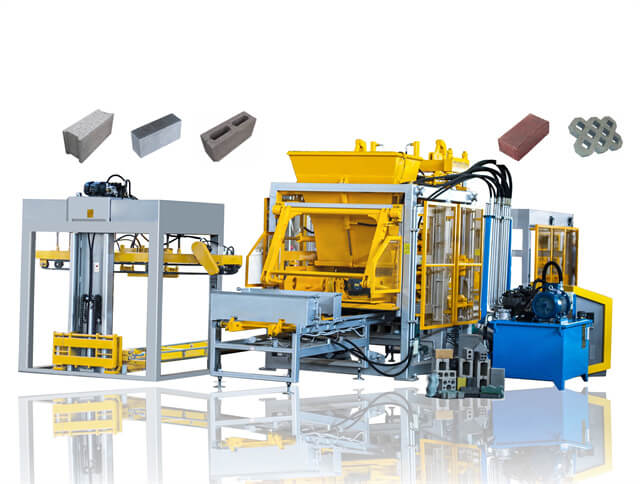
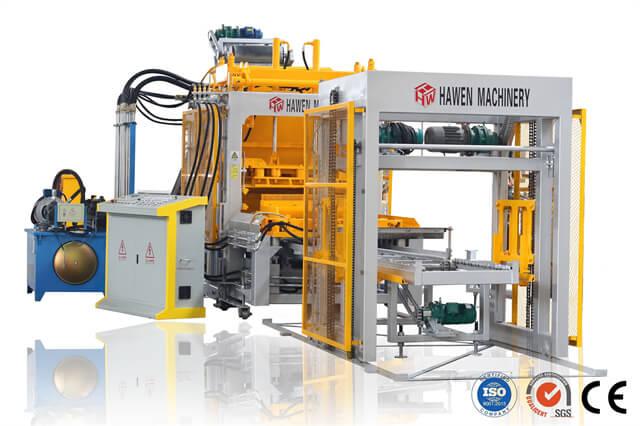
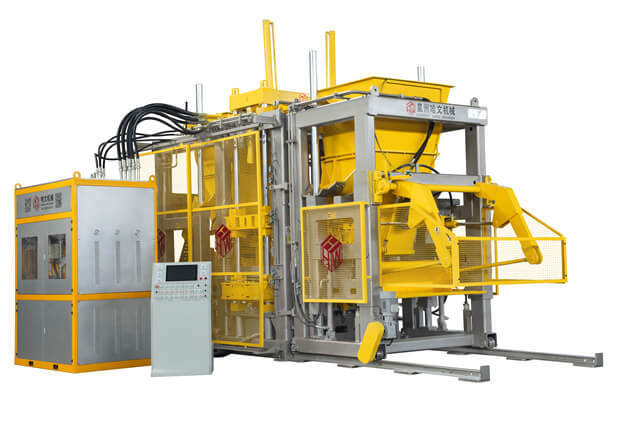
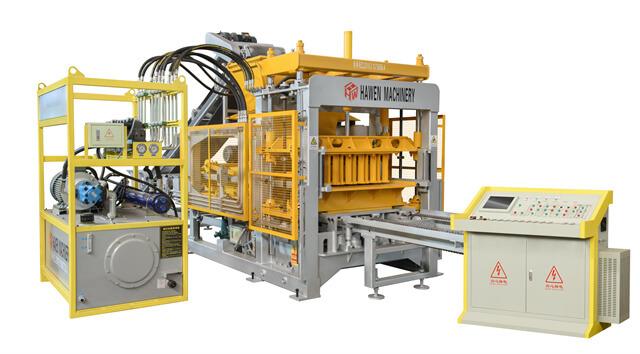
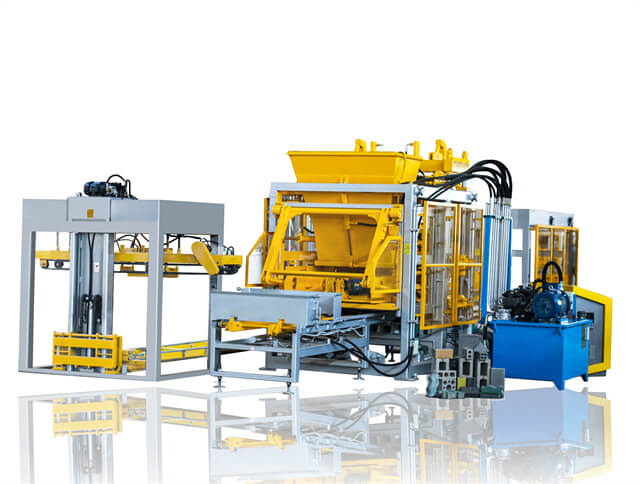
At the center of the production line lies the block machine, where material is transformed into finished products through vibration and compaction.
Hawen Machinery adopts a four-shaft vibration box design, with eccentric blocks positioned externally. This configuration minimizes internal resistance during operation, ensures even distribution of vibration force, and enhances compaction density. As a result, cement usage can be reduced without sacrificing structural integrity, while overall production efficiency is elevated.
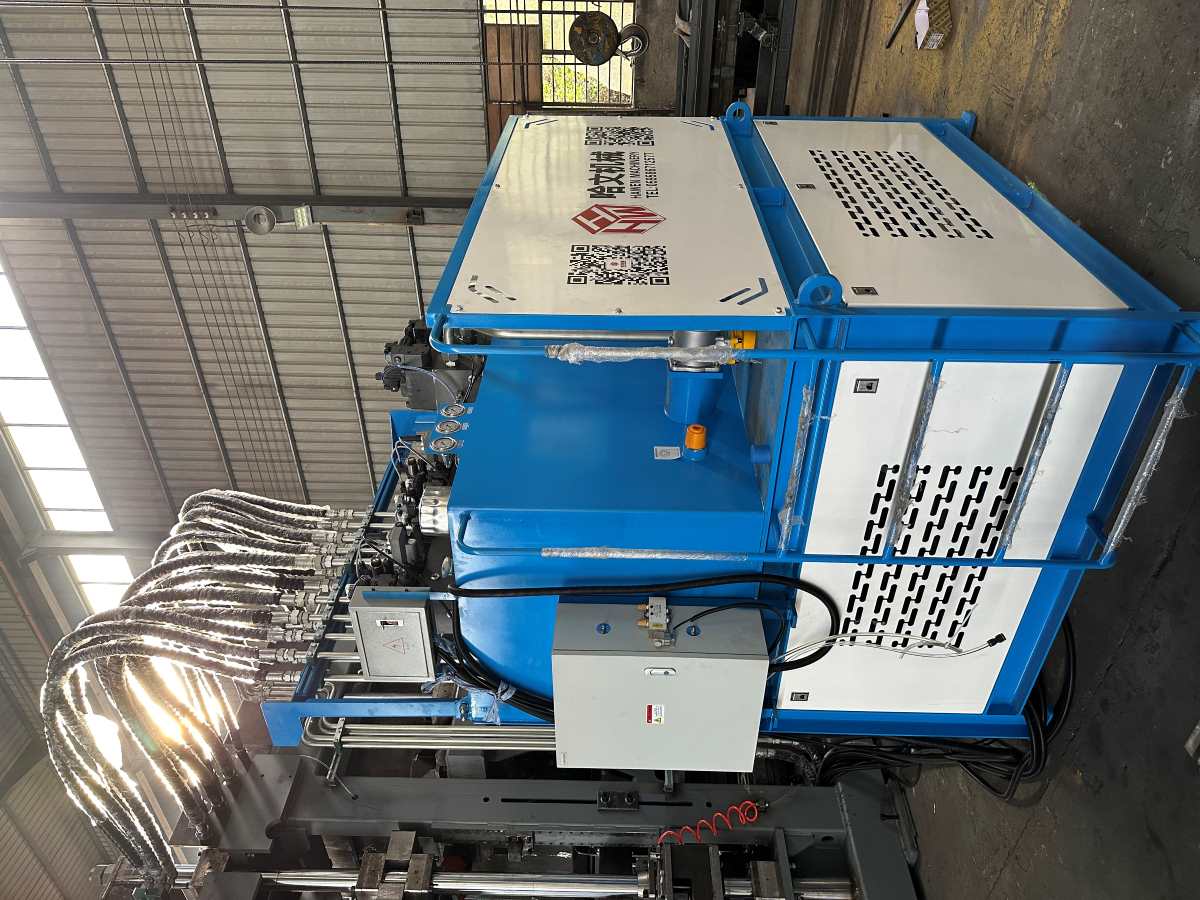
Equally critical is the hydraulic system. In Hawen’s configuration, the hydraulic unit incorporates Japanese YUKEN proportional and directional control valves alongside a robust American-made ALBERT pump. This combination enables refined motion control, high load-bearing capacity, and sustained operational reliability under demanding conditions.
Such technical integration ensures that the forming process is not only rapid but also repeatable—a prerequisite for industrial-scale manufacturing.
4. Intelligent Control: The Digital Backbone
No modern production line can function efficiently without an advanced control system. Automation is not simply about mechanization; it is about data-driven coordination.
Hawen Machinery integrates a SIEMENS S7-200 PLC paired with an intuitive touch interface and remote monitoring functionality. Through this system, operators can observe real-time machine status, adjust parameters with precision, and even perform remote diagnostics.
This level of control transforms the production line into an intelligent system capable of self-optimization. Variations in raw materials, environmental conditions, or production targets can be addressed dynamically, ensuring consistent output quality.
Annotation: Remote monitoring also reduces downtime, as technical support can intervene without the need for on-site presence.
5. Logistics Integration: Bridging Every Stage
Between forming and curing lies a critical yet often underestimated element—logistics. Automated systems such as conveyors, elevators, and rail-guided vehicles (RGVs) ensure the seamless transfer of green blocks.
These systems eliminate manual handling, reduce the risk of product deformation, and maintain a steady production rhythm. When properly integrated, logistics systems synchronize perfectly with the block machine’s cycle time, preventing accumulation or delay.
In large-scale plants, this synchronization can significantly enhance throughput while minimizing labor dependency.
6. Curing Systems: Stabilizing Product Quality
Once formed, blocks must undergo curing to achieve their final strength. Integrated curing solutions—whether natural, steam-assisted, or chamber-based—ensure controlled temperature and humidity conditions.
The key here is continuity. Blocks are transferred directly from the machine to curing areas without interruption, preserving their structural integrity. Automated stacking and de-stacking systems further streamline this process.
Without proper curing integration, even the most advanced block machine cannot guarantee product durability.
7. Mold Engineering: Precision Across Platforms
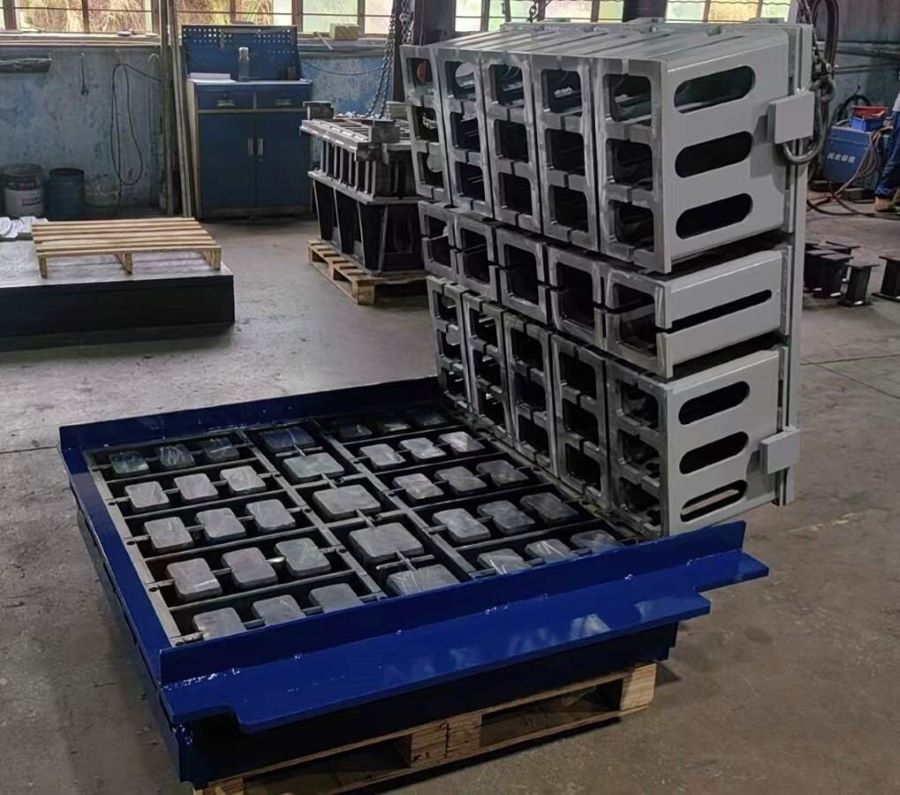
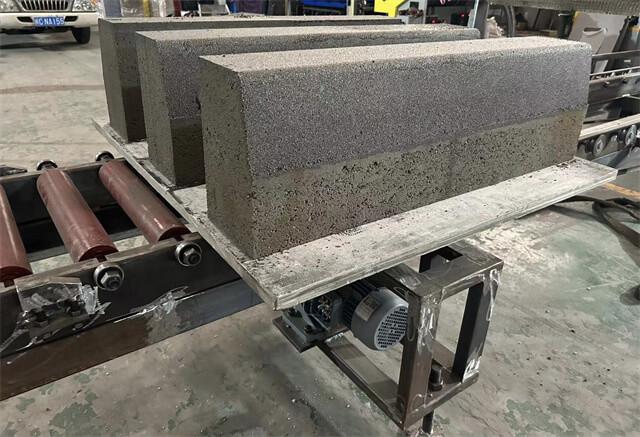
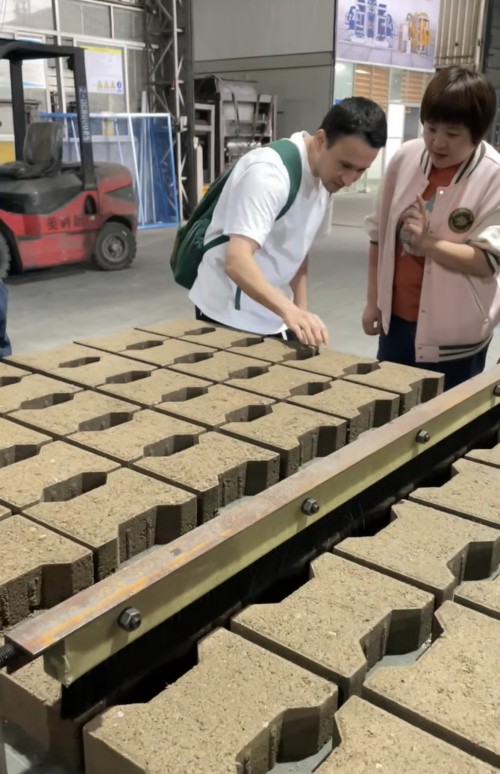
Molds represent another crucial interface between the machine and the final product. Their design and durability directly affect block geometry, surface finish, and lifespan.
Hawen Machinery develops molds compatible with internationally recognized brands such as MASA, HESS, ZENITH, POYATOS, BESSER, and TIGER. By adhering to original design standards, these molds ensure seamless compatibility, accurate fitting, and stable operation across different platforms.
Moreover, all molds undergo rigorous heat treatment processes to enhance wear resistance and extend service life. This not only reduces maintenance costs but also guarantees consistent block quality over prolonged production cycles.
8. The Synergy Effect: More Than the Sum of Parts
When all components—material preparation, forming, logistics, curing, and control—are fully integrated, the production line achieves a level of efficiency that far exceeds the capabilities of individual machines.
This synergy manifests in several ways:
Reduced cycle times
Lower energy consumption
Improved product uniformity
Enhanced operational reliability
In essence, integration transforms a collection of machines into a cohesive manufacturing ecosystem.
9. Hawen Machinery: Engineering Integration with Purpose
Hawen Machinery approaches block production not as equipment supply, but as system engineering. Each solution is tailored to align with the client’s production scale, budget constraints, and long-term operational goals.
By combining advanced vibration technology, globally sourced hydraulic components, intelligent control systems, and precision-engineered molds, Hawen delivers production lines that are both technically robust and economically viable.
This holistic approach ensures that clients are not merely purchasing machinery, but investing in sustainable productivity.
10. Conclusion: Redefining Industrial Efficiency
In an era defined by automation and resource optimization, the integration of block machines into complete production lines is no longer optional—it is imperative.
True efficiency arises not from isolated excellence, but from coordinated performance. A well-integrated production line embodies this principle, aligning every stage into a seamless continuum of value creation.
Ultimately, the evolution of block manufacturing reflects a broader industrial truth: progress lies in integration. And in that integration, we find not only higher productivity, but also a more intelligent and sustainable future for construction manufacturing.
FAQ
1. Why is integration more important than machine performance alone?
Because even the most advanced block machine cannot compensate for inconsistencies in material supply, logistics delays, or inadequate curing. Integration ensures that every stage supports optimal machine performance.
2. How does an automated control system improve production stability?
It enables real-time monitoring and parameter adjustment, reducing human error and allowing rapid response to changing conditions, thereby maintaining consistent product quality.
3. Are integrated production lines suitable for small-scale manufacturers?
Yes, but the level of integration can be customized. Even partial automation—such as automated batching or curing—can significantly enhance efficiency and reduce labor costs.
4. What is the role of molds in a fully integrated system?
Molds act as the interface between machine and product. High-quality, heat-treated molds ensure dimensional accuracy, durability, and compatibility across different machine brands.





 Tel: +86-13905968794
 Email: export@hwmachines.com
 MP/WhatsApp: +86-13905968794
 Manufacturer Address:Nanan,Quanzhou City,Fujian Province,China